Institute of Technology, University of Tartu, 50090 Tartu, Estonia.
Norwegian University of Science and Technology (NTNU), 7028 Trondheim, Norway.
Viruses. 2018 Aug 12;10(8):423. doi: 10.3390/v10080423.
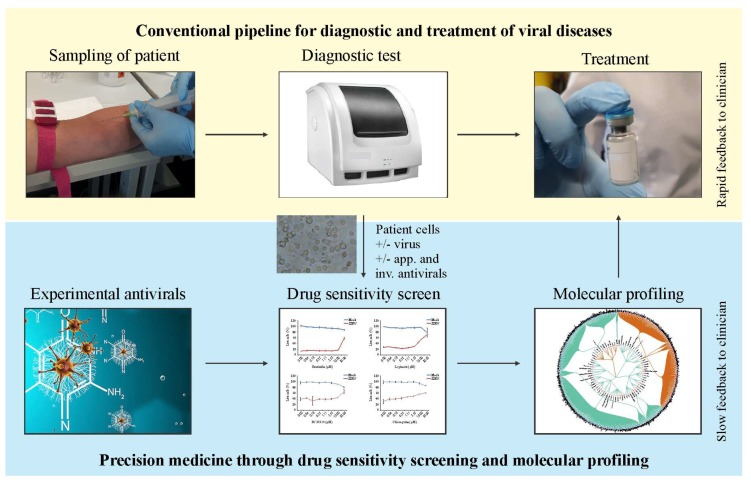
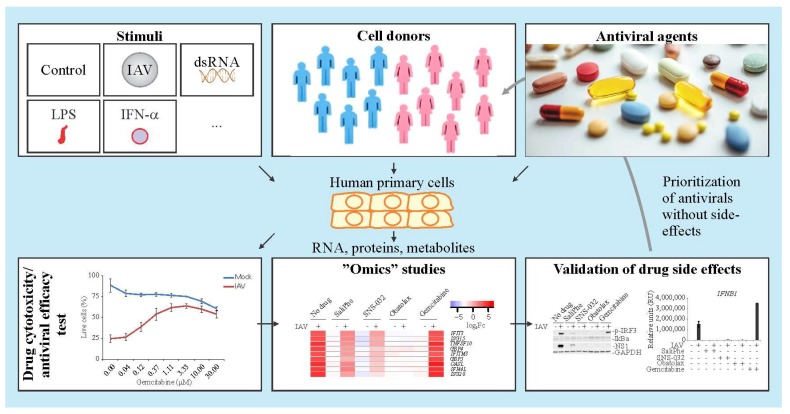
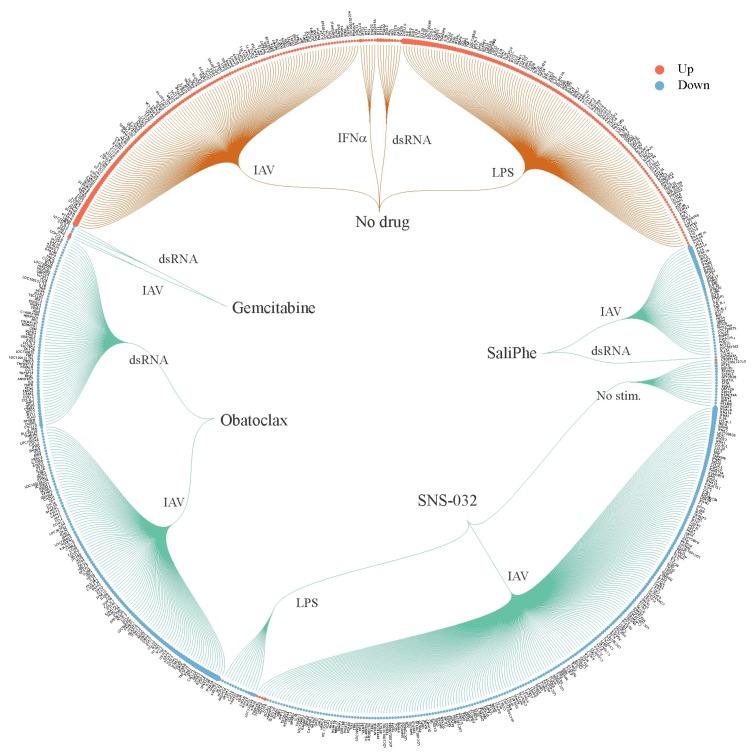
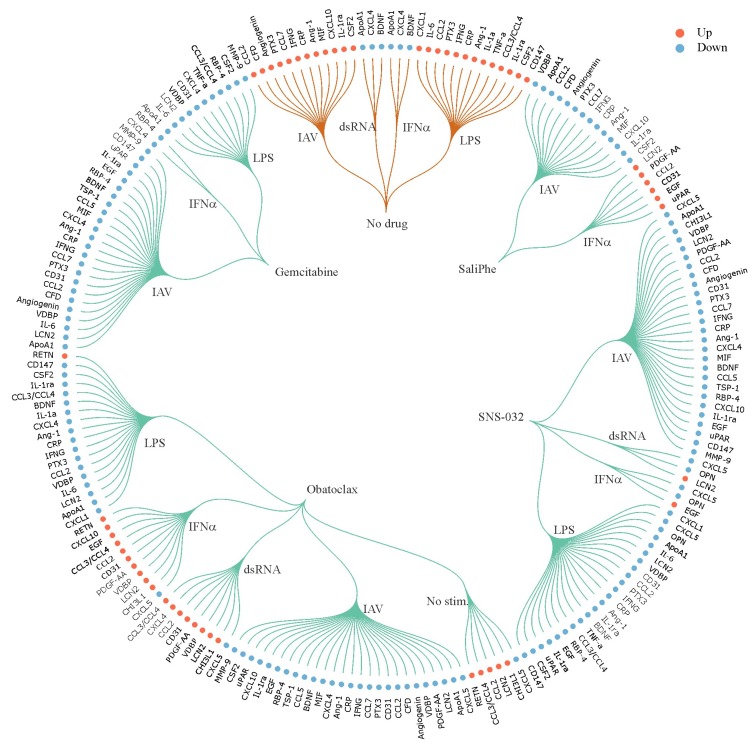
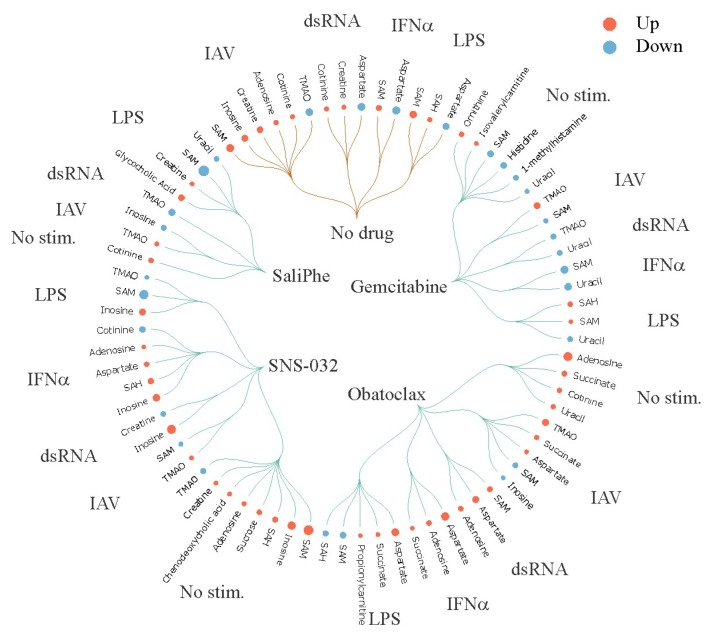
There are dozens of approved, investigational and experimental antiviral agents. Many of these agents cause serious side effects, which can only be revealed after drug administration. Identification of the side effects prior to drug administration is challenging. Here we describe an ex vivo approach for studying immuno- and neuro-modulatory properties of antiviral agents, which may be associated with potential side effects of these therapeutics. The current approach combines drug toxicity/efficacy tests and transcriptomics, which is followed by mRNA, cytokine and metabolite profiling. We demonstrated the utility of this approach with several examples of antiviral agents. We also showed that the approach can utilize different immune stimuli and cell types. It can also include other omics techniques, such as genomics and epigenomics, to allow identification of individual markers associated with adverse reactions to antivirals with immuno- and neuro-modulatory properties.
有数十种已批准、在研和实验性的抗病毒药物。其中许多药物会引起严重的副作用,这些副作用只有在给药后才能显现。在给药前识别副作用是具有挑战性的。在这里,我们描述了一种用于研究抗病毒药物的免疫和神经调节特性的离体方法,这些特性可能与这些治疗药物的潜在副作用有关。目前的方法结合了药物毒性/疗效测试和转录组学,随后进行 mRNA、细胞因子和代谢物分析。我们用几种抗病毒药物的例子证明了这种方法的实用性。我们还表明,该方法可以利用不同的免疫刺激物和细胞类型。它还可以包括其他组学技术,如基因组学和表观基因组学,以确定与具有免疫和神经调节特性的抗病毒药物不良反应相关的个体标记物。