Department of Radiation Oncology, University of Mississippi Medical Center, 350 Woodrow Wilson Drive Suite 1600, Jackson, MS, 39213, USA.
Department of Radiation Oncology, Winship Cancer Institute of Emory University, 1365 Clifton Rd, Atlanta, GA, 30322, USA.
Radiat Oncol. 2018 Aug 13;13(1):146. doi: 10.1186/s13014-018-1091-1.
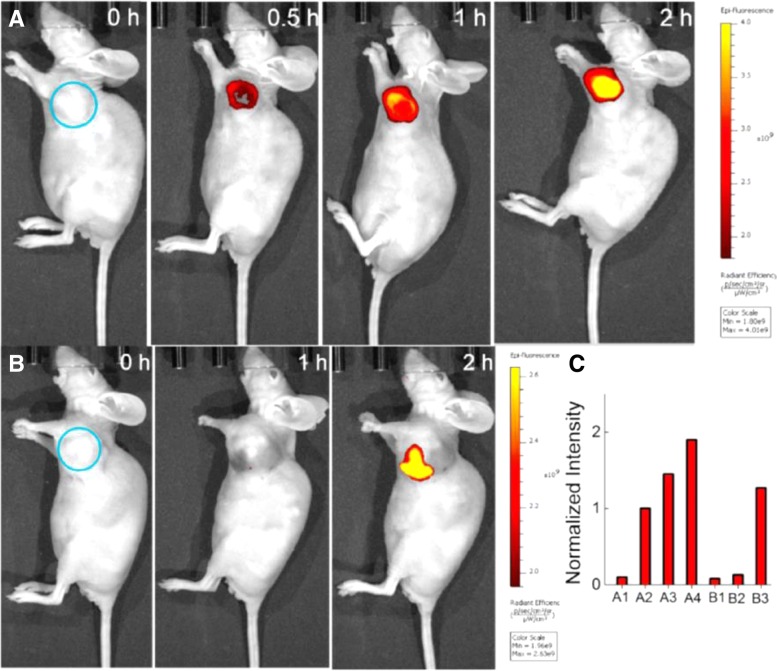
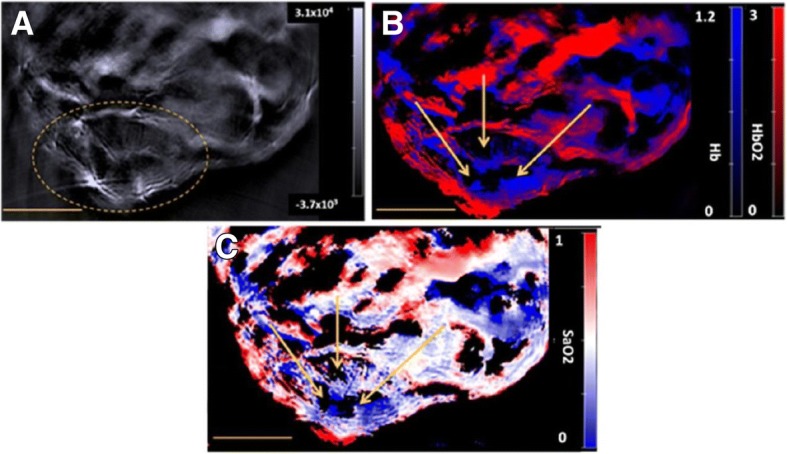
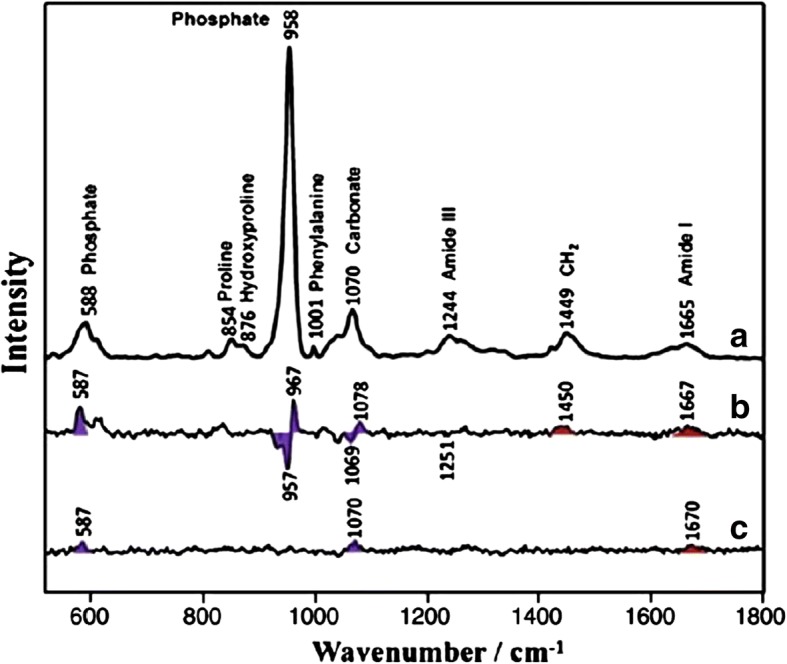
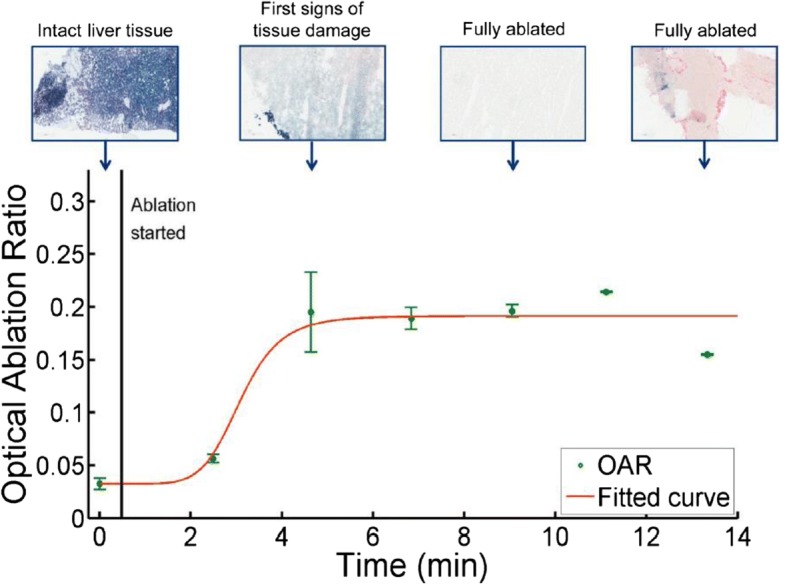
For 2018, the American Cancer Society estimated that there would be approximately 1.7 million new diagnoses of cancer and about 609,640 cancer-related deaths in the United States. By 2030 these numbers are anticipated to exceed a staggering 21 million annual diagnoses and 13 million cancer-related deaths. The three primary therapeutic modalities for cancer treatments are surgery, chemotherapy, and radiation therapy. Individually or in combination, these treatment modalities have provided and continue to provide curative and palliative care to the myriad victims of cancer.Today, CT-based treatment planning is the primary means through which conventional photon radiation therapy is planned. Although CT remains the primary treatment planning modality, the field of radiation oncology is moving beyond the sole use of CT scans to define treatment targets and organs at risk. Complementary tissue scans, such as magnetic resonance imaging (MRI) and positron electron emission (PET) scans, have all improved a physician's ability to more specifically identify target tissues, and in some cases, international guidelines have even been issued. Moreover, efforts to combine PET and MR to define solid tumors for radiotherapy planning and treatment evaluation are also gaining traction.Keeping these advances in mind, we present brief overviews of other up-and-coming key imaging concepts that appear promising for initial treatment target definition or treatment response from radiation therapy.
对于 2018 年,美国癌症协会估计,美国将有大约 170 万例新的癌症诊断病例和约 609640 例与癌症相关的死亡病例。到 2030 年,这些数字预计将超过惊人的 2100 万例年度诊断病例和 1300 万例与癌症相关的死亡病例。癌症治疗的三种主要治疗方式是手术、化疗和放射治疗。单独或联合使用这些治疗方式为众多癌症患者提供了并将继续提供治愈和姑息治疗。今天,基于 CT 的治疗计划是常规光子放射治疗计划的主要手段。尽管 CT 仍然是主要的治疗计划模式,但放射肿瘤学领域正在超越仅使用 CT 扫描来定义治疗靶区和危及器官。补充组织扫描,如磁共振成像(MRI)和正电子发射断层扫描(PET),都提高了医生更准确地识别靶组织的能力,在某些情况下,甚至发布了国际指南。此外,努力结合 PET 和 MR 来定义用于放射治疗计划和治疗评估的实体瘤也在获得关注。
考虑到这些进展,我们简要介绍了其他新兴的关键成像概念,这些概念似乎有望用于初始治疗靶区定义或放射治疗的治疗反应。