UNDP-UNFPA-UNICEF-WHO-World Bank Special Programme of Research, Development and Research Training in Human Reproduction (HRP), World Health Organization, 20 Avenue Appia, 1211, Geneva, Switzerland.
Department of Population Health, Faculty of Epidemiology and Population Health, London School of Hygiene and Tropical Medicine, Keppel Street, London, WC1E 7HT, UK.
Reprod Health. 2018 Aug 14;15(1):136. doi: 10.1186/s12978-018-0576-6.
HIV and unintended pregnancy are major interrelated concerns in sub-Saharan Africa. Focussing on single women aged 15-24 years we assess trends in key behaviours that affect both outcomes.
We performed a secondary analysis of public-access data sets from 112 surveys from 36 countries in the region, conducted between 1991 and 2015. We examined trends over 20 years in primary abstinence (virginity), secondary abstinence (no sex in past 3 months) among sexually experienced women, current use of modern contraception and condom use at most recent coitus among sexually active women.
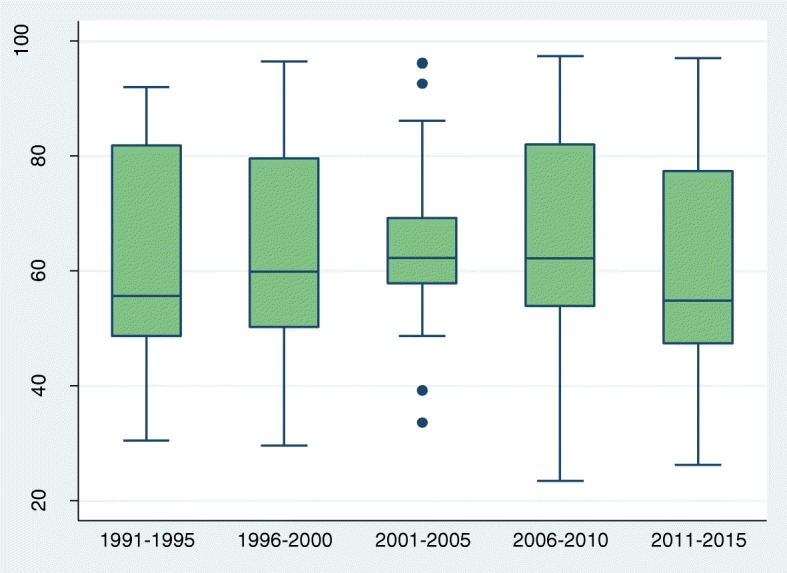
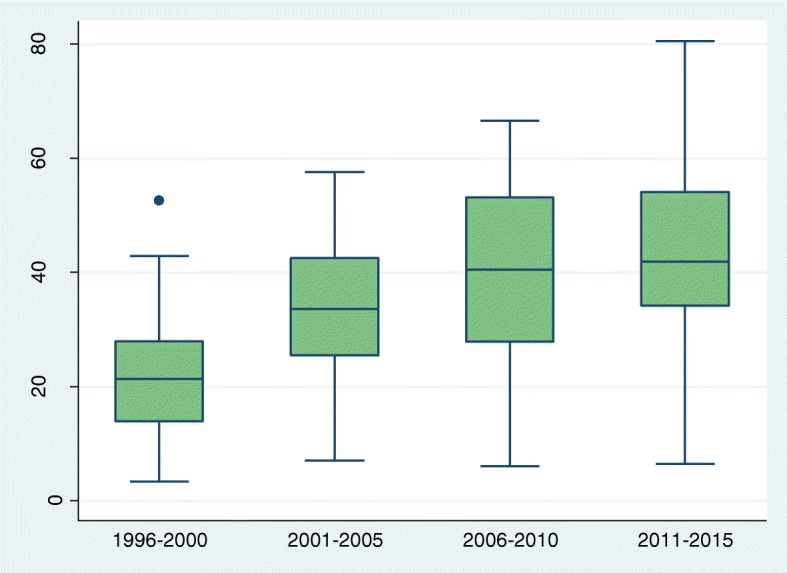
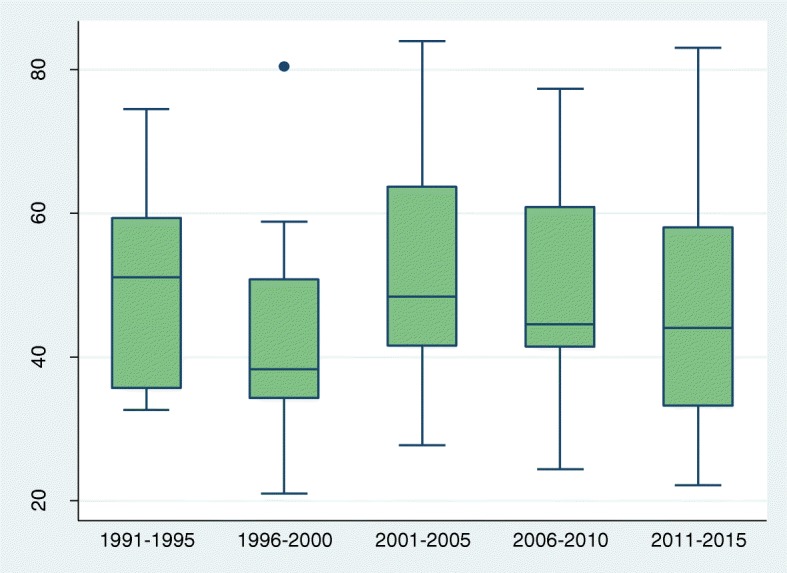
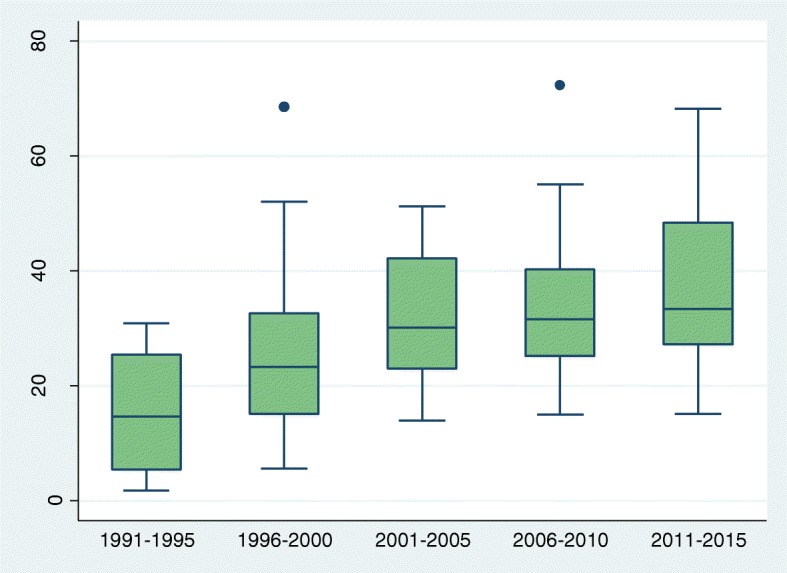
Little change occurred in primary or secondary abstinence. Over the 20 year period, contraceptive use in the region rose from 14.7 to 33.4%, with significant increases observed in 18 of 30 countries with multiple surveys. Since 2001-2005, the proportion of contraceptive users reporting condoms as their method fell from 61.1 to 51.3%, while use of oral contraceptives or injectables rose from 19.9 to 24.0%. Between 1996 and 2000 and 2006-2010, condom use at last coitus rose from 21.3 to 40.5% but then plateaued. A strong correlation between condom use and national HIV prevalence was found. About half of condom users at last sex had earlier in interviews reported this method for pregnancy-prevention.
Though condoms tend to be overlooked by both HIV and family planning agencies, their contribution to the health of single women remains central. Current efforts to promote non-barrier contraceptive methods may inadvertently increase HIV risk. Condom promotion for pregnancy-prevention should be re-invigorated by social marketing campaigns and other means.
在撒哈拉以南非洲,艾滋病毒和意外怀孕是两个相互关联的主要问题。我们关注的是年龄在 15-24 岁的单身女性,评估影响这两个结果的关键行为趋势。
我们对该地区 36 个国家 112 项调查的公共访问数据集进行了二次分析,这些调查于 1991 年至 2015 年期间进行。我们考察了 20 年来,在有过性经验的女性中,初次禁欲(贞操)和二次禁欲(过去 3 个月无性行为)、有过性行为的女性中现代避孕措施的使用以及最近一次性行为中使用避孕套的趋势。
初次和二次禁欲的情况变化不大。在过去的 20 年里,该地区的避孕措施使用率从 14.7%上升到 33.4%,在 30 个有多次调查的国家中,有 18 个国家的使用率显著上升。自 2001-2005 年以来,报告使用避孕套作为避孕方法的避孕药使用者比例从 61.1%下降到 51.3%,而口服避孕药或注射避孕药的使用率从 19.9%上升到 24.0%。在 1996-2000 年和 2006-2010 年期间,最后一次性行为时使用避孕套的比例从 21.3%上升到 40.5%,但随后趋于稳定。避孕套的使用与国家艾滋病毒流行率之间存在很强的相关性。在最近一次性行为中使用避孕套的人中,大约有一半在访谈中表示他们之前使用避孕套是为了预防怀孕。
尽管艾滋病毒和计划生育机构往往忽视了避孕套,但它们对单身女性的健康仍然至关重要。目前推广非屏障避孕方法的努力可能会无意中增加艾滋病毒的风险。应该通过社会营销活动和其他手段重新加强对预防怀孕使用避孕套的推广。