Tian Xiuzhi, Lv Dongying, Ma Teng, Deng Shoulong, Yang Minghui, Song Yukun, Zhang Xiaosheng, Zhang Jinglong, Fu Juncai, Lian Zhengxing, Zhu Shien, Wu Yingjie, Xing Yiming, Liu Guoshi
National Engineering Laboratory for Animal Breeding, Key Laboratory of Animal Genetics and Breeding of the Ministry of Agriculture, Beijing Key Laboratory for Animal Genetic Improvement, College of Animal Science and Technology, China Agricultural University, Beijing, China.
Animal Genetic Resources Group, Institute of Animal Science, Chinese Academy of Agricultural Sciences, Beijing, China.
PeerJ. 2018 Aug 8;6:e5420. doi: 10.7717/peerj.5420. eCollection 2018.
The open pulled straw (OPS) vitrification method has been successfully applied in mouse, pig, and goat embryos as well as in buffalo oocytes, but it has not yet been applied to the microinjected embryos. This study examined the effects of OPS vitrification on embryo development and the reproductive capacity of the transgenic offspring in order to establish a method for preservation of microinjected embryos.
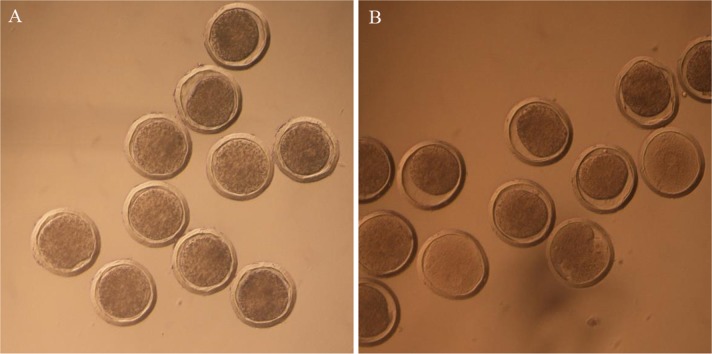
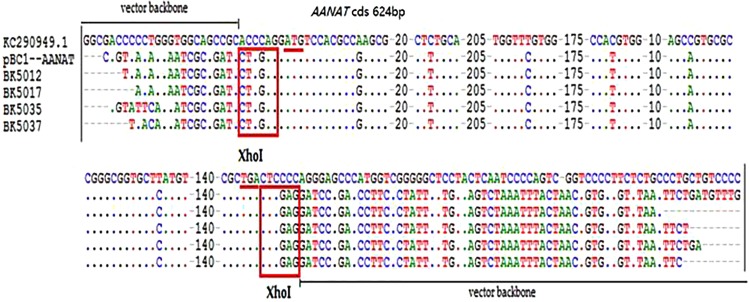
Ovine pronuclear embryos were microinjected with the exogenous aralkylamine N-acetyltransferase gene (), frozen by the OPS method, and subsequently thawed for embryo transplantation. Pregnancy rate, lambing rate, survival rate, average birth weight and transgenic positive rate as well as reproduction efficiency and hormone level of the transgenic offspring were investigated to analyze the effect of OPS vitrification on microinjectd pronuclear embryos.
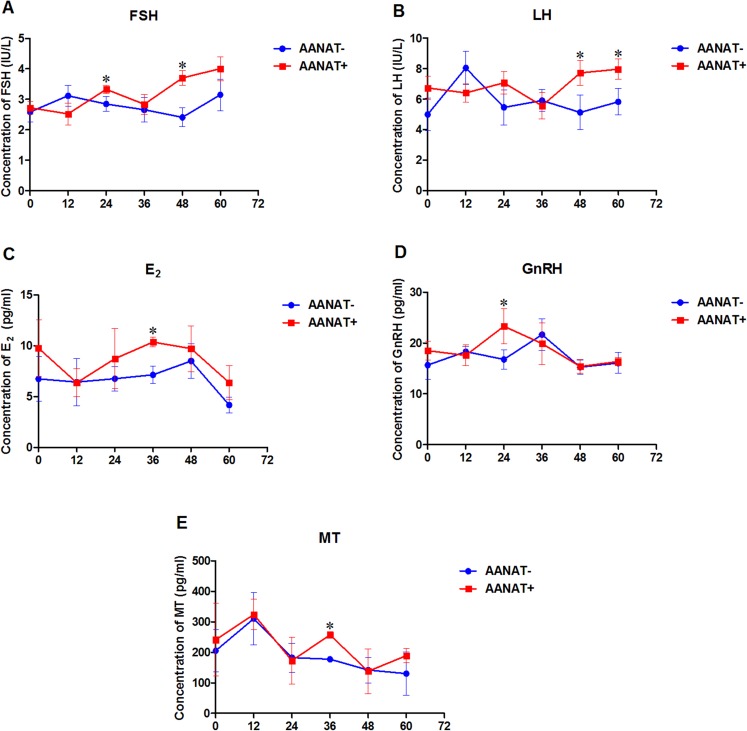
No significant differences were observed in the birth rate, lamb survival rate and transgenic positive rate between the frozen and non-frozen -microinjected pronuclear embryos. The average birth weight of the frozen embryos offspring was greater than that of the non-frozen embryos. Importantly, the transgenic offspring that overexpressed the gene showed improved ovulation efficiency and lambing rate by regulating their hormone levels.
The OPS vitrification approach may be a valuable method in microinjected- embryo transfer technology, which could reserve embryos and result in fewer unnecessary animal sacrifices. In addition, the + transgenic offspring exhibited improved reproductive capacity on account of regulation effect of melatonin on reproductive hormone. These data may provide available references for human-assisted reproduction.