Fusco Roberta, D'amico Ramona, Cordaro Marika, Gugliandolo Enrico, Siracusa Rosalba, Peritore Alessio Filippo, Crupi Rosalia, Impellizzeri Daniela, Cuzzocrea Salvatore, Di Paola Rosanna
Department of Chemical, Biological, Pharmaceutical and Environmental Sciences, University of Messina, Messina, Italy.
Department of Pharmacological and Physiological Science, Saint Louis University, St. Louis, MO, USA.
Oncotarget. 2018 Jul 31;9(59):31355-31366. doi: 10.18632/oncotarget.25823.
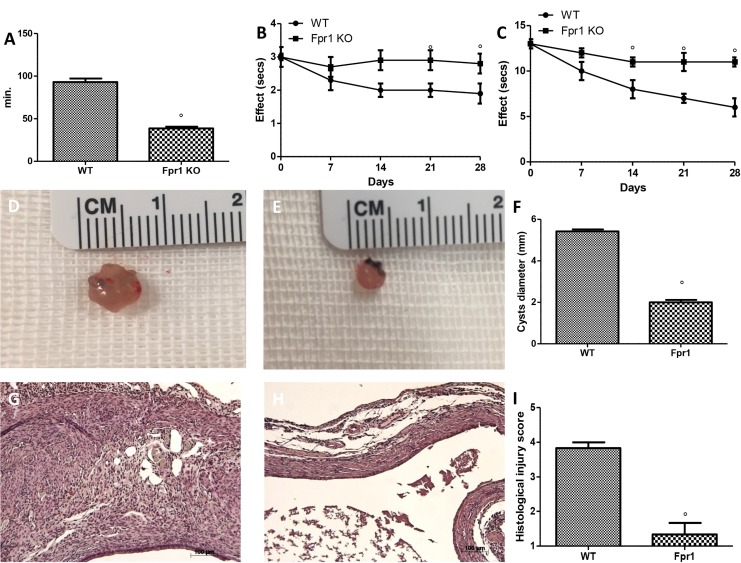
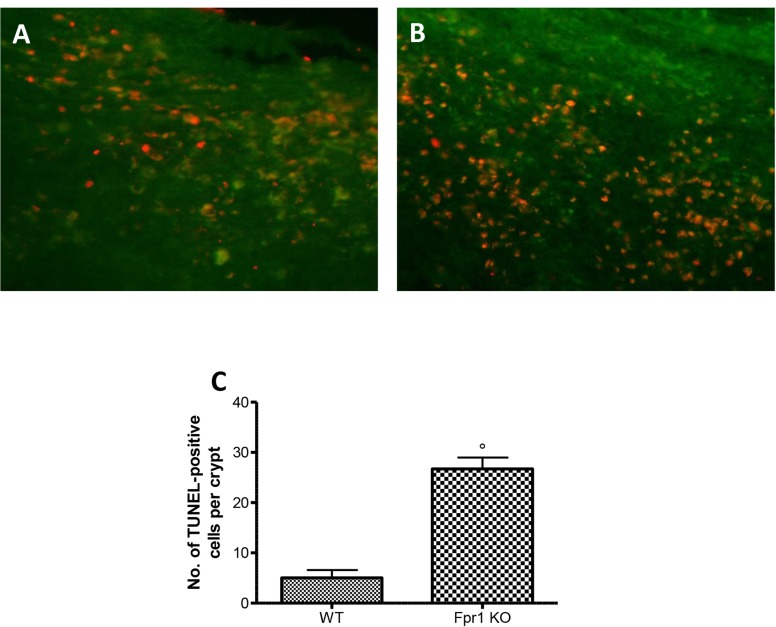
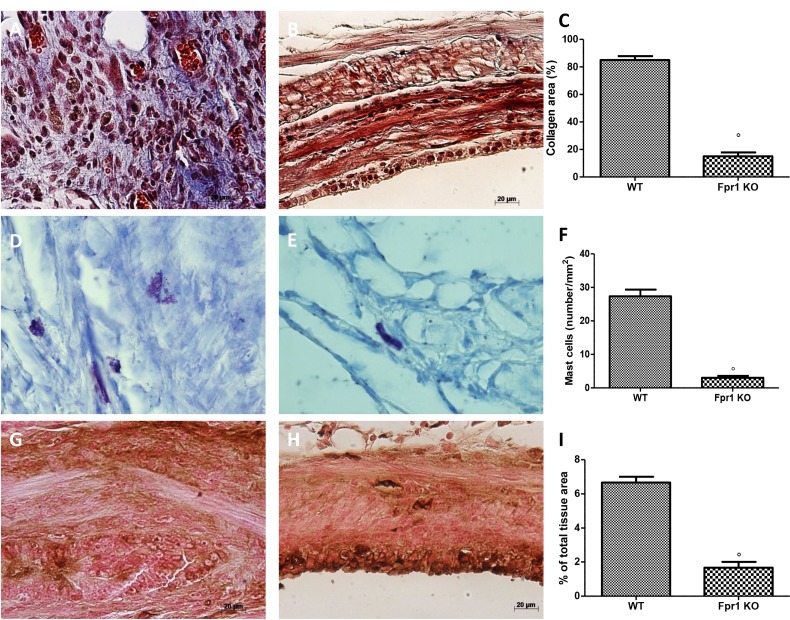
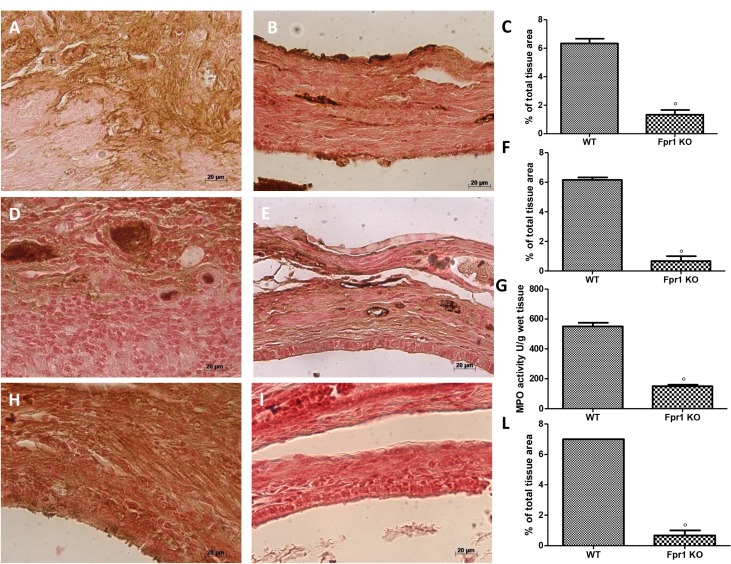
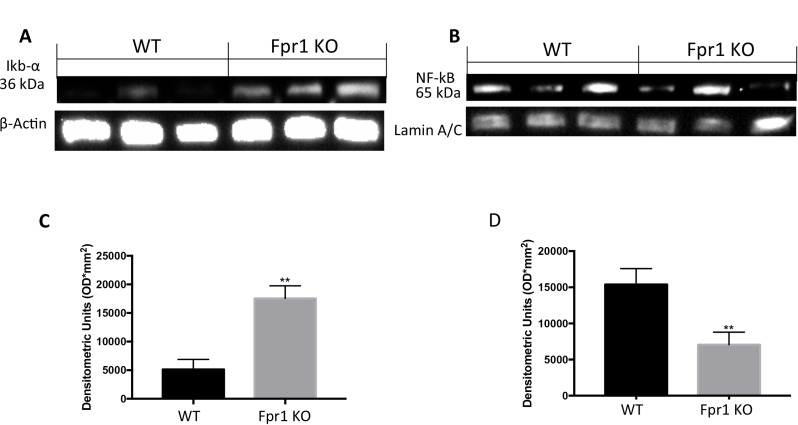
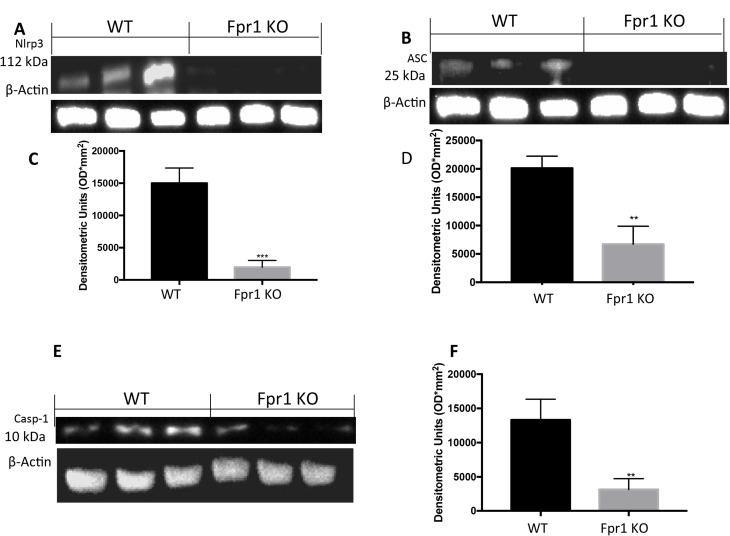
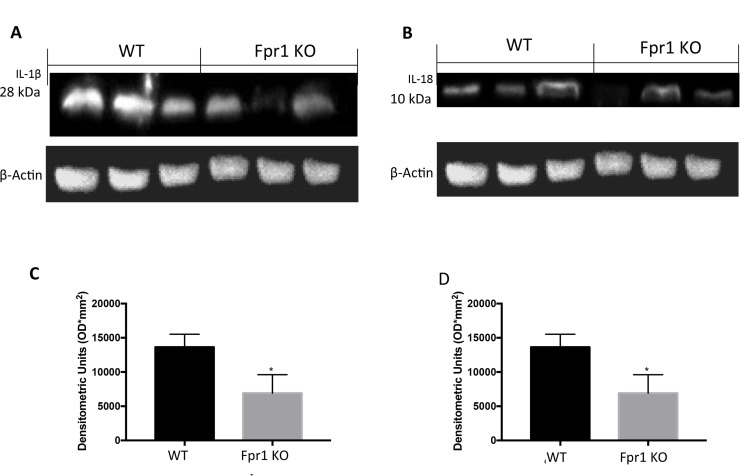
Endometriosis is a female disease in which endometrial tissues grows outside the uterus. Patients showed alterations in endocrine and immune systems. Endometriotic lesions are characterized by deregulated interaction between immune cells and tissue cells. The formyl peptide receptor 1 (Fpr1) is expressed by both immune and stromal cells including epithelial cells. We investigated the development of the physiopathology of the surgically-induced endometriosis in Fpr1 KO mice compared to WT animals. Operated Fpr1 KO mice showed lower duration of uterine pain behaviors, lower size of developed cysts and reduced mast cell numbers. Immunohistochemical analyses indicated changes in NGF, VEGF and ICAM-1 expression associated with the pathology, which were reduced in absence of the Fpr1 gene. Molecular analyses indicated that in absence of Fpr1 there was reduced neutrophils accumulation and nitrosative stress formation, NF-κB translocation into the nucleus as well as NRLP3 inflammasome signalling. Fpr1 gene deletion caused reduction of resistance to the apoptosis, assessed by TUNEL assay. We underline the pathogenic role of Fpr1 in experimental endometriosis, which is the result of modulation of immune cell recruitment, suggesting it as a new target to control the pathologic features of endometriotic lesions.
子宫内膜异位症是一种女性疾病,其中子宫内膜组织在子宫外生长。患者表现出内分泌和免疫系统的改变。子宫内膜异位病变的特征是免疫细胞与组织细胞之间的相互作用失调。甲酰肽受体1(Fpr1)由包括上皮细胞在内的免疫细胞和基质细胞表达。我们研究了与野生型动物相比,Fpr1基因敲除小鼠手术诱导的子宫内膜异位症的病理生理发展。接受手术的Fpr1基因敲除小鼠表现出子宫疼痛行为持续时间较短、囊肿发育较小以及肥大细胞数量减少。免疫组织化学分析表明,与病理相关的NGF、VEGF和ICAM-1表达发生变化,在缺乏Fpr1基因时这些变化减少。分子分析表明,在缺乏Fpr1的情况下,中性粒细胞积累和亚硝化应激形成减少,NF-κB转位到细胞核以及NRLP3炎性小体信号传导减少。通过TUNEL分析评估,Fpr1基因缺失导致对细胞凋亡的抵抗力降低。我们强调Fpr1在实验性子宫内膜异位症中的致病作用,这是免疫细胞募集调节的结果,表明它是控制子宫内膜异位病变病理特征的新靶点。