Division of Epilepsy and Clinical Neurophysiology, Department of Neurology, Boston Children's Hospital, Harvard Medical School, Boston, Massachusetts.
Department of Neurology, Erasmus Hospital, Free University of Brussels, Brussels, Belgium.
Epilepsia. 2018 Oct;59 Suppl 2(Suppl Suppl 2):155-169. doi: 10.1111/epi.14515. Epub 2018 Aug 26.
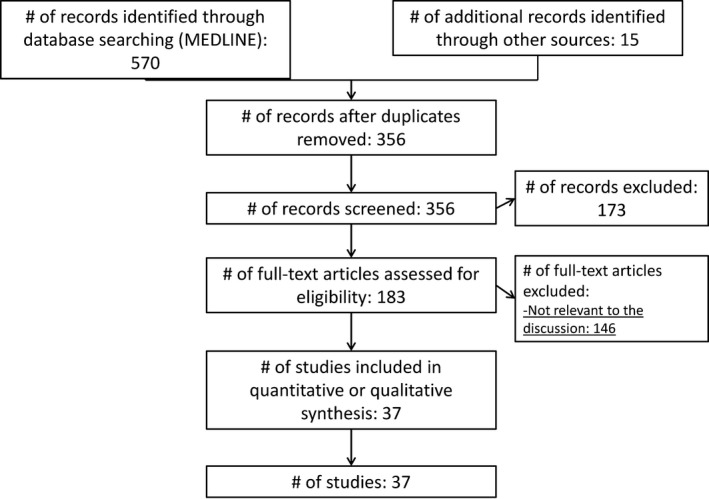
We reviewed 37 studies reporting long-term outcomes after a status epilepticus (SE) episode in pediatric and adult populations. Study design, length of follow-up, outcome measures, domains investigated (mortality, SE recurrence, subsequent epilepsy, cognitive outcome, functional outcome, or quality of life), and predictors of long-term outcomes are summarized. Despite heterogeneity in the design of prior studies, overall risk of poor long-term outcome after SE is high in both children and adults. Etiology is the main determinant of outcome, and the effect of age or SE duration is often difficult to distinguish from the underlying cause. The effect of the treatment on long-term outcome after SE is still unknown.
我们回顾了 37 项研究,这些研究报告了儿童和成人癫痫持续状态(SE)后长期结局。总结了研究设计、随访时间、结局测量、研究领域(死亡率、SE 复发、继发癫痫、认知结局、功能结局或生活质量)以及长期结局预测因素。尽管先前研究的设计存在异质性,但儿童和成人 SE 后不良长期结局的总体风险较高。病因是结局的主要决定因素,年龄或 SE 持续时间的影响往往难以与潜在病因区分开来。SE 后治疗对长期结局的影响仍不清楚。