Xiao Yao, He Xuejun, Ojeda-Lassalle Yemaiza, Poovaiah Charleson, Coleman Heather D
1Biology Department, Syracuse University, Syracuse, NY 13244 USA.
2Present Address: Scion, Te Papa Tipu Innovation Park, 49 Sala Street, Rotorua, 3010 New Zealand.
Biotechnol Biofuels. 2018 Aug 16;11:225. doi: 10.1186/s13068-018-1224-7. eCollection 2018.
Expression of glycosyl hydrolases in lignocellulosic biomass has been proposed as an alternative to improve efficiency of cellulosic ethanol production. production of hyperthermophilic hydrolytic enzymes could prevent the detrimental effects often seen resulting from the expression of recombinant mesophilic enzymes to plant hosts. Utilizing lignocellulosic feedstocks to produce hyperthermophilic hydrolases provides additional benefits for ethanol production in the way of transgenic feedstocks serving as both enzyme providers and cellulosic substrates.
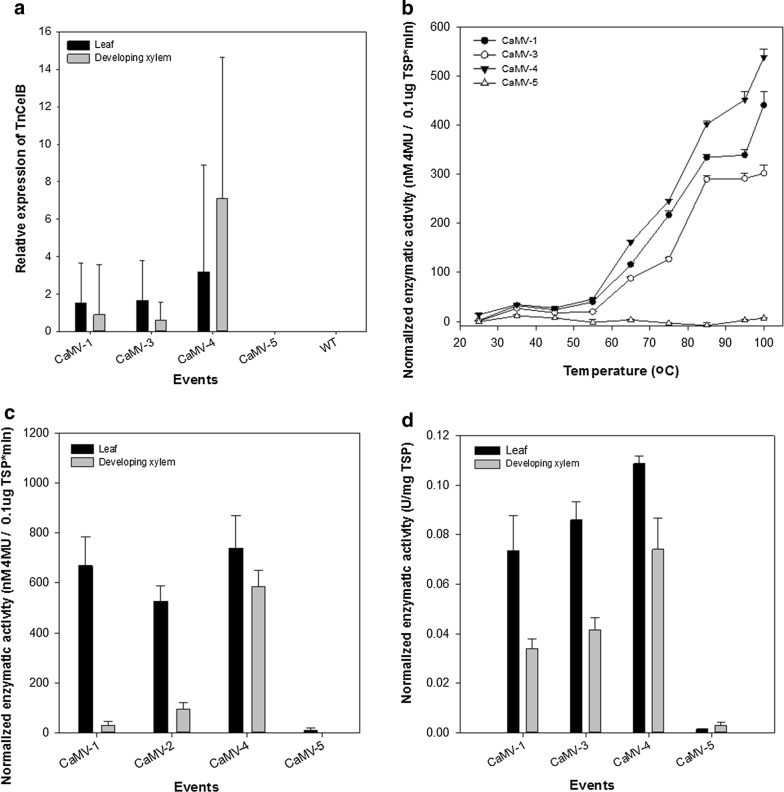
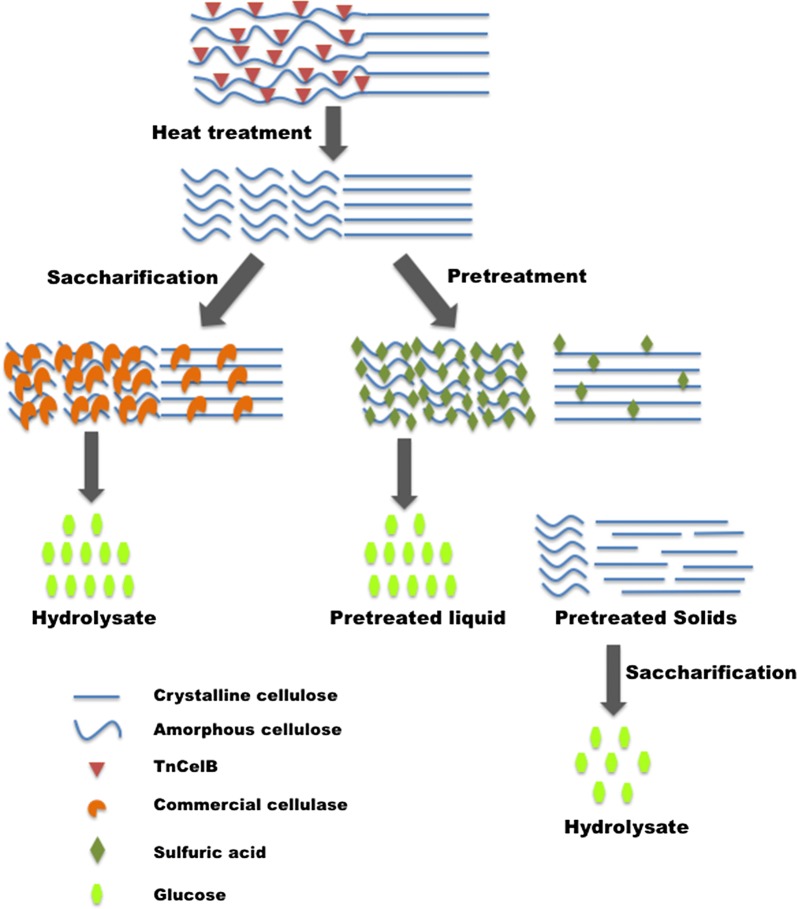
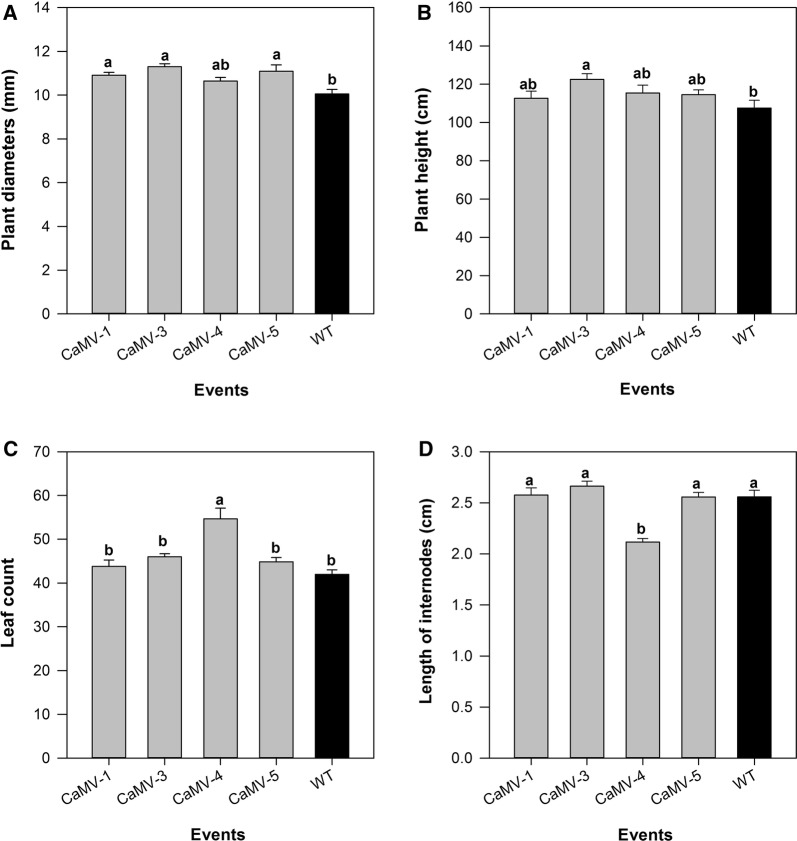
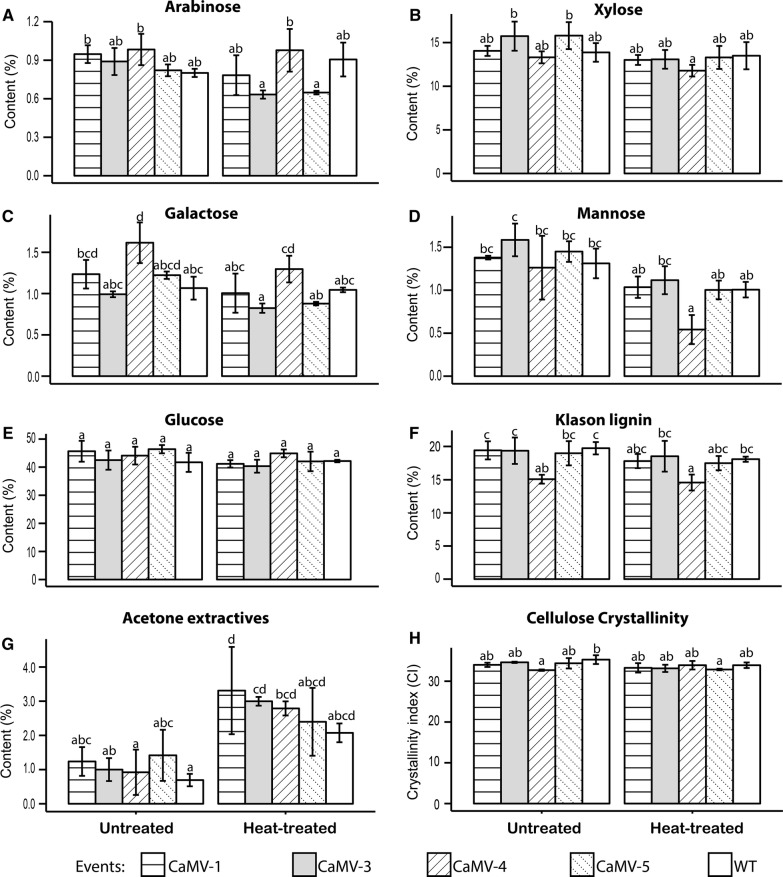
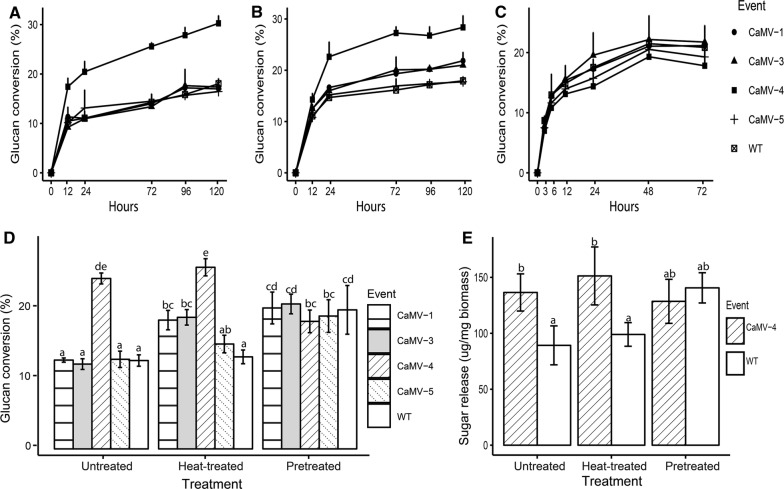
In this study, transgenic hybrid poplar (× ) was generated to express a hyperthermophilic endoglucanase from with an optimal temperature over 100 °C. Functional hyperthermoactive endoglucanase was successfully produced in the transgenic events, and altered phenotypic growth was observed in transgenic lines. Moreover, the line with the highest CelB expression in both leaf and developing xylem had reduced lignin content and cellulose crystallinity, resulting in a more digestible cell wall. The activation of CelB by a post-harvest heat treatment resulted in enhanced saccharification efficiencies of transgenic poplar lines with moderate CelB expression and without alteration of cellulose and lignin when not heat-treated. high-level overexpression of a hyperthermophilic endoglucanase paired with heat treatment following harvest, resulted in biomass that was comparable with wild-type lines that underwent a traditional pretreatment for saccharification.
Overexpression of hyperthermophilic endoglucanase in feedstock had impacts on plant growth and cell wall composition, especially when the enzyme was highly expressed. Improved glucan saccharification efficiencies from transgenic lines before and after heat treatment could reduce both the economic and environmental costs associated with ethanol production from lignocellulosic biomass.
有人提出在木质纤维素生物质中表达糖基水解酶是提高纤维素乙醇生产效率的一种替代方法。生产嗜热水解酶可以防止重组嗜温酶在植物宿主中表达时常见的有害影响。利用木质纤维素原料生产嗜热水解酶为乙醇生产带来了额外的好处,即转基因原料既可以作为酶的提供者,又可以作为纤维素底物。
在本研究中,培育出了转基因杂交杨树(× ),用于表达一种来自 的嗜热内切葡聚糖酶,其最适温度超过100°C。在转基因事件中成功产生了具有功能的嗜热活性内切葡聚糖酶,并且在转基因品系中观察到了表型生长的改变。此外,在叶片和发育中的木质部中CelB表达量最高的品系木质素含量和纤维素结晶度降低,从而使细胞壁更易于消化。收获后热处理激活CelB导致中度CelB表达的转基因杨树品系糖化效率提高,且未热处理时纤维素和木质素未发生改变。收获后热处理与嗜热内切葡聚糖酶的高水平过表达相结合,产生的生物质与经过传统糖化预处理的野生型品系相当。
在原料中过表达嗜热内切葡聚糖酶对植物生长和细胞壁组成有影响,特别是当该酶高表达时。热处理前后转基因品系葡聚糖糖化效率的提高可以降低与木质纤维素生物质生产乙醇相关的经济和环境成本。