Department of General Surgery, Nanfang Hospital, Southern Medical University, Guangzhou, China.
Department of Gastrointestinal Surgery, Guangdong Provincial Hospital of Traditional Chinese Medicine, Guangzhou, China.
Cell Death Dis. 2018 Aug 28;9(9):849. doi: 10.1038/s41419-018-0877-2.
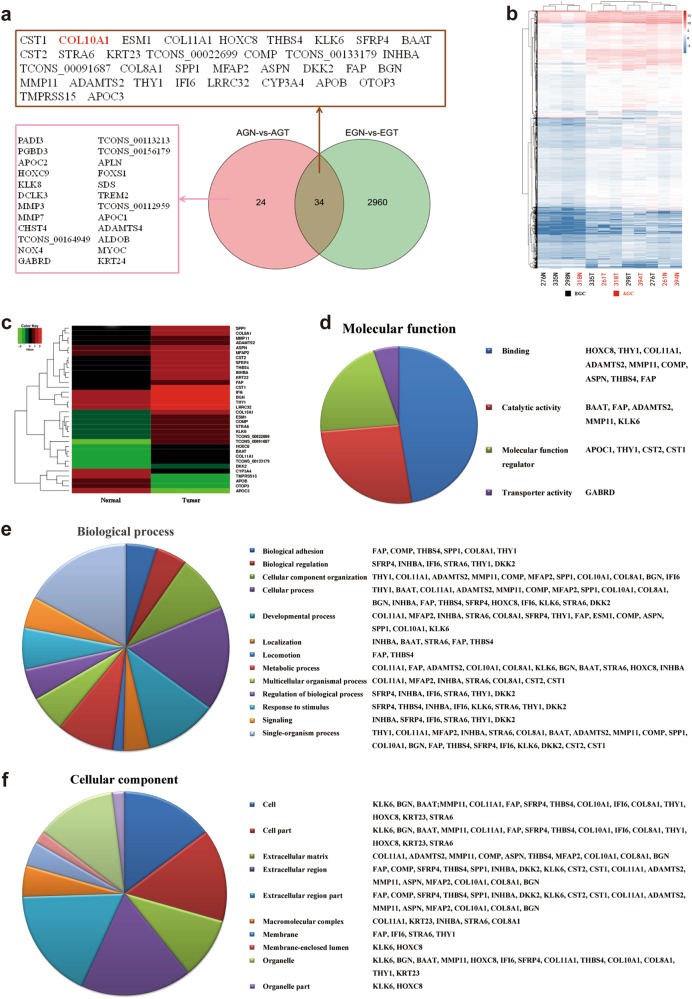
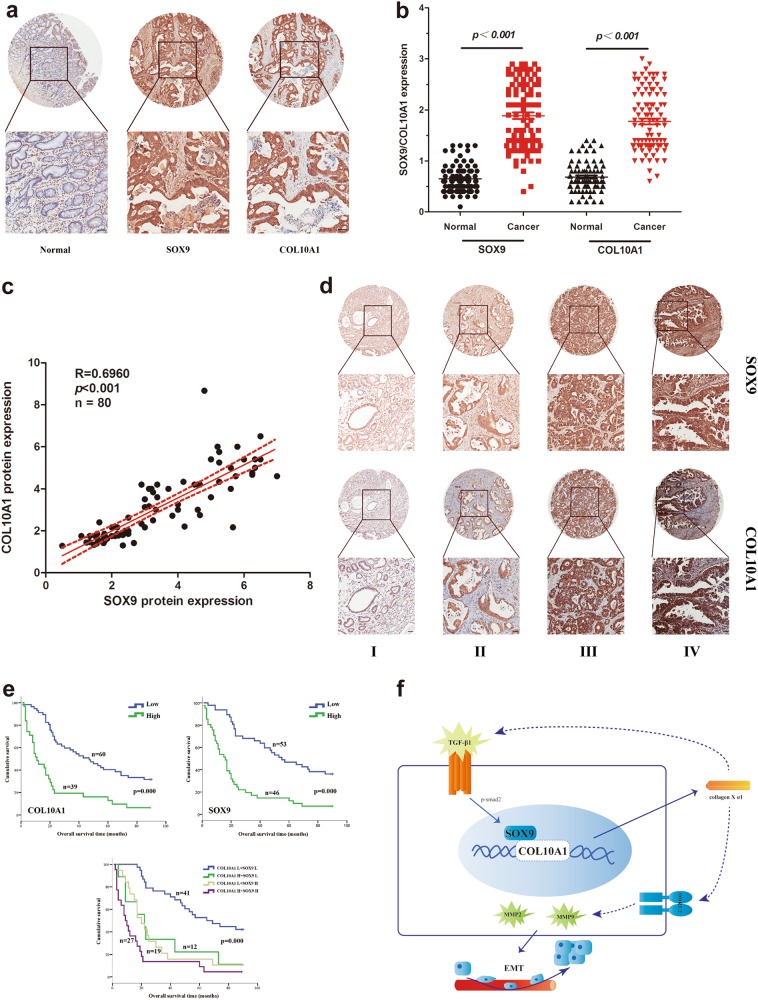
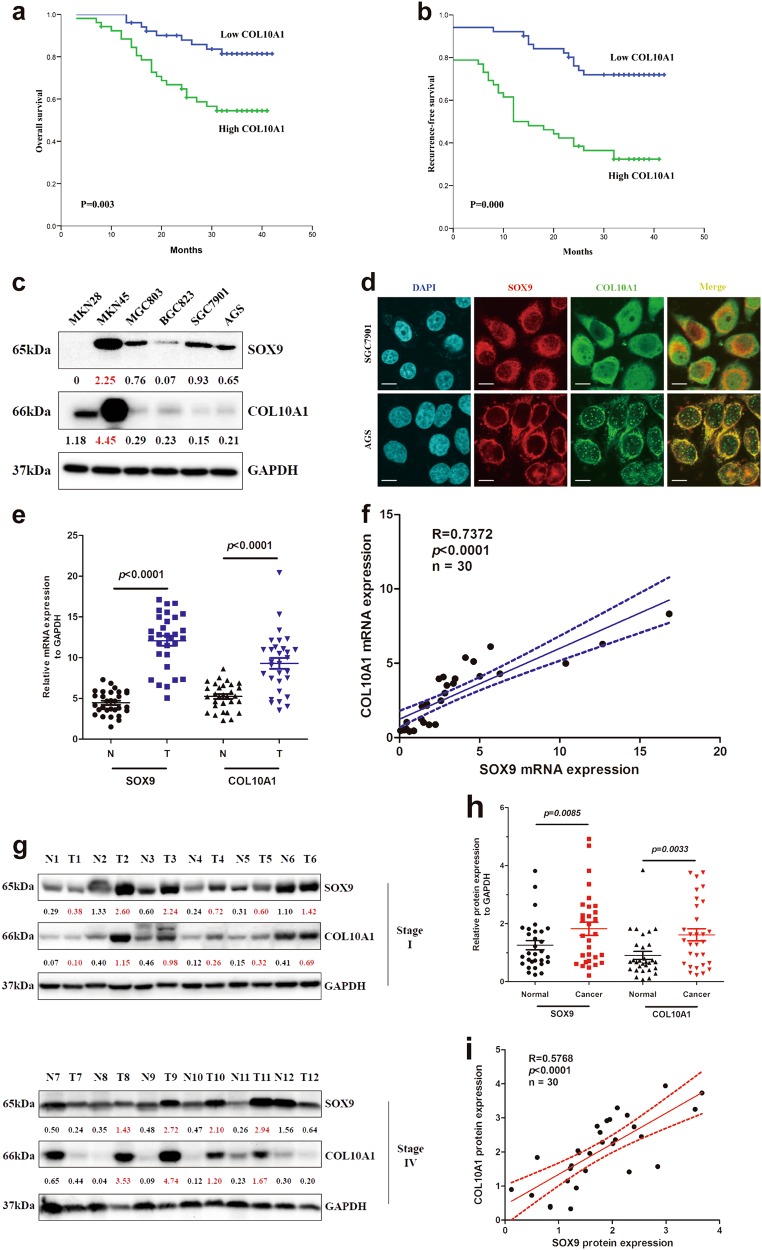
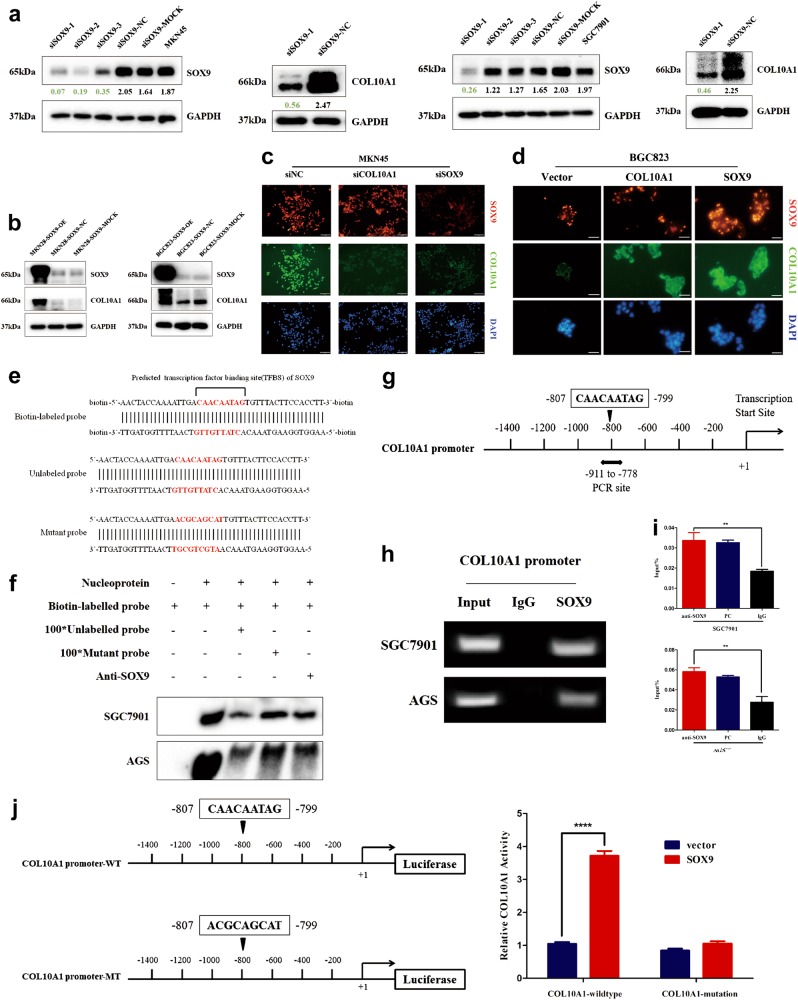
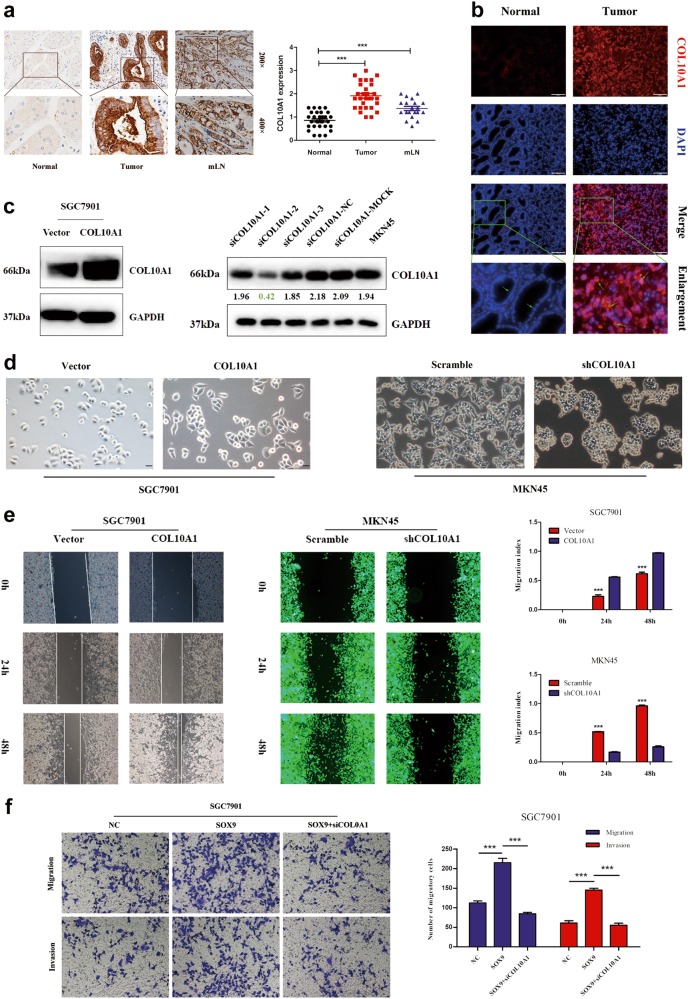
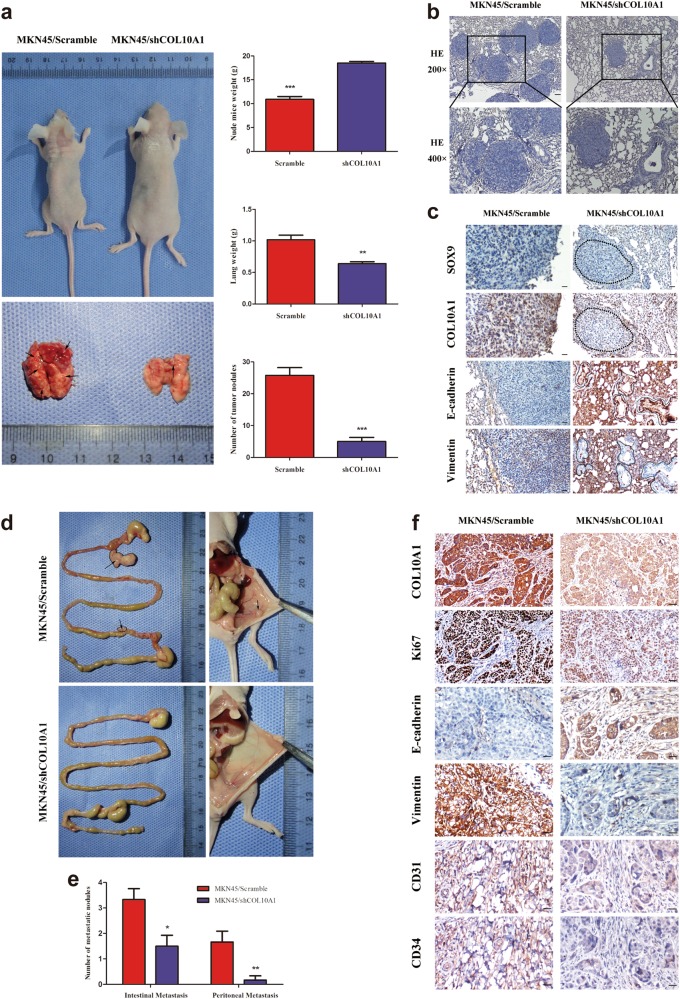
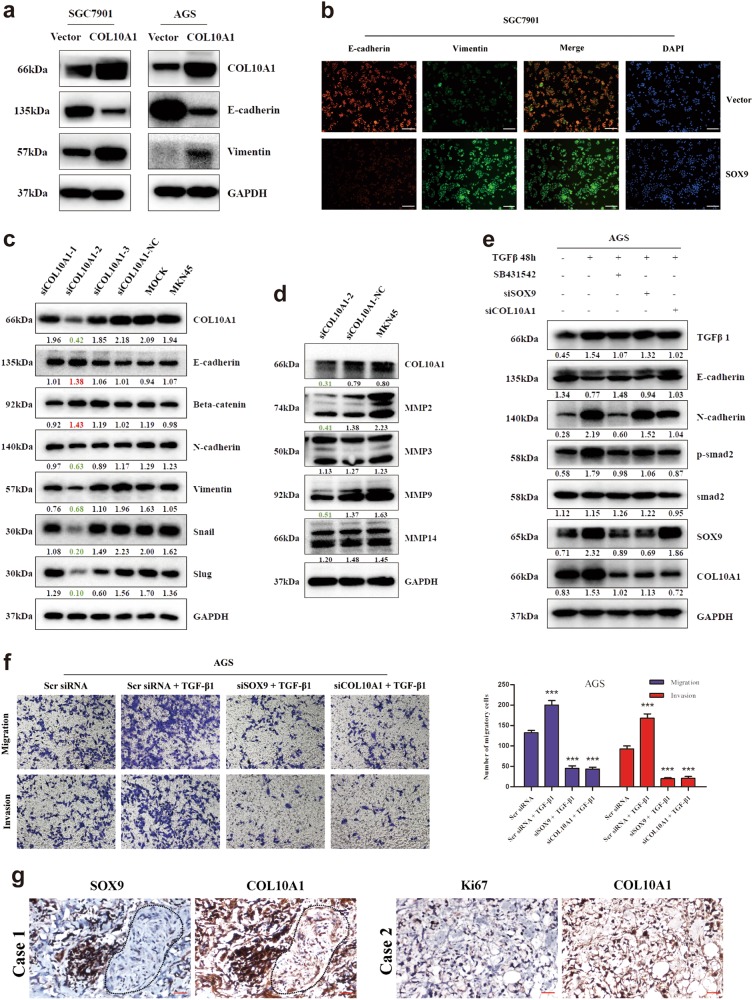
Molecular biomarkers that predict disease progression might promote drug development and therapeutic strategies in aggressive cancers, such as gastric cancer (GC). High-throughput mRNA sequencing (RNA-seq) revealed that collagen type X alpha 1 (COL10A1) is a disease progression-associated gene. Analysis of 103 GC patients showed that high COL10A1 mRNA expression was associated with GC metastasis and reduced survival. We analyzed the COL10A1 promoter using the UCSC genome website and JASPAR database, and we found potential SOX9 binding site. Here, we demonstrated that SOX9 and COL10A1 were both up-regulated in GC. We observed a positive correlation between the expression patterns of SOX9 and COL10A1 in GC cells and tissues. The results of electrophoretic mobility shift assay (EMSA), chromatin immunoprecipitation (ChIP) assay and promoter reporter indicated that SOX9 could directly bind to the COL10A1 gene promoter and activate its transcription. Biological function experiments showed that COL10A1 regulated the migration and invasion of GC cells. Knockdown COL10A1 inhibited lung and abdominal cavity metastasis in a nude mouse model. Moreover, transforming growth factor-β1 (TGF-β1) treatment up-regulated the phosphorylation of Smad2 and increased SOX9 and COL10A1 expression. COL10A1 was confirmed to be a potential inducer of epithelial-to-mesenchymal transition (EMT). SOX9 was essential for COL10A1-mediated EMT, and cell migration, invasion and metastasis. Co-expression of SOX9 and COL10A1 was associated with tumor progression and was strongly predictive of overall survival in GC patients. In summary, this study elucidated the mechanistic link between COL10A1 and the TGF-β1-SOX9 axis. These findings indicated that COL10A1 might play a crucial role in GC progression and serve as a potential biomarker and therapeutic target in GC patients.
预测疾病进展的分子生物标志物可能会促进药物开发和治疗策略在侵袭性癌症中,如胃癌 (GC)。高通量 mRNA 测序 (RNA-seq) 显示胶原 X 型 α 1 (COL10A1) 是一种与疾病进展相关的基因。对 103 例 GC 患者的分析表明,高 COL10A1 mRNA 表达与 GC 转移和生存降低有关。我们使用 UCSC 基因组网站和 JASPAR 数据库分析了 COL10A1 启动子,发现了潜在的 SOX9 结合位点。在这里,我们证明了 SOX9 和 COL10A1 在 GC 中均上调。我们观察到 GC 细胞和组织中 SOX9 和 COL10A1 的表达模式呈正相关。电泳迁移率变动分析 (EMSA)、染色质免疫沉淀 (ChIP) 分析和启动子报告表明,SOX9 可直接与 COL10A1 基因启动子结合并激活其转录。生物学功能实验表明,COL10A1 调节 GC 细胞的迁移和侵袭。COL10A1 敲低抑制裸鼠模型中的肺和腹腔转移。此外,转化生长因子-β1 (TGF-β1) 处理上调 Smad2 的磷酸化,并增加 SOX9 和 COL10A1 的表达。COL10A1 被证实是上皮间质转化 (EMT) 的潜在诱导剂。SOX9 是 COL10A1 介导的 EMT、细胞迁移、侵袭和转移所必需的。SOX9 和 COL10A1 的共表达与肿瘤进展相关,并强烈预测 GC 患者的总生存期。总之,这项研究阐明了 COL10A1 与 TGF-β1-SOX9 轴之间的机制联系。这些发现表明 COL10A1 可能在 GC 进展中发挥关键作用,并可作为 GC 患者的潜在生物标志物和治疗靶点。