Department of Molecular Biology and Biochemistry, Xinxiang Medical University, Xinxiang, Henan 453003, China.
Experimental Teaching Center of Biology and Basic Medicine, Sanquan College of Xinxiang Medical University, Xinxiang, Henan 453003, China.
Oxid Med Cell Longev. 2018 Aug 5;2018:4928703. doi: 10.1155/2018/4928703. eCollection 2018.
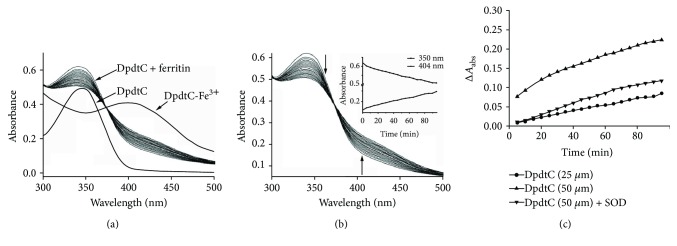
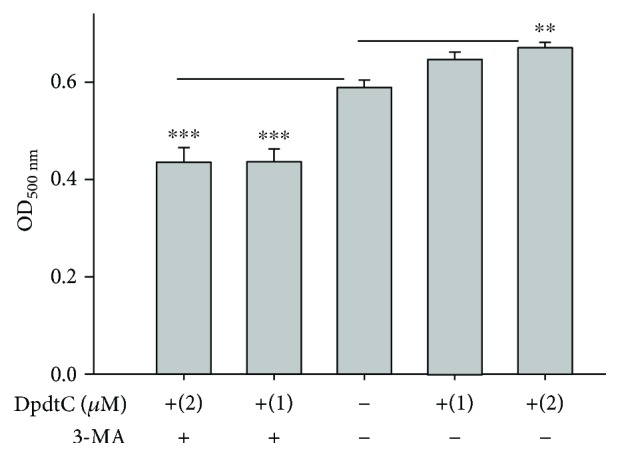
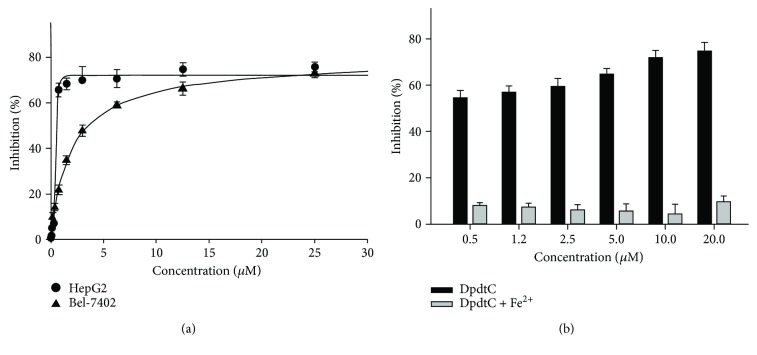
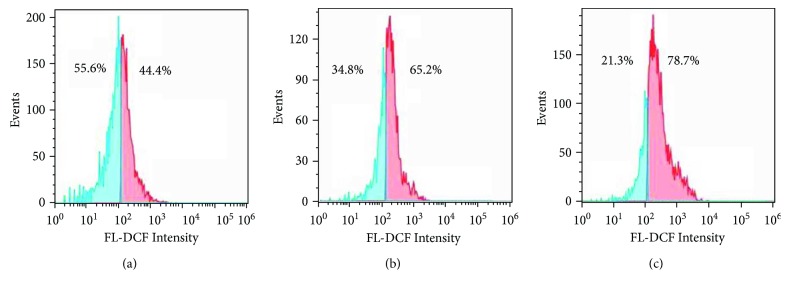
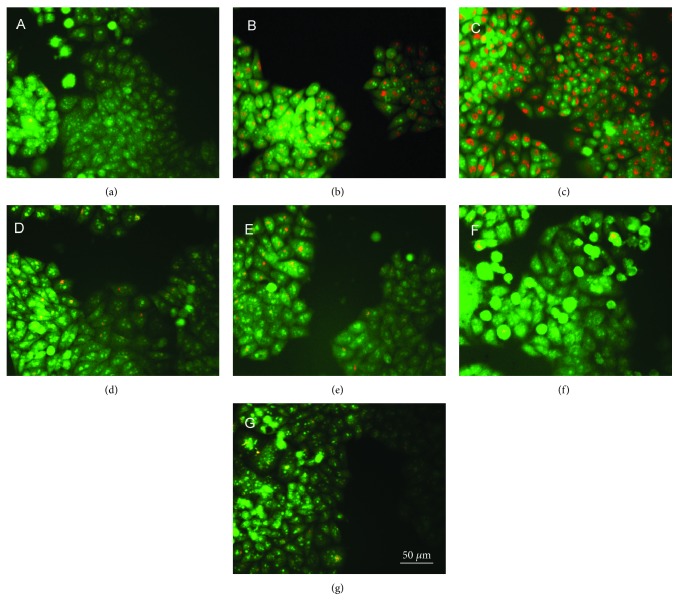
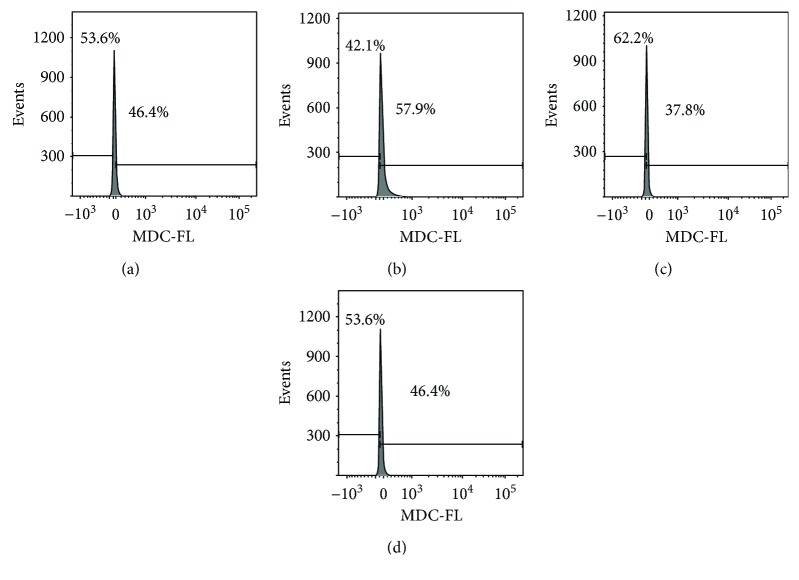
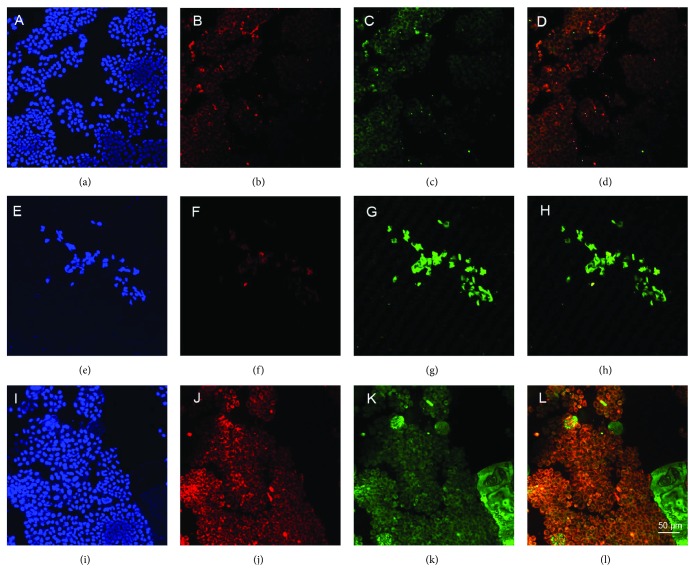
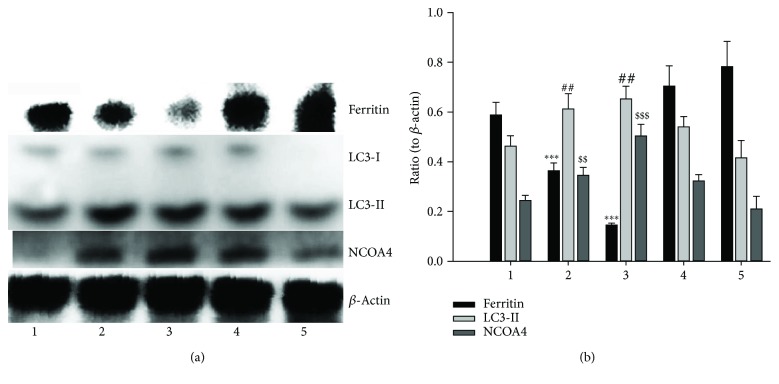
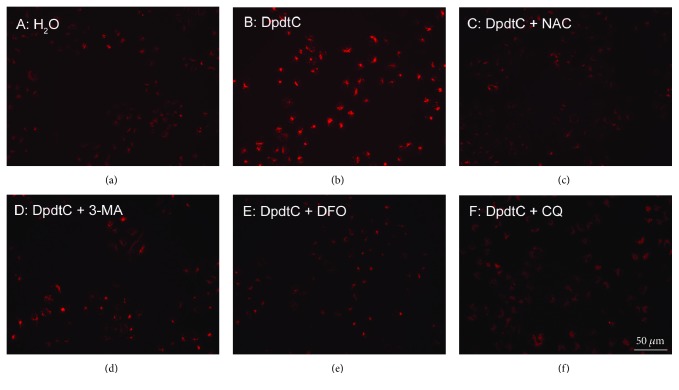
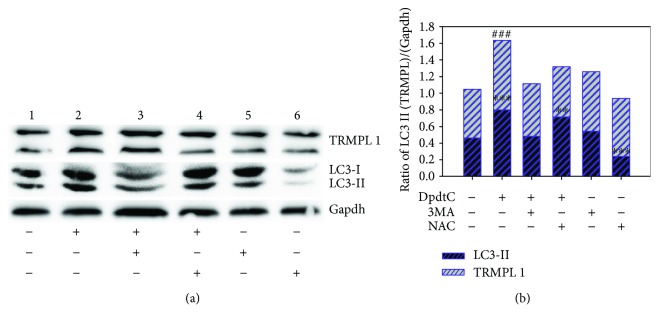
Some iron chelators display significant anticancer activity that may involve ferritin degradation either in proteasomes or in lysosomes, and the latter might involve ferritinophagy with a period. However, the correlation of ferritinophagy with anticancer activity of iron chelator was not fully determined. Revealing the underlying link therefore is required. Di-2-pyridylketone dithiocarbamate (DpdtC), a novel iron chelator, could mobilize iron from ferritin and displayed excellent antitumor against hepatoma carcinoma cell lines (IC = 0.4 ± 0.2 for HepG2 and 3.5 ± 0.3 M for Bel-7402, resp.); we speculated that the antiproliferative action of DpdtC might involve ferritinophagy. To this end, the alterations of ferritin, microtubule-associated protein light chain 3 (LC3-II), and nuclear receptor coactivator 4 (NCOA4) were investigated after exposure of DpdtC to the cells. The results revealed that DpdtC could cause increases of autophagic vacuoles and LC3-II. The data from cellular immunofluorescence and Western blotting showed a reciprocal relation between abundances of ferritin and LC3-II, but the trends of NCOA4 and LC3-II in abundance were in a similar manner, indicating that a ferritinophagy occurred. Further studies revealed that the ferritinophagy evoked an iron-driven intralysosomal oxidative reaction, resulting in LMP change and lipid peroxidation. Thus, a ferritinophagy-mediated lysosomal ROS generation playing a role in the antiproliferative action of DpdtC could be proposed, which will enrich our knowledge of iron chelator in cancer therapy.
一些铁螯合剂具有显著的抗癌活性,这种活性可能涉及到蛋白酶体或溶酶体中铁蛋白的降解,而后者可能涉及到铁蛋白自噬,并且具有一定的周期性。然而,铁蛋白自噬与铁螯合剂抗癌活性之间的相关性尚未完全确定。因此,需要揭示其潜在的联系。二吡啶酮二硫代氨基甲酸盐(DpdtC)是一种新型的铁螯合剂,能够从铁蛋白中动员铁,并对肝癌细胞系显示出优异的抗肿瘤活性(对 HepG2 的 IC = 0.4 ± 0.2,对 Bel-7402 的 IC = 3.5 ± 0.3μM);我们推测 DpdtC 的抗增殖作用可能涉及铁蛋白自噬。为此,在将 DpdtC 暴露于细胞后,研究了铁蛋白、微管相关蛋白轻链 3(LC3-II)和核受体共激活因子 4(NCOA4)的变化。结果表明,DpdtC 可以引起自噬小泡和 LC3-II 的增加。细胞免疫荧光和 Western blot 数据显示,铁蛋白和 LC3-II 的丰度呈反向关系,但 NCOA4 和 LC3-II 的丰度趋势相似,表明发生了铁蛋白自噬。进一步的研究表明,铁蛋白自噬引发了铁驱动的溶酶体氧化反应,导致 LMP 变化和脂质过氧化。因此,可以提出铁蛋白自噬介导的溶酶体 ROS 产生在 DpdtC 的抗增殖作用中起作用,这将丰富我们对癌症治疗中铁螯合剂的认识。