Farkas Enikő, Srankó Dávid, Kerner Zsolt, Setner Bartosz, Szewczuk Zbigniew, Malinka Wiesław, Horvath Robert, Szyrwiel Łukasz, Pap József S
Nanobiosensorics Group , MTA Centre for Energy Research - MFA , H-1121 Budapest , Hungary . Email:
Doctoral School of Molecular- and Nanotechnologies , Faculty of Information Technology , University of Pannonia , Egyetem u. 10 , H-8200 Veszprém , Hungary.
Chem Sci. 2016 Aug 1;7(8):5249-5259. doi: 10.1039/c6sc00595k. Epub 2016 Apr 21.
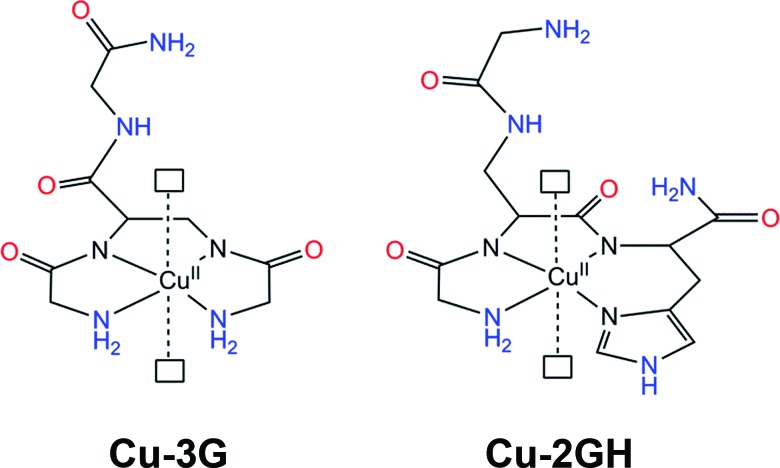
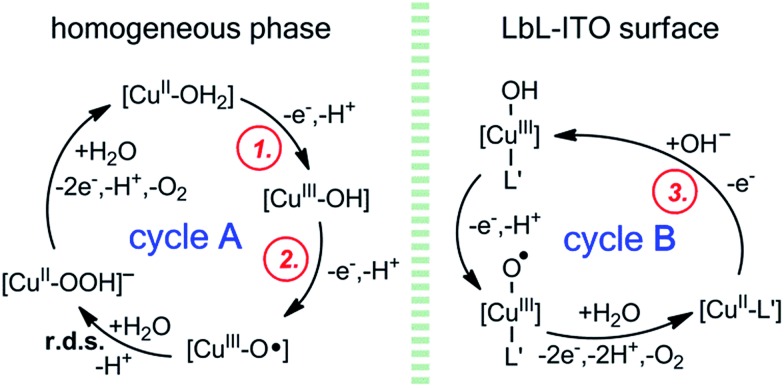
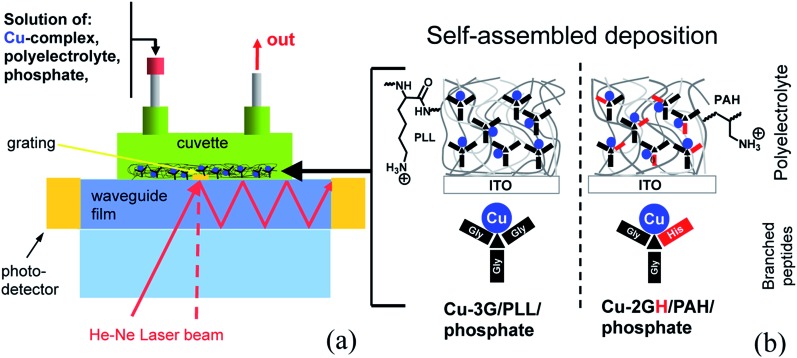
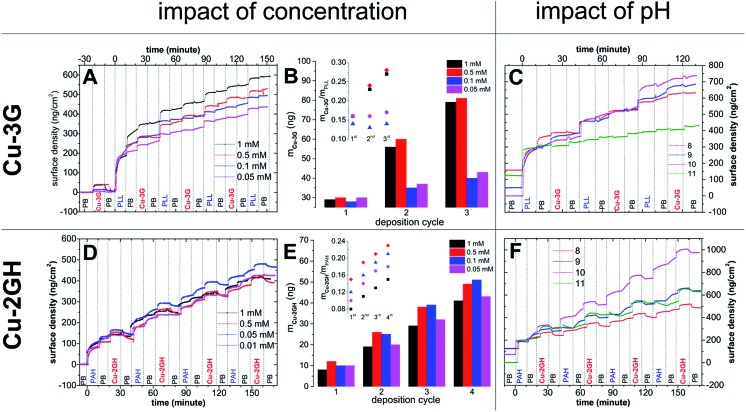
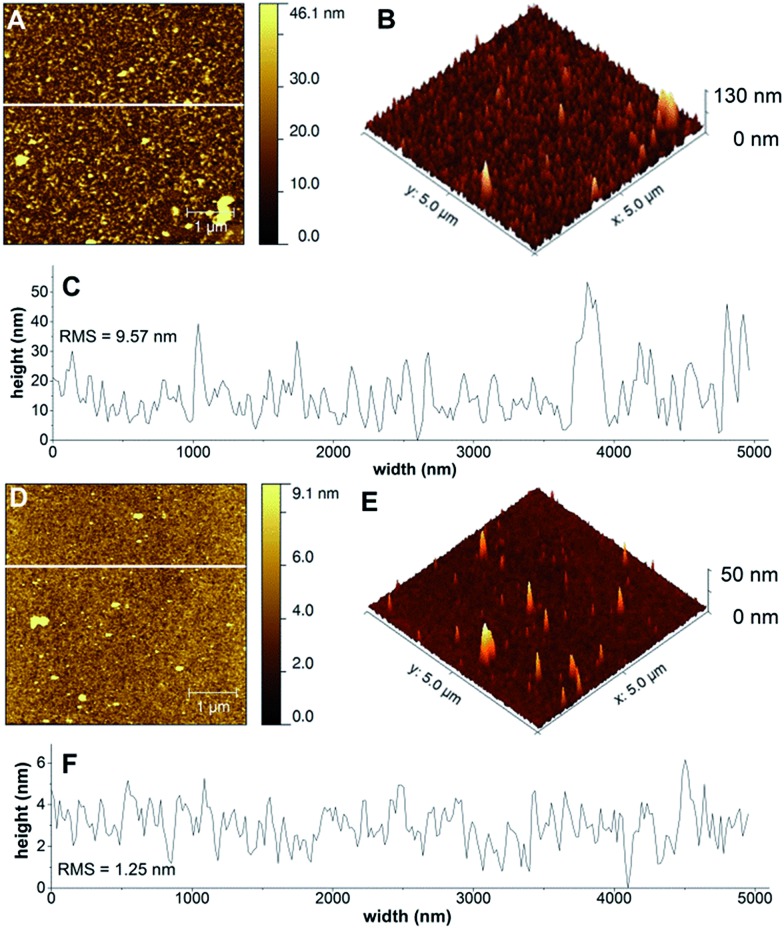
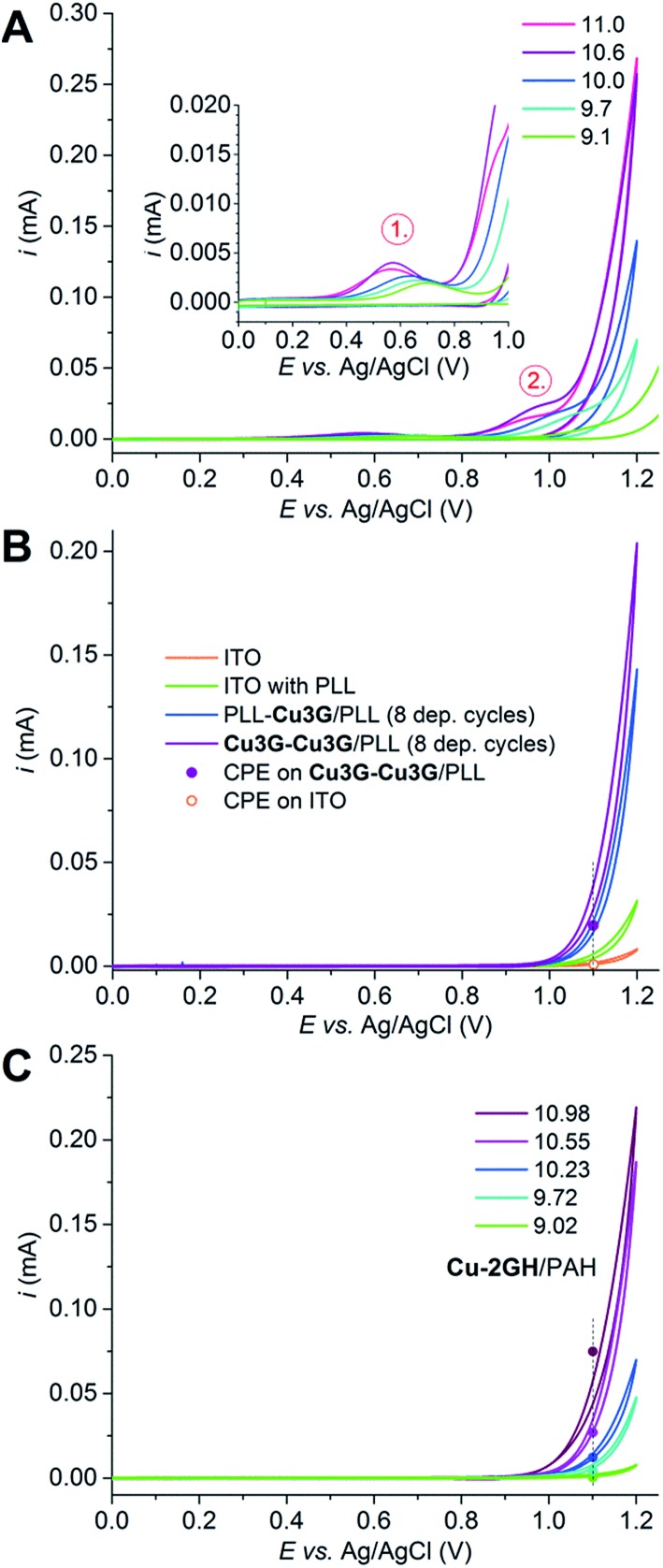
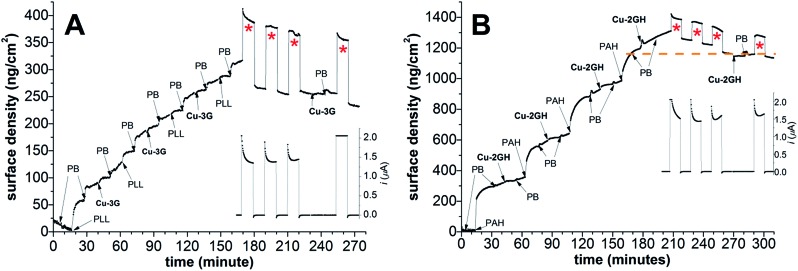
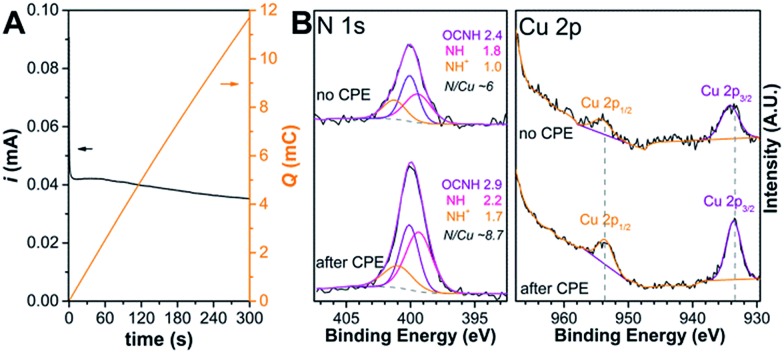
This work demonstrates the heterogenization of homogeneous water oxidation electrocatalysts in surface coatings produced by combining the substances with a suitable polyelectrolyte. The electrocatalysts Cu(ii)-branched peptide complexes involving a 2,3-l-diaminopropionic acid junction unit are heterogenized by building composite layers on indium-tin-oxide (ITO) electrode surface. Alternating deposition of the peptide complexes and poly(l-lysine) or poly(allylamine hydrochloride) were carried out in the presence of phosphate in a pH range of 7.5-10.5. Discussion of the results is divided to (1) characteristics of composite layer buildup and (2) electrocatalytic water oxidation and accompanying changes of these layers. For (1), optical waveguide lightmode spectroscopy (OWLS) has been applied to reveal the layer-by-layer formation of a Cu-ligand/polyelectrolyte/phosphate coating. The fabricated structures had a nanoporous topography (atomic force microscopy). As for (2), electrochemistry employing coated ITO substrates indicated improved water oxidation electrocatalysis neat ITO and dependence of this improvement on the presence or absence of a histidine ligand in the deposited Cu(ii)-complexes equally, as observed in homogeneous systems. Electrochemical OWLS revealed changes in the coatings , upon alternating positive-zero-positive polarization: after some initial loss of the coating mass steady-state electrolysis was sustained by a compact and stable layer. According to X-ray photoelectron spectroscopy Cu remains in an N-donor ligand environment after electrolysis.
这项工作展示了通过将物质与合适的聚电解质结合,在表面涂层中实现均相水氧化电催化剂的多相化。涉及2,3 - l -二氨基丙酸连接单元的Cu(ii) -支链肽配合物电催化剂,通过在氧化铟锡(ITO)电极表面构建复合层实现多相化。在pH值为7.5 - 10.5的磷酸盐存在下,交替沉积肽配合物和聚(l -赖氨酸)或聚(烯丙胺盐酸盐)。结果讨论分为两部分:(1)复合层形成的特征;(2)电催化水氧化以及这些层伴随的变化。对于(1),采用光波导电模光谱(OWLS)来揭示Cu -配体/聚电解质/磷酸盐涂层的逐层形成。制备的结构具有纳米多孔形貌(原子力显微镜)。至于(2),使用涂覆ITO基底的电化学表明,与均相体系中观察到的情况一样,涂覆的ITO对水氧化电催化有改善,且这种改善同样取决于沉积的Cu(ii) -配合物中组氨酸配体的存在与否。电化学OWLS揭示了在正负正交替极化时涂层的变化:在涂层质量最初有一些损失之后,稳态电解由致密且稳定的层维持。根据X射线光电子能谱,电解后Cu仍处于N -供体配体环境中。