Doctoral School of Molecular and Nanotechnologies, Faculty of Information Technology, University of Pannonia, H-8200 Egyetem u. 10, Veszprém, Hungary.
Nanobiosensorics Group, Hungarian Academy of Sciences, Research Centre for Natural Sciences, Institute for Technical Physics and Materials Science, Konkoly-Thege u, 29-33, H-1120 Budapest, Hungary.
Sci Rep. 2017 Feb 10;7:42220. doi: 10.1038/srep42220.
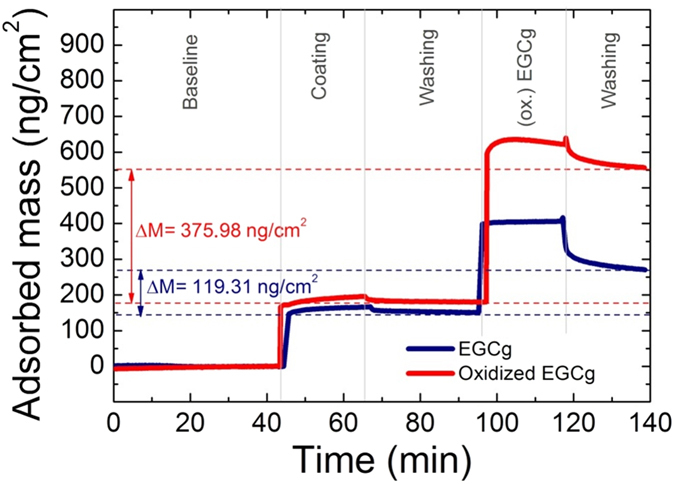
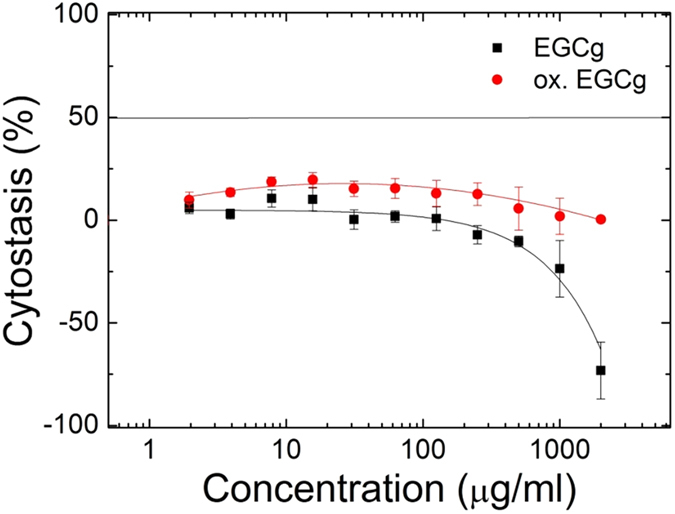
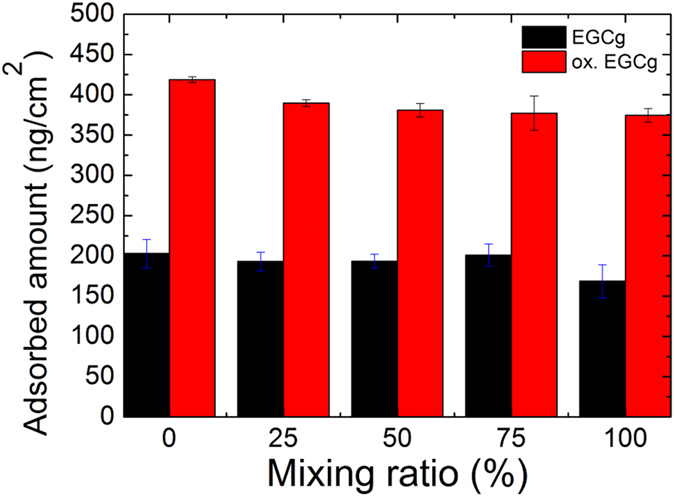
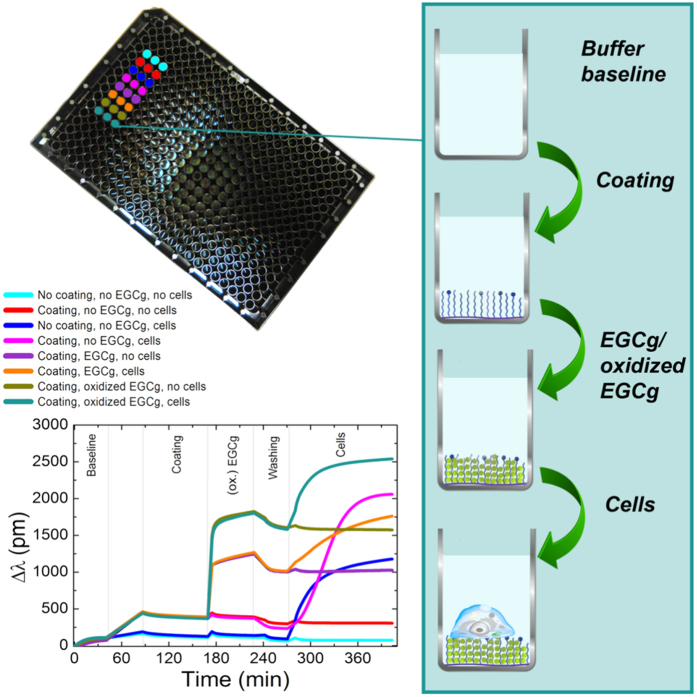
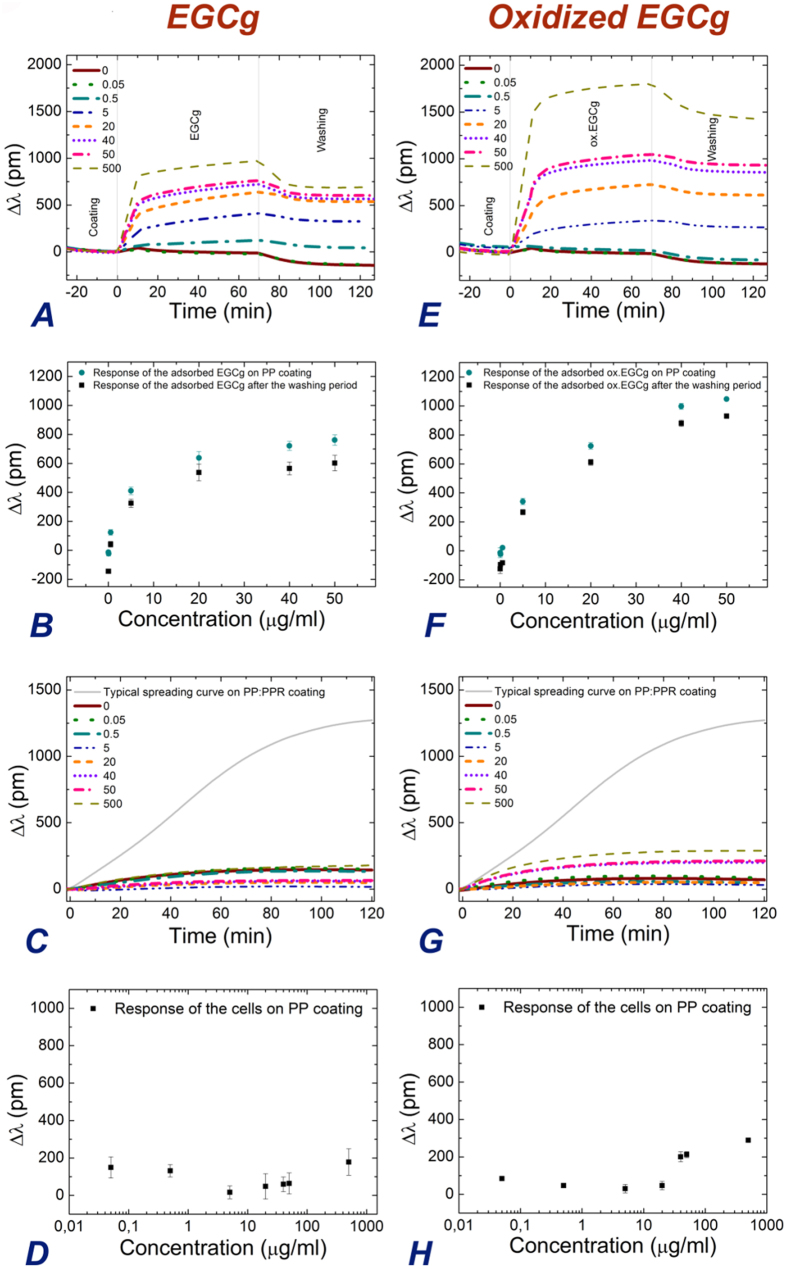
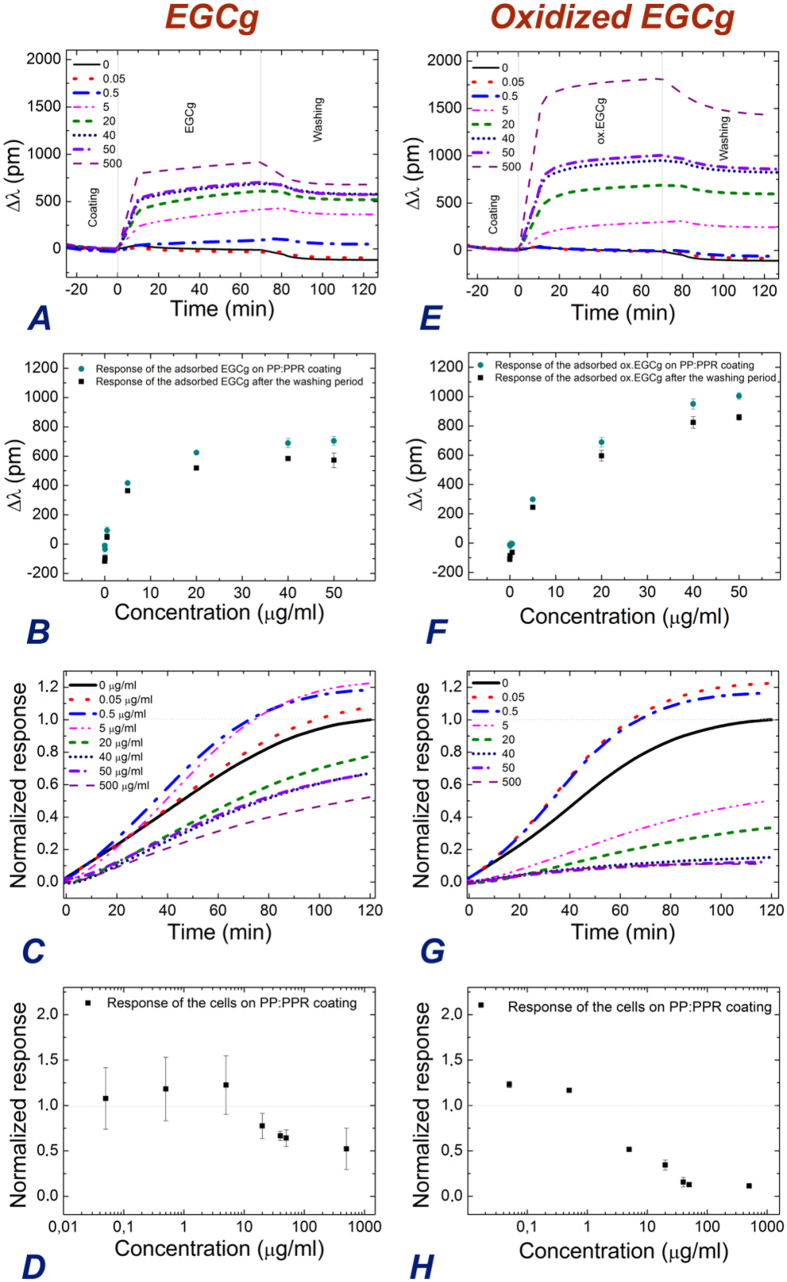
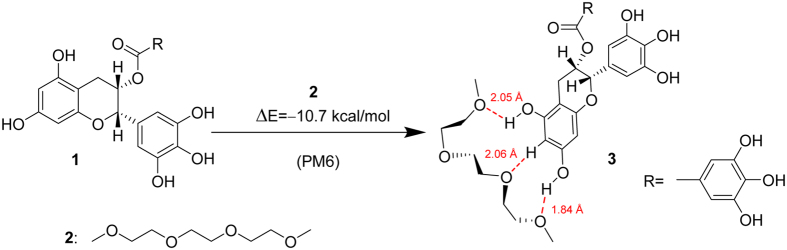
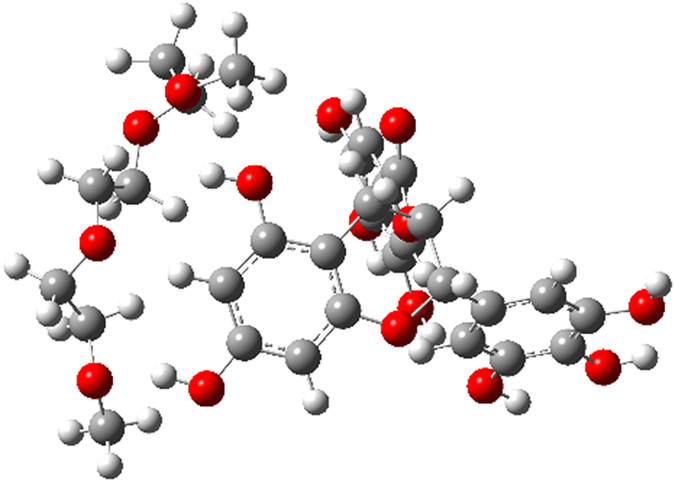
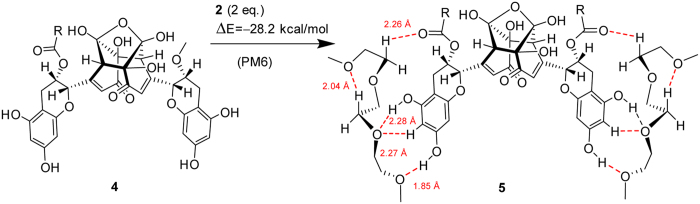
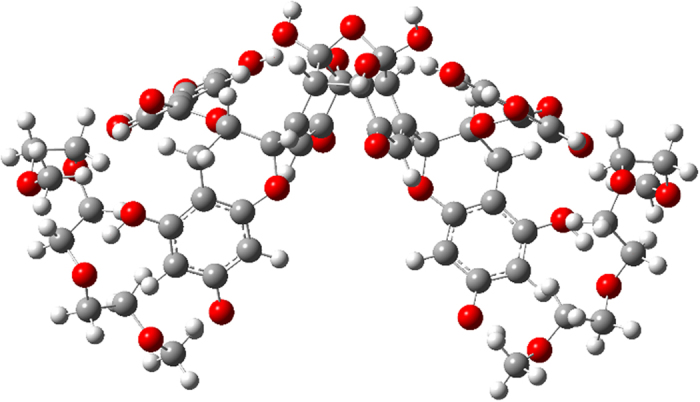
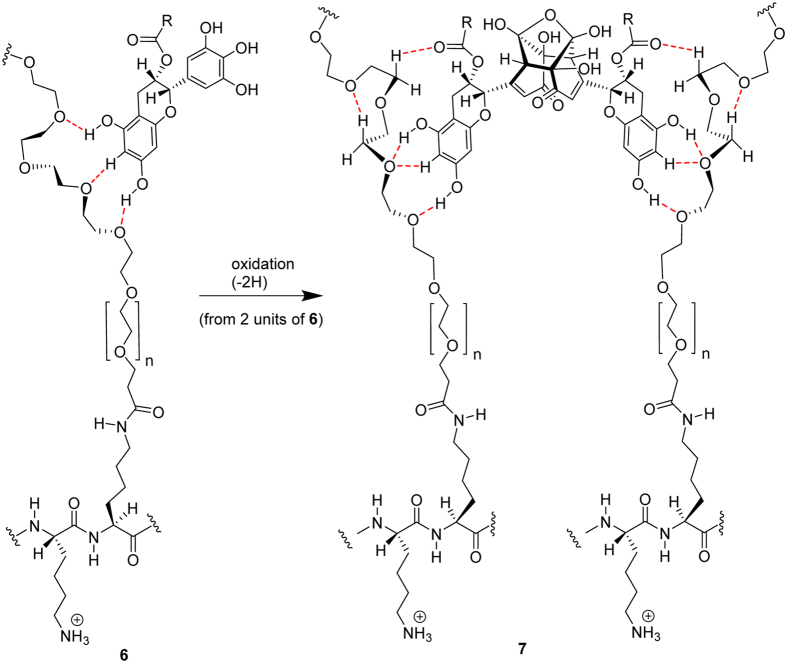
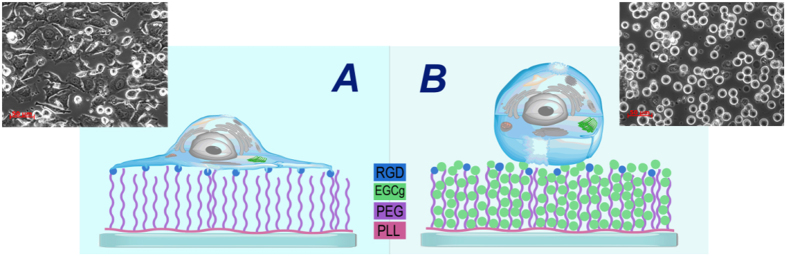
The interaction of the anti-adhesive coating, poly(L-lysine)-graft-poly(ethylene glycol) (PLL-g-PEG) and its Arg-Gly-Asp (RGD) functionalized form, PLL-g-PEG-RGD, with the green tea polyphenol, epigallocatechin-gallate (EGCg) was in situ monitored. After, the kinetics of cellular adhesion on the EGCg exposed coatings were recorded in real-time. The employed plate-based waveguide biosensor is applicable to monitor small molecule binding and sensitive to sub-nanometer scale changes in cell membrane position and cell mass distribution; while detecting the signals of thousands of adhering cells. The combination of this remarkable sensitivity and throughput opens up new avenues in testing complicated models of cell-surface interactions. The systematic studies revealed that, despite the reported excellent antifouling properties of the coatings, EGCg strongly interacted with them, and affected their cell adhesivity in a concentration dependent manner. Moreover, the differences between the effects of the fresh and oxidized EGCg solutions were first demonstrated. Using a semiempirical quantumchemical method we showed that EGCg binds to the PEG chains of PLL-g-PEG-RGD and effectively blocks the RGD sites by hydrogen bonds. The calculations supported the experimental finding that the binding is stronger for the oxidative products. Our work lead to a new model of polyphenol action on cell adhesion ligand accessibility and matrix rigidity.
抗粘连涂层聚(L-赖氨酸)-接枝-聚乙二醇(PLL-g-PEG)及其 Arg-Gly-Asp(RGD)功能化形式 PLL-g-PEG-RGD 与绿茶多酚表没食子儿茶素没食子酸酯(EGCg)的相互作用被原位监测。之后,实时记录了暴露于 EGCg 的涂层上细胞黏附的动力学。所采用的基于平板的波导生物传感器适用于监测小分子结合,并且对细胞膜位置和细胞质量分布的亚纳米级变化敏感;同时检测数千个黏附细胞的信号。这种显著的灵敏度和高通量的结合为测试复杂的细胞表面相互作用模型开辟了新途径。系统研究表明,尽管涂层具有报道的出色的抗污性能,但 EGCg 与它们强烈相互作用,并以浓度依赖的方式影响其细胞黏附性。此外,首次证明了新鲜和氧化的 EGCg 溶液的影响之间的差异。使用半经验量子化学方法,我们表明 EGCg 结合到 PLL-g-PEG-RGD 的 PEG 链上,并通过氢键有效地阻断 RGD 位点。计算结果支持了实验结果,即氧化产物的结合更强。我们的工作导致了多酚对细胞黏附配体可及性和基质刚性的作用的新模型。