Escuela Superior Politécnica del Litoral, ESPOL, Centro Nacional de Acuicultura e Investigaciones Marinas, CENAIM, Campus Gustavo Galindo Km 30.5 Vía Perimetral, P.O. Box 09-01-5863, Guayaquil, Ecuador.
Department of Biological Sciences, Universidad de los Andes, Bogotá, Colombia.
Sci Rep. 2018 Aug 30;8(1):13080. doi: 10.1038/s41598-018-30903-x.
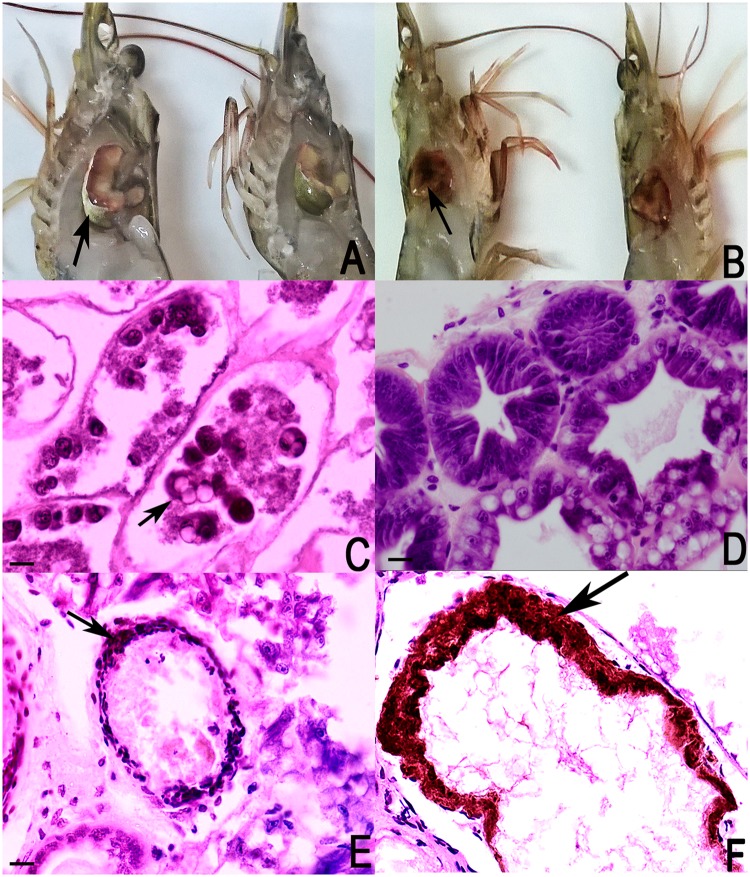
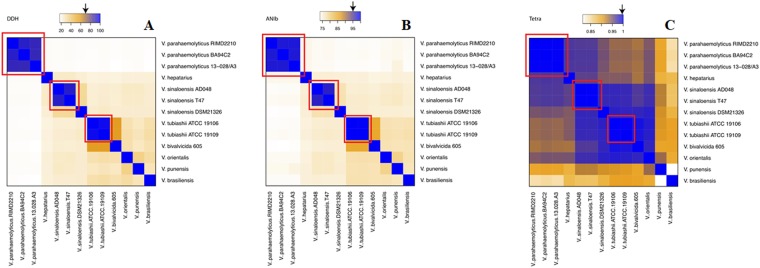
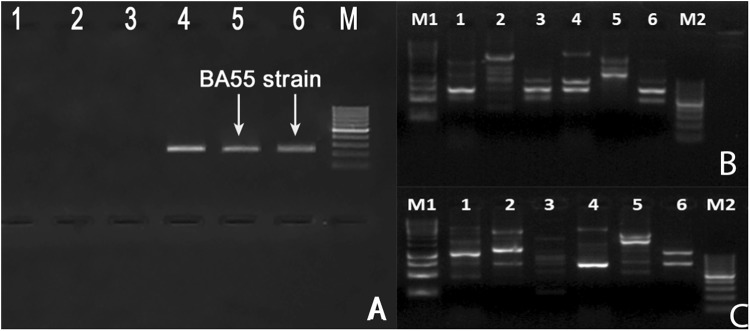
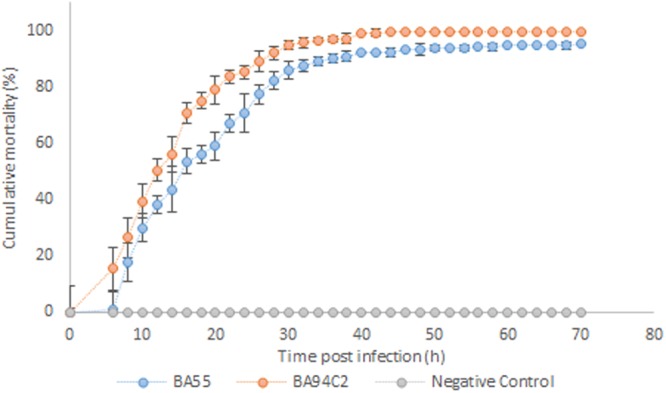
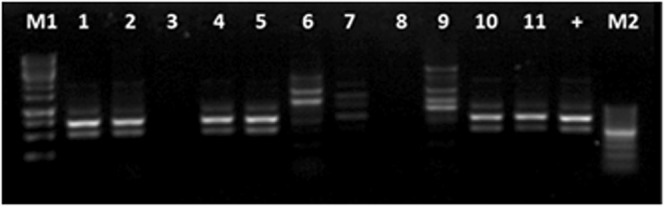
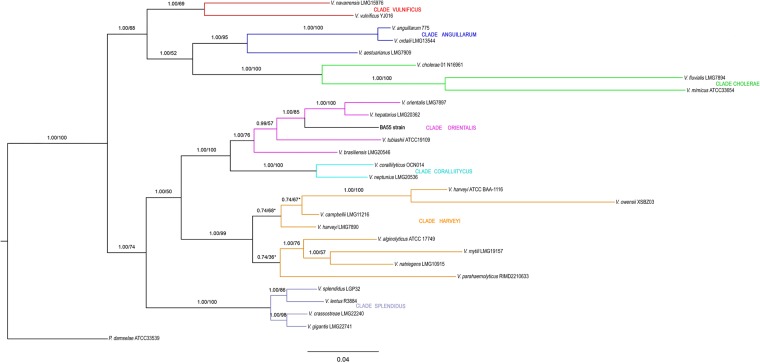
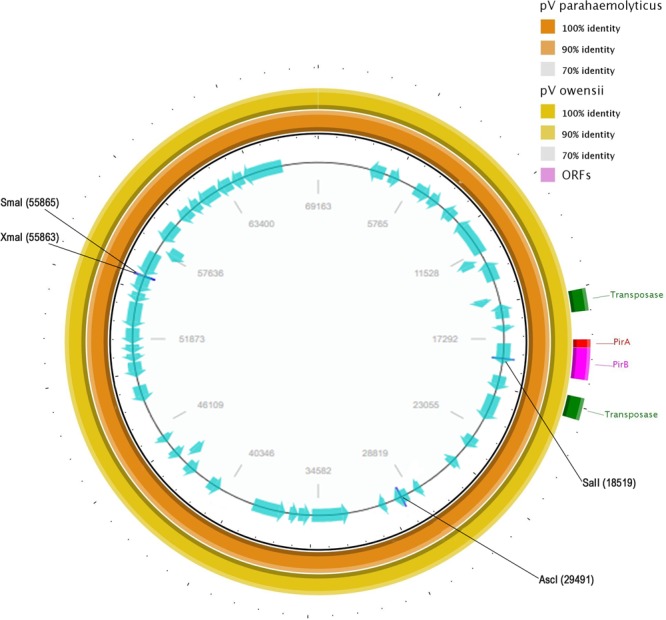
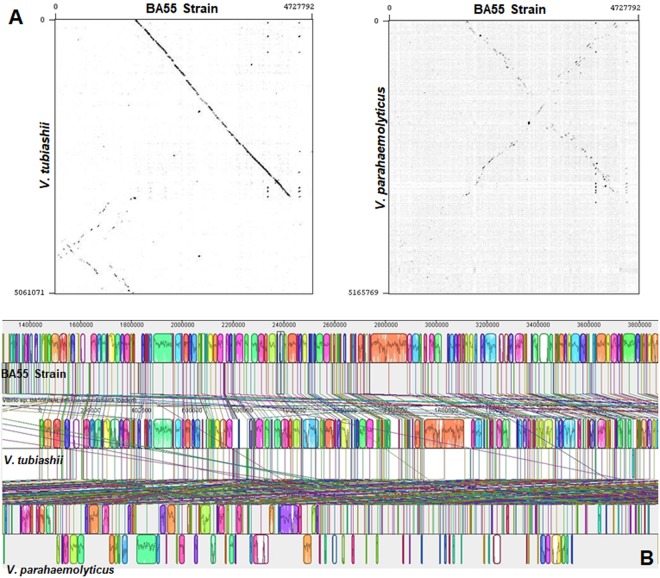
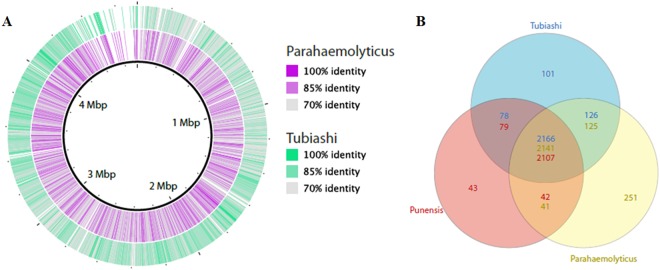
Acute hepatopancreatic necrosis disease (AHPND) has extended rapidly, causing alarming shrimp mortalities. Initially, the only known causative agent was Vibrio parahaemolyticus carrying a plasmid coding for the mortal toxins Pir. Recently, it has been found that the plasmid and hence the disease, could be transferred among members of the Harveyi clade. The current study performs a genomic characterization of an isolate capable of developing AHPND in shrimp. Mortality studies and molecular and histopathological analyses showed the infection capacity of the strain. Multilocus sequence analysis placed the bacteria as a member of the Orientalis clade, well known for containing commensal and even probiotic bacteria used in the shrimp industry. Further whole genome comparative analyses, including Vibrio species from the Orientalis clade, and phylogenomic metrics (TETRA, ANI and DDH) showed that the isolate belongs to a previously unidentified species, now named Vibrio punensis sp. nov. strain BA55. Our findings show that the gene transfer capacity of Vibrio species goes beyond the clade classification, demonstrating a new pathogenic capacity to a previously known commensal clade. The presence of these genes in a different Vibrio clade may contribute to the knowledge of the Vibrio pathogenesis and has major implications for the spread of emerging diseases.
急性肝胰腺坏死病 (AHPND) 迅速蔓延,导致虾类大量死亡。最初,唯一已知的病原体是携带编码致命毒素 Pir 的质粒的副溶血弧菌。最近,人们发现质粒和疾病可以在 Harveyi 分支的成员之间转移。本研究对能够在虾中引发 AHPND 的分离株进行了基因组特征分析。死亡率研究以及分子和组织病理学分析表明了该菌株的感染能力。多位点序列分析将细菌归类为 Orientalis 分支的成员,该分支包含用于虾类养殖的共生菌甚至益生菌。进一步的全基因组比较分析,包括来自 Orientalis 分支的副溶血弧菌物种,以及系统发育基因组学指标 (TETRA、ANI 和 DDH) 表明,该分离株属于一种以前未识别的物种,现命名为 Vibrio punensis sp. nov. strain BA55。我们的研究结果表明,副溶血弧菌的基因转移能力超出了分支分类,证明了一个以前已知的共生分支具有新的致病能力。这些基因在不同的副溶血弧菌分支中的存在可能有助于了解副溶血弧菌的发病机制,并对新兴疾病的传播产生重大影响。