Libisch M Gabriela, Faral-Tello Paula, Garg Nisha J, Radi Rafael, Piacenza Lucía, Robello Carlos
Laboratory of Host-Pathogen Interactions-UBM, Institut Pasteur de Montevideo, Montevideo, Uruguay.
Department of Microbiology and Immunology, The University of Texas Medical Branch, Galveston, TX, United States.
Front Microbiol. 2018 Aug 16;9:1889. doi: 10.3389/fmicb.2018.01889. eCollection 2018.
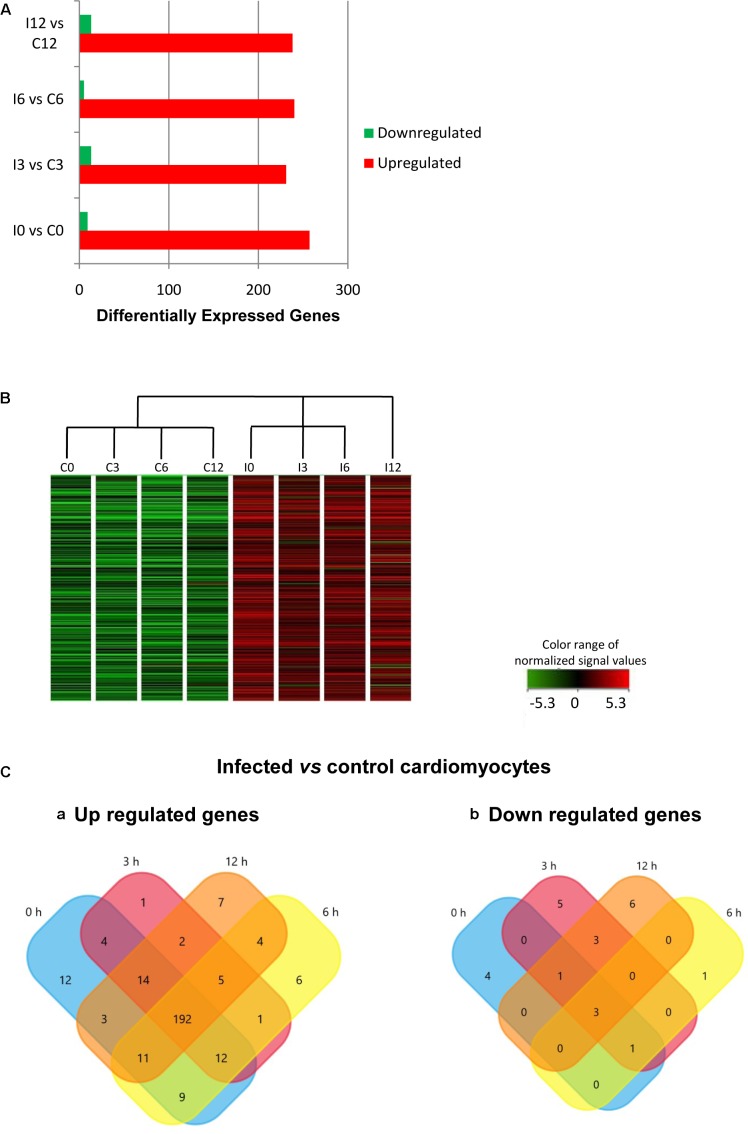
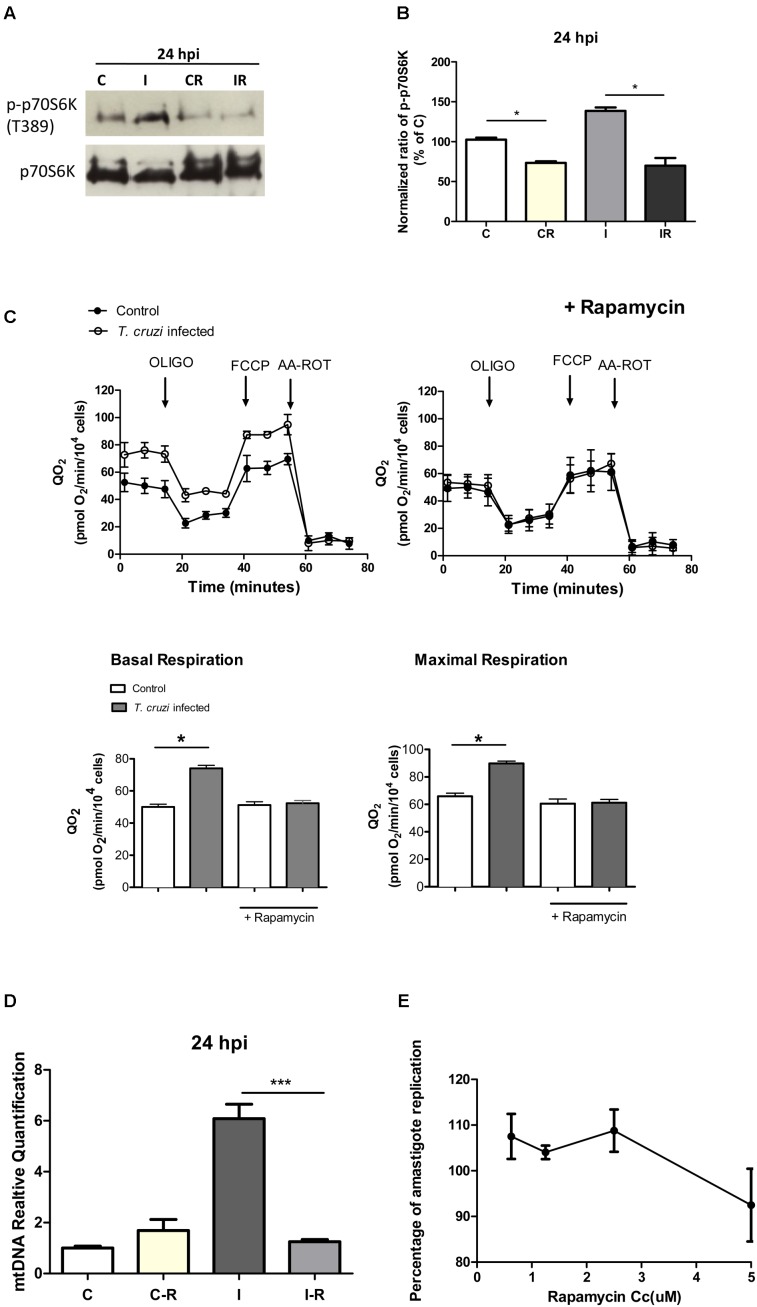
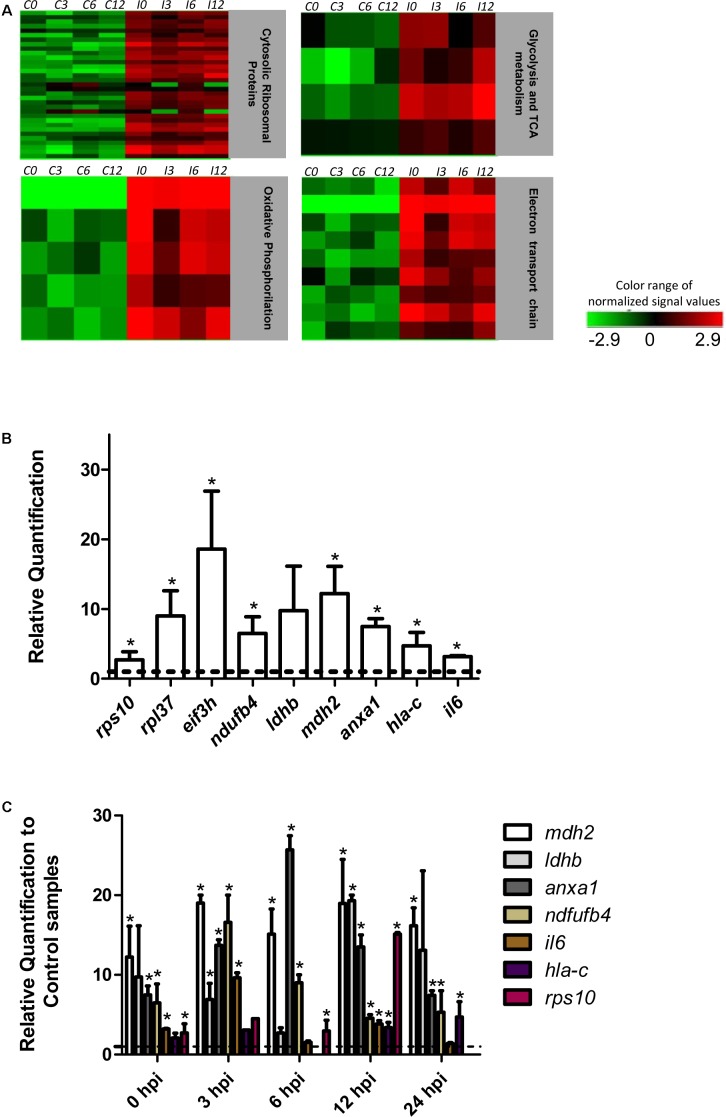
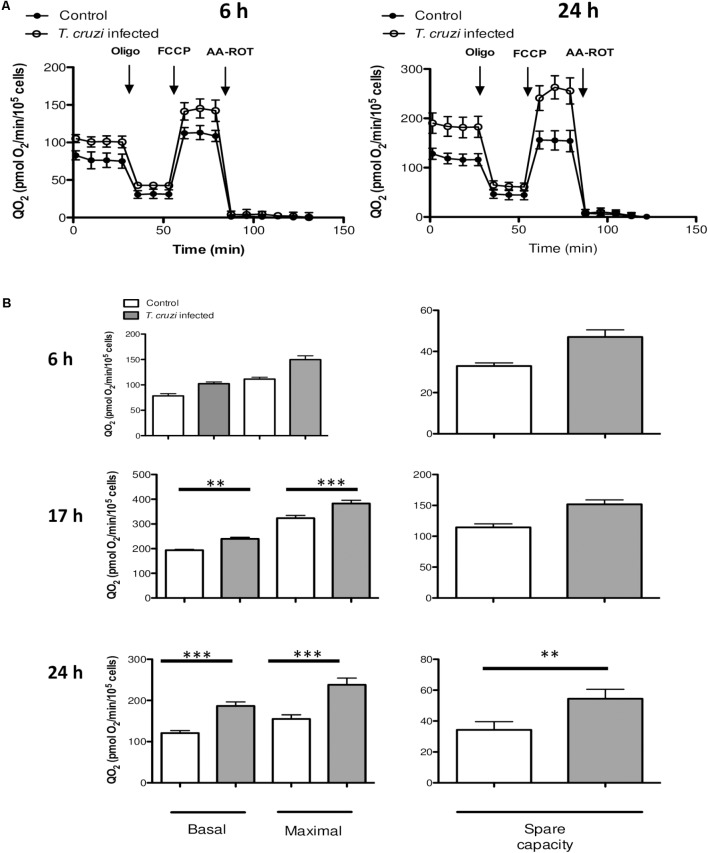
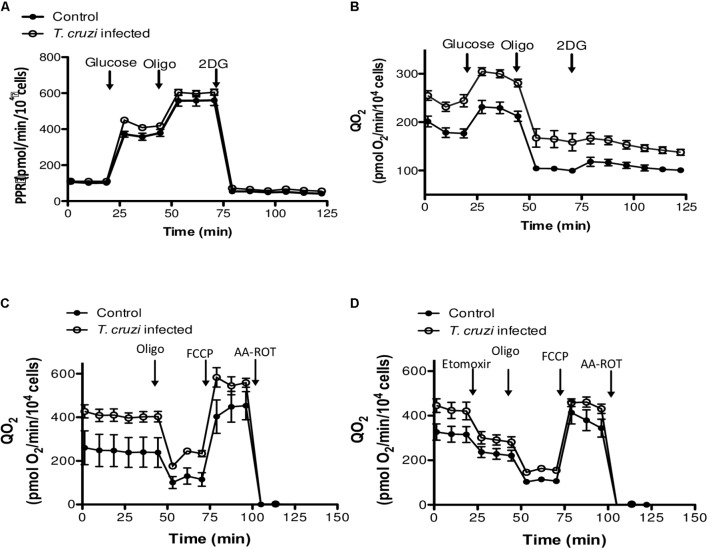
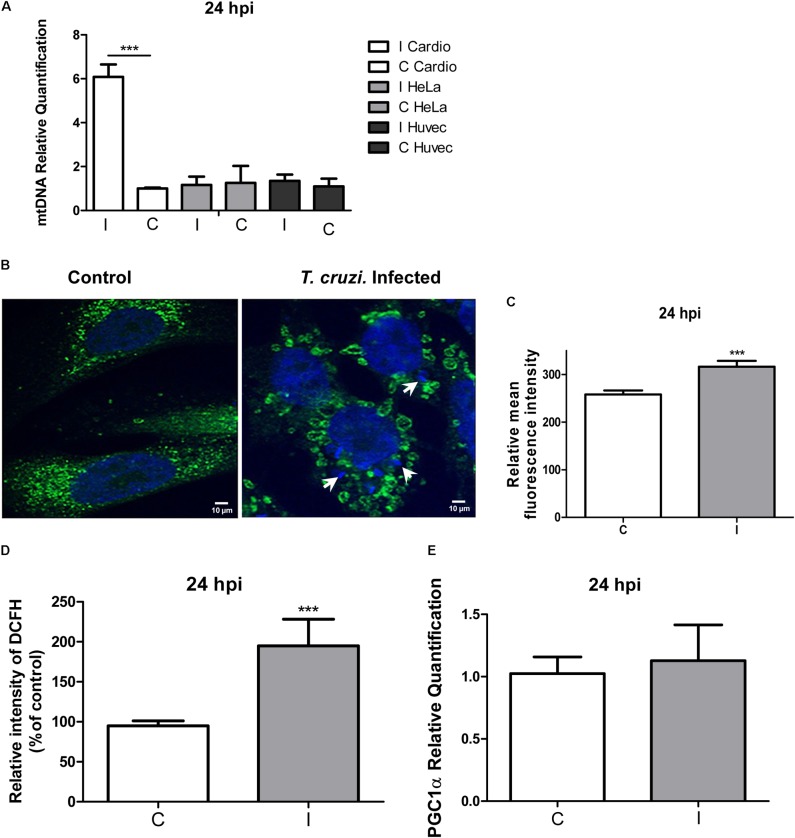
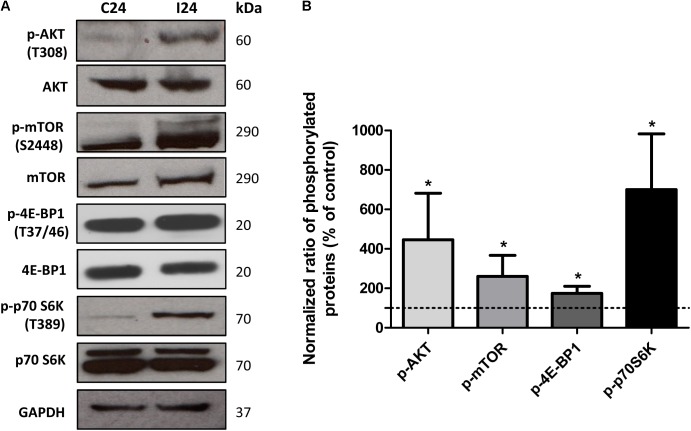
Chagasic chronic cardiomyopathy is one of the most frequent and severe manifestations of Chagas disease, caused by the parasite . The pathogenic and biochemical mechanisms responsible for cardiac lesions remain not completely understood, although it is clear that hypertrophy and subsequent heart dilatation is in part caused by the direct infection of cardiomyocytes. In this work, we evaluated the initial response of human cardiomyocytes to infection by transcriptomic profiling. Immediately after infection, cardiomyocytes dramatically change their gene expression patterns, up regulating most of the genes encoding for respiratory chain, oxidative phosphorylation and protein synthesis. We found that these changes correlate with an increase in basal and maximal respiration, as well as in spare respiratory capacity, which is accompanied by mitochondrial biogenesis α independent. We also demonstrate that these changes are mediated by mTORC1 and reversed by rapamycin, resembling the molecular mechanisms described for the non-chagasic hypertrophic cardiomyopathy. The results of the present work identify that early during infection, the activation of mTORC1, mitochondrial biogenesis and improvement in oxidative phosphorylation are key biochemical changes that provide new insights into the host response to parasite infection and the pathogenesis of chronic chagasic cardiomyopathy. The finding that this phenotype can be reversed opens a new perspective in the treatment of Chagas disease, through the identification of host targets, and the use of combined parasite and host targeted therapies, in order to prevent chagasic cardiomyopathy.
恰加斯病慢性心肌病是由该寄生虫引起的恰加斯病最常见且最严重的表现之一。尽管很明显心肌肥厚及随后的心脏扩张部分是由心肌细胞的直接感染所致,但导致心脏病变的致病和生化机制仍未完全明了。在这项研究中,我们通过转录组分析评估了人类心肌细胞对感染的初始反应。感染后,心肌细胞立即显著改变其基因表达模式,上调了大多数编码呼吸链、氧化磷酸化和蛋白质合成的基因。我们发现这些变化与基础呼吸和最大呼吸以及备用呼吸能力增加相关,同时伴有非α依赖性线粒体生物发生。我们还证明这些变化由mTORC1介导,并可被雷帕霉素逆转,这类似于非恰加斯病肥厚型心肌病所描述的分子机制。本研究结果表明,在感染早期,mTORC1的激活、线粒体生物发生和氧化磷酸化的改善是关键的生化变化,为宿主对寄生虫感染的反应及慢性恰加斯病心肌病的发病机制提供了新见解。这一表型可被逆转的发现为恰加斯病的治疗开辟了新视角,即通过确定宿主靶点,并采用寄生虫和宿主联合靶向治疗,以预防恰加斯病心肌病。