Moyer S A, Baker S C, Lessard J L
Proc Natl Acad Sci U S A. 1986 Aug;83(15):5405-9. doi: 10.1073/pnas.83.15.5405.
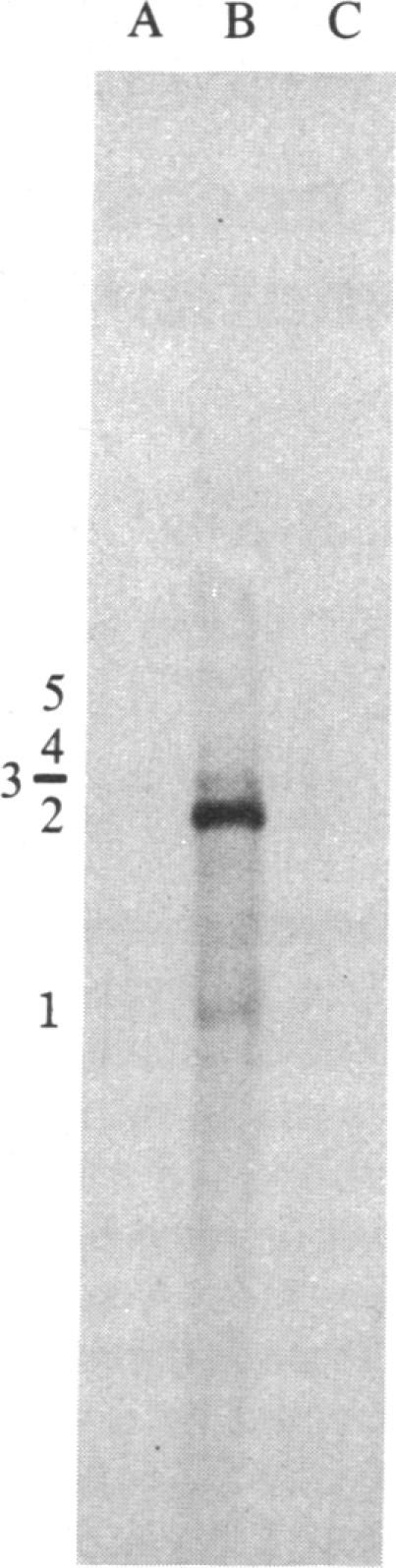
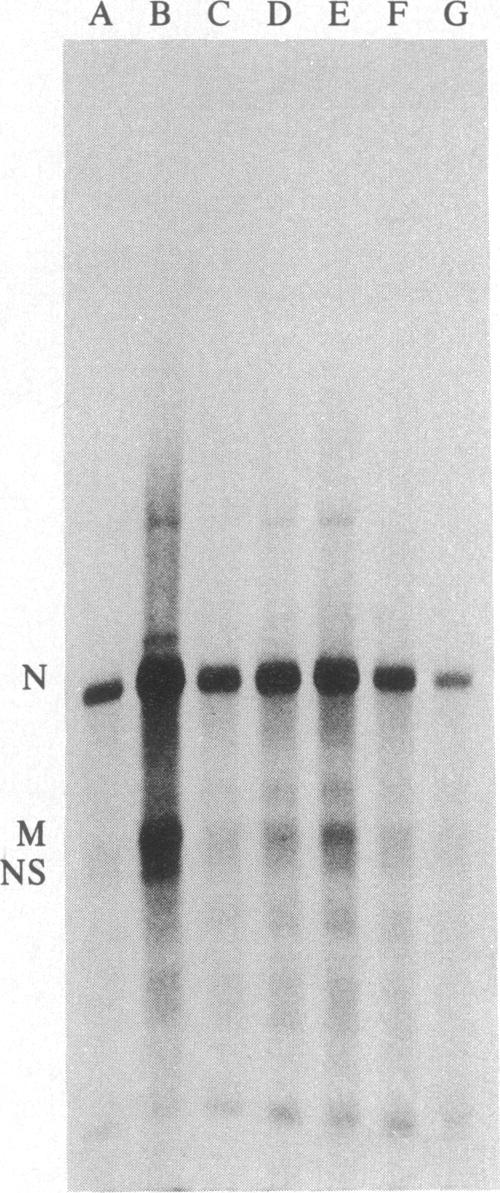
Tubulin acts as a positive transcription factor for in vitro RNA synthesis by two different negative-strand viruses: Sendai virus, a paramyxovirus; vesicular stomatitis virus (VSV), a rhabdovirus. A monoclonal antibody directed against beta-tubulin completely inhibited not only mRNA synthesis and RNA replication catalyzed in vitro by extracts of cells infected with either virus but also mRNA synthesis by detergent-disrupted purified virions. The synthesis of both a leader-like RNA and the NP mRNA directed by detergent-disrupted purified Sendai virions was shown to be totally dependent on the addition of purified tubulin. The addition of purified tubulin, although not required, also stimulated mRNA synthesis directed by detergent-disrupted VSV virions 2- to 7-fold. Finally, there appears to be an association between tubulin and the L protein of VSV, since both monoclonal and polyclonal anti-tubulin antisera specifically immunoprecipitated not only tubulin but also the L protein of two different VSV serotypes from the soluble protein fraction of infected cells.
微管蛋白作为两种不同的负链病毒体外RNA合成的正转录因子:仙台病毒,一种副粘病毒;水泡性口炎病毒(VSV),一种弹状病毒。一种针对β-微管蛋白的单克隆抗体不仅完全抑制了感染这两种病毒之一的细胞提取物在体外催化的mRNA合成和RNA复制,还抑制了去污剂破坏的纯化病毒体的mRNA合成。由去污剂破坏的纯化仙台病毒体指导的前导样RNA和NP mRNA的合成均显示完全依赖于纯化微管蛋白的添加。虽然不需要,但添加纯化微管蛋白也能将去污剂破坏的VSV病毒体指导的mRNA合成刺激2至7倍。最后,微管蛋白与VSV的L蛋白之间似乎存在关联,因为单克隆和多克隆抗微管蛋白抗血清不仅能从感染细胞的可溶性蛋白组分中特异性免疫沉淀微管蛋白,还能沉淀两种不同VSV血清型的L蛋白。