Sadek Zeinab I, Abdel-Rahman Mohamed A, Azab Mohamed S, Darwesh Osama M, Hassan Mahmoud S
Dairy Science Dept., National Research Centre, 33 Elbohoth St., Dokki, Cairo, Egypt.
Botany and Microbiology Dept., Faculty of Science (Boys branch), Al-Azhar University, Nasr City, Cairo, Egypt.
Toxicol Rep. 2018 Aug 19;5:871-877. doi: 10.1016/j.toxrep.2018.08.013. eCollection 2018.
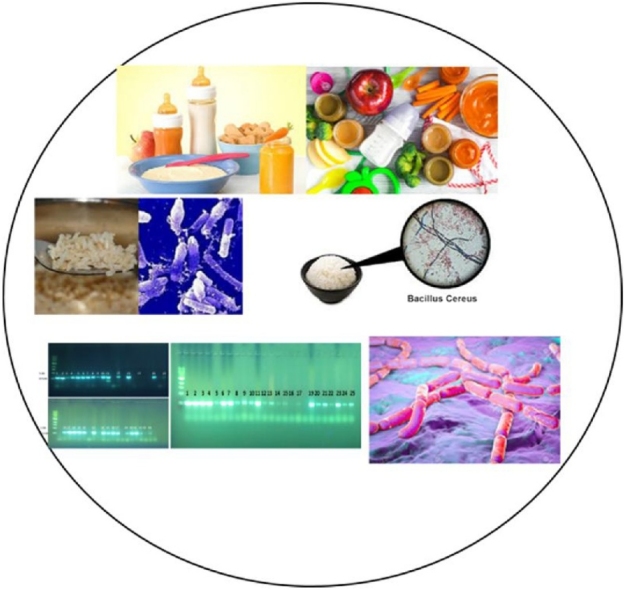
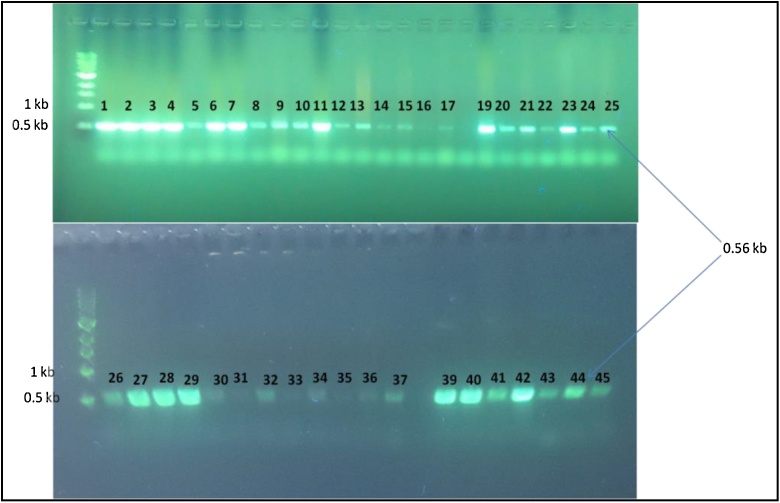
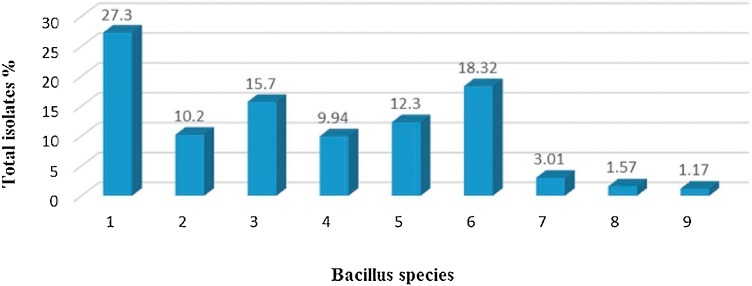
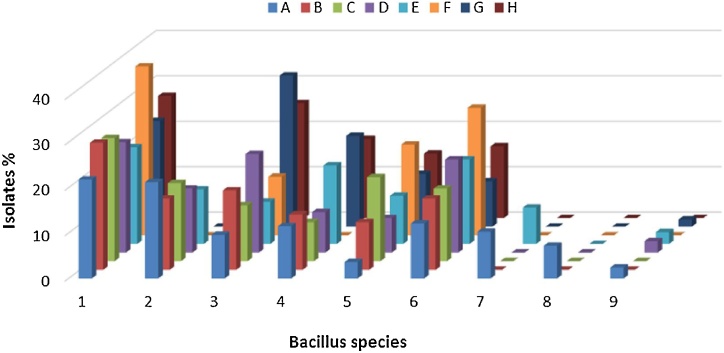
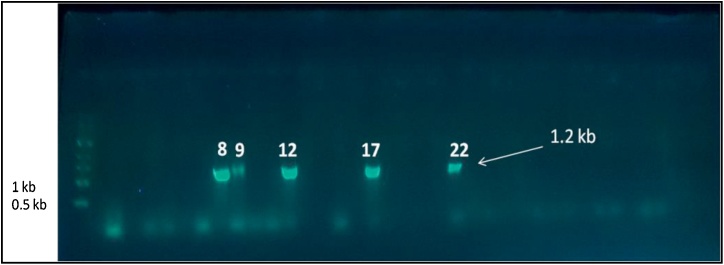
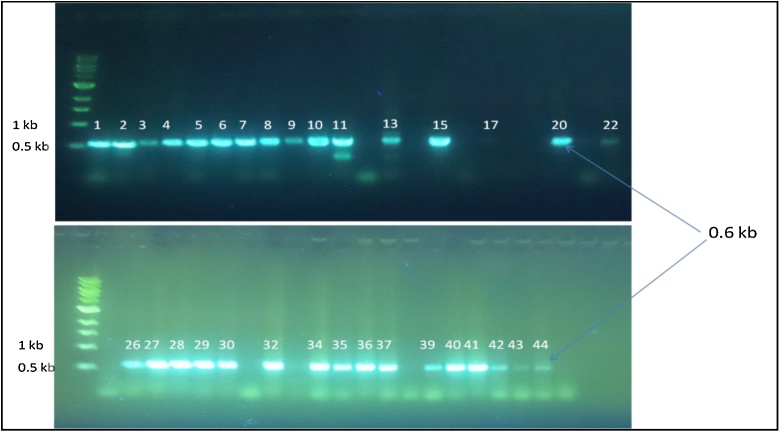
A 205 samples representing eight different infant foods with various based materials were collected and analyzed for their microbiological properties. The contamination rate by aerobic spore formers was achieved 100% in milk based infant food with fruit, vegetables, honey, rice and infant milk powder. While, it was detected in 95, 60 and 65% of the infant food with wheat milk based, ready to use (infant food with fruit) and ready to use (infant food with vegetables), respectively. Biochemical Identification and API 50 CHB used to identify the obtained isolates and revealed that was the most frequently occurring spp. Followed by and . While was detected in 10.20% of the total isolates. Moreover, was confirmed in 21.2% of milk based fruit, vegetables (15.7%), honey (17.2%), rice (14.1%) and wheat (12%) and vanished in the infant milk powder samples. Although, noted in lower percentage but this strain is considered as the more harmful one in lower numbers. For that, the following part is focused on . Forty five isolates obtained from contaminating samples were screened for prevalence of 3 important virulent enterotoxigenic genes using PCR technique. The CYTK gene had the highest presence which detected in 43 isolates (95.5%), followed by NHEC gene detected in 32 isolates. However, the HBLA gene was detected in just 5 isolates. So, many processes should be applied for controlling of pathogens to preserve infant lives.
收集了代表八种不同以各种基础材料制成的婴儿食品的205个样本,并对其微生物特性进行了分析。在以牛奶为基础、含有水果、蔬菜、蜂蜜、大米和婴儿奶粉的婴儿食品中,需氧芽孢形成菌的污染率达到了100%。而在以小麦奶为基础的婴儿食品、即食型(含水果的婴儿食品)和即食型(含蔬菜的婴儿食品)中,其检出率分别为95%、60%和65%。使用生化鉴定和API 50 CHB对获得的分离株进行鉴定,结果显示 是最常出现的 菌种,其次是 和 。而 在总分离株中的检出率为10.20%。此外, 在以牛奶为基础的水果、蔬菜(15.7%)、蜂蜜(17.2%)、大米(14.1%)和小麦(12%)中检出率为21.2%,在婴儿奶粉样本中未检出。尽管 检出率较低,但该菌株数量较少时也被认为是更具危害性的。因此,以下部分重点关注 。使用PCR技术对从污染样本中获得的45个 分离株进行筛选,以检测3种重要的毒性产肠毒素基因的流行情况。CYTK基因的存在率最高,在43个分离株中被检测到(95.5%),其次是在32个分离株中检测到的NHEC基因。然而,仅在5个分离株中检测到HBLA基因。所以,应该应用许多程序来控制病原体,以保护婴儿的生命。