Department of Pharmacology, College of Medicine, The University of Arizona, Tucson, AZ, United States.
Department of Pharmacology, College of Basic Medical Sciences, Jilin University, Changchun, Jilin, People's Republic of China.
Pain. 2019 Jan;160(1):117-135. doi: 10.1097/j.pain.0000000000001385.
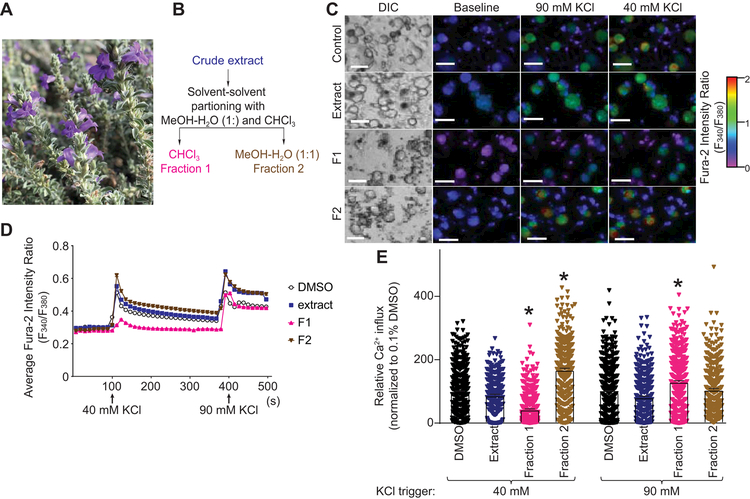
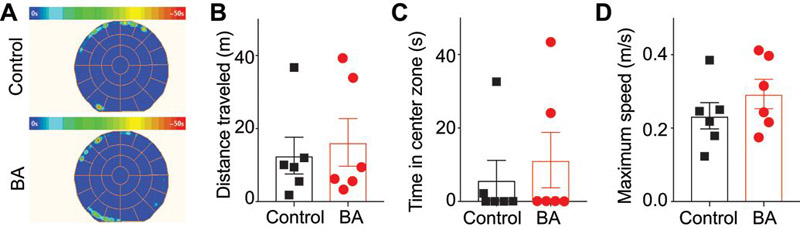
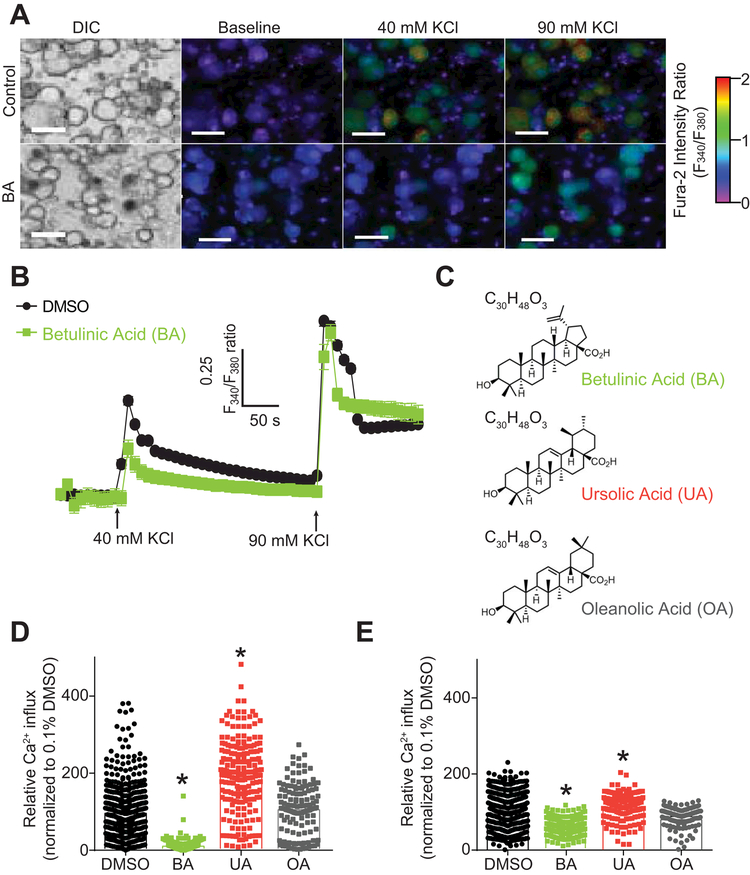
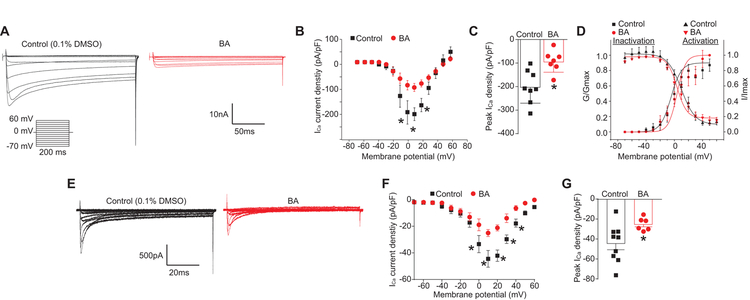
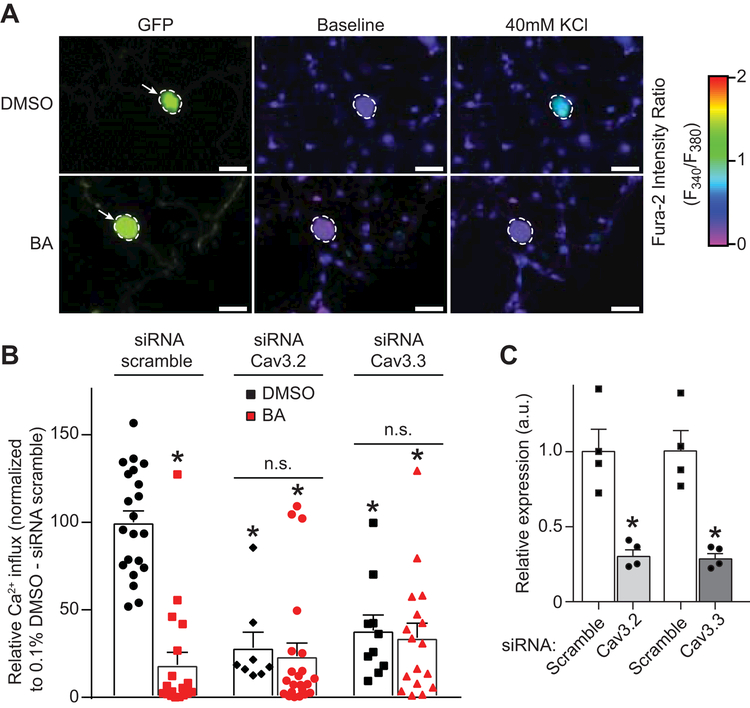
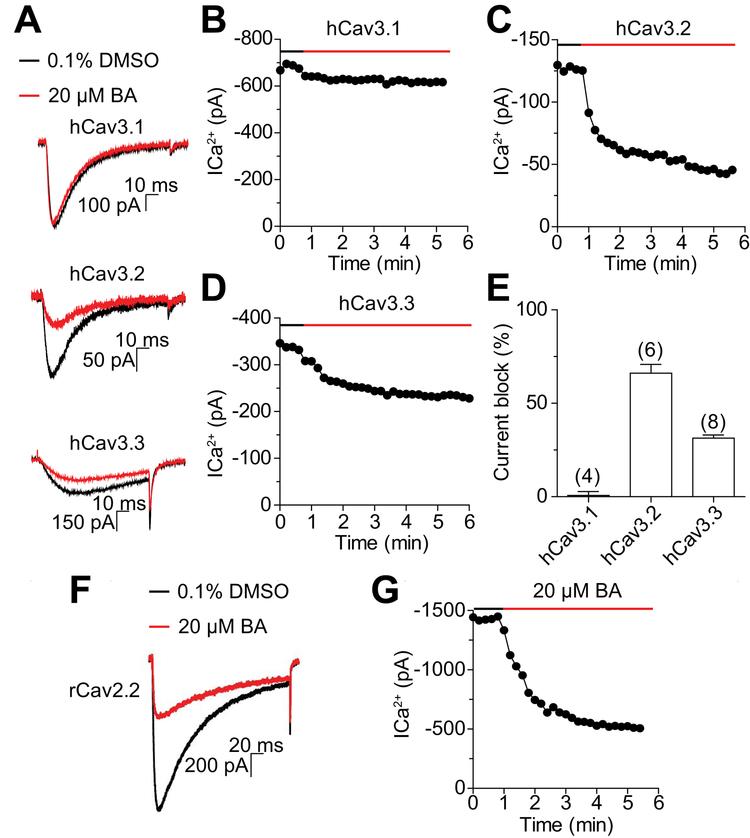
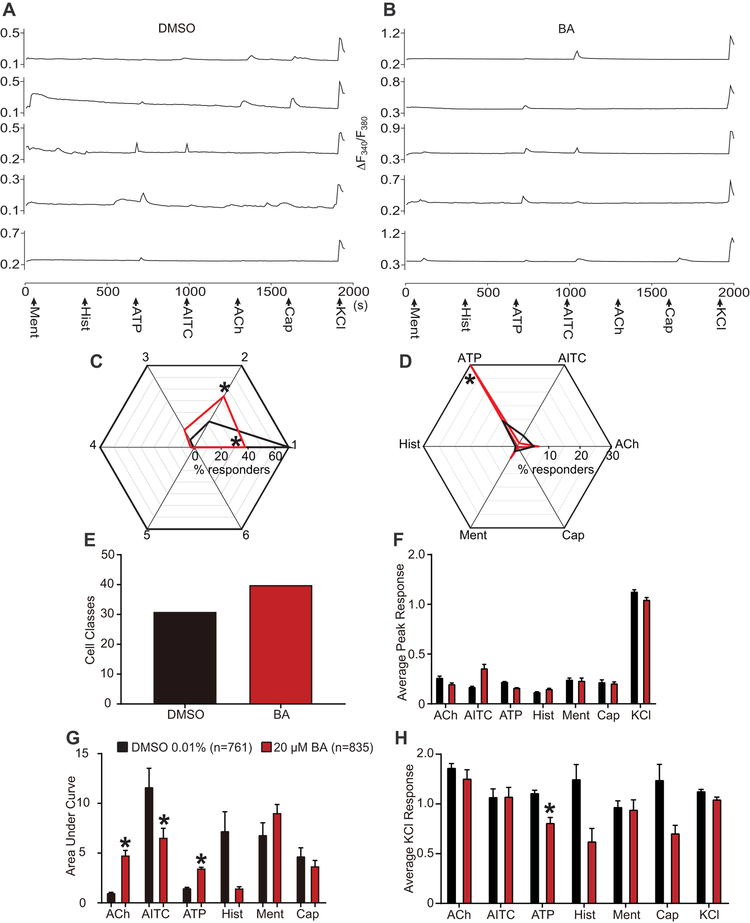
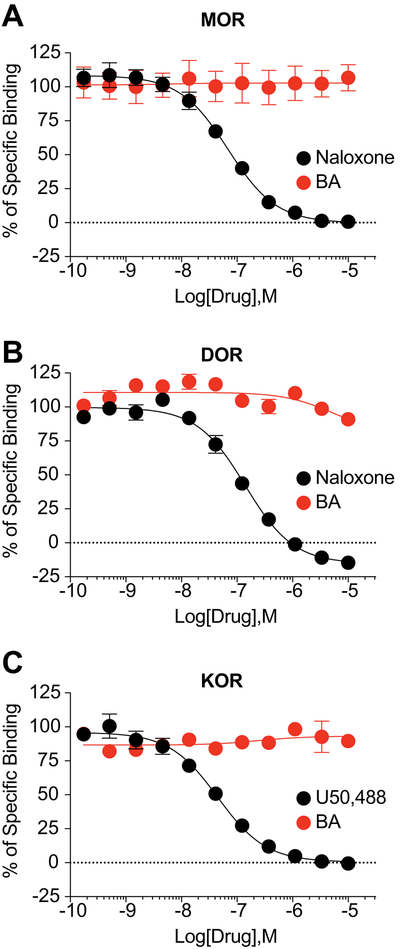
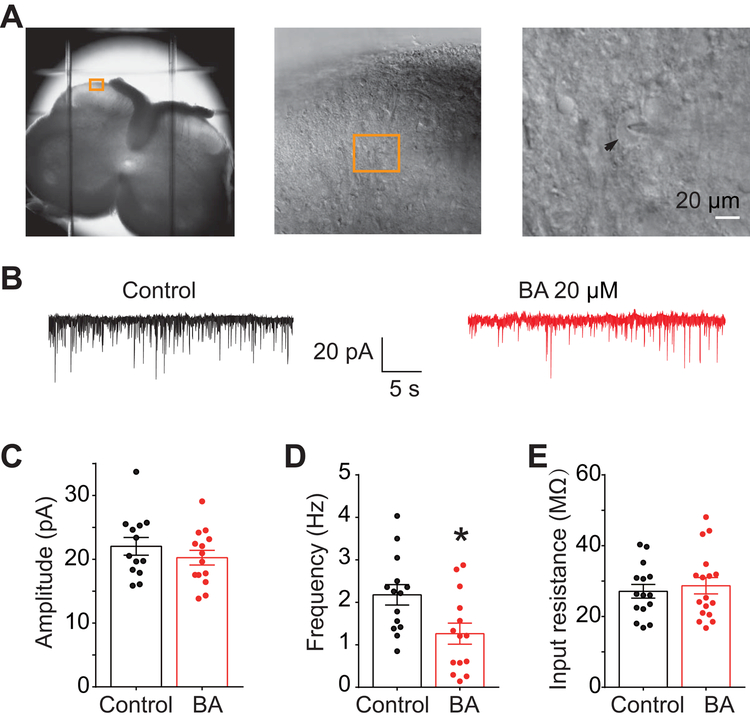
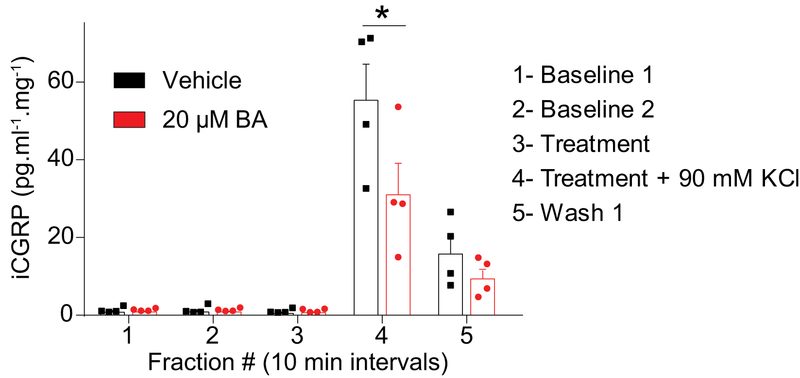
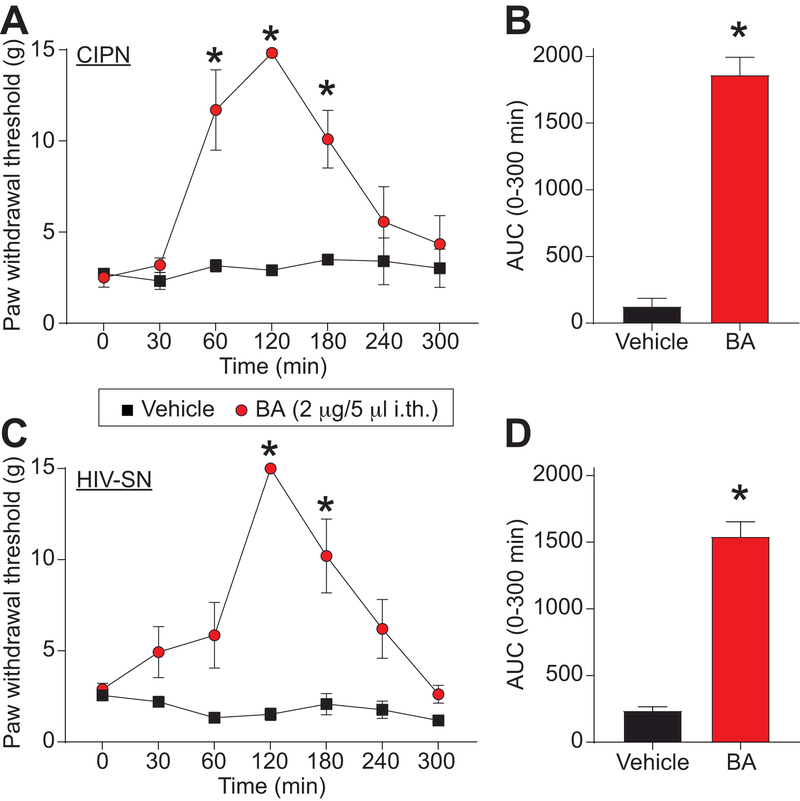
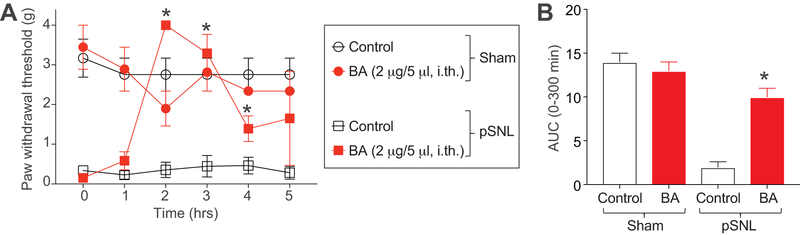
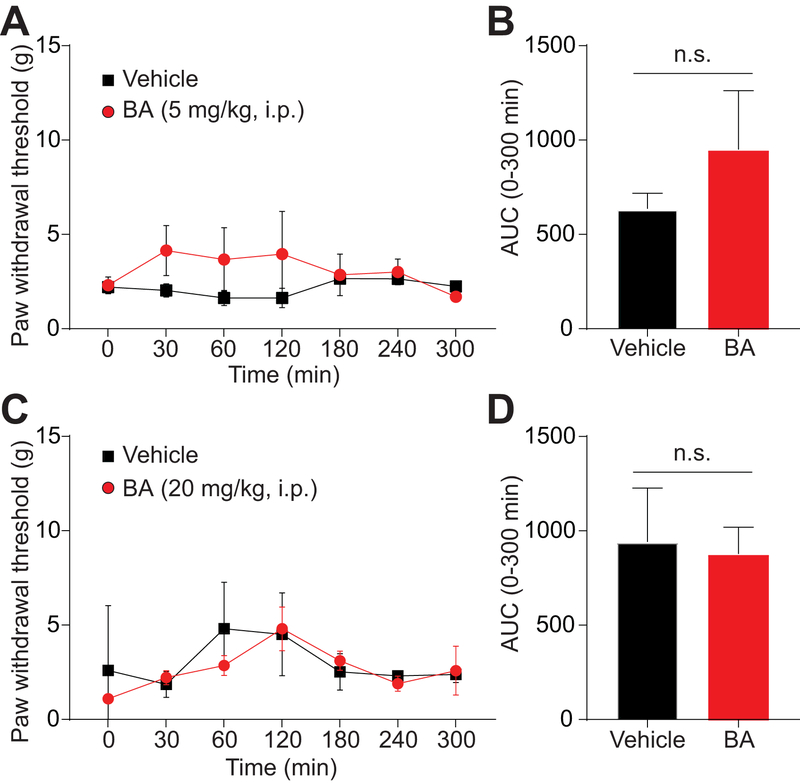
The Federal Pain Research Strategy recommended development of nonopioid analgesics as a top priority in its strategic plan to address the significant public health crisis and individual burden of chronic pain faced by >100 million Americans. Motivated by this challenge, a natural product extracts library was screened and identified a plant extract that targets activity of voltage-gated calcium channels. This profile is of interest as a potential treatment for neuropathic pain. The active extract derived from the desert lavender plant native to southwestern United States, when subjected to bioassay-guided fractionation, afforded 3 compounds identified as pentacyclic triterpenoids, betulinic acid (BA), oleanolic acid, and ursolic acid. Betulinic acid inhibited depolarization-evoked calcium influx in dorsal root ganglion (DRG) neurons predominantly through targeting low-voltage-gated (Cav3 or T-type) and CaV2.2 (N-type) calcium channels. Voltage-clamp electrophysiology experiments revealed a reduction of Ca, but not Na, currents in sensory neurons after BA exposure. Betulinic acid inhibited spontaneous excitatory postsynaptic currents and depolarization-evoked release of calcitonin gene-related peptide from lumbar spinal cord slices. Notably, BA did not engage human mu, delta, or kappa opioid receptors. Intrathecal administration of BA reversed mechanical allodynia in rat models of chemotherapy-induced peripheral neuropathy and HIV-associated peripheral sensory neuropathy as well as a mouse model of partial sciatic nerve ligation without effects on locomotion. The broad-spectrum biological and medicinal properties reported, including anti-HIV and anticancer activities of BA and its derivatives, position this plant-derived small molecule natural product as a potential nonopioid therapy for management of chronic pain.
联邦疼痛研究策略建议将非阿片类镇痛药的开发作为其战略计划的重中之重,以解决超过 1 亿美国人面临的严重公共卫生危机和慢性疼痛的个人负担。受这一挑战的推动,天然产物提取物库进行了筛选,并鉴定出一种靶向电压门控钙通道活性的植物提取物。这种特性作为治疗神经病理性疼痛的潜在疗法很有意义。从原产于美国西南部的沙漠薰衣草植物中提取的活性提取物,在经过生物测定指导的分级分离后,得到了 3 种被鉴定为五环三萜的化合物,分别是白桦脂酸(BA)、齐墩果酸和熊果酸。白桦脂酸通过靶向低电压门控(Cav3 或 T 型)和 CaV2.2(N 型)钙通道,抑制背根神经节(DRG)神经元的去极化诱发钙内流。电压钳电生理学实验显示,BA 暴露后感觉神经元中的 Ca 电流减少,但 Na 电流不变。白桦脂酸抑制腰脊髓切片中兴奋性突触后电流和降钙素基因相关肽的去极化诱发释放。值得注意的是,BA 不与人类 μ、δ 或 κ 阿片受体结合。鞘内给予 BA 逆转了化疗诱导的周围神经病变和 HIV 相关周围感觉神经病大鼠模型以及部分坐骨神经结扎小鼠模型的机械性痛觉过敏,而对运动没有影响。BA 及其衍生物具有广泛的生物学和医学特性,包括抗 HIV 和抗癌活性,这使得这种源自植物的小分子天然产物成为管理慢性疼痛的非阿片类疗法的潜在候选药物。