Gavin Herbert Eye Institute, University of California, Irvine, Irvine, CA, USA; Structural Biophysics Research Group, School of Optometry and Vision Sciences, Cardiff University, Cardiff, Wales, UK.
Gavin Herbert Eye Institute, University of California, Irvine, Irvine, CA, USA.
Acta Biomater. 2018 Oct 1;79:96-112. doi: 10.1016/j.actbio.2018.08.017. Epub 2018 Aug 29.
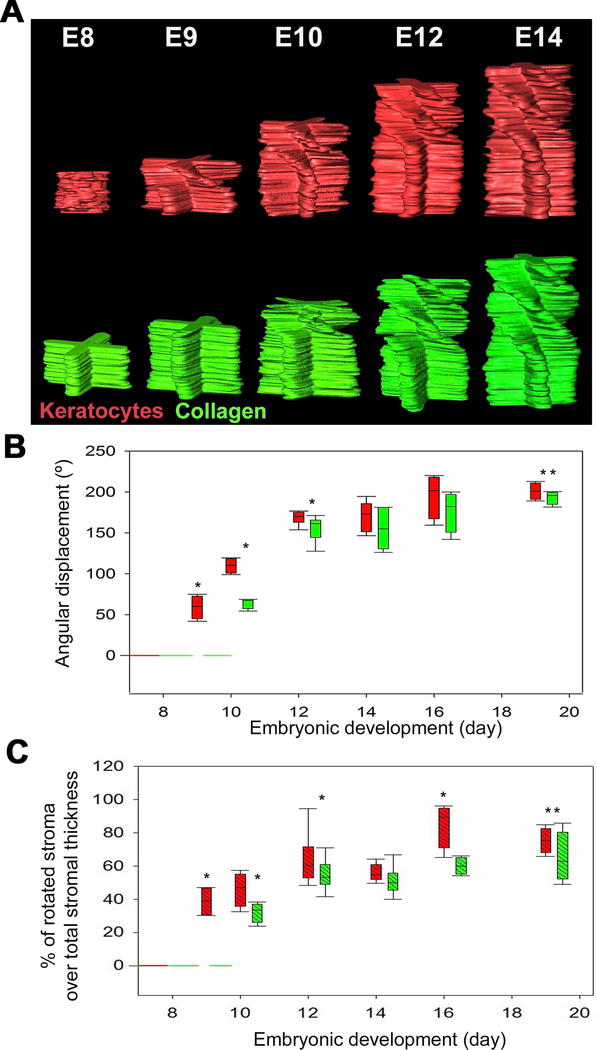
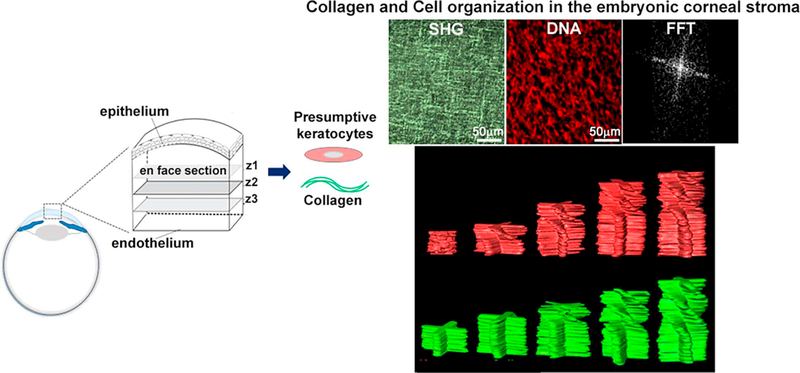
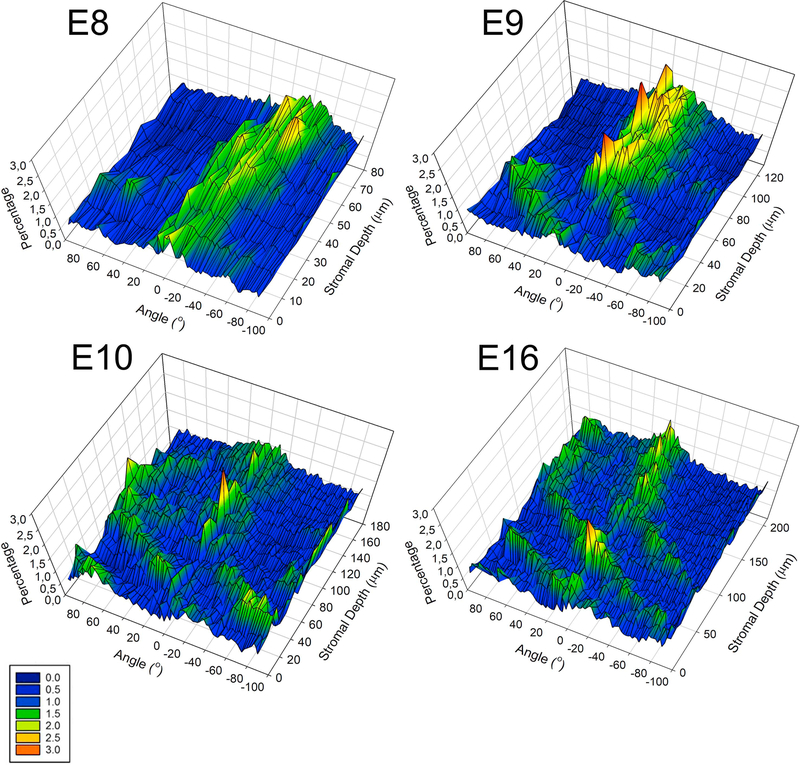
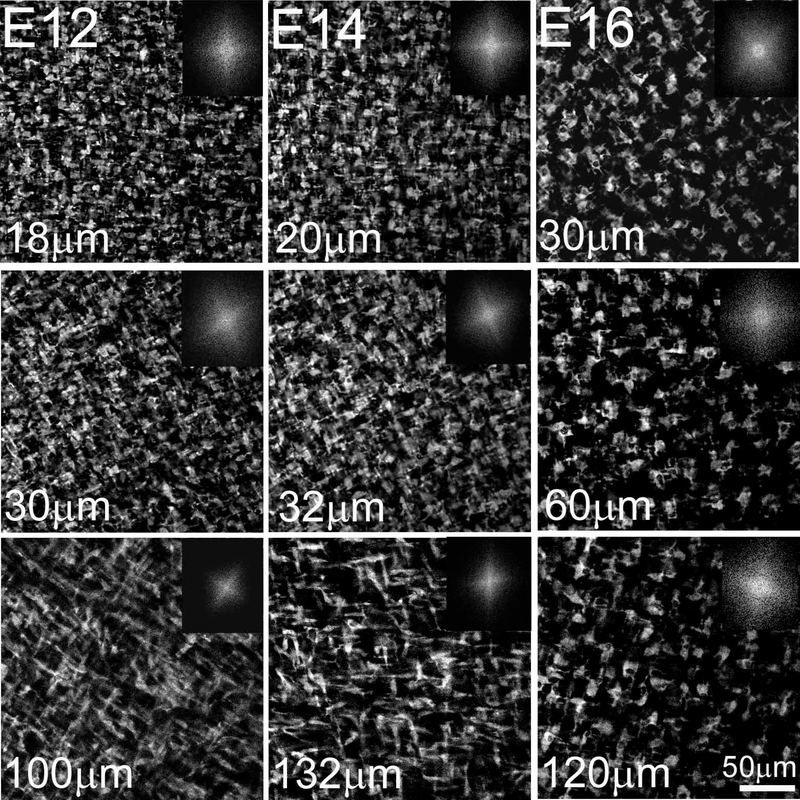
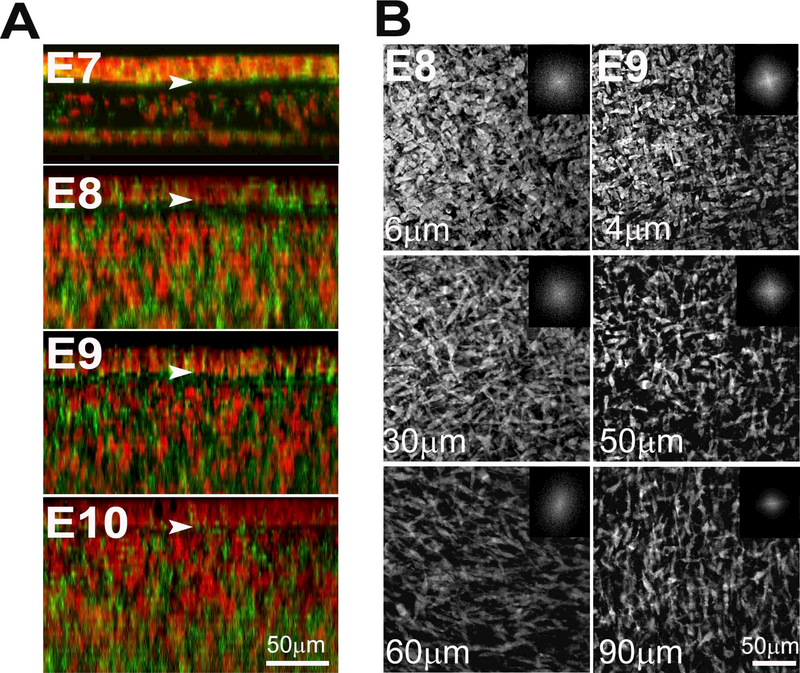
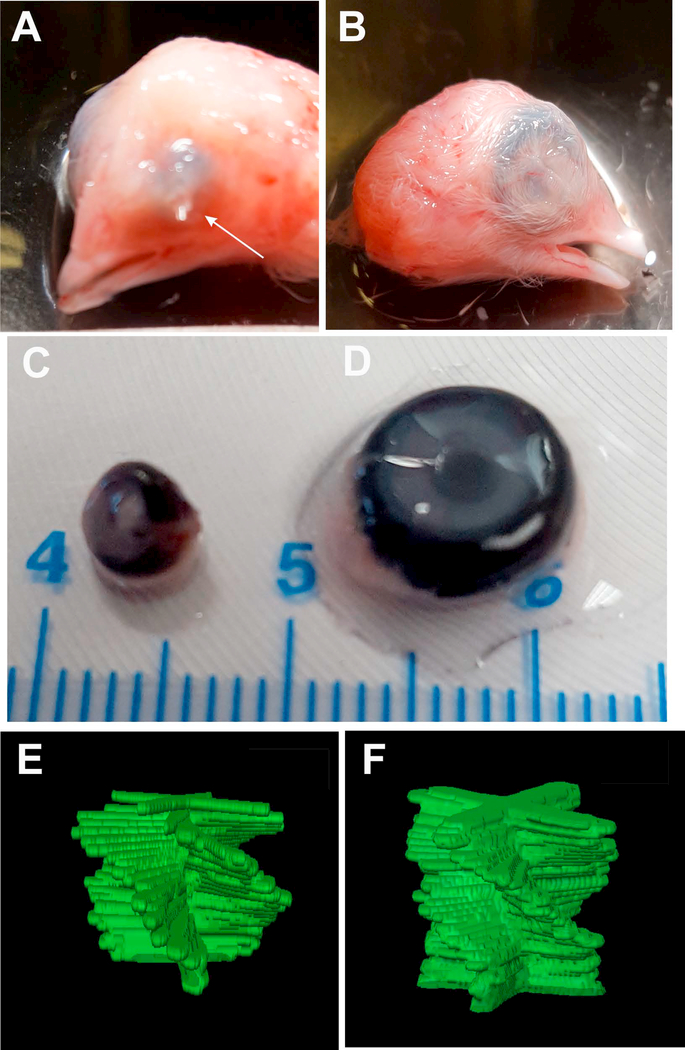
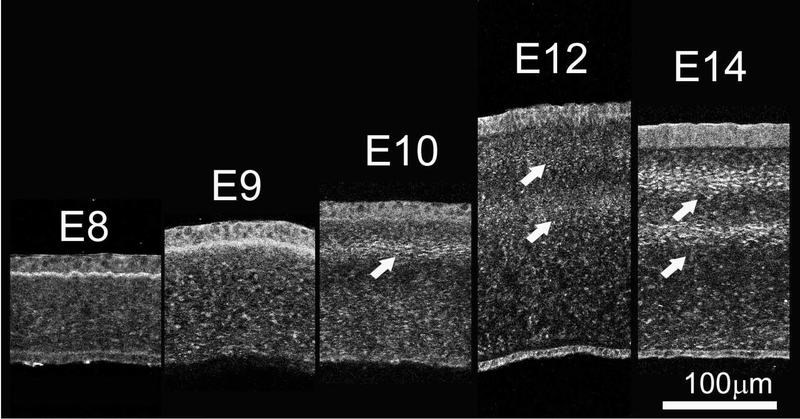
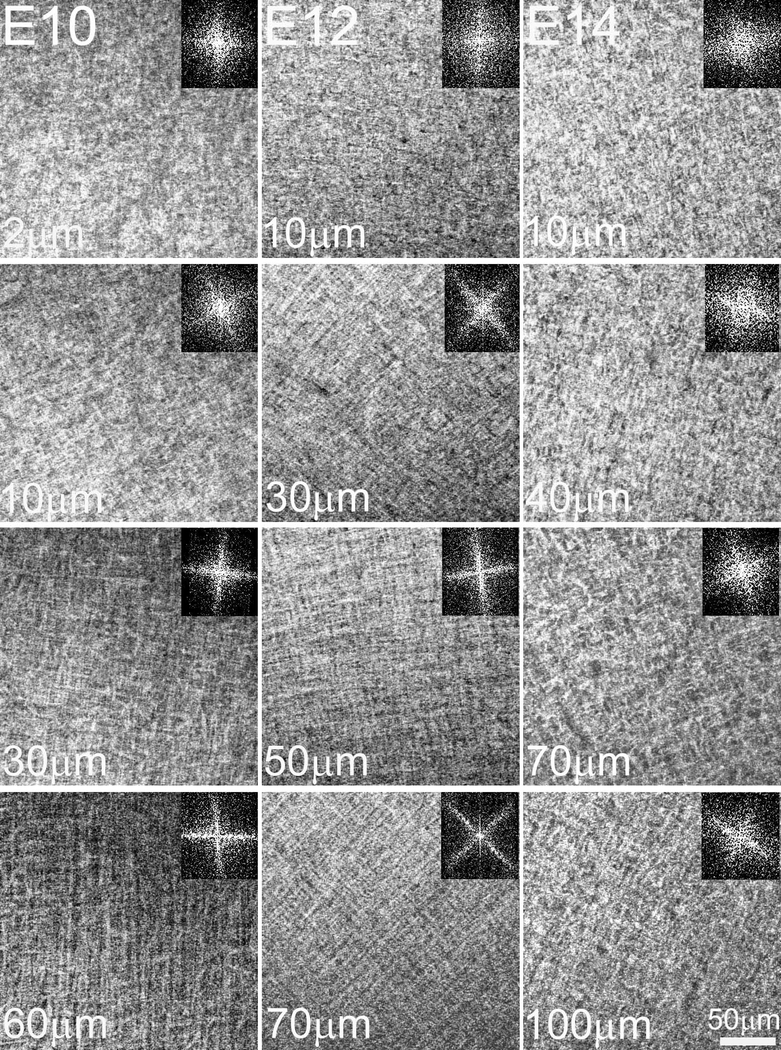
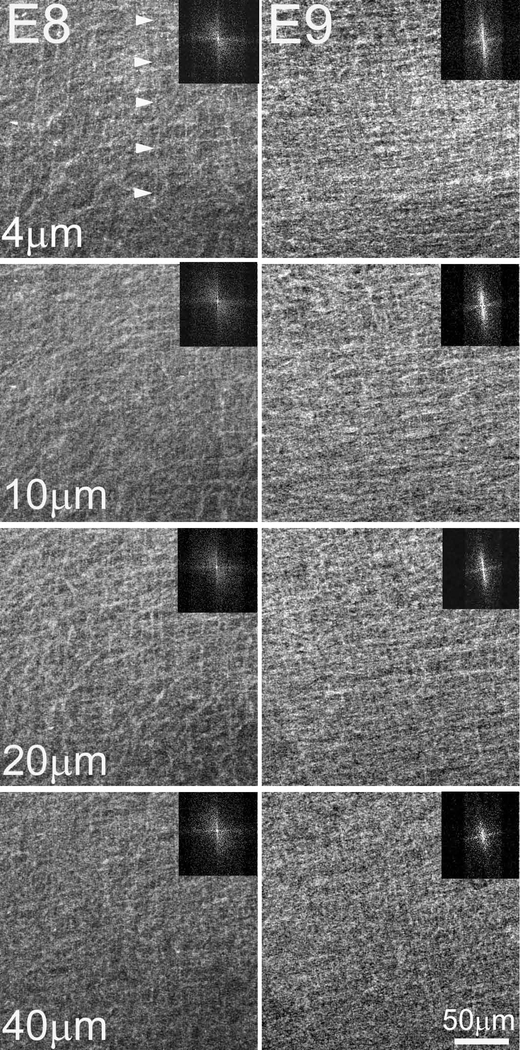
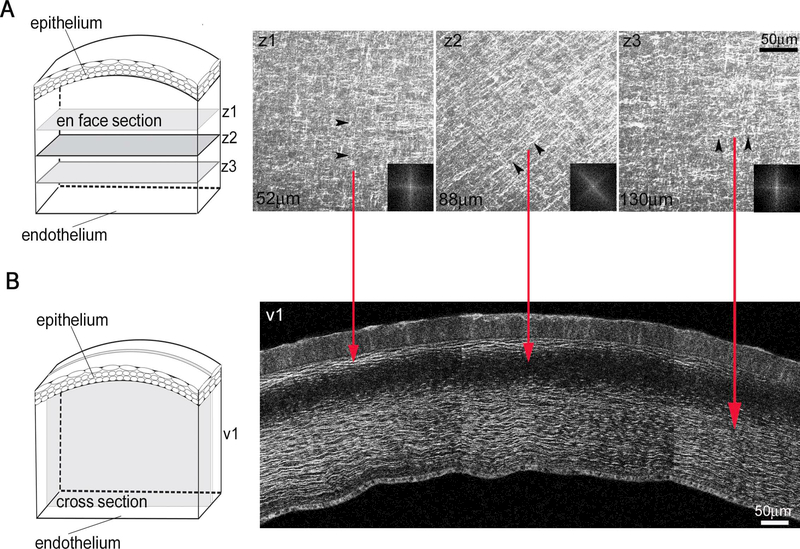
While tissue form and function is highly dependent upon tissue-specific collagen composition and organization, little is known of the mechanisms controlling the bundling of collagen fibrils into fibers and larger structural designs that lead to the formation of bones, tendons and other tissues. Using the cornea as a model system, our previous 3 dimensional mapping of collagen fiber organization has demonstrated that macrostructural organization of collagen fibers involving interweaving, branching and anastomosing plays a critical role in controlling mechanical stiffness, corneal shape and refractive power. In this work, the cellular and mechanical mechanisms regulating critical events in the assembly of collagen macrostructure are analysed in the developing chicken cornea. We elucidated the temporal events leading to adult corneal structure and determined the effects of intraocular pressure (IOP) on the organization of the collagen macrostructure. Our findings indicate that the complex adult collagen organization begins to appear on embryonic day 10 (E10) after deposition of the primary stroma and full invasion of keratocytes. Importantly, organizational changes in keratocytes appearing at E9 preceded and predicted later changes in collagen organization. Corneal collagen organization remained unaffected when the development of IOP was blocked at E4. These findings support a primary role for keratocytes in controlling stromal organization, mechanical stiffness and corneal shape that are not regulated by the IOP. Our findings also suggest that the avian cornea represents an excellent experimental model for elucidating key regulatory steps and mechanisms controlling the collagen fiber organization that is critical to determining tissue form and function.
This work by using an ex ovo model system, begins to investigate the potential mechanisms controlling collagen fibril macrostructure. In particular, this work highlights a convergent role for the corneal keratocytes in organizing the complex collagen macrostructure, necessary to support high visual acuity. Our data supports that the intraocular pressure does not influence collagen fibril macrostructure and suggest that the avian cornea represents an excellent experimental model for elucidating key regulatory steps and mechanisms controlling the collagen fiber organization that is critical to determining tissue form and function. Clearly understanding the cellular and molecular mechanisms that underlie collagen fibril macrostructure will be highly beneficial for future tissue engineering and regenerative medicine applications.
虽然组织的形态和功能高度依赖于组织特异性胶原蛋白的组成和组织,但对于控制胶原蛋白原纤维束成纤维和更大结构设计的机制知之甚少,这些结构设计导致骨骼、肌腱和其他组织的形成。我们以前使用角膜作为模型系统,对胶原纤维组织的三维图谱进行了研究,结果表明,涉及交织、分支和吻合的胶原纤维的宏观结构组织对于控制机械刚度、角膜形状和屈光力起着关键作用。在这项工作中,分析了发育中的鸡角膜中调节胶原大分子组装的关键事件的细胞和机械机制。我们阐明了导致成年角膜结构的时间事件,并确定了眼内压(IOP)对胶原大分子结构的影响。我们的研究结果表明,复杂的成年胶原组织在胚胎第 10 天(E10 天)初级基质沉积和角膜细胞完全浸润后开始出现。重要的是,E9 天出现的角膜细胞的组织变化先于并预测了胶原组织的后期变化。当 E4 天阻断 IOP 发育时,角膜胶原组织不受影响。这些发现支持角膜细胞在控制基质组织、机械刚度和角膜形状方面发挥主要作用,而这些不受 IOP 调节。我们的研究结果还表明,禽类角膜是阐明控制对确定组织形态和功能至关重要的胶原纤维组织的关键调节步骤和机制的优秀实验模型。