Center for Gender Specific Medicine, Istituto Superiore di Sanità, Rome, Italy.
Rheumatology Unit, Department of Internal Medicine and Medical Specialties, Sapienza University of Rome, Rome, Italy.
Front Immunol. 2018 Aug 17;9:1903. doi: 10.3389/fimmu.2018.01903. eCollection 2018.
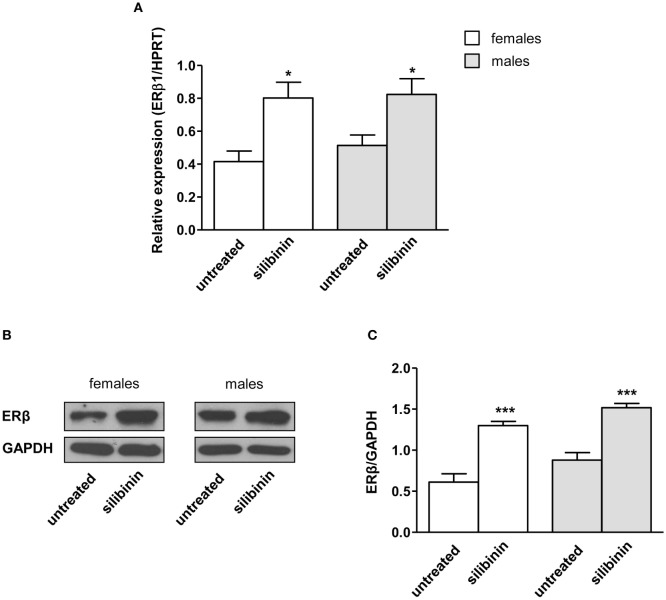
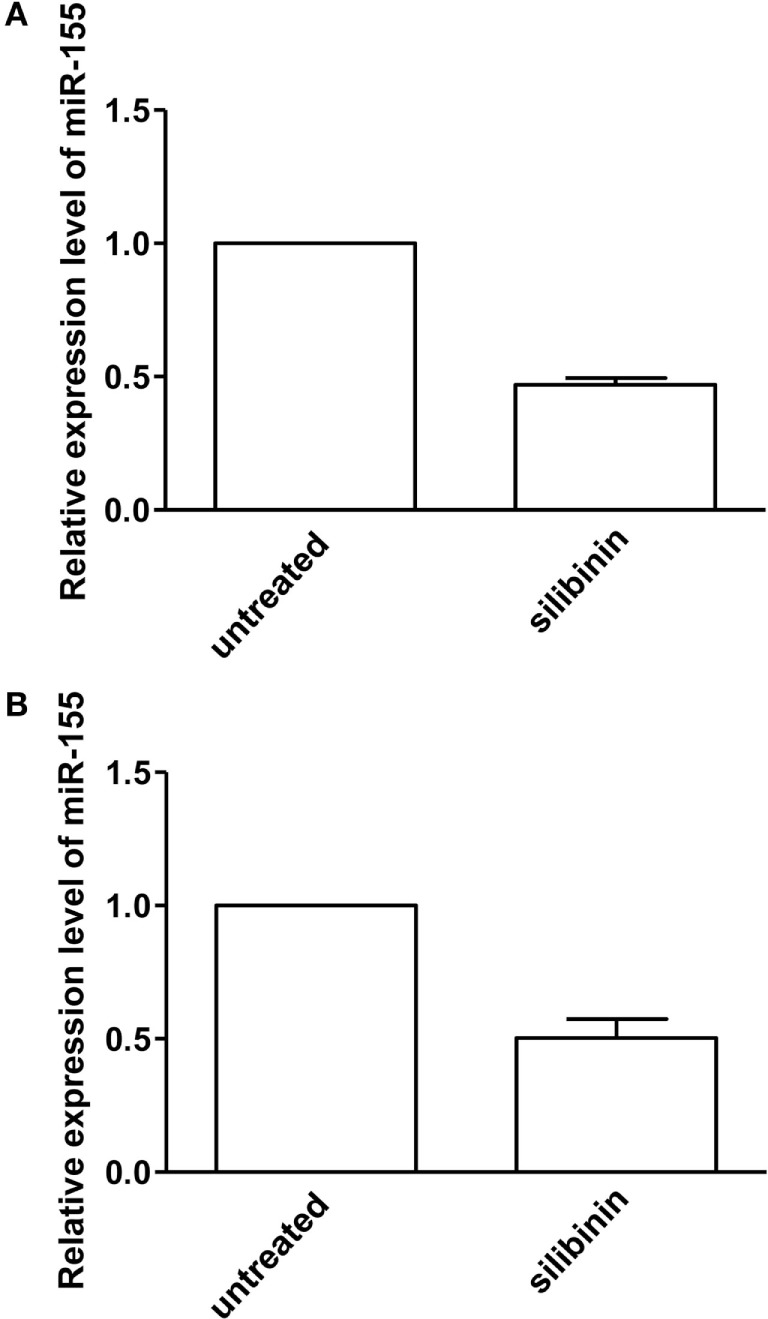
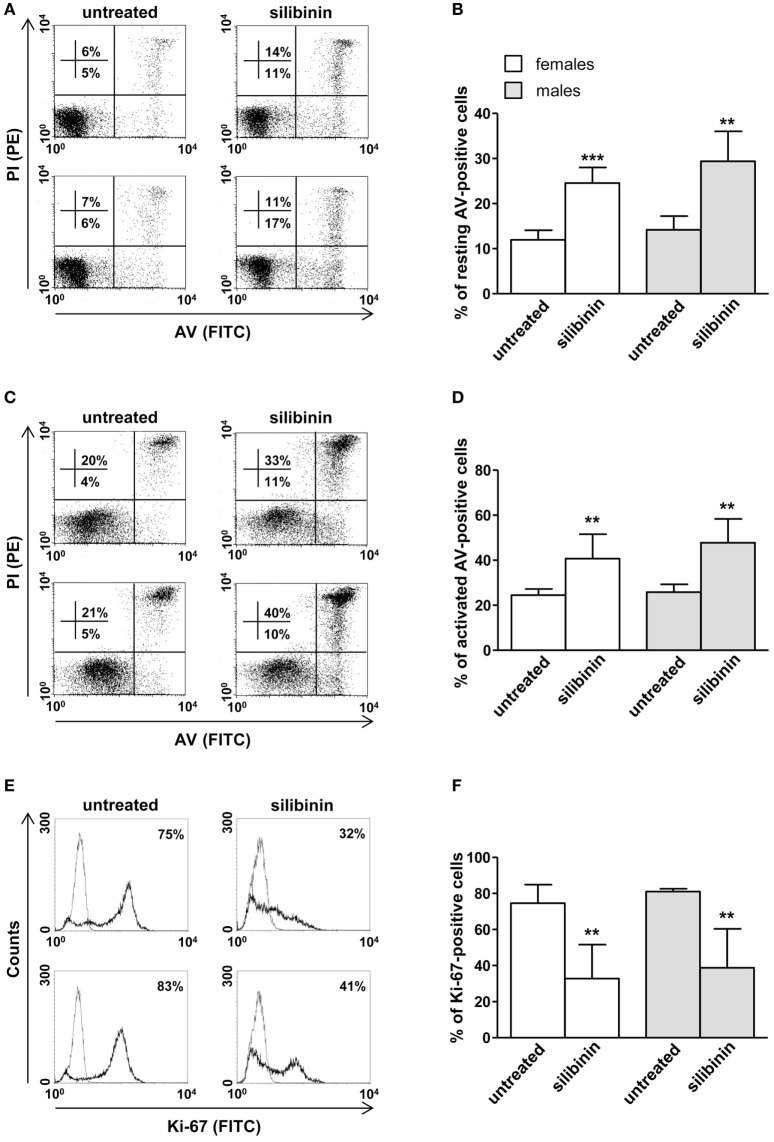
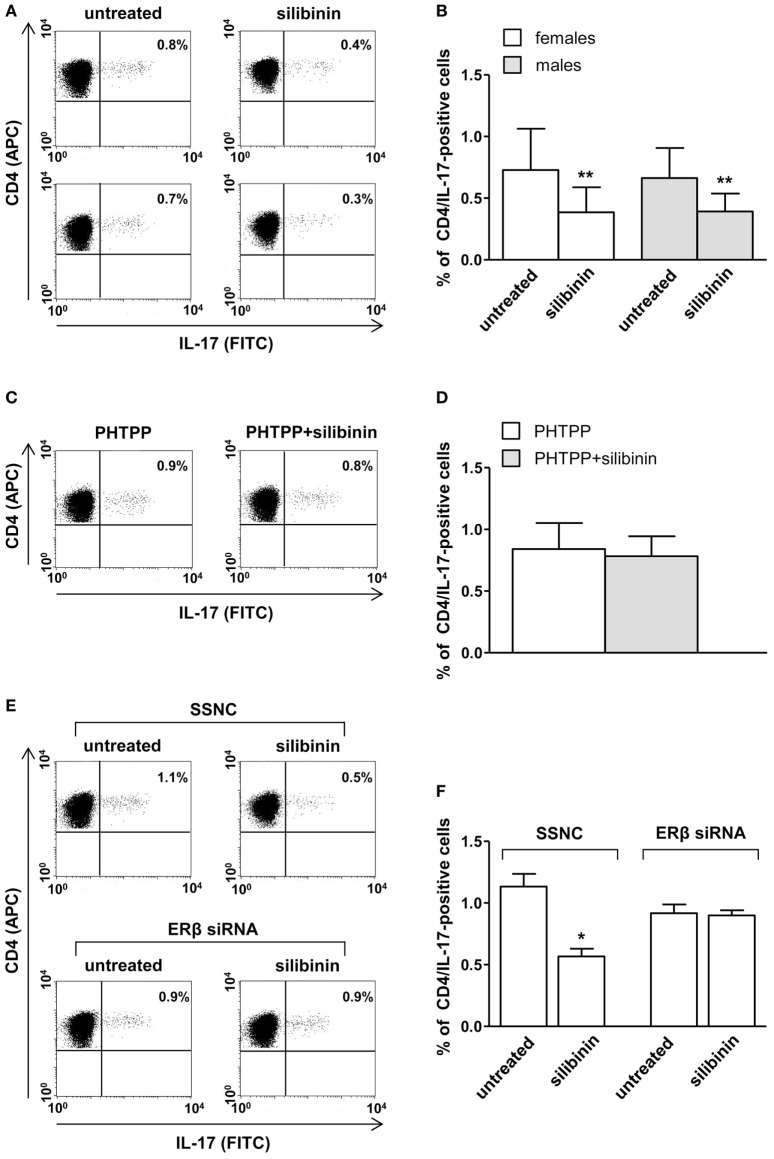
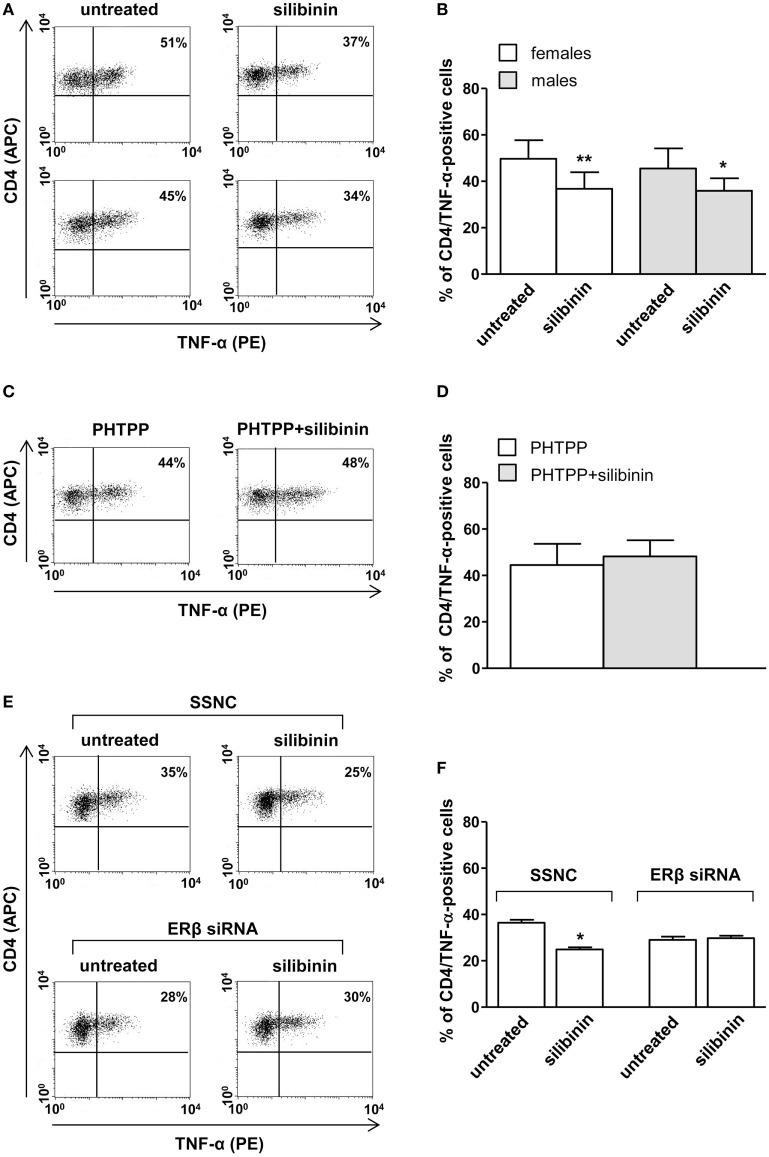
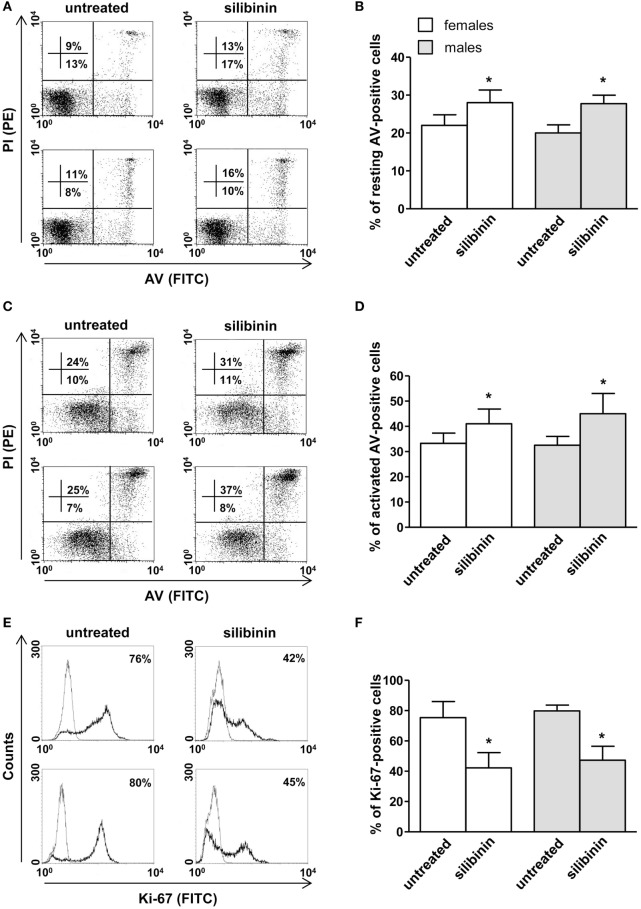
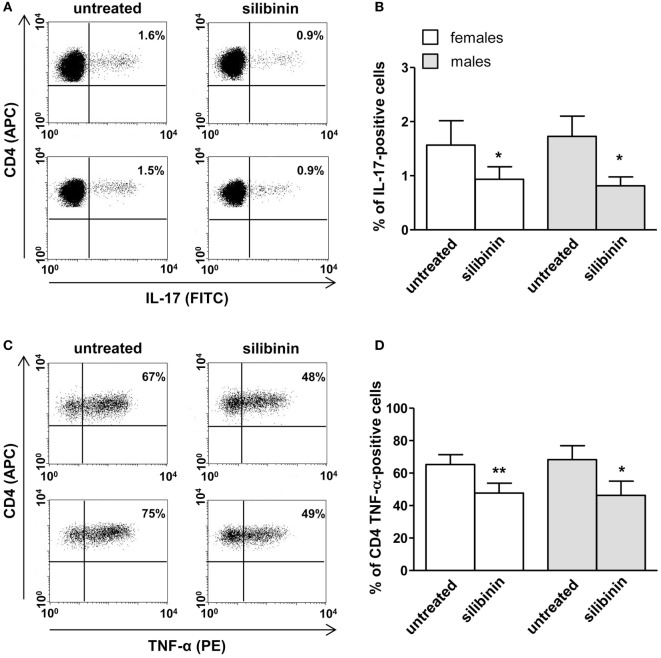
Estrogens, in particular 17β-estradiol (E2), have a strong influence on the immune system and also affect pathological conditions such as autoimmune diseases. The biological effects of E2 are mediated by two intracellular receptors, i.e., estrogen receptor (ER)α and ERβ, which function as ligand-activated nuclear transcription factors producing genomic effects. Immune cells express both ERα and ERβ that play a complex role in modulating inflammation. Phytoestrogens display estrogen-like effects. Among them, silibinin, the major active constituent of silymarin extracted by the milk thistle (), has been suggested to have an ERβ selective binding. Silibinin is known to have anti-inflammatory, hepatoprotective, and anticarcinogenic effects; however, the role of silibinin in modulating human immune responses and its impact on autoimmunity remains unclear. Aim of this study was to dissect the ability of the ERβ natural ligand silibinin to modulate T cell immunity, taking into account possible differences between females and males, and to define its possible role as therapeutic tool in immune-mediated diseases. To this purpose, female and age-matched male healthy subjects and patients with active rheumatoid arthritis (RA) were recruited. We evaluated the ability of silibinin to modulate ERβ expression in T lymphocytes and its effects on T cell functions (i.e., apoptosis, proliferation, and cytokine production). We also analyzed whether silibinin was able to modulate the expression of microRNA-155 (miR-155), which strongly contributes to the pathogenesis of RA driving aberrant activation of the immune system. We demonstrated that silibinin upregulated ERβ expression, induced apoptosis, inhibited proliferation, and reduced expression of the pro-inflammatory cytokines IL-17 and TNF-α, through ERβ binding, in T lymphocytes from female and male healthy donors. We obtained similar results in T lymphocytes from patients with active RA in term of apoptosis, proliferation, and cytokine production. In addition, we found that silibinin acted as an epigenetic modifier, down-modulating the expression of miR-155. In conclusion, our data demonstrated an immunosuppressive role of silibinin, supporting its application in the treatment of autoimmune diseases as drug, but also as dietary nutritional supplement, opening new perspective in the field of autoimmune disease management.
雌激素,特别是 17β-雌二醇(E2),对免疫系统有很强的影响,也会影响自身免疫性疾病等病理状况。E2 的生物学效应是通过两种细胞内受体介导的,即雌激素受体(ER)α和 ERβ,它们作为配体激活的核转录因子产生基因组效应。免疫细胞表达 ERα和 ERβ,在调节炎症方面发挥着复杂的作用。植物雌激素具有类似雌激素的作用。其中,水飞蓟素中的主要活性成分水飞蓟宾被认为对 ERβ 具有选择性结合作用。水飞蓟素有抗炎、保肝和抗癌作用;然而,水飞蓟宾在调节人体免疫反应及其对自身免疫的影响尚不清楚。本研究的目的是剖析 ERβ 天然配体水飞蓟宾调节 T 细胞免疫的能力,同时考虑到女性和男性之间可能存在的差异,并确定其作为免疫介导性疾病治疗工具的可能作用。为此,招募了女性和年龄匹配的男性健康受试者和活动期类风湿关节炎(RA)患者。我们评估了水飞蓟宾调节 T 淋巴细胞中 ERβ 表达的能力及其对 T 细胞功能(即凋亡、增殖和细胞因子产生)的影响。我们还分析了水飞蓟宾是否能够调节 microRNA-155(miR-155)的表达,miR-155 强烈促进 RA 的发病机制,导致免疫系统异常激活。我们证明,水飞蓟宾通过与 ERβ 结合,上调女性和男性健康供体 T 淋巴细胞中 ERβ 的表达,诱导细胞凋亡,抑制增殖,并减少促炎细胞因子 IL-17 和 TNF-α的表达。在活动期 RA 患者的 T 淋巴细胞中,我们在凋亡、增殖和细胞因子产生方面获得了类似的结果。此外,我们发现水飞蓟宾作为一种表观遗传修饰物,下调 miR-155 的表达。总之,我们的数据表明水飞蓟宾具有免疫抑制作用,支持其作为药物应用于自身免疫性疾病的治疗,也支持其作为膳食营养补充剂,为自身免疫性疾病的治疗开辟了新的前景。