Blueschke Gert, Boico Alina, Negussie Ayele H, Yarmolenko Pavel, Wood Bradford J, Spasojevic Ivan, Fan Ping, Erdmann Detlev, Schroeder Thies, Sauerbier Michael, Klitzman Bruce
Kenan Plastic Surgery Research Labs, Duke University Medical Center, Durham, N.C.
Department of Radiation Oncology, Duke University Medical Center, Durham, N.C.
Plast Reconstr Surg Glob Open. 2018 Jul 9;6(7):e1739. doi: 10.1097/GOX.0000000000001739. eCollection 2018 Jul.
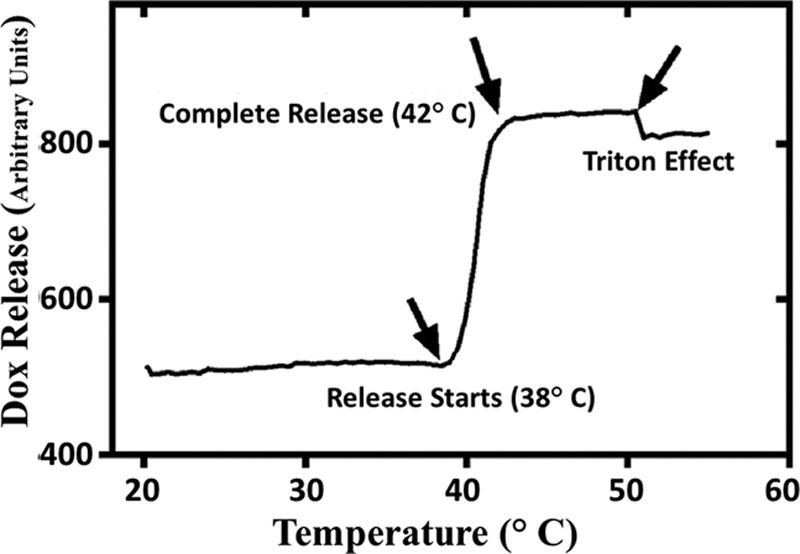
Enhancing drug delivery to the skin has importance in many therapeutic strategies. In particular, the outcome in vascularized composite allotransplantation mainly depends on systemic immunosuppression to prevent and treat episodes of transplant rejection. However, the side effects of systemic immunosuppression may introduce substantial risk to the patient and are weighed against the expected benefits. Successful enhancement of delivery of immunosuppressive agents to the most immunogenic tissues would allow for a reduction in systemic doses, thereby minimizing side effects. Nanoparticle-assisted transport by low temperature-sensitive liposomes (LTSLs) has shown some benefit in anticancer therapy. Our goal was to test whether delivery of a marker agent to the skin could be selectively enhanced.
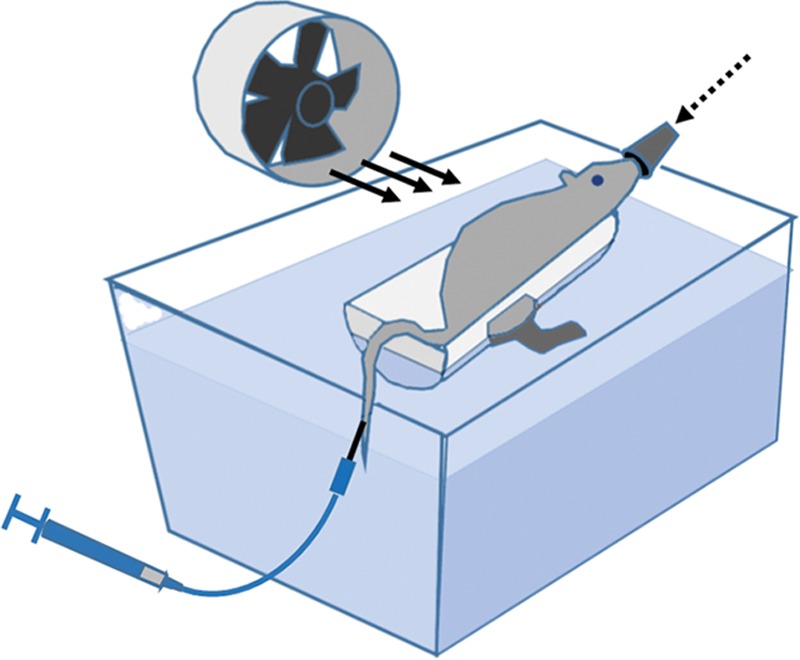
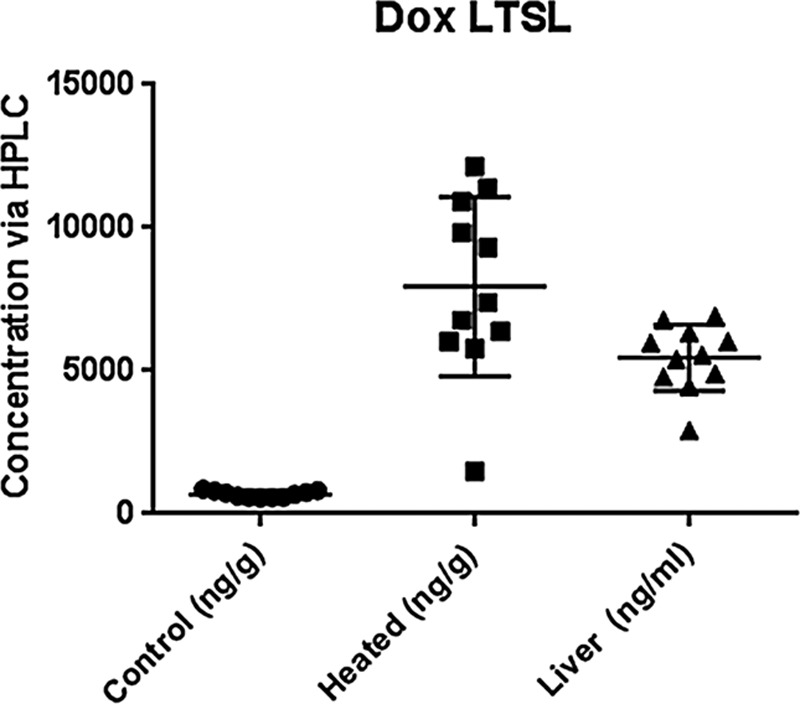
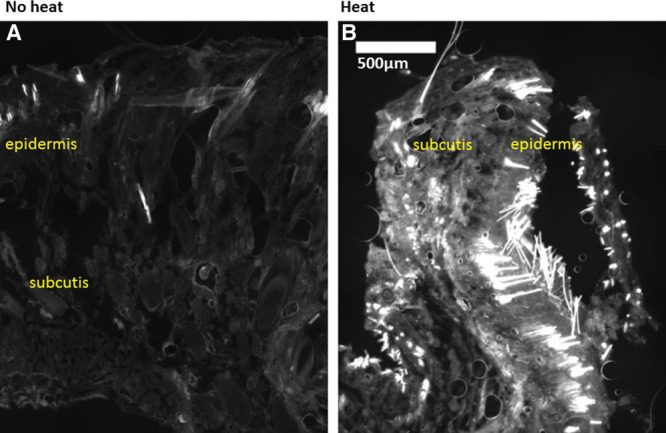
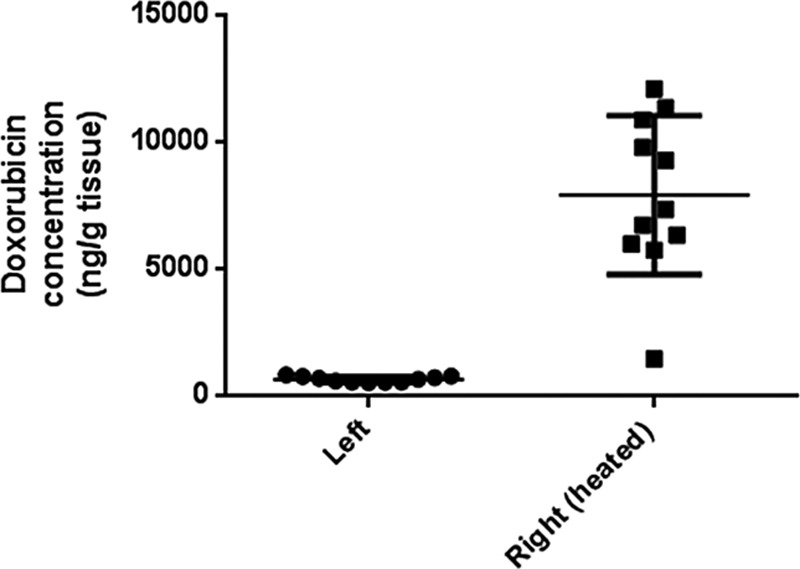
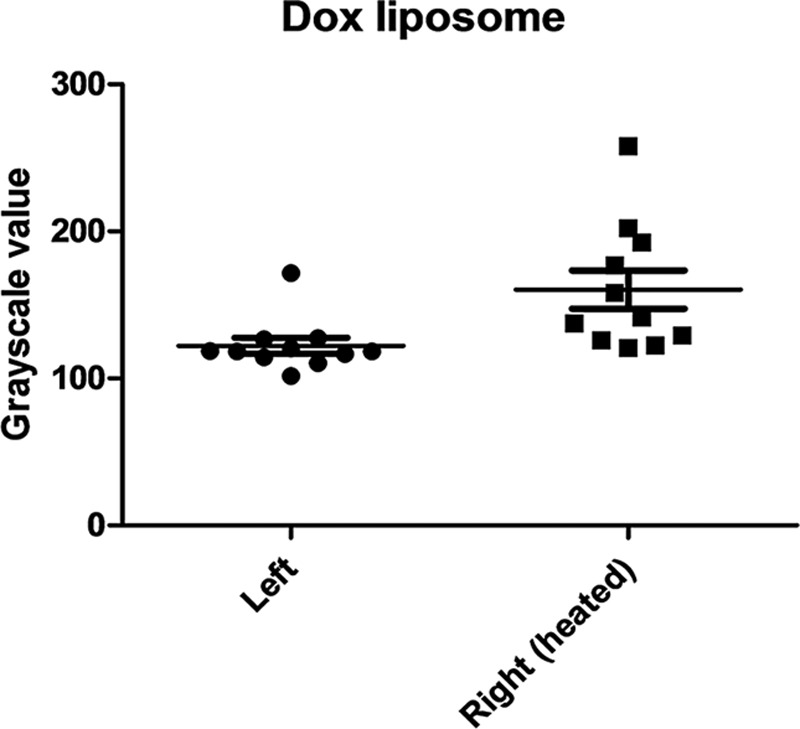
In an in vivo model, LTSLs containing doxorubicin (dox) as a marker were administered intravenously to rats that were exposed locally to mild hyperthermia. Skin samples of the hyperthermia treated hind limb were compared with skin of the contralateral normothermia hind limb. Tissue content of dox was quantified both via high-performance liquid chromatography and via histology in skin and liver.
The concentration of dox in hyperthermia-treated skin was significantly elevated over both normothermic skin and liver. ( < 0.02).
We show here that delivery of therapeutics to the skin can be targeted and enhanced using LTSLs. Targeting drug delivery with this method may reduce the systemic toxicity seen in a systemic free-drug administration. Development of more hydrophilic immunosuppressants in the future would increase the applicability of this system in the treatment of rejection reactions in vascularized composite allotransplantation. The treatment of other skin condition might be another potential application.
增强药物经皮递送在许多治疗策略中具有重要意义。特别是,血管化复合组织异体移植的结果主要取决于全身免疫抑制以预防和治疗移植排斥反应。然而,全身免疫抑制的副作用可能给患者带来重大风险,需要在预期益处和风险之间进行权衡。成功增强免疫抑制剂向免疫原性最强组织的递送将允许降低全身剂量,从而将副作用降至最低。低温敏感脂质体(LTSLs)介导的纳米颗粒辅助转运在抗癌治疗中已显示出一定益处。我们的目标是测试是否可以选择性增强标记剂向皮肤的递送。
在体内模型中,将含有阿霉素(dox)作为标记物的LTSLs静脉注射给局部暴露于轻度热疗的大鼠。将热疗处理后肢的皮肤样本与对侧正常体温后肢的皮肤进行比较。通过高效液相色谱法以及皮肤和肝脏组织学对阿霉素的组织含量进行定量。
热疗处理皮肤中阿霉素的浓度显著高于正常体温的皮肤和肝脏。(<0.02)。
我们在此表明,使用LTSLs可以靶向并增强治疗药物向皮肤的递送。用这种方法靶向给药可能会降低全身自由给药时出现的全身毒性。未来开发更多亲水性免疫抑制剂将增加该系统在血管化复合组织异体移植排斥反应治疗中的适用性。治疗其他皮肤疾病可能是另一个潜在应用。