Singh Subhash C, Li Huiyan, Yao Chaonan, Zhan Z, Yu Weili, Yu Zhi, Guo Chunlei
The Institute of Optics, University of Rochester, New York 14627, United States.
Changchun Institute of Optics, Fine Mechanics and Physics (CIOMP), Changchun, China.
Nano Energy. 2018 Sep;51:774-785. doi: 10.1016/j.nanoen.2018.07.020.
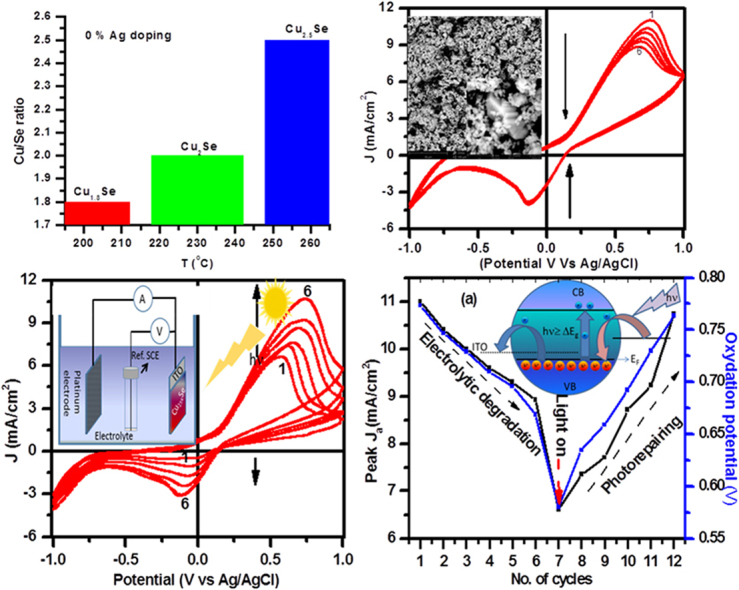
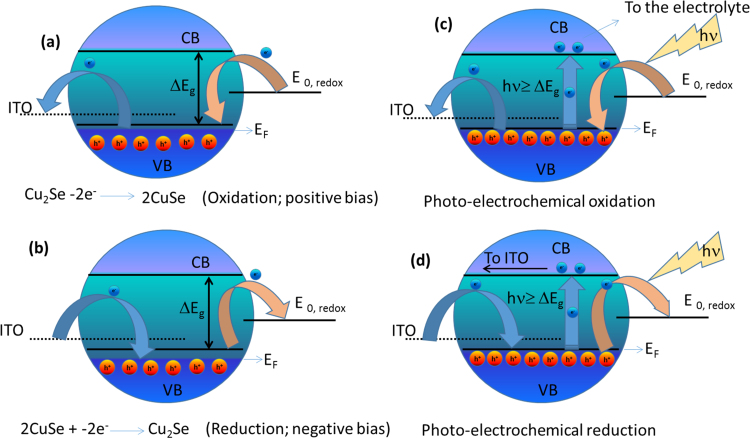
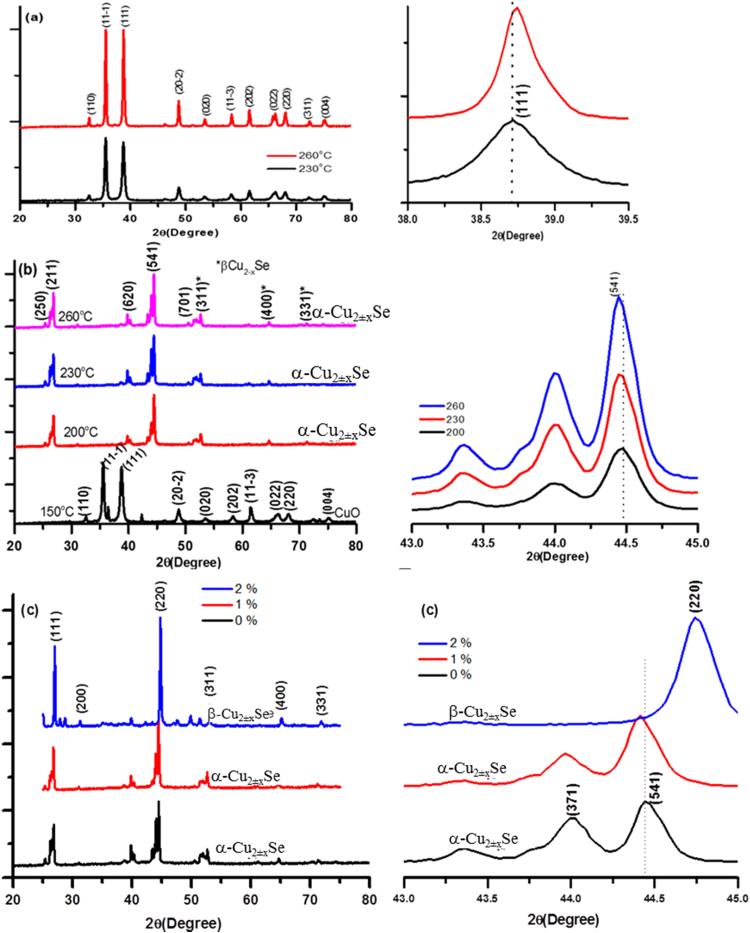
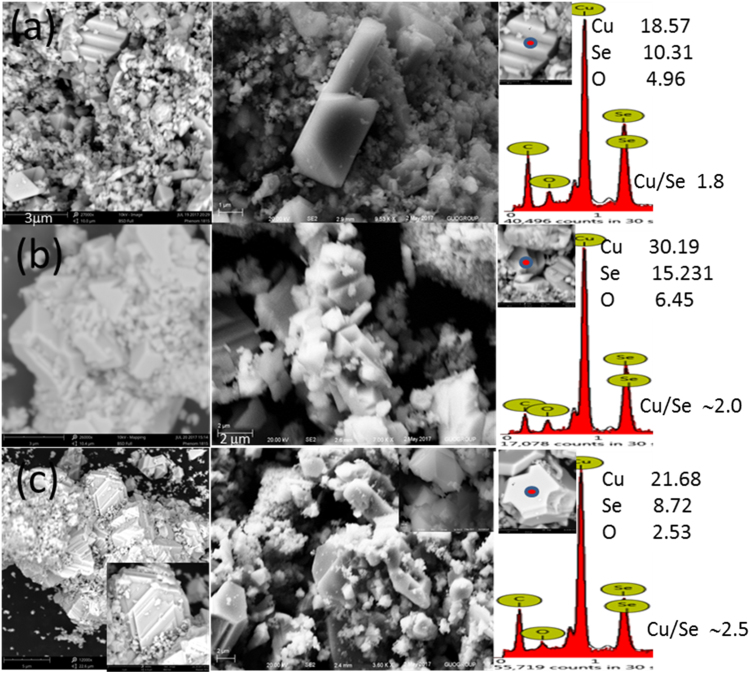
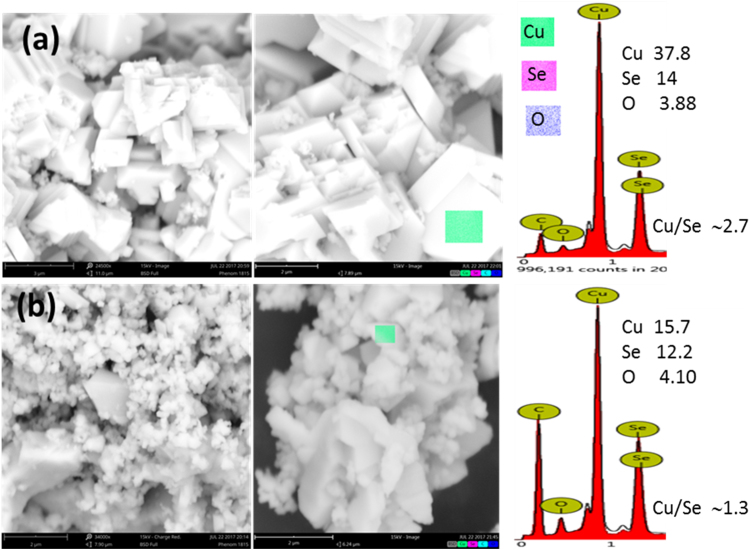
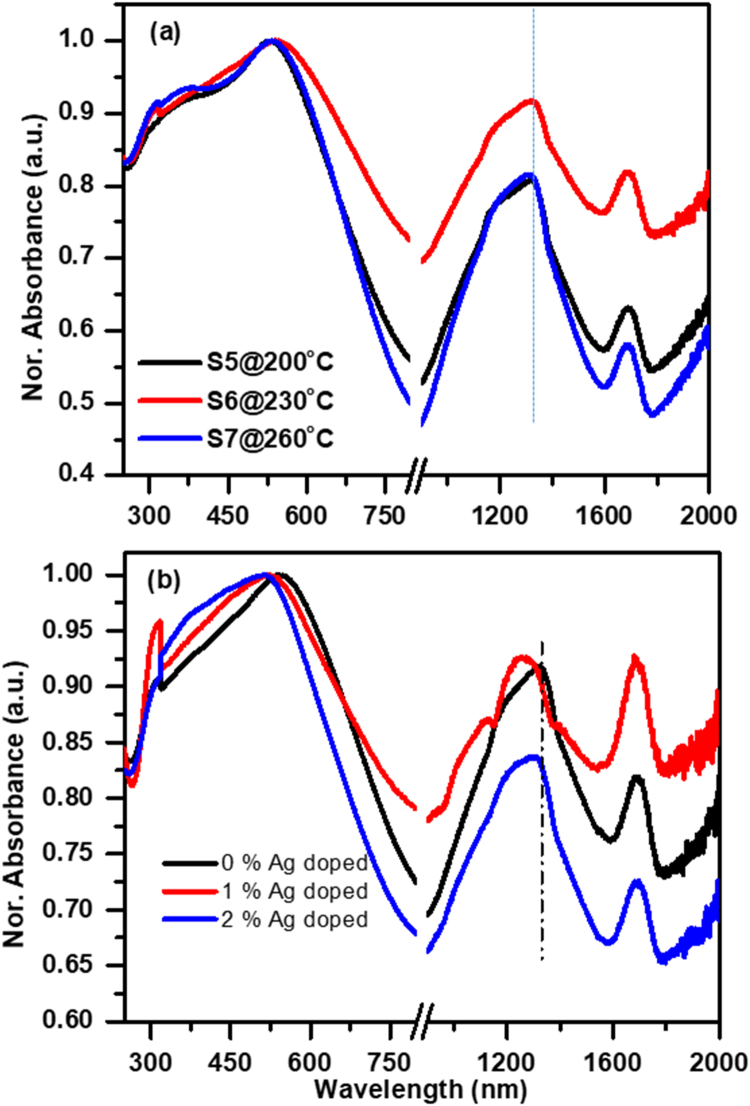
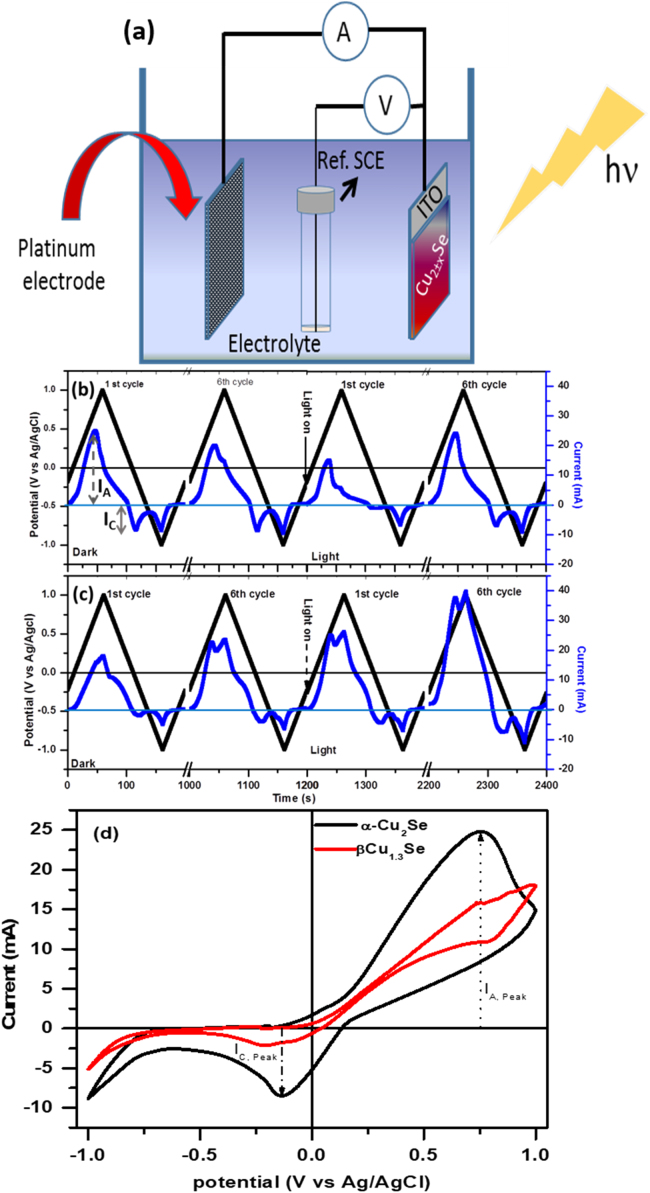
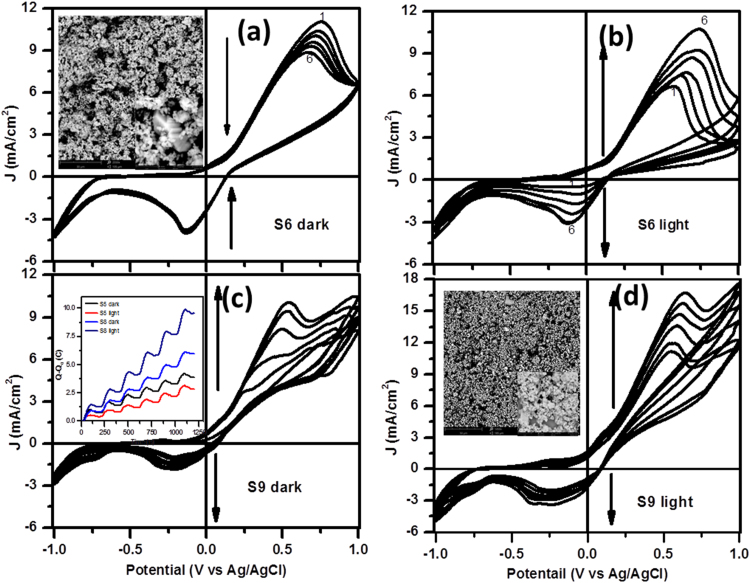
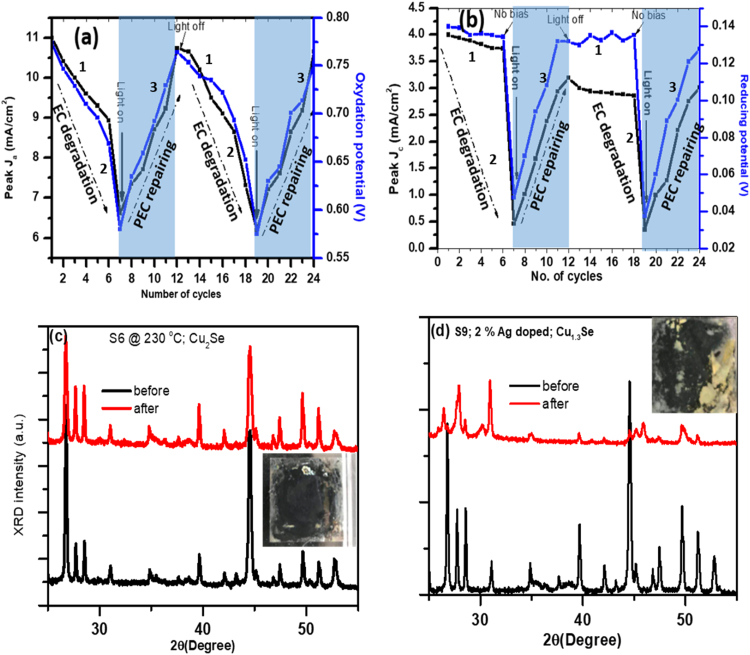
In nature, self-healing can be induced by sunlight for damage and wound repair, and this phenomenon is very important to living species for prolonging their lives. This self-repairing feature is obviously highly desirable for non-biological materials and manmade systems. In this paper, we demonstrate, for the first time, that battery electrodes can be self-repaired when exposed to sunlight. Here, we show that the optical, and photoelectrochemical (PEC) properties can be controlled by varying structural and compositional parameters of copper selenide nanocrystals (NCs). Cation to anion ratio in copper selenide (CuSe) NCs can be controlled over a wide range of 1.3-2.7 by simply changing the reaction temperature and impurity. Light-induced self-repairable behavior is demonstrated with electrochemical (EC) and PEC performances of electrodes made with stoichiometric copper selenide NCs. This nature-inspired, self-repairing behavior can be applied to batteries, supercapacitors, and photo-electrochemical fuel generators.
在自然界中,阳光可诱导自我修复以实现损伤和伤口修复,这种现象对于生物物种延长寿命非常重要。这种自我修复特性对于非生物材料和人造系统显然是非常可取的。在本文中,我们首次证明电池电极在暴露于阳光时可以自我修复。在此,我们表明,可以通过改变硒化铜纳米晶体(NCs)的结构和组成参数来控制其光学和光电化学(PEC)性质。通过简单地改变反应温度和杂质,硒化铜(CuSe)NCs中的阳离子与阴离子比率可以在1.3至2.7的宽范围内进行控制。用化学计量比的硒化铜NCs制成的电极的电化学(EC)和PEC性能证明了光诱导的自我修复行为。这种受自然启发的自我修复行为可应用于电池、超级电容器和光电化学燃料发生器。