Instituto de Botânica, Núcleo de Pesquisa do Orquidário do Estado, São Paulo, SP, 04301-902, Brazil.
Departamento de Botânica, Instituto de Biociências, Universidade Estadual Paulista, Rio Claro, SP, 13506-900, Brazil.
BMC Plant Biol. 2018 Sep 4;18(1):179. doi: 10.1186/s12870-018-1398-y.
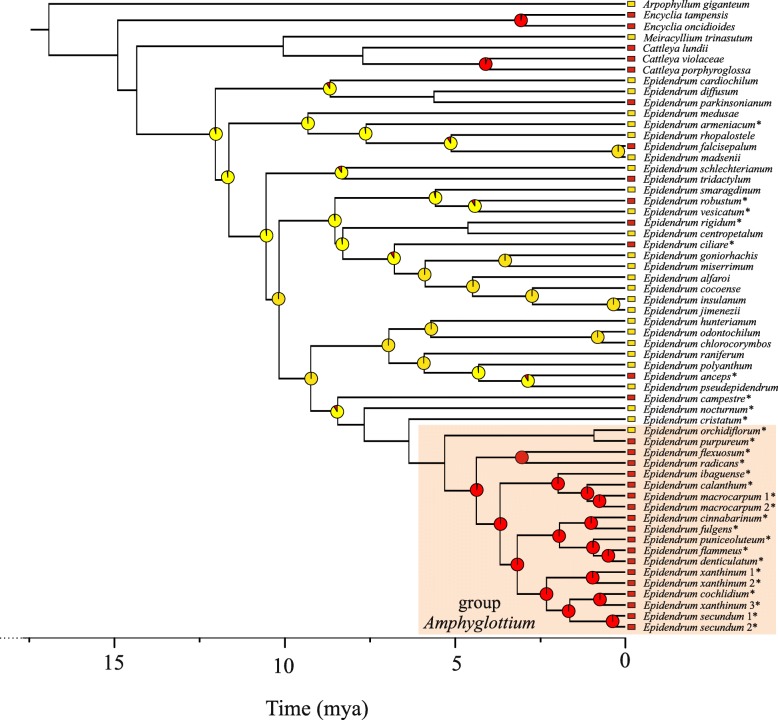
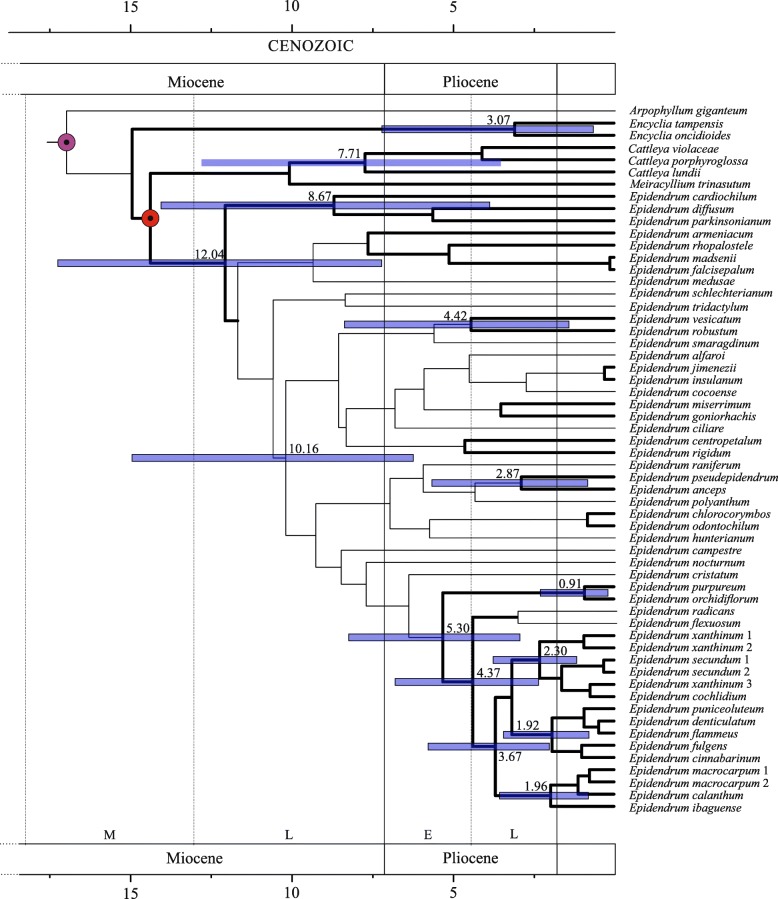
Nectar gain and loss are important flower transitions observed in angiosperms, and are particularly common in orchids. To understand such transitions, the availability of detailed anatomical data and species-level phylogenies are crucial. We investigated the evolution of food deception in Epidendrum, one of the largest orchid genera, using genus phylogeny to map transitions between nectar gain and loss among different clades. Associations between anatomical and histochemical changes and nectar gain and loss were examined using fresh material available from 27 species. The evolution of nectar presence/absence in Epidendrum species was investigated in a phylogenetic framework of 47 species, using one nuclear and five plastid DNA regions available from GenBank and sequenced in this study.
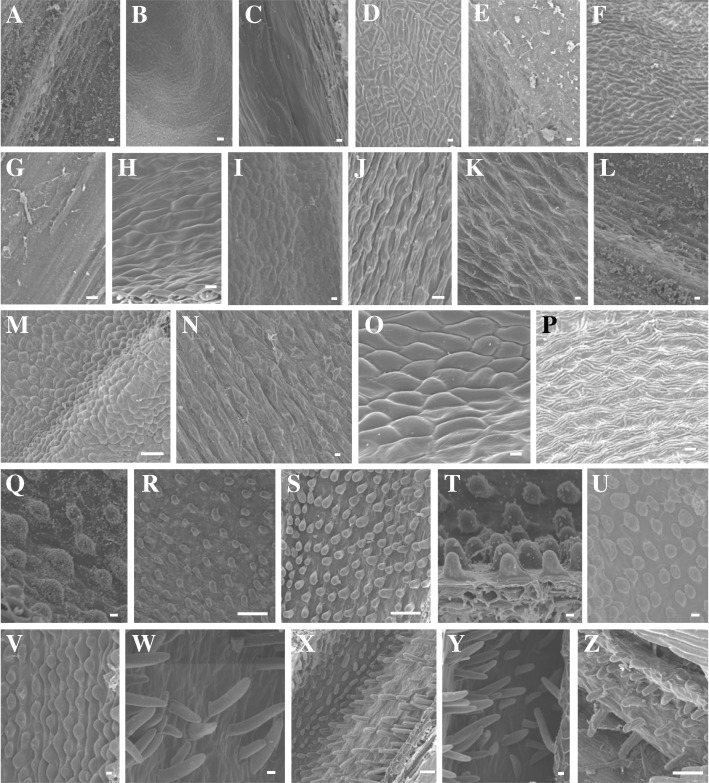
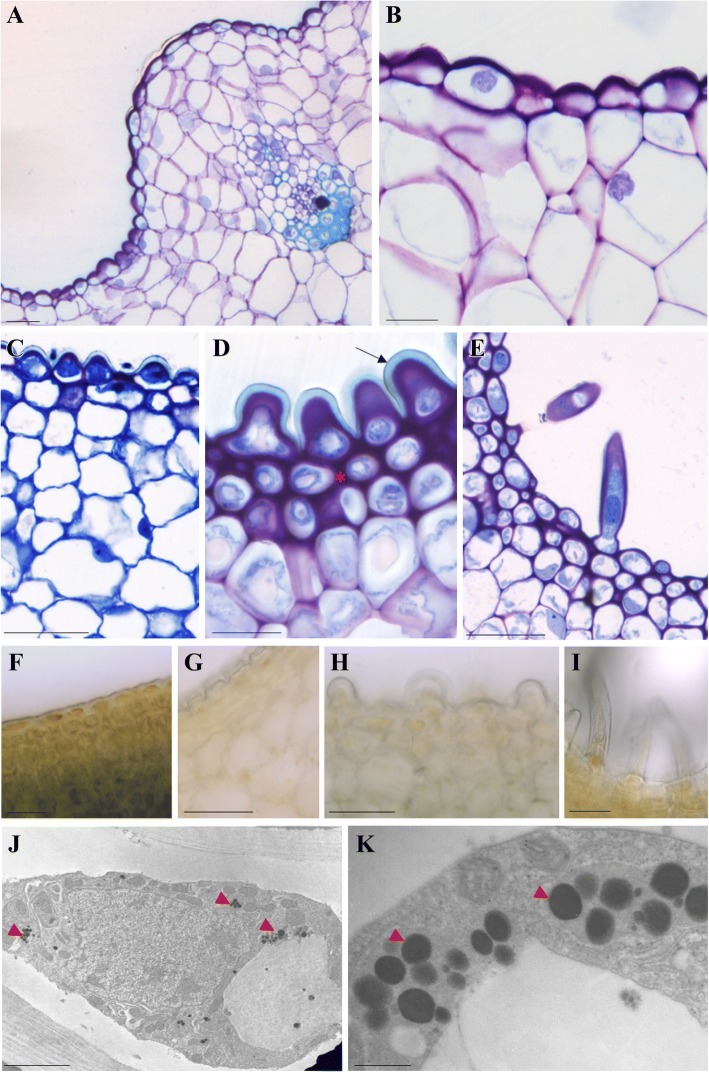
The presence or absence of nectar was strongly associated with changes in the inner epidermal tissues of nectaries. Nectar-secreting species have unornamented epidermal tissue, in contrast to the unicellular trichomes found on the epidermis of food deceptive species. Bayesian tests confirmed that transitions occurred preferentially from nectar presence to nectar absence across the Epidendrum phylogeny. In addition, independent nectar loss events were found across the phylogeny, suggesting a lack of constraint for these transitions.
Ornamented nectaries may play an important role in the deceptive pollination strategy by secreting volatile organic compounds and providing tactile stimuli to pollinators. The recurrent and apparently irreversible pattern of nectar loss in Epidendrum suggests that food deception may constitute an alternative evolutionarily stable strategy, as observed in other orchid groups.
花蜜的获得和丧失是被子植物中观察到的重要花部转变,在兰花中尤为常见。为了理解这些转变,详细的解剖学数据和种级系统发育的可用性至关重要。我们利用兰属的系统发育来研究不同进化枝之间花蜜获得和丧失的转变,从而研究了最大的兰花属之一兜兰属中食料性欺骗的进化。使用 27 个种的新鲜材料,研究了花蜜获得和丧失与解剖学和组织化学变化之间的关系。使用来自 GenBank 的一个核和五个质体 DNA 区,在 47 个种的系统发育框架中研究了 Epidendrum 种中花蜜的存在/不存在的进化。
花蜜的有无与蜜腺内表皮组织的变化密切相关。产花蜜的种具有无纹饰的表皮组织,而在食料性欺骗种的表皮上发现的单细胞毛状体。贝叶斯检验证实,在 Epidendrum 系统发育中,花蜜的存在向花蜜的缺失的转变更倾向于发生。此外,在系统发育中发现了独立的花蜜丧失事件,这表明这些转变缺乏约束。
有纹饰的蜜腺可能通过分泌挥发性有机化合物和向传粉者提供触觉刺激,在欺骗性传粉策略中发挥重要作用。Epidendrum 中花蜜反复且明显不可逆的丧失模式表明,食料性欺骗可能构成一种替代的进化稳定策略,正如在其他兰花类群中观察到的那样。