Institute of Molecular Cancer Research, University of Zurich, Winterthurerstrasse 190, CH-8057 Zurich, Switzerland.
Department of Chemistry, University of Zurich, Winterthurerstrasse 190, CH-8057 Zurich, Switzerland.
Cell Rep. 2018 Sep 4;24(10):2629-2642.e5. doi: 10.1016/j.celrep.2018.08.019.
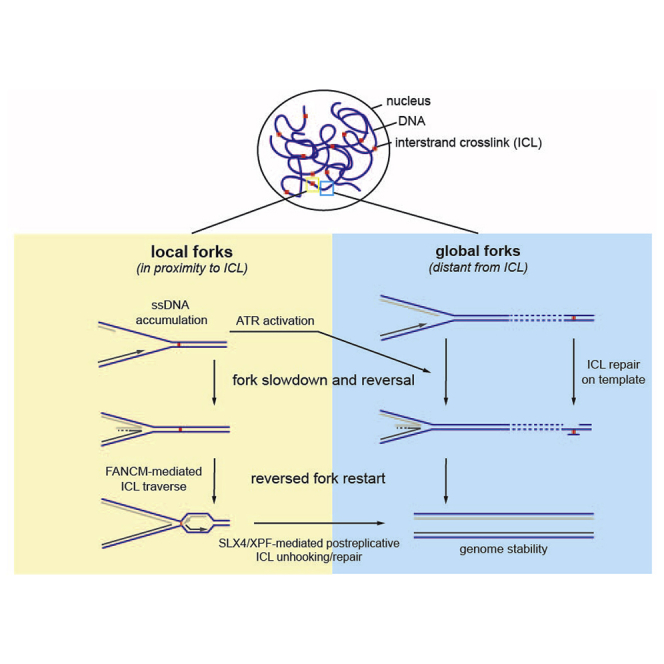
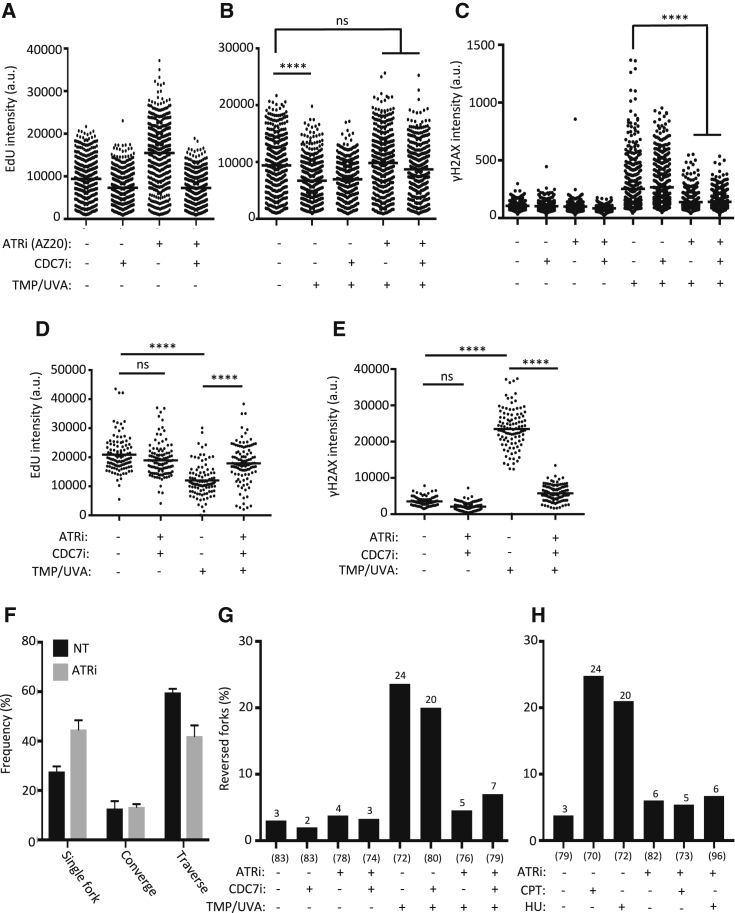
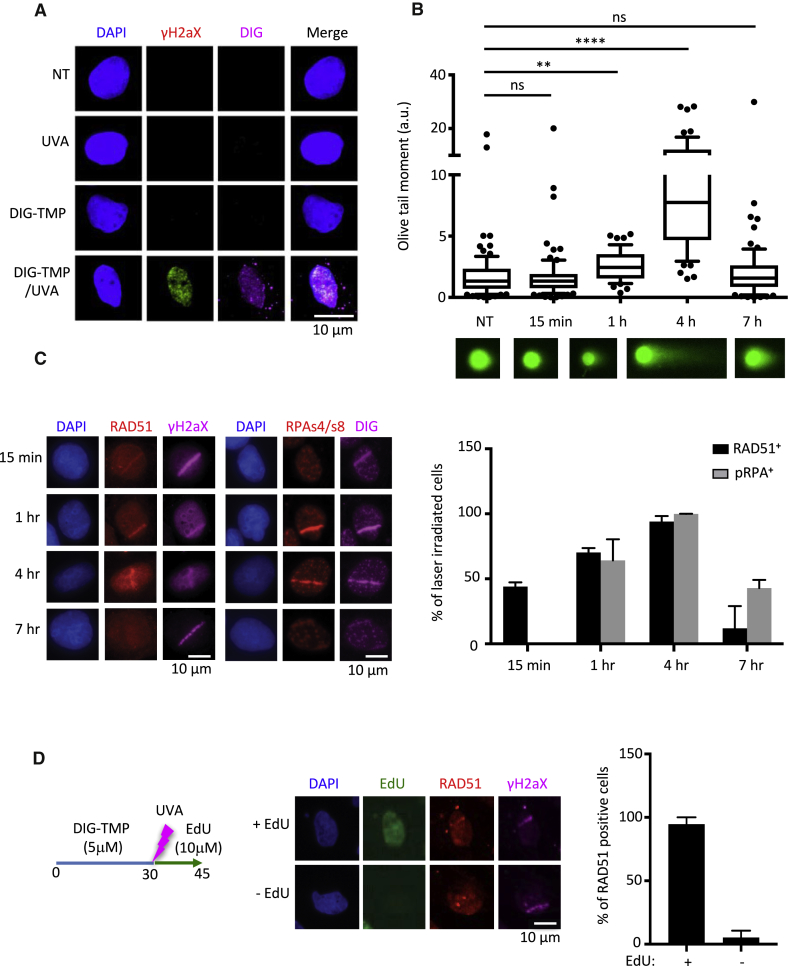
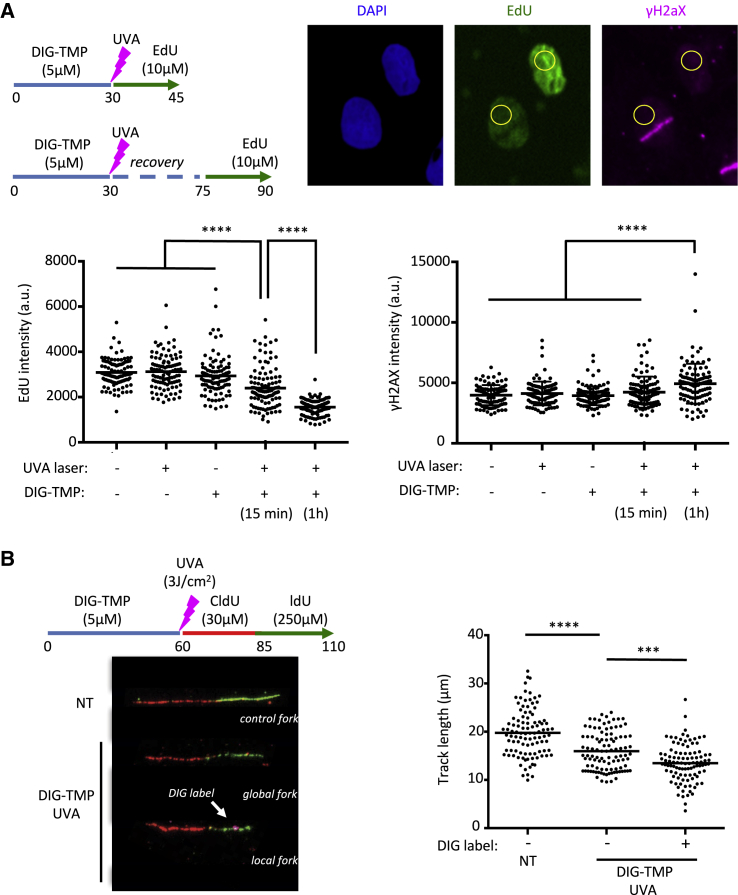
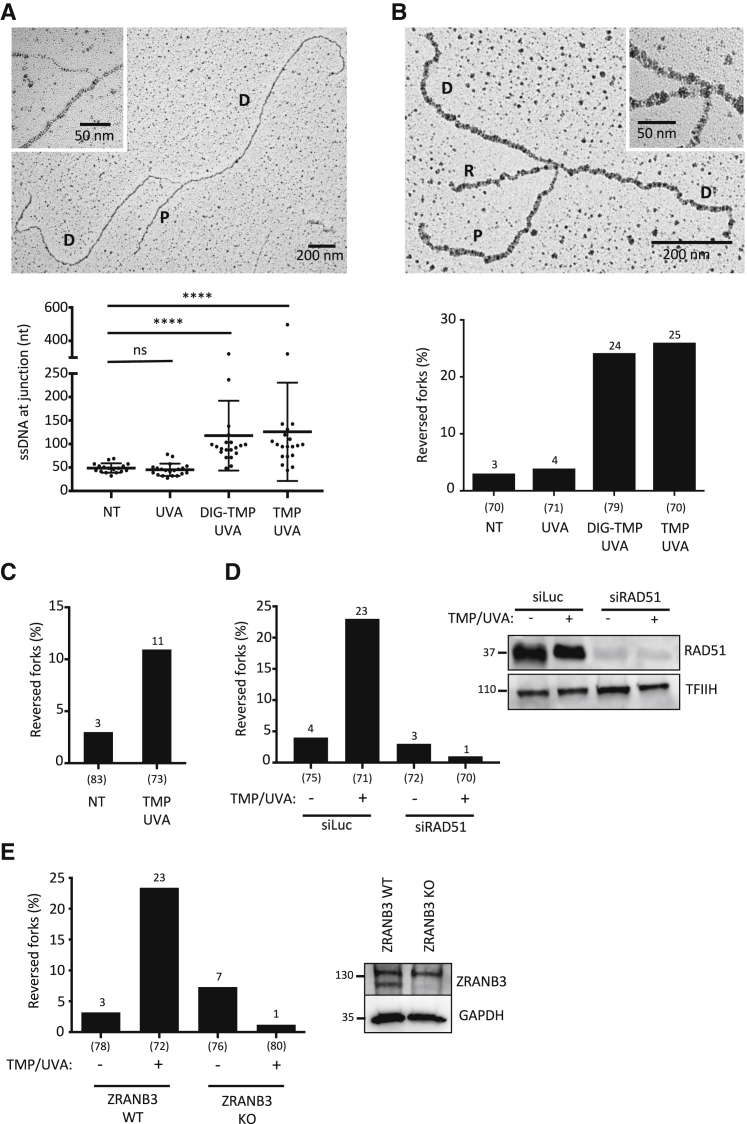
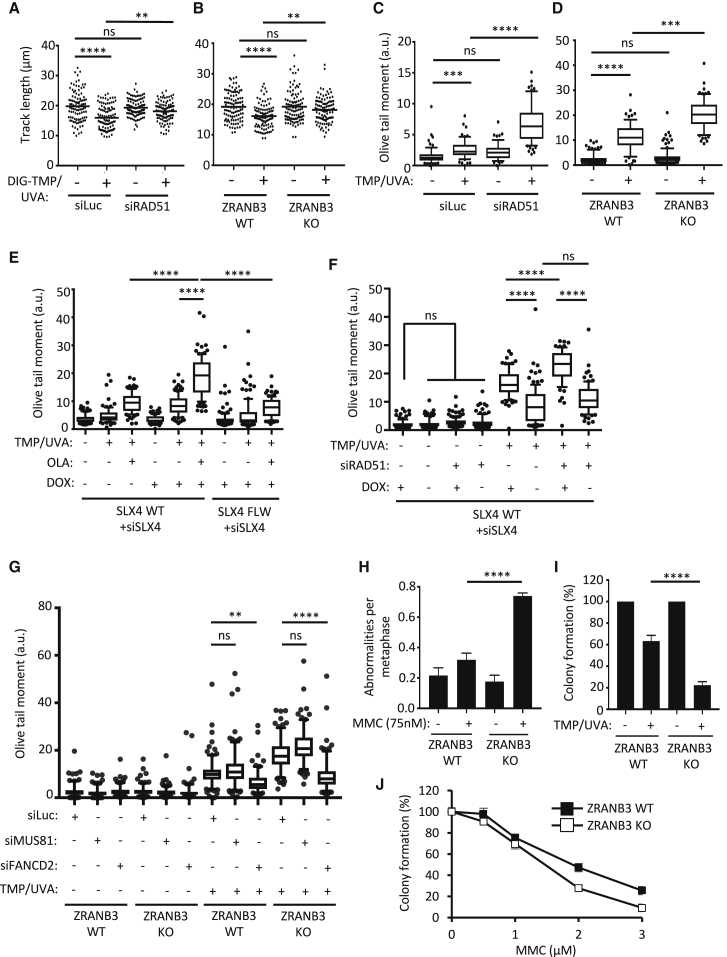
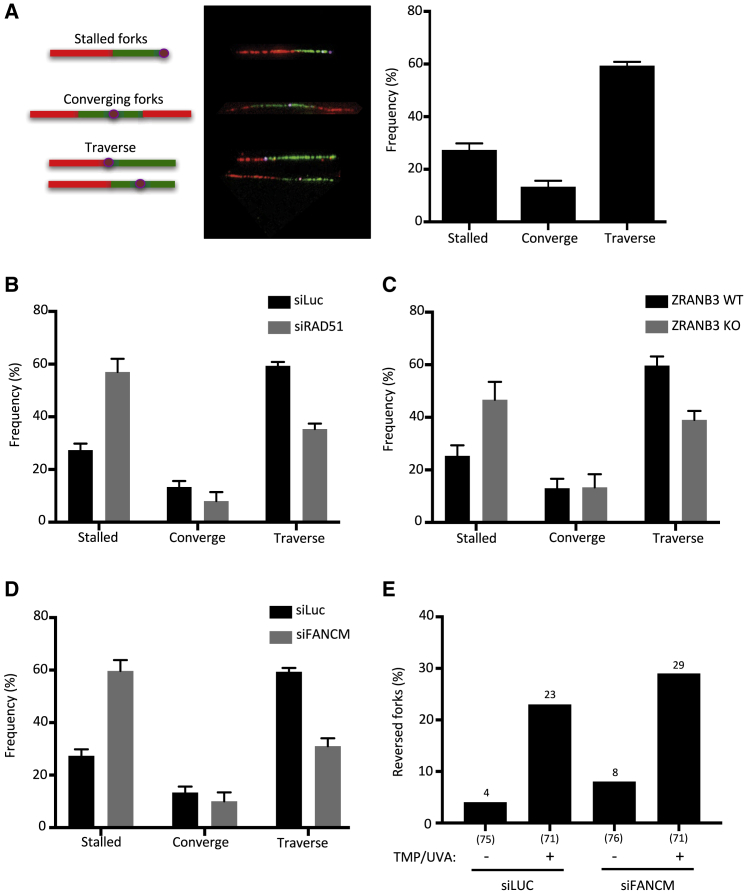
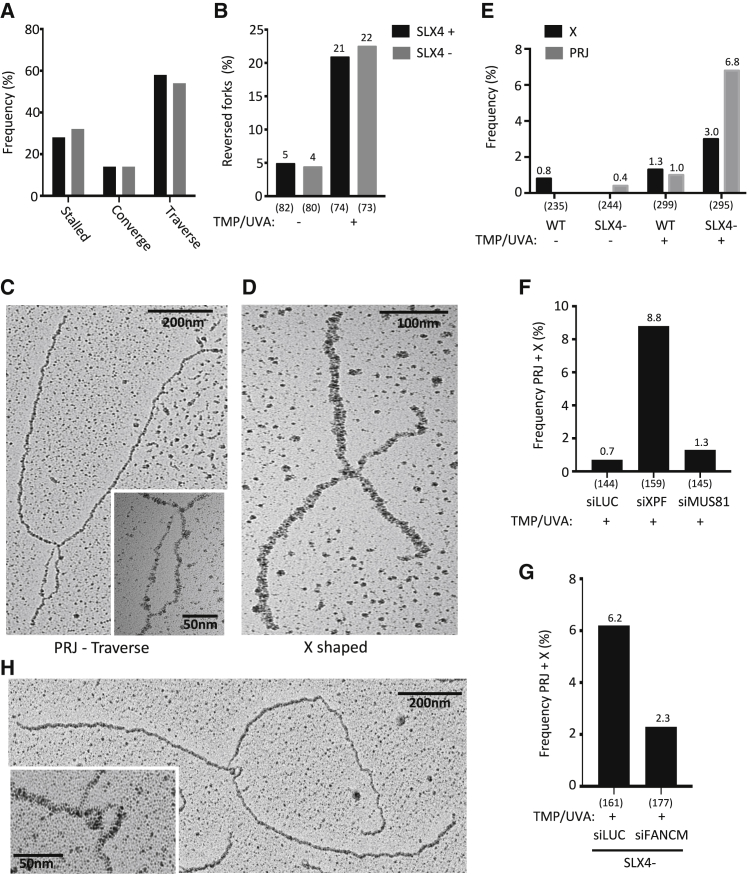
Interstrand cross-links (ICLs) are toxic DNA lesions interfering with DNA metabolism that are induced by widely used anticancer drugs. They have long been considered absolute roadblocks for replication forks, implicating complex DNA repair processes at stalled or converging replication forks. Recent evidence challenged this view, proposing that single forks traverse ICLs by yet elusive mechanisms. Combining ICL immunolabeling and single-molecule approaches in human cells, we now show that ICL induction leads to global replication fork slowing, involving forks not directly challenged by ICLs. Active fork slowing is linked to rapid recruitment of RAD51 to replicating chromatin and to RAD51/ZRANB3-mediated fork reversal. This global modulation of fork speed and architecture requires ATR activation, promotes single-fork ICL traverse-here, directly visualized by electron microscopy-and prevents chromosomal breakage by untimely ICL processing. We propose that global fork slowing by remodeling provides more time for template repair and promotes bypass of residual lesions, limiting fork-associated processing.
链间交联(ICLs)是一种毒性 DNA 损伤,会干扰 DNA 代谢,这是由广泛使用的抗癌药物引起的。它们长期以来被认为是复制叉的绝对障碍,涉及停滞或汇聚复制叉处复杂的 DNA 修复过程。最近的证据挑战了这一观点,提出单链通过尚未确定的机制穿过 ICL。我们现在通过在人类细胞中结合 ICL 免疫标记和单分子方法表明,ICL 的诱导导致全局复制叉减速,涉及到不受 ICL 直接挑战的叉。活跃的叉减速与 RAD51 迅速招募到复制染色质以及 RAD51/ZRANB3 介导的叉反转有关。这种叉速度和结构的全局调节需要 ATR 的激活,促进单链 ICL 的穿越——这里可以通过电子显微镜直接观察到——并防止由于过早的 ICL 处理而导致染色体断裂。我们提出,通过重塑全局减速提供了更多的模板修复时间,并促进了剩余损伤的旁路,限制了与叉相关的处理。