Laboratory of Immunobiology and Department of Medical Oncology, Dana-Farber Cancer Institute, Boston, MA 02115, USA; Botany and Microbiology Department, Faculty of Science, Al-Azhar University, Nasr City, Cairo 11884, Egypt; Department of Medicine, Harvard Medical School, Boston, MA 02115, USA.
Laboratory of Immunobiology and Department of Medical Oncology, Dana-Farber Cancer Institute, Boston, MA 02115, USA; Department of Medicine, Harvard Medical School, Boston, MA 02115, USA.
Vaccine. 2018 Oct 1;36(41):6191-6201. doi: 10.1016/j.vaccine.2018.08.014. Epub 2018 Sep 7.
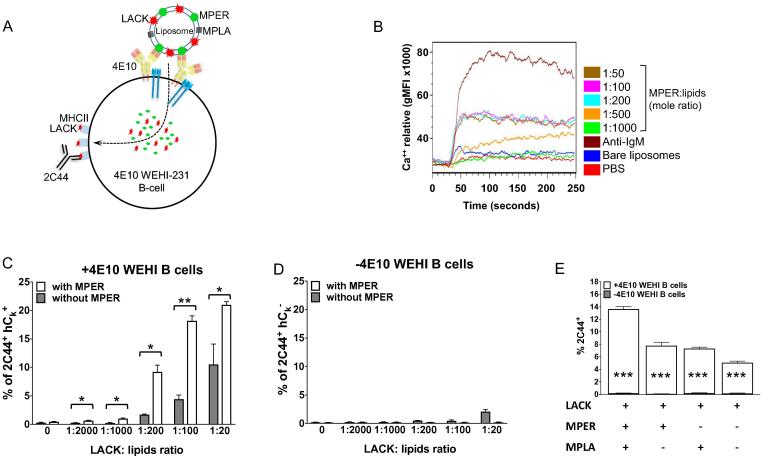
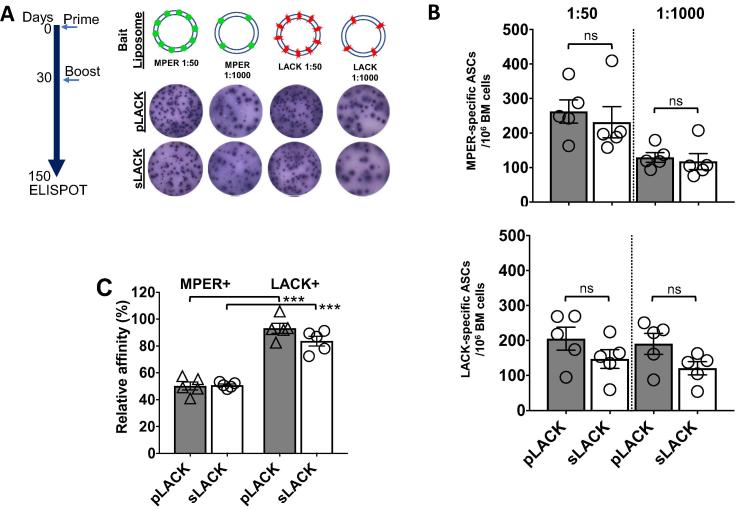
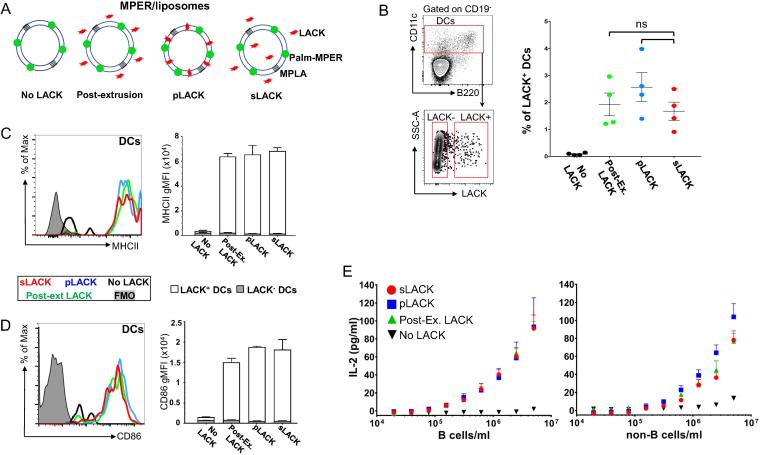
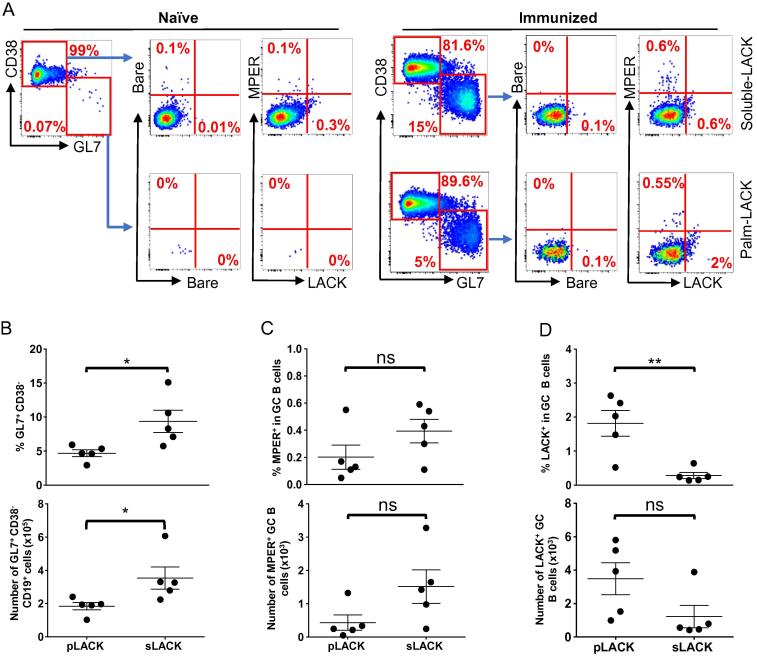
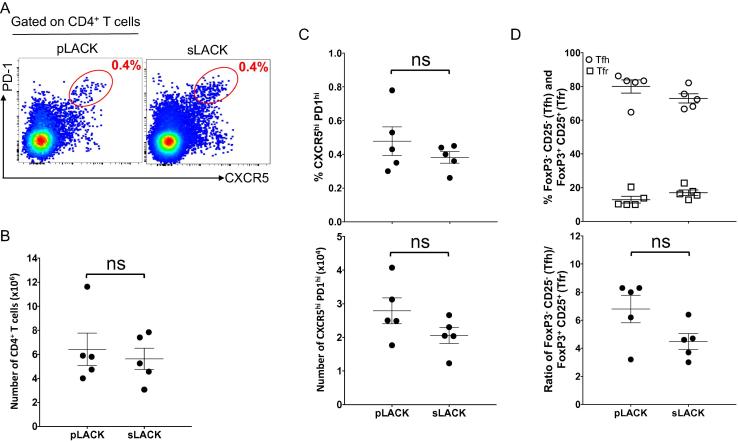
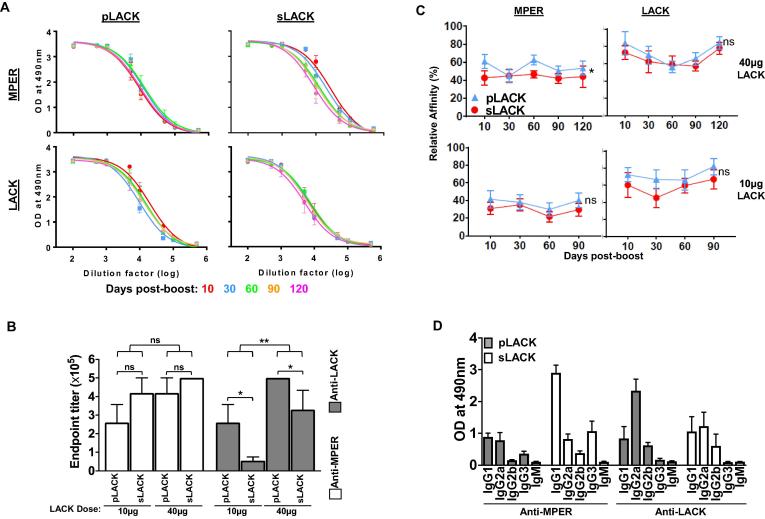
Liposomal vaccines incorporating adjuvant and CD4 T cell helper peptides enhance antibody responses against weakly immunogenic B cell epitopes such as found in the membrane proximal external region (MPER) of the HIV-1 gp41 subunit. While the inclusion of exogenous helper peptides in vaccine formulations facilitates stronger and more durable antibody responses, the helper peptide incorporation strategy per se may influence the overall magnitude and quality of B cell target antigen immunogenicity. Both variability in individual peptide encapsulation as well as the potential for liposome surface-associated helper peptides to misdirect the humoral response are potential parameters impacting outcome. In this study, we used MPER/liposome vaccines as a model system to examine how the mode of the potent LACK T helper peptide formulation modulates antibody responses against the MPER antigen. We directly compared liposome surface-arrayed palmitoyl LACK (pLACK) versus soluble LACK (sLACK) encapsulated in the liposomes and free in solution. Independent of LACK formulation methods, dendritic cell activation and LACK presentation were equivalent in vivo. The frequency of MPER-specific GC B cells promoted by sLACK was higher than that stimulated by pLACK formulation, a finding associated with a significantly greater frequency of LACK-specific GC B cells induced by pLACK. While there were no significant differences in the quantity of MPER-specific serological responses, the MPER-specific antibody titer trended higher with sLACK formulated vaccines at the lower dose of LACK. However, pLACK generated relatively greater MPER-specific antibody affinities than those induced by sLACK-formulated vaccines. Overall, the results suggest that liposomal surface-associated LACK enhances immunogenicity of LACK through better engagement of LACK-specific B cells. Of note, this is not detrimental to the induction of MPER-specific immune responses; rather, the elicitation of higher affinity anti-MPER antibodies benefits from augmented help delivered via covalent linkage of the pLACK CD4 T cell epitope in conjunction with MPER/liposome presentation.
脂质体疫苗结合佐剂和 CD4 T 细胞辅助肽可增强针对 HIV-1 gp41 亚单位膜近端外部区域(MPER)等弱免疫原性 B 细胞表位的抗体反应。虽然在疫苗配方中加入外源性辅助肽可促进更强和更持久的抗体反应,但辅助肽的加入策略本身可能会影响 B 细胞靶抗原免疫原性的整体幅度和质量。个体肽包封的变异性以及脂质体表面相关辅助肽误导体液反应的潜力是影响结果的潜在参数。在这项研究中,我们使用 MPER/脂质体疫苗作为模型系统,研究了强 LACK T 辅助肽制剂的模式如何调节针对 MPER 抗原的抗体反应。我们直接比较了脂质体表面排列的棕榈酰化 LACK(pLACK)与包裹在脂质体中的可溶性 LACK(sLACK)和游离在溶液中的 LACK。独立于 LACK 制剂方法,体内树突细胞的激活和 LACK 的呈递是等效的。sLACK 促进的 MPER 特异性 GC B 细胞的频率高于 pLACK 制剂刺激的频率,这一发现与 pLACK 诱导的 LACK 特异性 GC B 细胞的频率显著更高有关。虽然 MPER 特异性血清学反应的数量没有显著差异,但在较低剂量的 LACK 下,sLACK 配方疫苗的 MPER 特异性抗体滴度呈上升趋势。然而,pLACK 产生的 MPER 特异性抗体亲和力高于 sLACK 配方疫苗诱导的抗体亲和力。总体而言,结果表明,脂质体表面相关的 LACK 通过更好地结合 LACK 特异性 B 细胞来增强 LACK 的免疫原性。值得注意的是,这并不会对诱导 MPER 特异性免疫反应产生不利影响;相反,通过与 MPER/脂质体呈递相结合的共价连接增强 pLACK CD4 T 细胞表位的辅助作用,可以诱导产生更高亲和力的抗-MPER 抗体。