Zhao Youyi, Zhang Li, Wang Mengmeng, Yu Jianping, Yang Jiping, Liu Aidong, Yao Han, Liu Xinyu, Shen Yahui, Guo Baolin, Wang Yazhou, Wu Shengxi
Department of Neurobiology and Institute of Neurosciences, School of Basic Medicine, Fourth Military Medical University, Xi'an, China.
School of Basic Medicine, Chengdu Medical College, Chengdu, China.
Front Mol Neurosci. 2018 Aug 24;11:296. doi: 10.3389/fnmol.2018.00296. eCollection 2018.
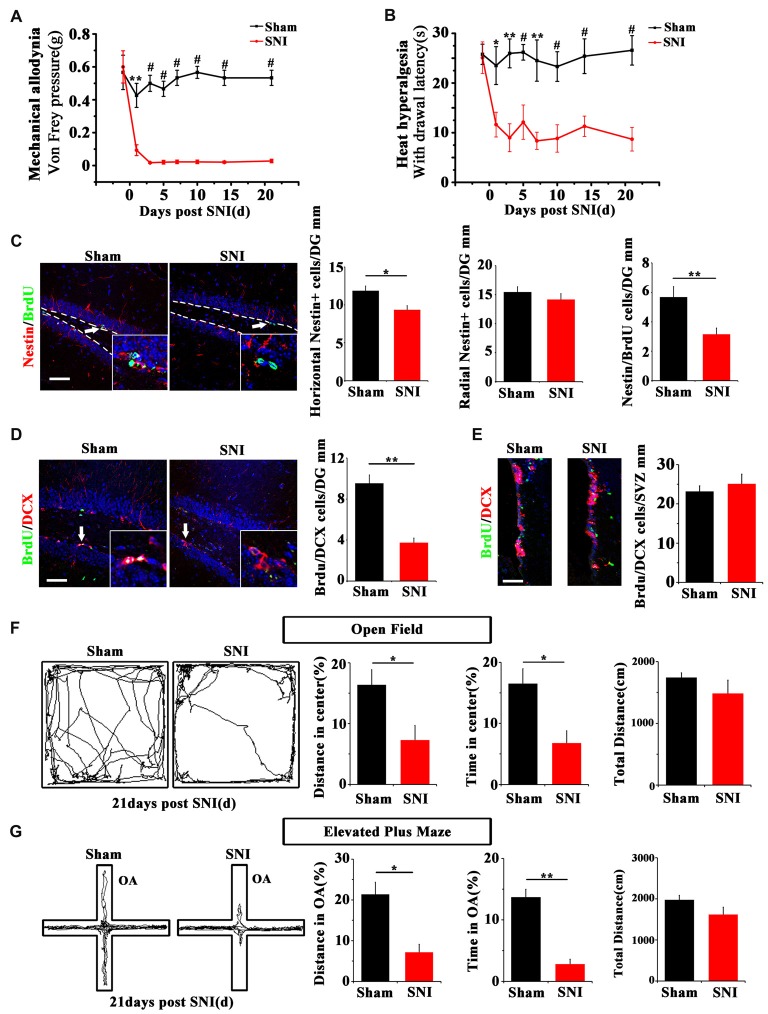
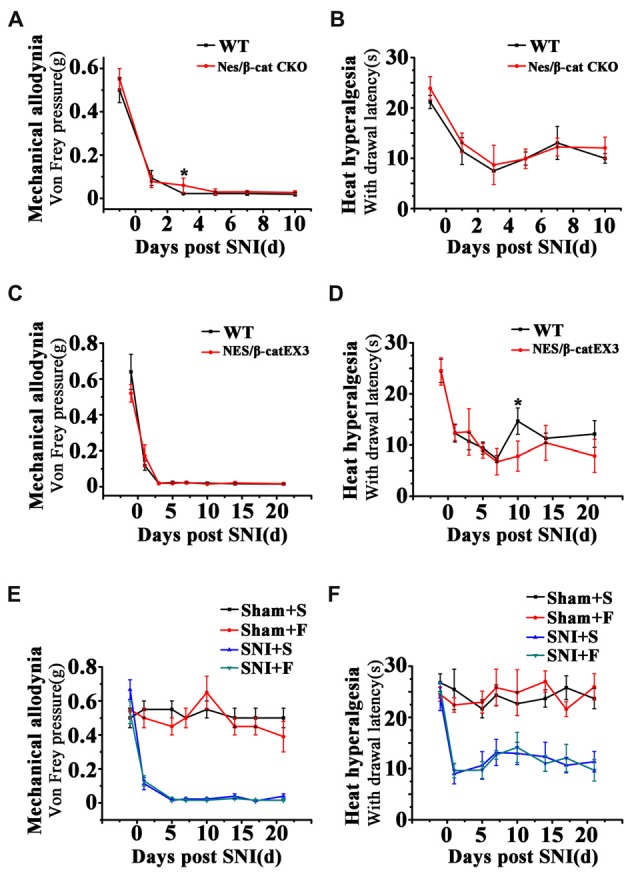
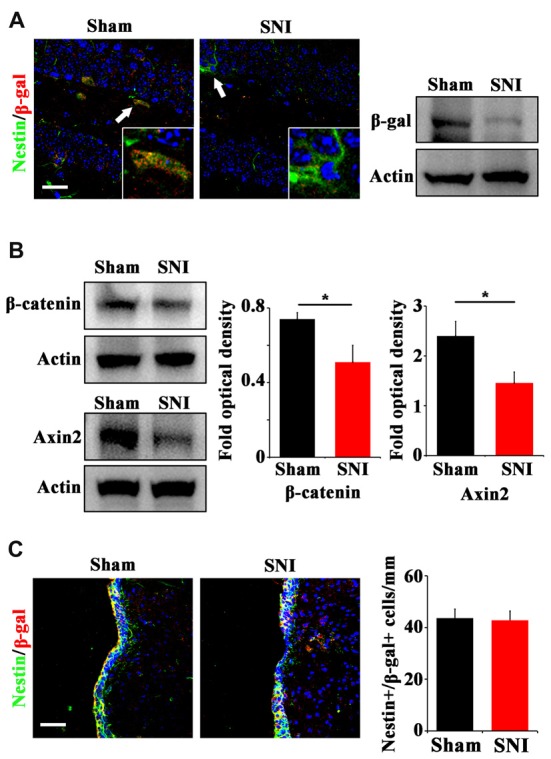
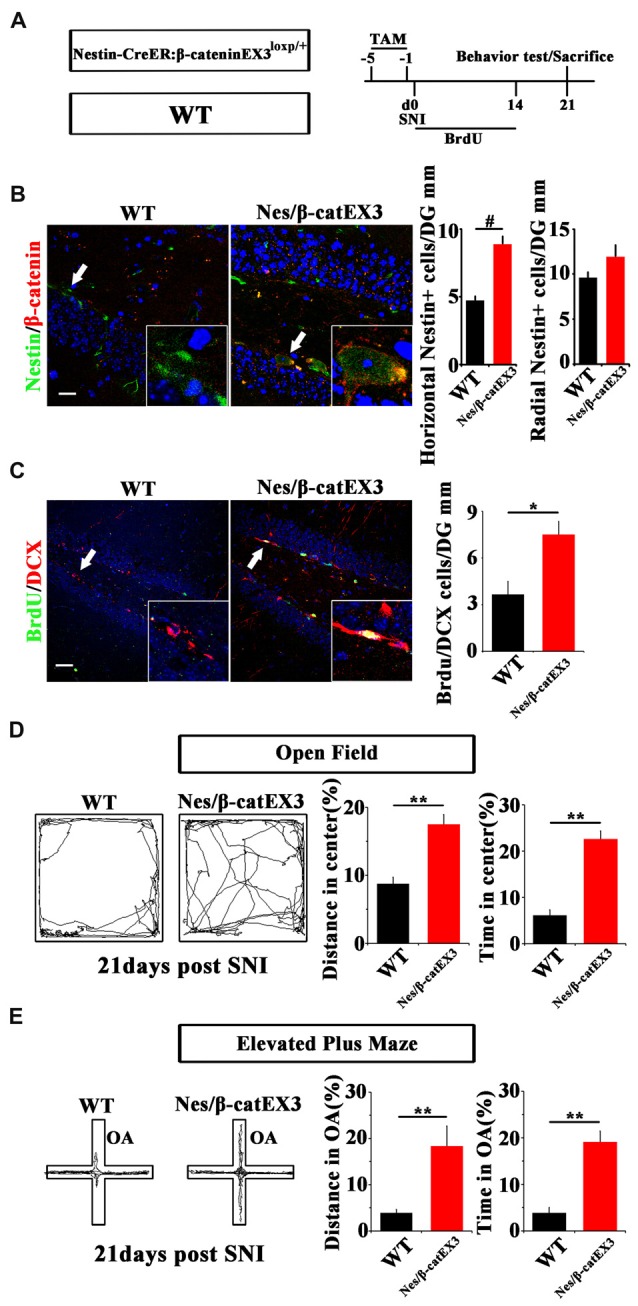
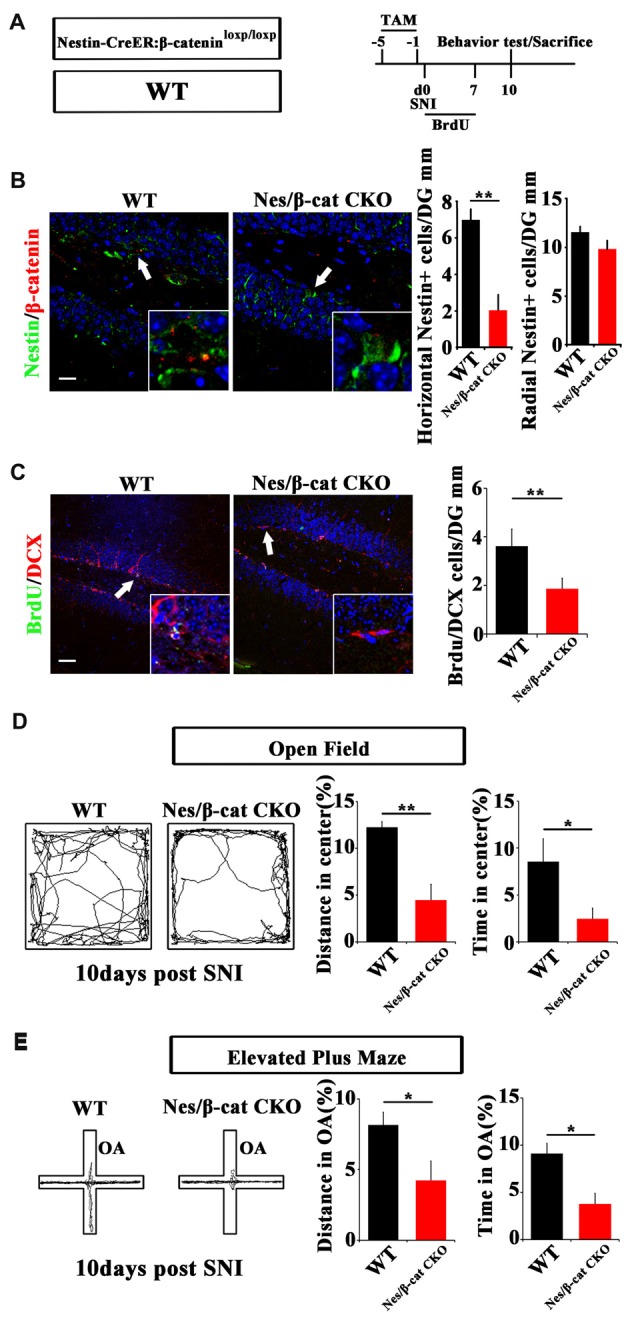
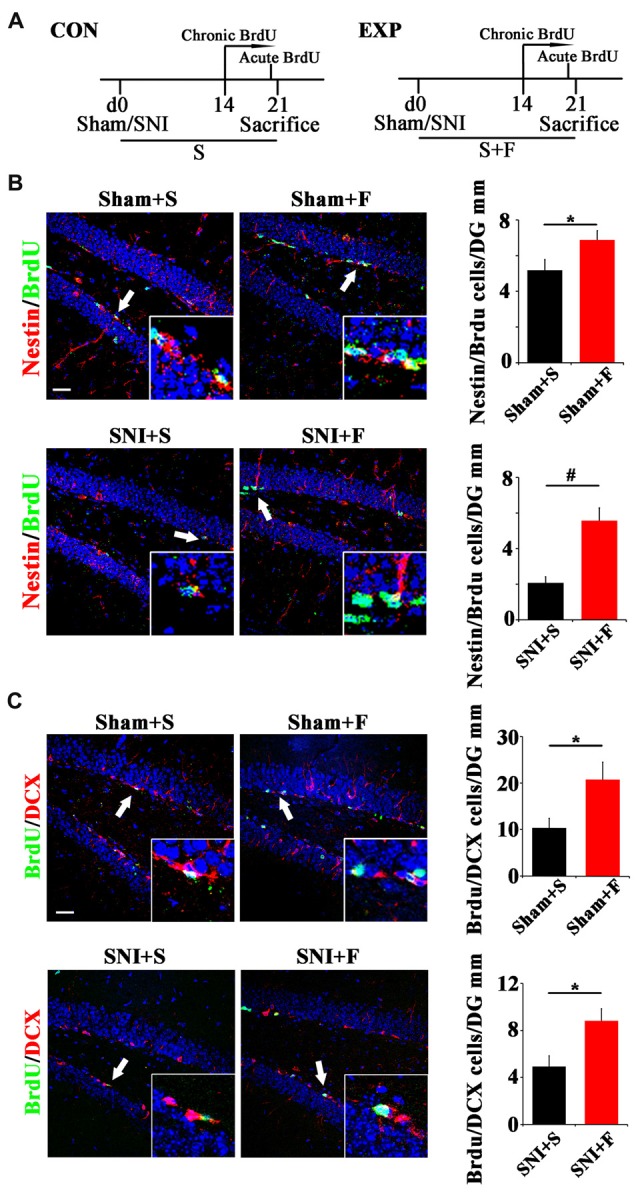
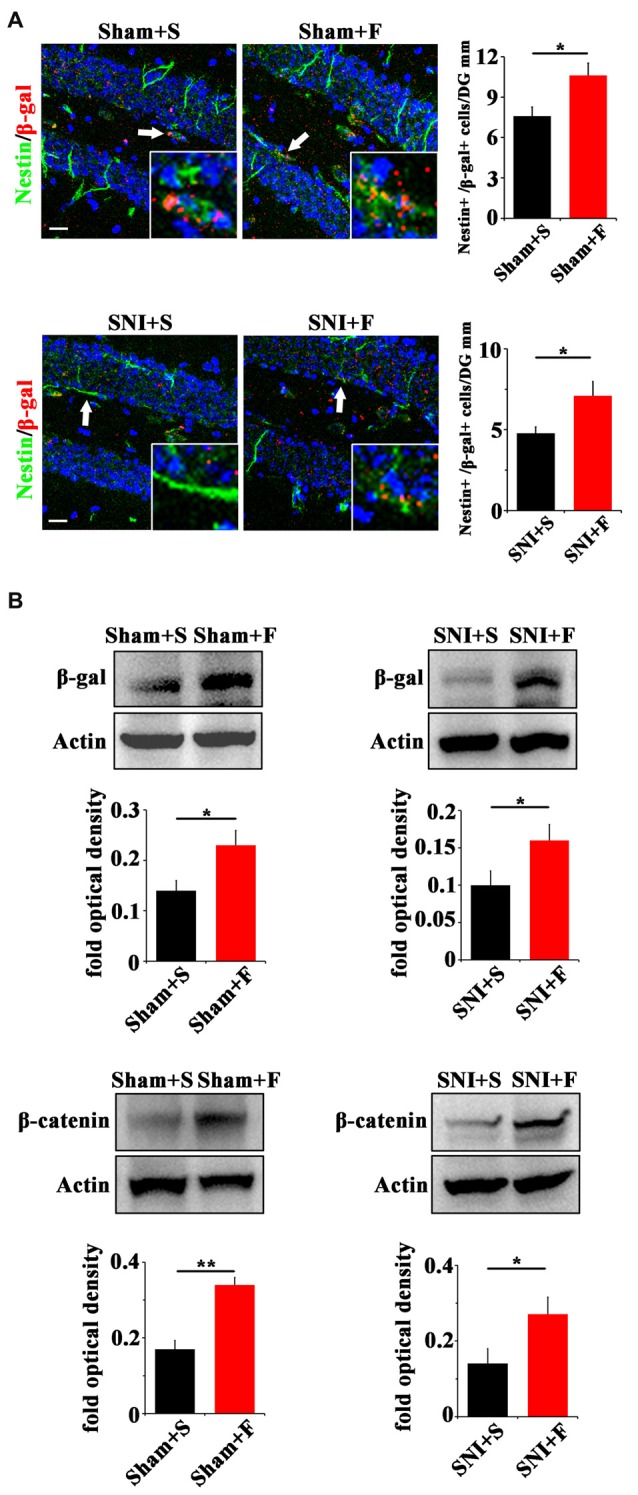
Chronic pain usually results in persistent anxiety, which worsens the life quality of patients and complicates the treatment of pain. Hippocampus is one of the few brain regions in many mammalians species which harbors adult neural stem cells (NSCs), and plays a key role in the development and maintenance of chronic anxiety. Recent studies have suggested a potential involvement of hippocampal neurogenesis in modulating chronic pain. Whether and how hippocampal NSCs are involved in the pain-associated anxiety remains unclear. Here, we report that mice suffering persistent neuropathic pain showed a quick reduction of active NSCs in the ventral dentate gyrus (vDG), which was followed by the decrease of neurogenesis and appearance of anxiety. Wnt/β-catenin signaling, a key pathway in sustaining the active status of NSCs was suppressed in the vDG of mice suffering chronic pain. Depleting β-catenin by inducible Nestin-Cre significantly reduced the number of active NSCs and facilitated anxiety development, while expressing stabilized β-catenin amplified active NSCs and alleviated anxiety, indicating that Wnt activated NSCs is required for anxiety development under chronic pain. Treatment with Fluoxetine, the most widely used anxiolytic in clinic, significantly increased the proliferation of active NSCs and enhanced Wnt signaling. Interestingly, both β-catenin manipulation and Fluoxetine treatment had no significant effects on the pain thresholds. Therefore, our data demonstrated an anxiety-specific response and contribution of activated NSCs to chronic pain through Wnt/β-catenin signaling, which may be targeted for treating chronic pain- or other diseases-associated anxiety.
慢性疼痛通常会导致持续性焦虑,这会恶化患者的生活质量,并使疼痛治疗复杂化。海马体是许多哺乳动物物种中少数几个含有成年神经干细胞(NSC)的脑区之一,在慢性焦虑的发生和维持中起关键作用。最近的研究表明,海马神经发生可能参与调节慢性疼痛。海马神经干细胞是否以及如何参与与疼痛相关的焦虑尚不清楚。在此,我们报告,患有持续性神经性疼痛的小鼠腹侧齿状回(vDG)中的活跃神经干细胞迅速减少,随后神经发生减少并出现焦虑。Wnt/β-连环蛋白信号通路是维持神经干细胞活跃状态的关键途径,在患有慢性疼痛的小鼠vDG中受到抑制。通过诱导性Nestin-Cre敲除β-连环蛋白可显著减少活跃神经干细胞的数量并促进焦虑的发展,而表达稳定的β-连环蛋白可增加活跃神经干细胞的数量并减轻焦虑,这表明在慢性疼痛下,Wnt激活的神经干细胞是焦虑发展所必需的。临床上最广泛使用的抗焦虑药物氟西汀治疗可显著增加活跃神经干细胞的增殖并增强Wnt信号。有趣的是,β-连环蛋白调控和氟西汀治疗对疼痛阈值均无显著影响。因此,我们的数据表明,激活的神经干细胞通过Wnt/β-连环蛋白信号通路对慢性疼痛产生焦虑特异性反应并发挥作用,这可能是治疗慢性疼痛或其他疾病相关焦虑的靶点。