Tromans Samuel, Chester Verity, Kiani Reza, Alexander Regi, Brugha Terry
Department of Health Sciences, University of Leicester, Leicester, Leicestershire, United Kingdom.
Leicestershire Partnership NHS Trust, Leicester, Leicestershire, United Kingdom.
Clin Pract Epidemiol Ment Health. 2018 Aug 29;14:177-187. doi: 10.2174/1745017901814010177. eCollection 2018.
Whilst the prevalence of autism spectrum disorders in adults within the community setting is well-established, less is known about the prevalence among adults based within a psychiatric inpatient setting.
To conduct a systematic literature review pertaining to the prevalence of autism spectrum disorders among the adult psychiatric inpatient population.
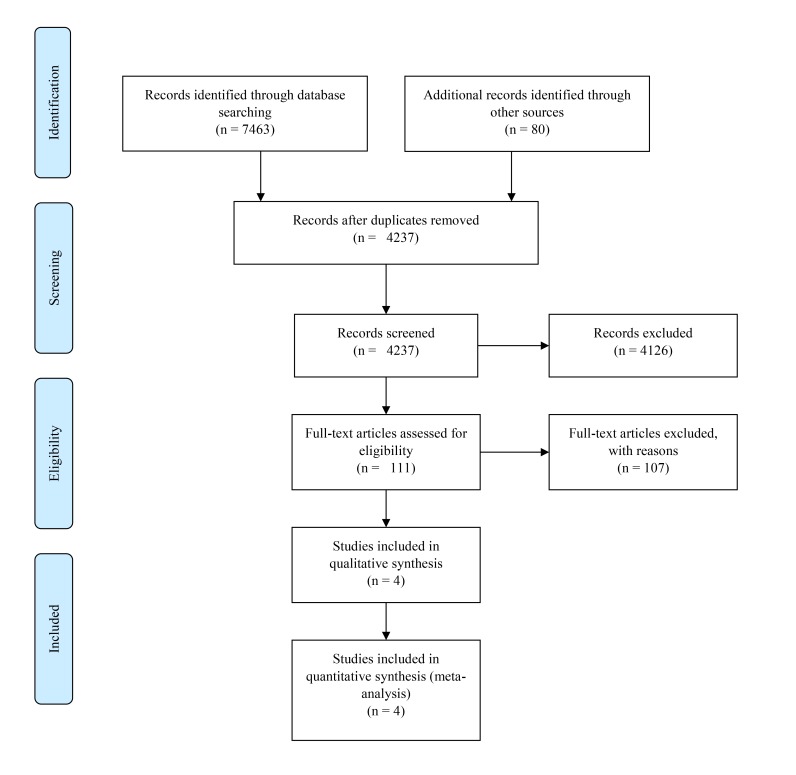
Eligibility criteria included: (a) investigation of the prevalence of autism spectrum disorders (b) adult psychiatric inpatient study population (c) published in English language. Electronic databases accessed included PubMed, Medline, CINAHL, PsycINFO and EMBASE. Additionally, the ancestry method was utilised for the references of eligible papers, as well as grey literature searches and consultation with experts in the field.
From the search, 4 studies were identified which satisfied the inclusion criteria, conducted in a variety of inpatient psychiatric settings, including secure forensic and intellectual disability units and a state psychiatric hospital. There were significant differences in methodological approaches, including the screening tests, diagnostic instruments and diagnostic criteria utilised. Autism spectrum disorder prevalence estimates varied considerably, from 2.4-9.9%.
From the limited research data currently available, it appears that the prevalence of autism spectrum disorders is increased in inpatient psychiatric settings relative to the general population. There is a need for further high quality research in this patient group, to add to this limited evidence base, as well as in developing effective strategies to identify patients with a high likelihood of autism spectrum disorders within this setting.
虽然社区环境中成人自闭症谱系障碍的患病率已得到充分证实,但对于精神病住院患者中成人自闭症谱系障碍的患病率了解较少。
对成人精神病住院患者中自闭症谱系障碍的患病率进行系统的文献综述。
纳入标准包括:(a)对自闭症谱系障碍患病率的调查;(b)成人精神病住院研究人群;(c)以英文发表。检索的电子数据库包括PubMed、Medline、CINAHL、PsycINFO和EMBASE。此外,对符合条件论文的参考文献采用追溯法,同时进行灰色文献检索并咨询该领域专家。
通过检索,确定了4项符合纳入标准的研究,这些研究在各种住院精神病环境中进行,包括安全的法医和智力残疾病房以及一家州立精神病医院。在方法学上存在显著差异,包括所使用的筛查测试、诊断工具和诊断标准。自闭症谱系障碍患病率估计差异很大,从2.4%到9.9%不等。
从目前有限的研究数据来看,相对于一般人群,精神病住院患者中自闭症谱系障碍的患病率似乎有所增加。需要对该患者群体进行进一步的高质量研究,以扩充这一有限的证据基础,并制定有效的策略来识别该环境中自闭症谱系障碍可能性较高的患者。