Hanft Dominik, Glosse Philipp, Denneler Stefan, Berthold Thomas, Oomen Marijn, Kauffmann-Weiss Sandra, Weis Frederik, Häßler Wolfgang, Holzapfel Bernhard, Moos Ralf
Department of Functional Materials, University of Bayreuth, 95447 Bayreuth, Germany.
Siemens AG, Corporate Technology, 81739 Munich, Germany.
Materials (Basel). 2018 Sep 1;11(9):1572. doi: 10.3390/ma11091572.
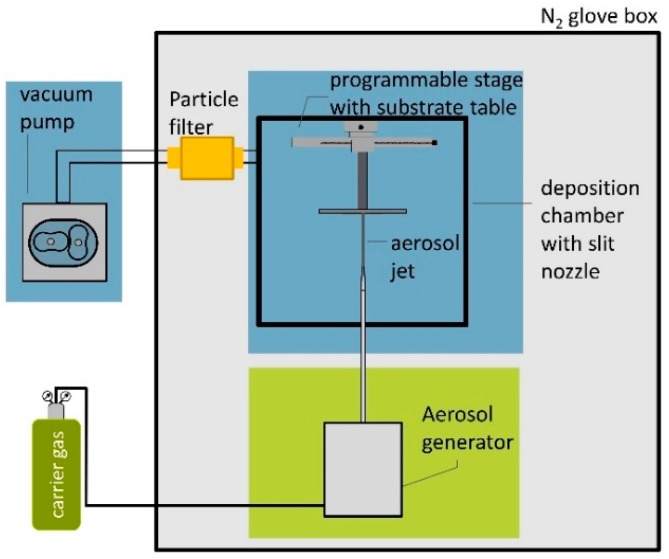
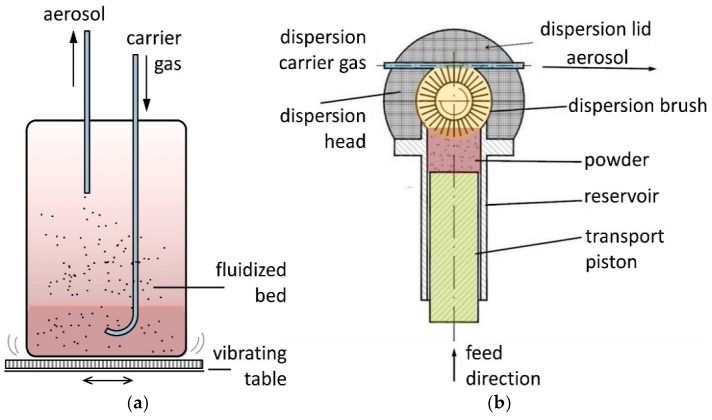
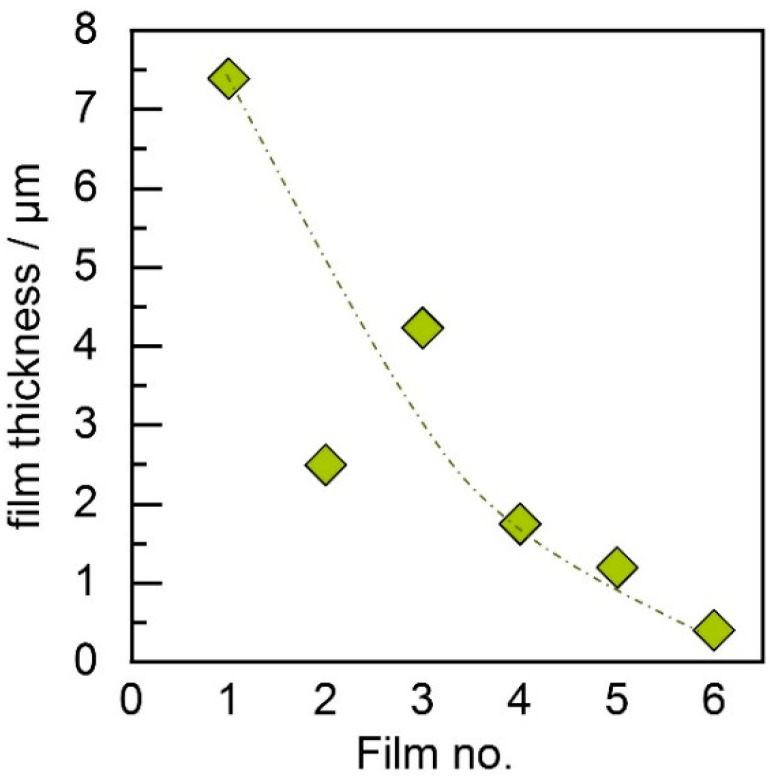
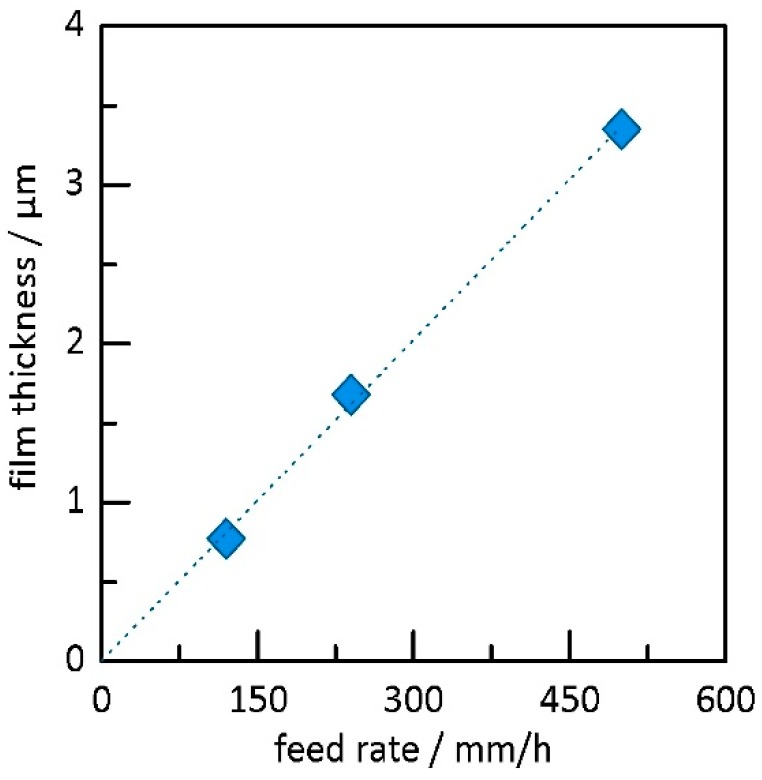
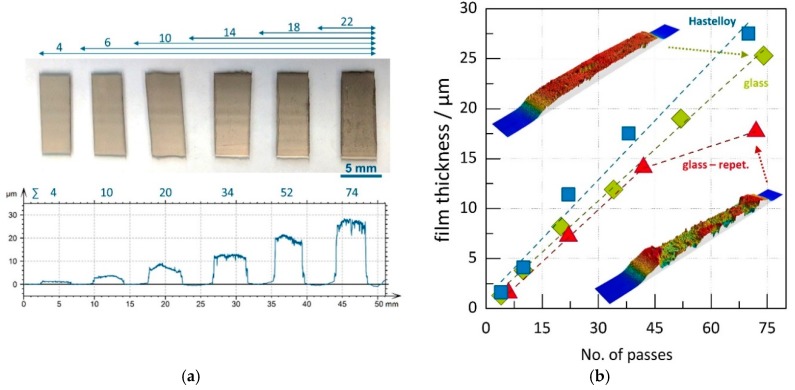
Owing to its ability to produce dense thick-films at room temperature directly from a ceramic powder, the Aerosol Deposition Method (AD) possesses a unique feature in ceramics processing. For this technology, the aerosol generation of particles is a decisive part of reliable process control. However, there has only been a small amount of work published addressing this topic. In this work, we compare the aerosolization and deposition behavior of a fluidized bed generator with an aerosol generator with the rotary brush principle. While film properties very much depend on deposition time for the fluidized bed generator, films produced with the brush generator show a constant film profile, and their film thickness correlates with the controllable aerosol concentration and the duration of deposition. This type of aerosol generation may improve the setup towards a more reliable AD process.
由于气溶胶沉积法(AD)能够在室温下直接从陶瓷粉末制备致密厚膜,因此在陶瓷加工方面具有独特的特性。对于该技术而言,颗粒的气溶胶生成是可靠过程控制的决定性部分。然而,针对这一主题发表的研究工作较少。在本研究中,我们将流化床发生器和气溶胶发生器的雾化和沉积行为进行了比较,后者采用旋转刷原理。流化床发生器制备的薄膜性能在很大程度上取决于沉积时间,而刷式发生器制备的薄膜呈现出恒定的薄膜轮廓,并且其膜厚与可控的气溶胶浓度和沉积持续时间相关。这种气溶胶生成方式可能会改进装置,从而实现更可靠的气溶胶沉积过程。