Comesaña Sara, Velasco Cristina, Conde-Sieira Marta, Míguez Jesús M, Soengas José L, Morais Sofía
Laboratorio de Fisioloxía Animal, Departamento de Bioloxía Funcional e Ciencias da Saúde, Facultade de Bioloxía and Centro de Investigación Mariña, Universidade de Vigo, Vigo, Spain.
Lucta S.A., Innovation Division, UAB Research Park, Bellaterra, Spain.
Front Physiol. 2018 Aug 28;9:1209. doi: 10.3389/fphys.2018.01209. eCollection 2018.
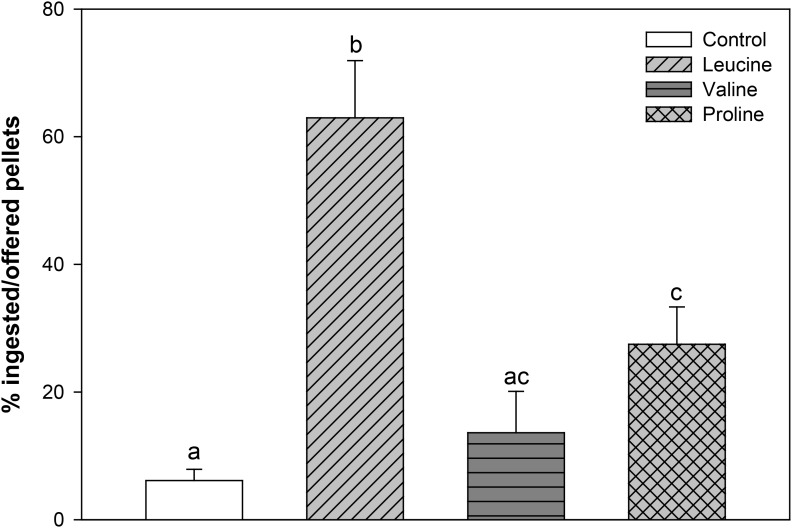
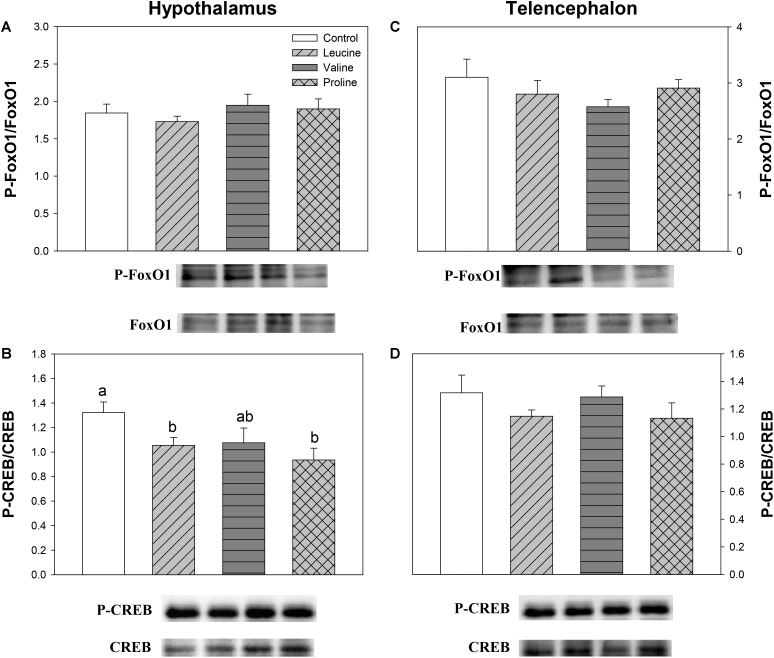
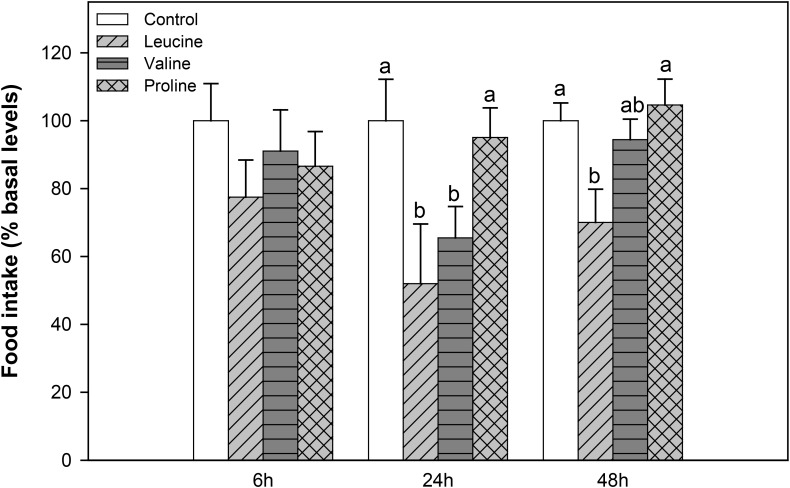
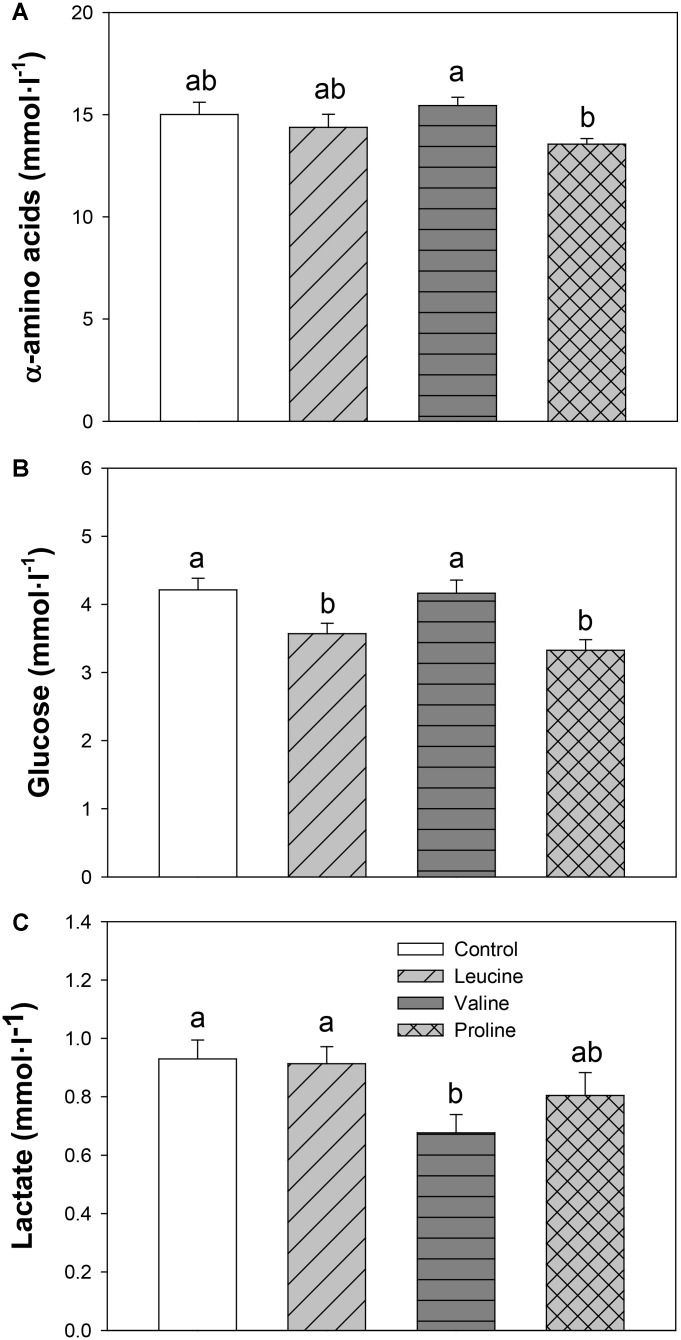
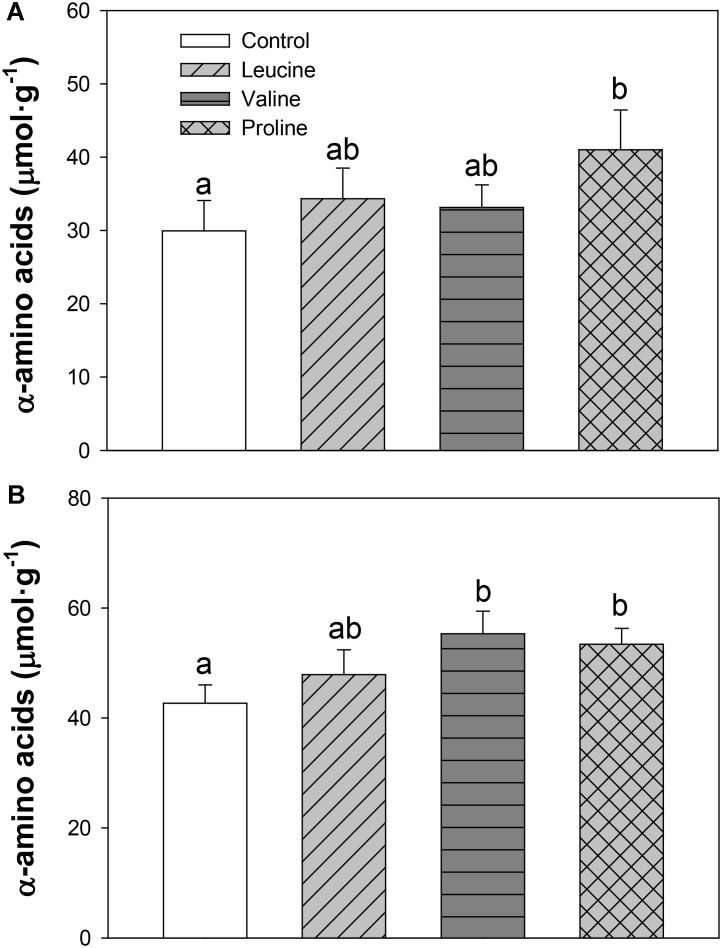
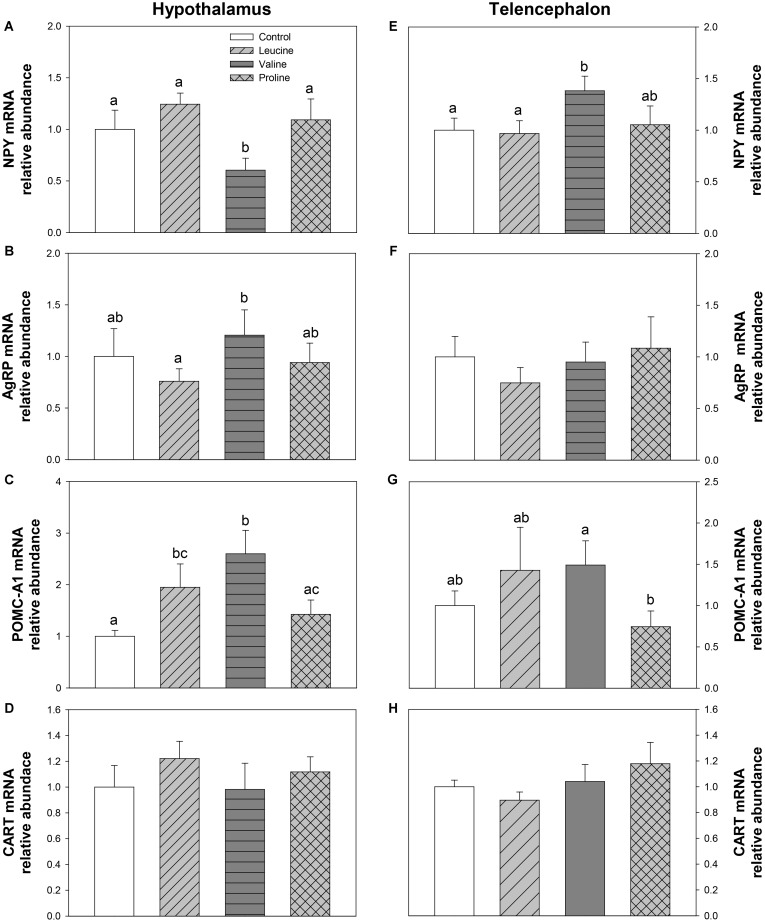
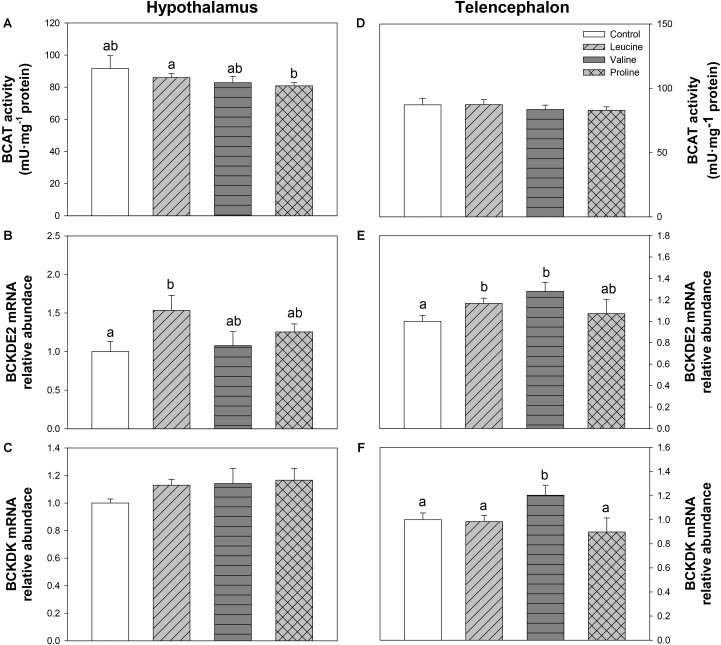
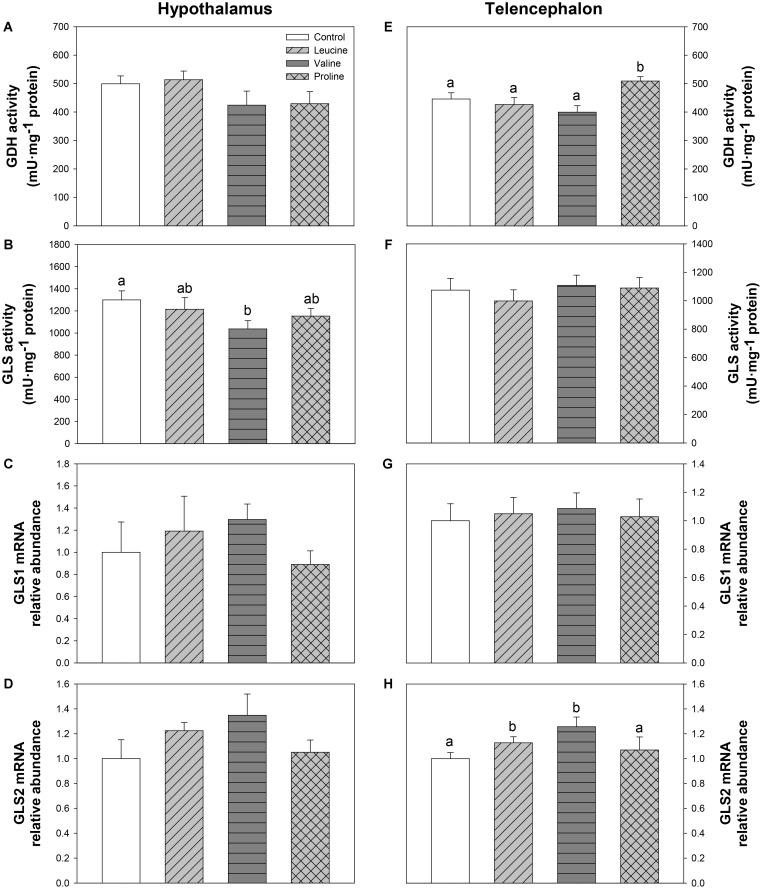
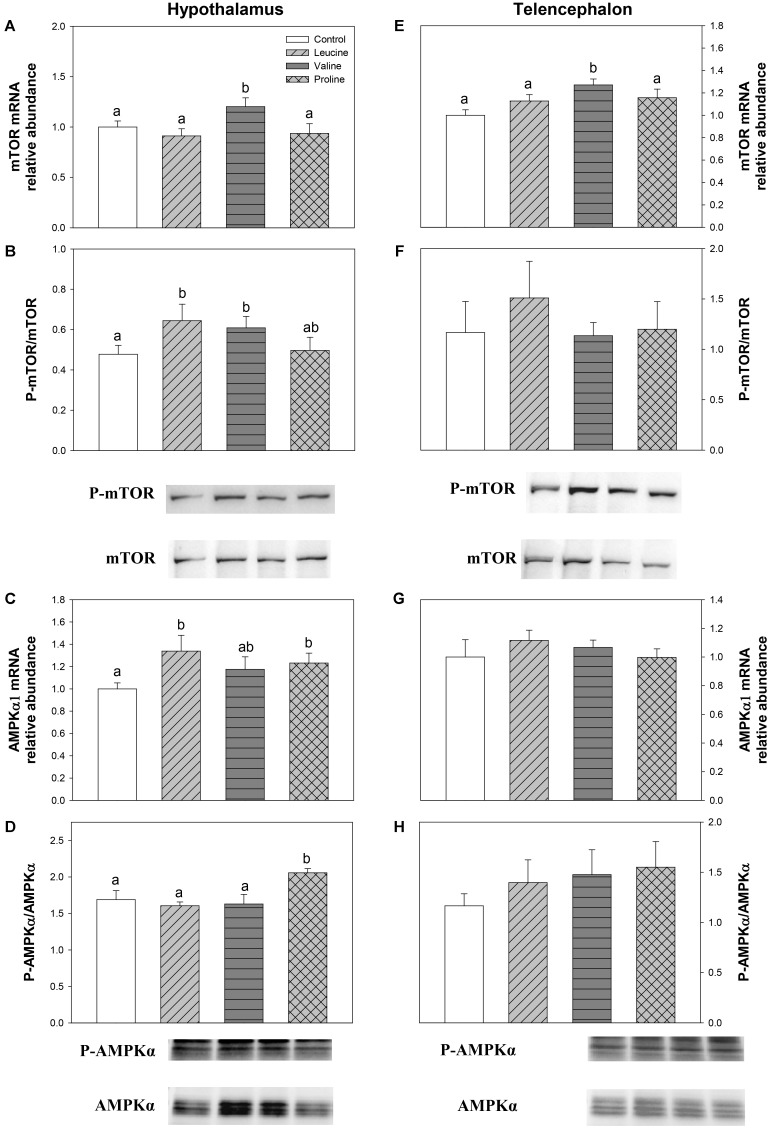
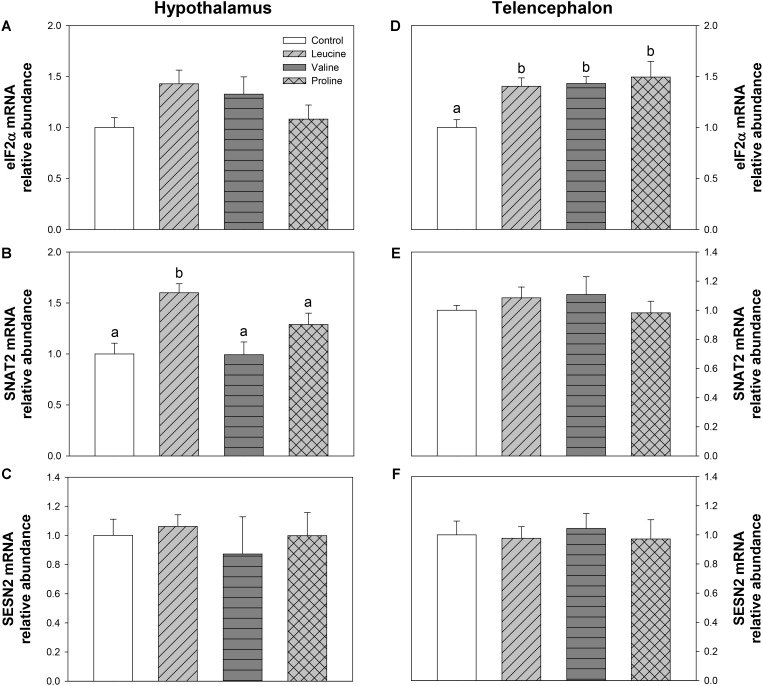
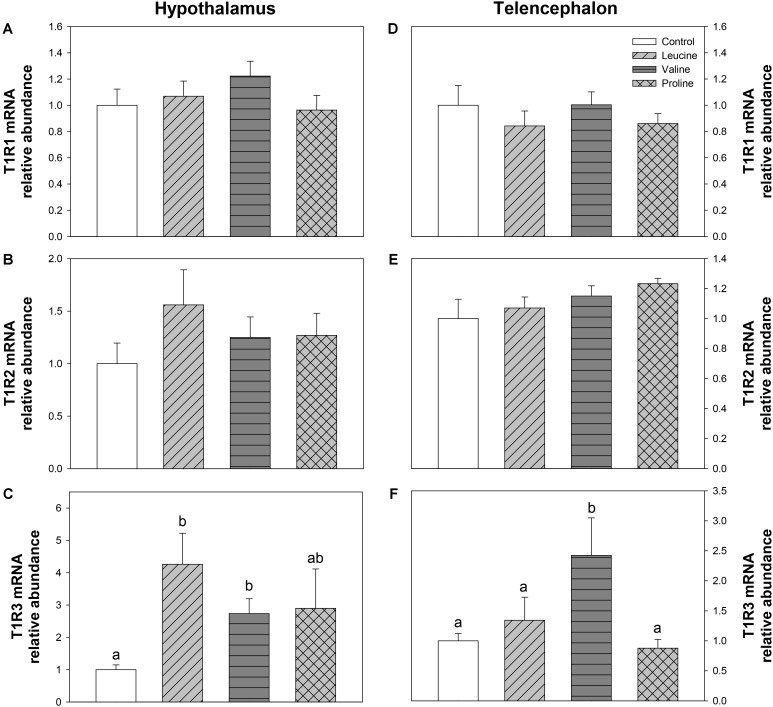
To continue gathering knowledge on the central regulation of food intake in response to amino acids in teleost fish, using as a model rainbow trout (), we evaluated in a first experiment the feeding attractiveness of L-leucine, L-valine, and L-proline offered as an agar gel matrix. In a second experiment, we assessed the effect of intraperitoneal (IP) treatment with the same amino acids on food intake. In a third experiment, we carried out a similar IP administration of amino acids to evaluate the response of amino acid sensing mechanisms in the hypothalamus and telencephalon. Results are discussed in conjunction with an earlier study where leucine and valine were administered intracerebroventricularly (ICV). The attractiveness of amino acids does not appear to relate to their effects on food intake, at least when administrated by-passing ingestion and luminal absorption, since two attractive amino acids resulted in an anorexigenic (Leu) or no effects (Pro) on food intake while a non-attractive amino acid (Val) induced anorexigenic (IP treatment) or orexigenic (ICV treatment) responses. The effects of Leu on food intake might relate to the expression of hypothalamic neuropeptides and result from the direct activation of amino acid sensing systems. In contrast, while valine had few effects on hypothalamic amino acid sensing systems after ICV treatment, a significant amount of parameters become affected by IP treatment suggesting that the effect of Val after IP treatment is indirect. Proline had no relevant effects on amino acid sensing systems, neuropeptide expression, and food intake, which suggest that this amino acid might not have a relevant role in the homeostatic regulation of food intake through hypothalamic mechanisms. In telencephalon, the same amino acid sensing systems operating in hypothalamus appear to be present and respond to Leu and Val, but it is still unclear how they might relate to the control of food intake.
为了继续收集有关硬骨鱼对氨基酸反应的食物摄入中枢调节的知识,我们以虹鳟鱼()为模型,在第一个实验中评估了以琼脂凝胶基质提供的L-亮氨酸、L-缬氨酸和L-脯氨酸的摄食吸引力。在第二个实验中,我们评估了腹腔注射(IP)相同氨基酸对食物摄入的影响。在第三个实验中,我们对氨基酸进行了类似的腹腔注射,以评估下丘脑和端脑中氨基酸传感机制的反应。结合之前一项将亮氨酸和缬氨酸进行脑室内注射(ICV)的研究对结果进行了讨论。氨基酸的吸引力似乎与其对食物摄入的影响无关,至少在绕过摄食和腔内吸收进行给药时是这样,因为两种有吸引力的氨基酸对食物摄入产生了厌食作用(亮氨酸)或无影响(脯氨酸),而一种无吸引力的氨基酸(缬氨酸)则诱导了厌食作用(腹腔注射治疗)或促食欲作用(脑室内注射治疗)。亮氨酸对食物摄入的影响可能与下丘脑神经肽的表达有关,并且是由氨基酸传感系统的直接激活导致的。相比之下,虽然脑室内注射治疗后缬氨酸对下丘脑氨基酸传感系统几乎没有影响,但腹腔注射治疗会影响大量参数,这表明腹腔注射治疗后缬氨酸的作用是间接的。脯氨酸对氨基酸传感系统、神经肽表达和食物摄入没有相关影响,这表明这种氨基酸可能在通过下丘脑机制进行的食物摄入稳态调节中没有相关作用。在端脑中,似乎存在与下丘脑相同的氨基酸传感系统,并且对亮氨酸和缬氨酸有反应,但它们与食物摄入控制之间的关系仍不清楚。