Department of Radiation Oncology, Dana-Farber Cancer Institute, Harvard Medical School, Boston, Massachusetts.
Department of Pathology, Brigham and Women's Hospital, Harvard Medical School, Boston, Massachusetts.
Cancer Discov. 2018 Nov;8(11):1404-1421. doi: 10.1158/2159-8290.CD-18-0474. Epub 2018 Sep 13.
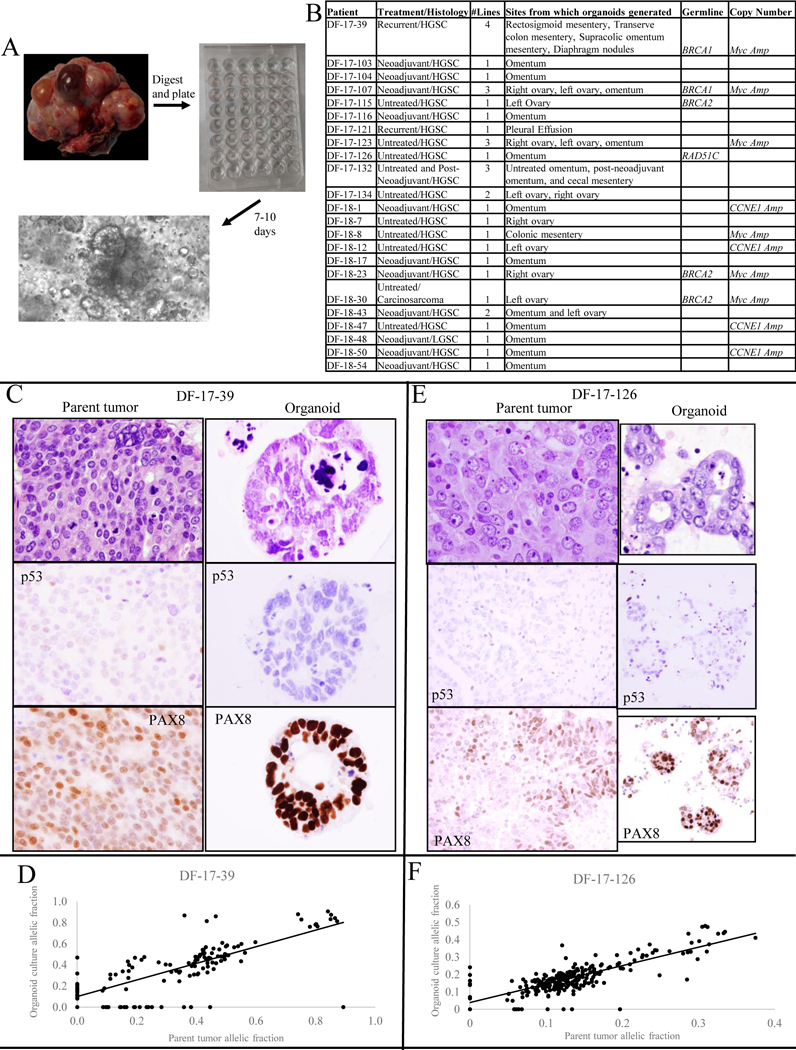
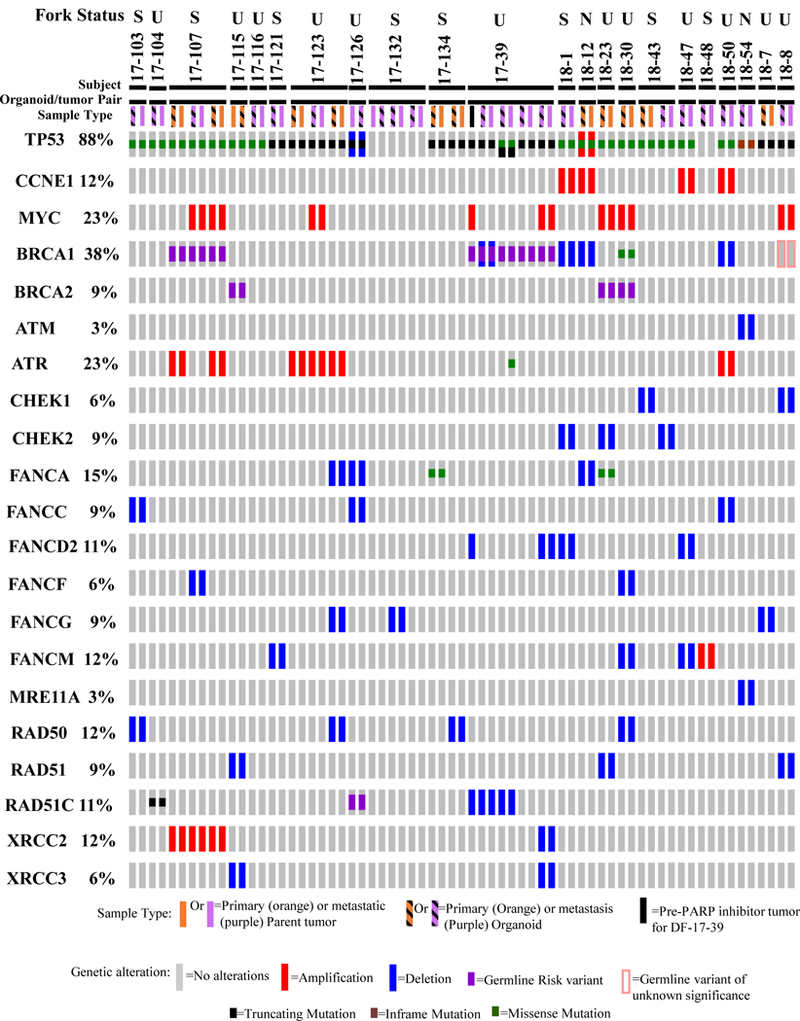
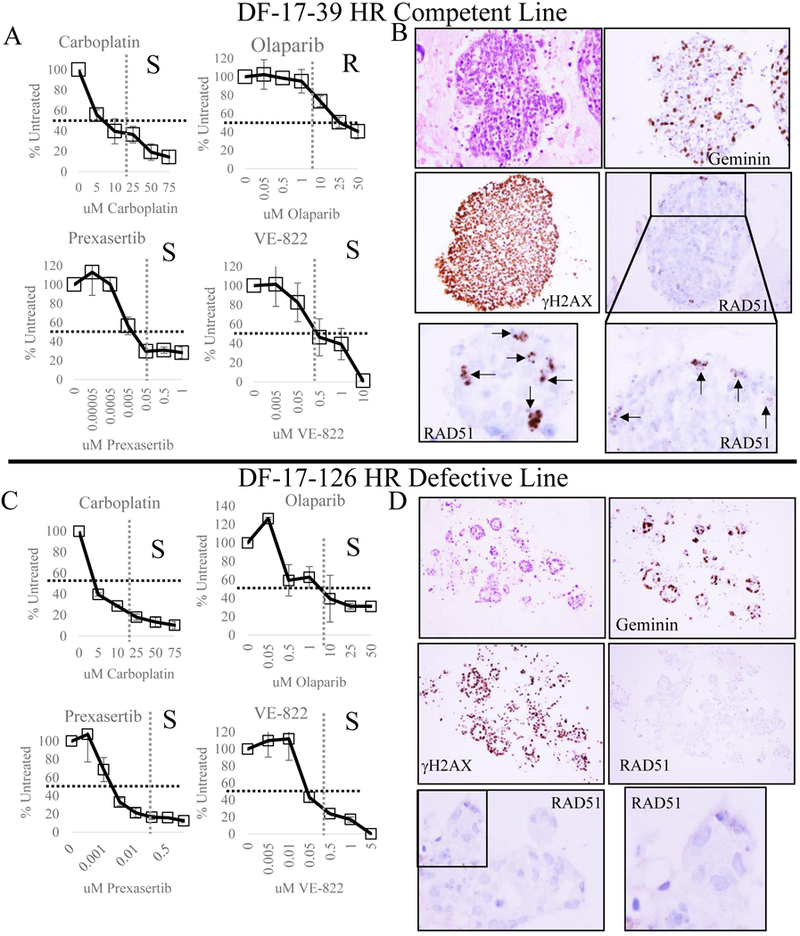
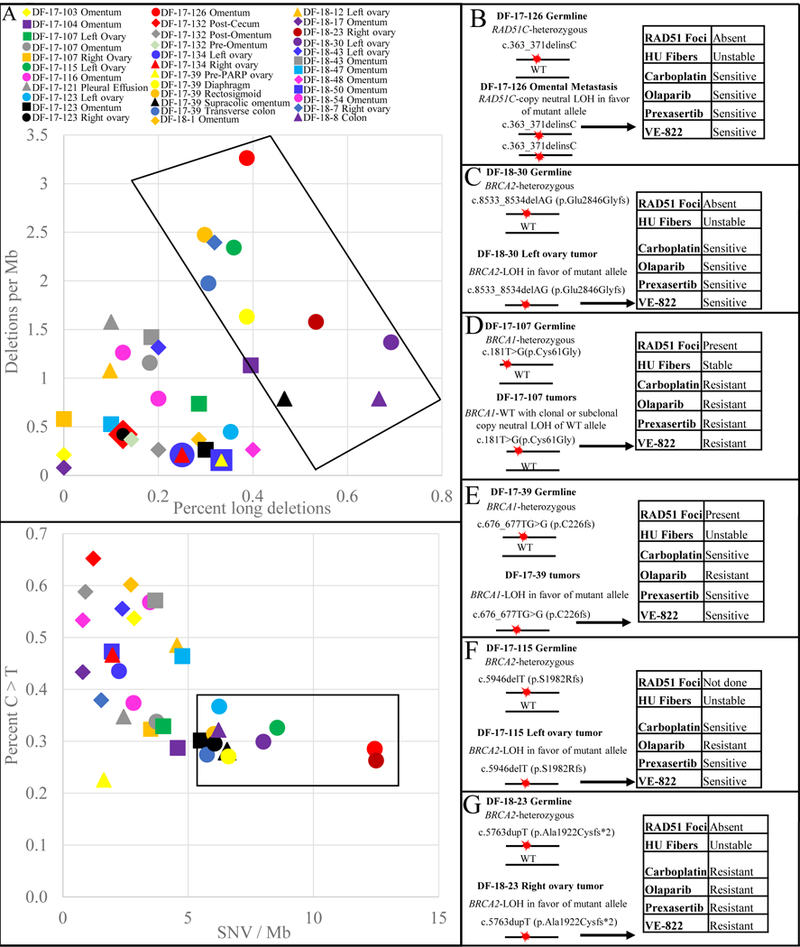
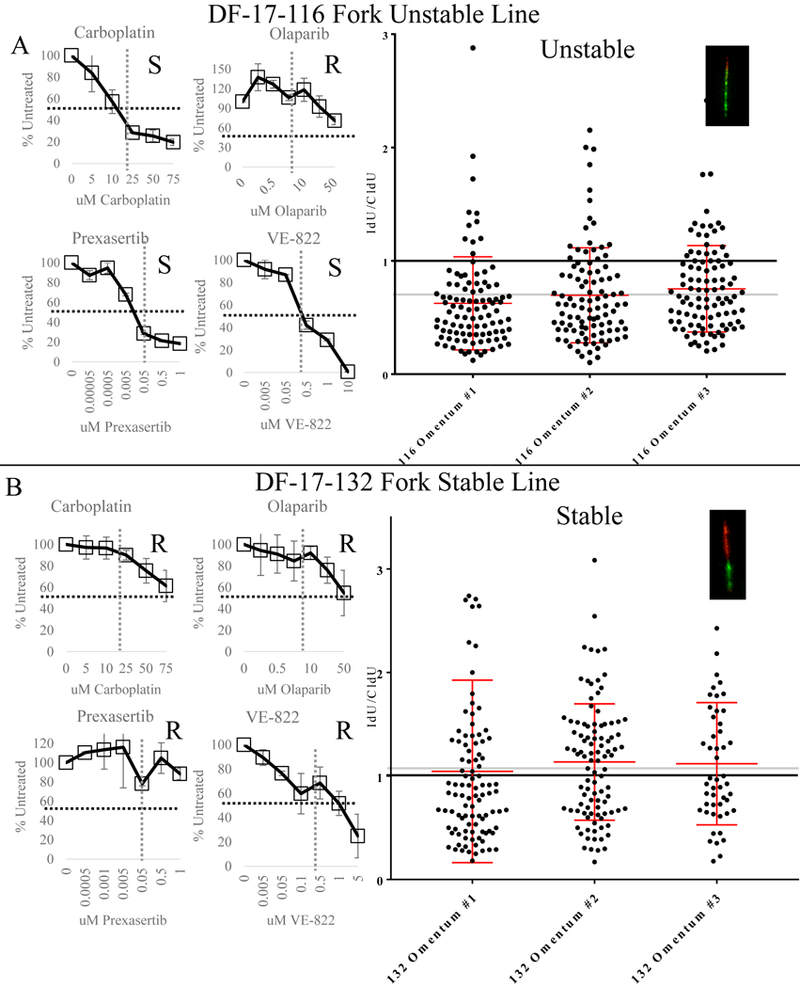
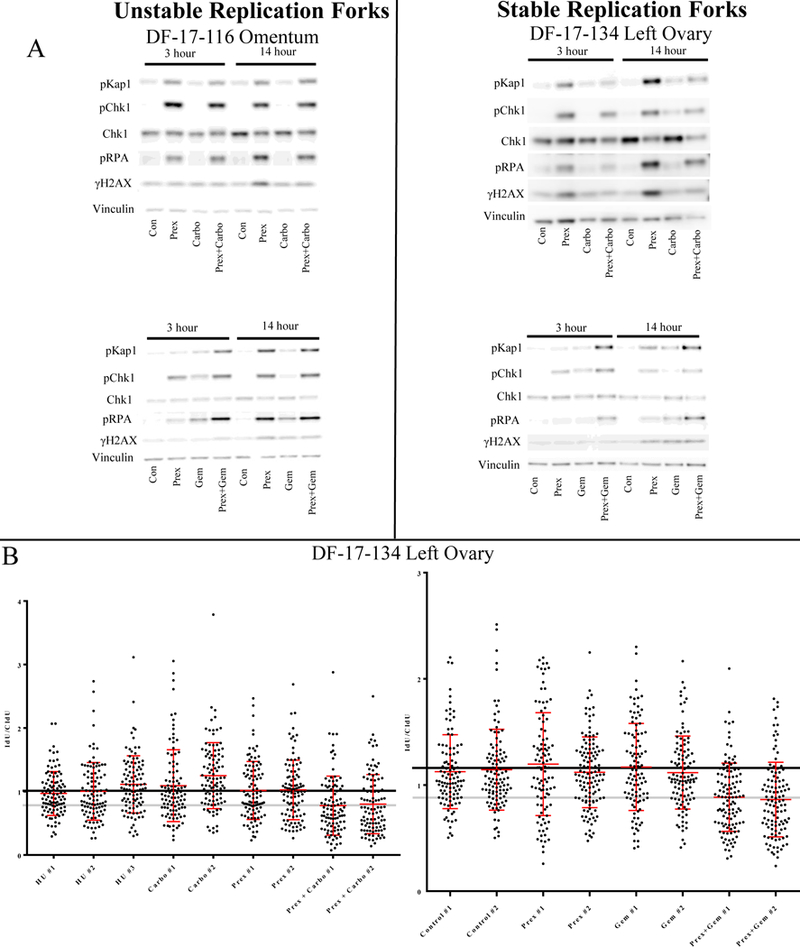
Based on genomic analysis, 50% of high-grade serous ovarian cancers (HGSC) are predicted to have DNA repair defects. Whether this substantial subset of HGSCs actually have functional repair defects remains unknown. Here, we devise a platform for functional profiling of DNA repair in short-term patient-derived HGSC organoids. We tested 33 organoid cultures derived from 22 patients with HGSC for defects in homologous recombination (HR) and replication fork protection. Regardless of DNA repair gene mutational status, a functional defect in HR in the organoids correlated with PARP inhibitor sensitivity. A functional defect in replication fork protection correlated with carboplatin and CHK1 and ATR inhibitor sensitivity. Our results indicate that a combination of genomic analysis and functional testing of organoids allows for the identification of targetable DNA damage repair defects. Larger numbers of patient-derived organoids must be analyzed to determine whether these assays can reproducibly predict patient response in the clinic. Patient-derived ovarian tumor organoids grow rapidly and match the tumors from which they are derived, both genetically and functionally. These organoids can be used for DNA repair profiling and therapeutic sensitivity testing and provide a rapid means of assessing targetable defects in the parent tumor, offering more suitable treatment options. .
基于基因组分析,50%的高级别浆液性卵巢癌(HGSC)被预测存在 DNA 修复缺陷。大量 HGSC 是否实际上存在功能性修复缺陷尚不清楚。在这里,我们设计了一个用于在短期患者来源的 HGSC 类器官中进行 DNA 修复功能分析的平台。我们测试了 33 种来自 22 名 HGSC 患者的类器官培养物,以检测同源重组 (HR) 和复制叉保护缺陷。无论 DNA 修复基因是否发生突变,类器官中的 HR 功能缺陷与 PARP 抑制剂敏感性相关。复制叉保护的功能缺陷与卡铂和 CHK1 和 ATR 抑制剂敏感性相关。我们的结果表明,基因组分析和类器官功能测试的结合可以鉴定可靶向的 DNA 损伤修复缺陷。必须分析更多数量的患者来源的类器官,以确定这些检测是否可以在临床上重现性地预测患者的反应。患者来源的卵巢肿瘤类器官生长迅速,在遗传和功能上与它们衍生的肿瘤相匹配。这些类器官可用于 DNA 修复分析和治疗敏感性测试,并提供一种快速评估靶肿瘤中可靶向缺陷的方法,提供更合适的治疗选择。