Chhunchha Bhavana, Kubo Eri, Singh Prerna, Singh Dhirendra P
Department of Ophthalmology and Visual Sciences, University of Nebraska Medical Center, Omaha, NE 68198, USA.
Department of Ophthalmology, Kanazawa Medical University, Ishikawa 920-0293, Japan.
Aging (Albany NY). 2018 Sep 12;10(9):2284-2315. doi: 10.18632/aging.101547.
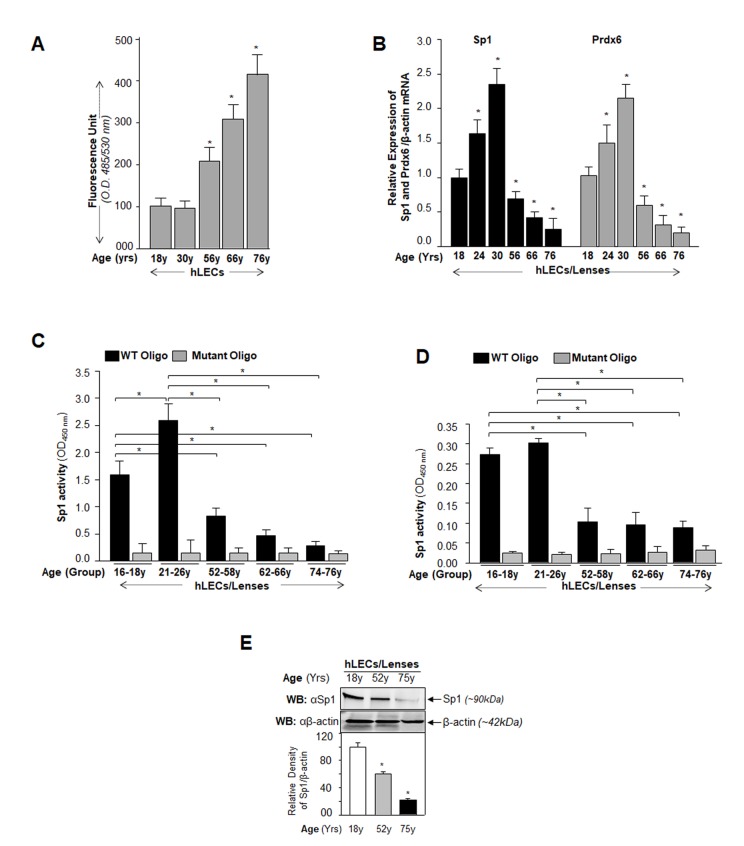
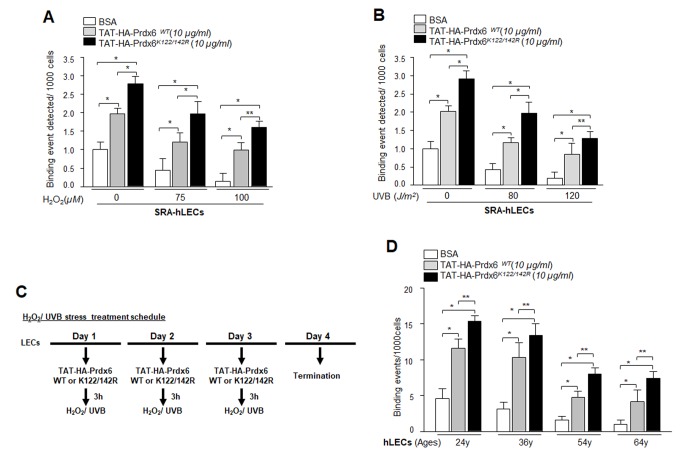
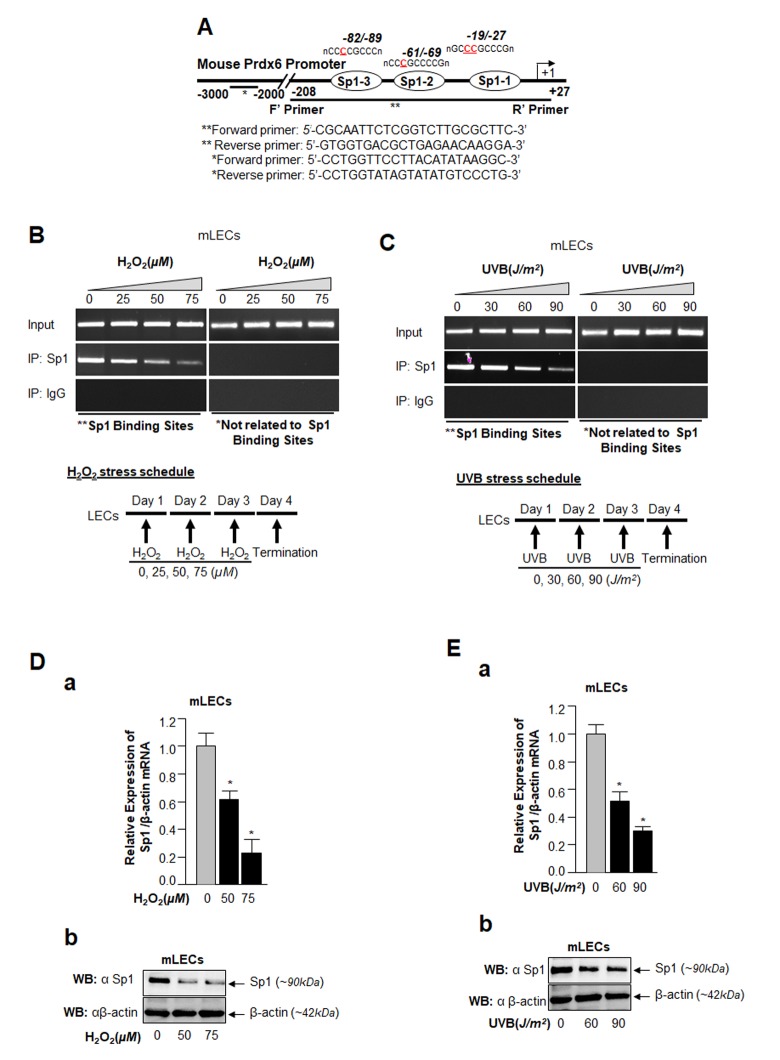
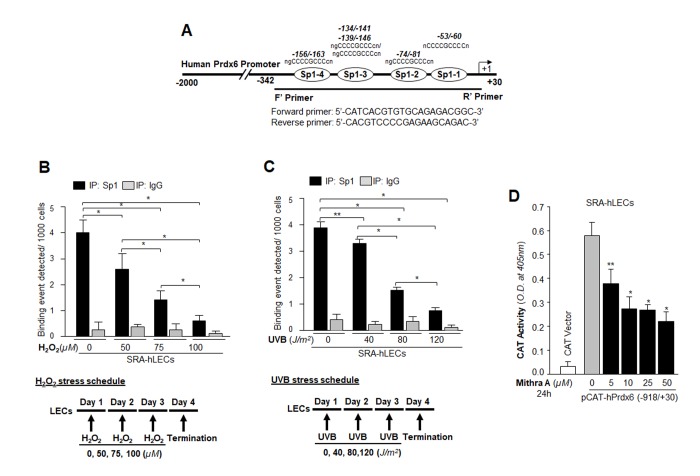
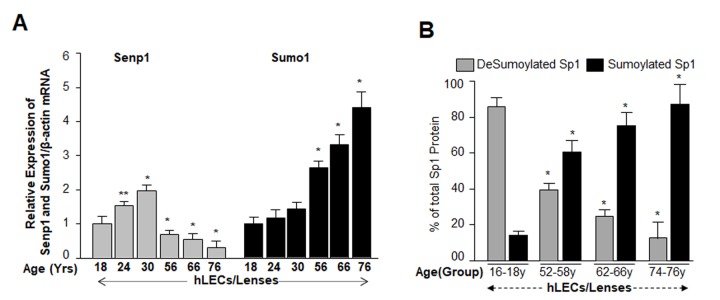
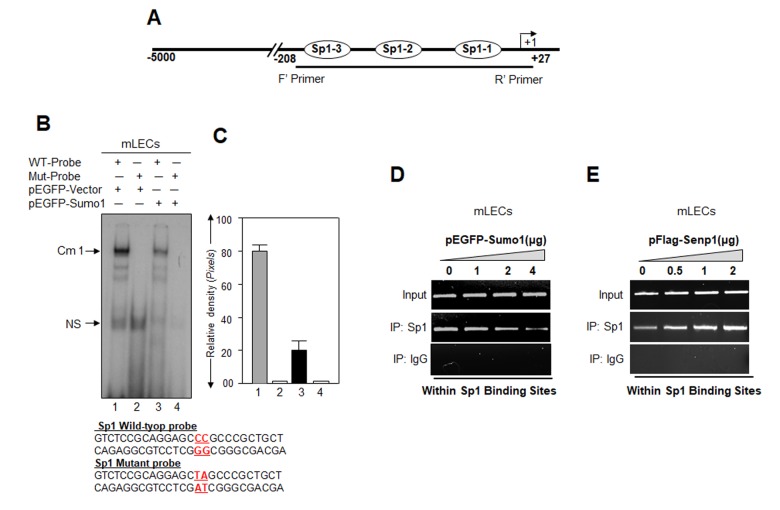
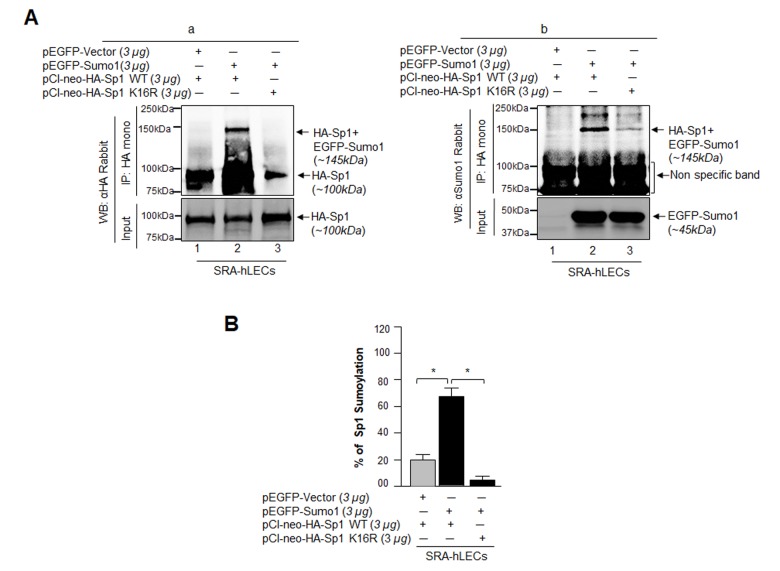
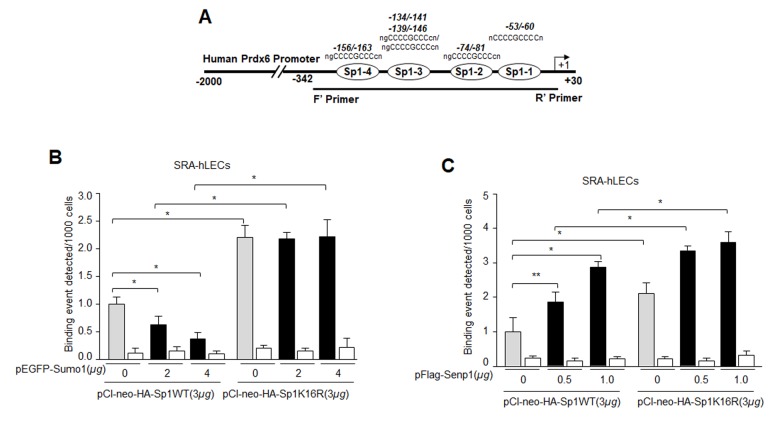
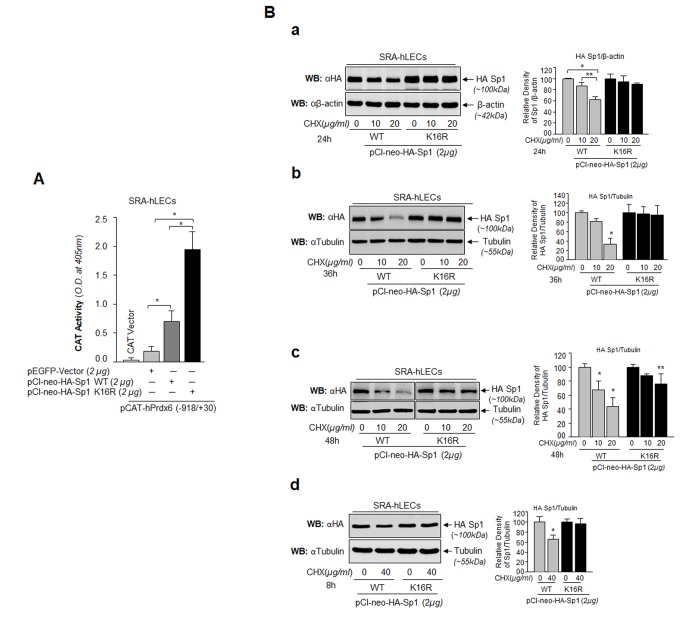
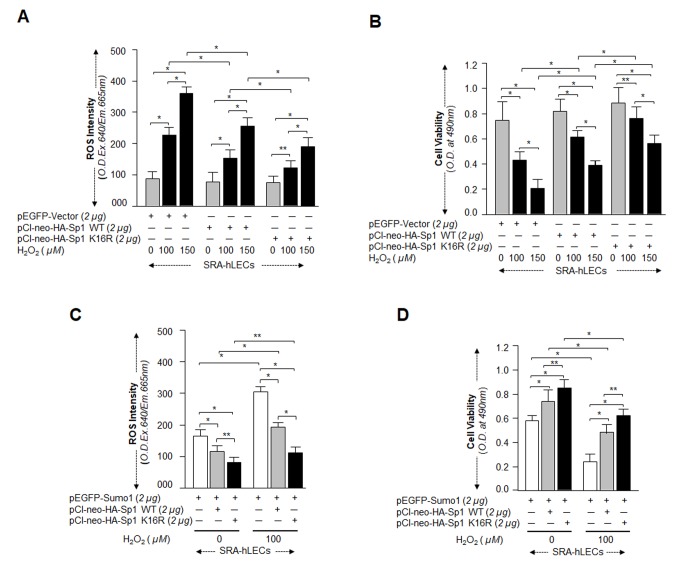
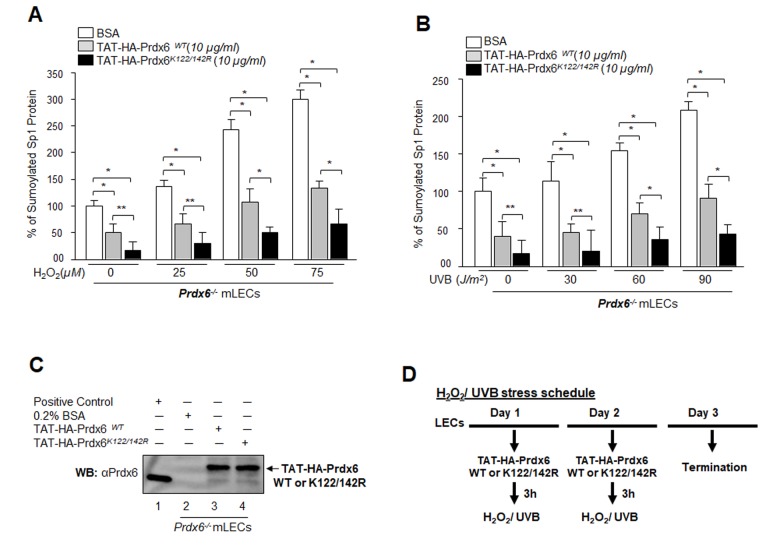
Progressive deterioration of antioxidant response in aging is a major culprit in the initiation of age-related pathobiology induced by oxidative stress. We previously reported that oxidative stress leads to a marked reduction in transcription factor Sp1 and its mediated Prdx6 expression in lens epithelial cells (LECs) leading to cell death. Herein, we examined how Sp1 activity goes awry during oxidative stress/aging, and whether it is remediable. We found that Sp1 is hyper-Sumoylated at lysine (K) 16 residue in aging LECs. DNA binding and promoter assays revealed, in aging and oxidative stress, a significant reduction in Sp1 overall binding, and specifically to Prdx6 promoter. Expression/overexpression assay revealed that the observed reduction in Sp1-DNA binding activity was connected to its hyper-Sumoylation due to increased reactive oxygen species (ROS) and Sumo1 levels, and reduced levels of Senp1, Prdx6 and Sp1. Mutagenesis of Sp1 at K16R (arginine) residue restored steady-state, and improved Sp1-DNA binding activity and transactivation potential. Extrinsic expression of Sp1K16R increased cell survival and reduced ROS levels by upregulating Prdx6 expression in LECs under aging/oxidative stress, demonstrating that Sp1K16R escapes the aberrant Sumoylation processes. Intriguingly, the deleterious processes are reversible by the delivery of Sumoylation-deficient Prdx6, an antioxidant, which would be a candidate molecule to restrict aging pathobiology.
衰老过程中抗氧化反应的逐渐恶化是氧化应激引发的与年龄相关的病理生物学的主要元凶。我们之前报道过,氧化应激会导致晶状体上皮细胞(LECs)中转录因子Sp1及其介导的Prdx6表达显著降低,从而导致细胞死亡。在此,我们研究了在氧化应激/衰老过程中Sp1活性是如何出现异常的,以及这种异常是否可以纠正。我们发现,衰老的LECs中Sp1在赖氨酸(K)16残基处发生了高度SUMO化。DNA结合和启动子分析表明,在衰老和氧化应激状态下,Sp1的总体结合能力显著降低,尤其是与Prdx6启动子的结合能力。表达/过表达分析显示,观察到的Sp1-DNA结合活性降低与其高度SUMO化有关,这是由于活性氧(ROS)和Sumo1水平升高,以及Senp1、Prdx6和Sp1水平降低所致。将Sp1的K16残基突变为精氨酸(R)可恢复稳态,并改善Sp1-DNA结合活性和反式激活潜能。在衰老/氧化应激条件下,Sp1K16R的外源表达通过上调LECs中Prdx6的表达来提高细胞存活率并降低ROS水平,这表明Sp1K16R逃脱了异常的SUMO化过程。有趣的是,通过递送缺乏SUMO化的抗氧化剂Prdx6,这些有害过程是可逆的,Prdx6可能是一种限制衰老病理生物学的候选分子。