Kodera Yasuhiro
Department of Gastroenterological Surgery Nagoya University Graduate School of Medicine Nagoya Aichi Japan.
Ann Gastroenterol Surg. 2018 Jul 10;2(5):339-347. doi: 10.1002/ags3.12191. eCollection 2018 Sep.
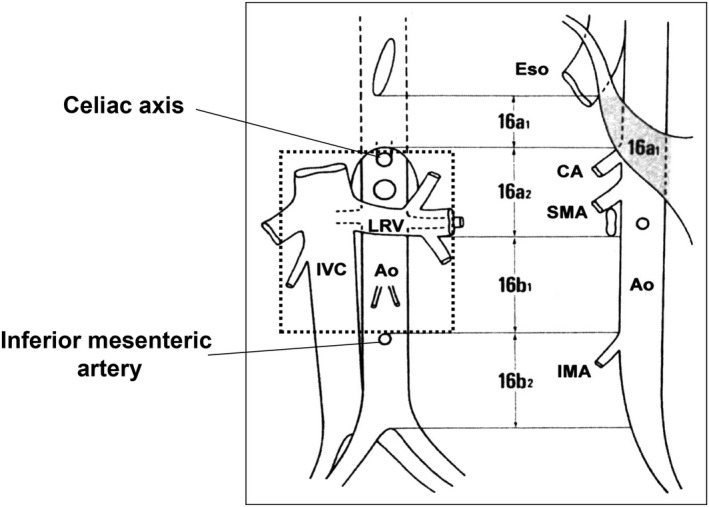
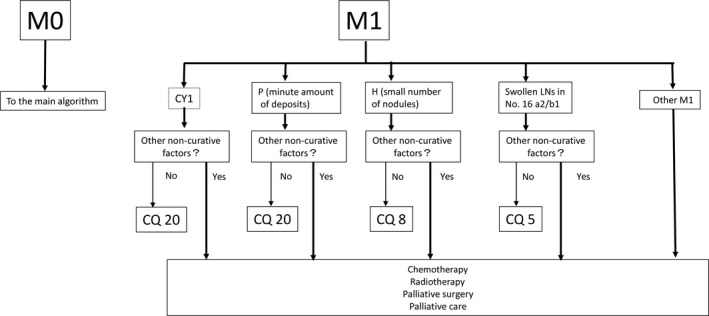
Gastric cancer with metastases outside of the regional lymph nodes is deemed oncologically unresectable. Nevertheless, some metastatic lesions are technically resectable by applying established surgical techniques such as para-aortic lymphadenectomy and hepatectomy. At the time of compilation of the Japanese gastric cancer treatment guidelines version 4, systematic reviews were conducted to see whether it is feasible to make any recommendation to dissect both the primary and metastatic lesions with intent to cure, possibly as part of multimodality treatment. Long-term survivors were found among carefully selected groups of patients both in prospective and retrospective studies. In addition, there is a growing list of publications reporting encouraging outcomes of gastrectomy conducted after exceptionally good response to chemotherapy, usually among patients who underwent R0 resection. This type of surgery is often referred to as conversion surgery. It is sometimes difficult to define a clear borderline between curative surgery scheduled after neoadjuvant chemotherapy and the conversion surgery. This review summarizes what we knew after the literature reviews conducted at the time of compiling the Japanese guidelines and in addition reflects some new findings obtained thereafter through clinical trials and retrospective studies. Metastases were divided into three categories based on the major metastatic pathways: lymphatic, hematogenous, and peritoneal. In each of these categories, there were findings that could provide hope for patients with metastatic disease. These findings implied that the surgical technique that we already use could become more useful upon further developments in antineoplastic agents and drug delivery.
区域淋巴结以外有转移的胃癌在肿瘤学上被视为不可切除。然而,通过应用如主动脉旁淋巴结清扫术和肝切除术等成熟的外科技术,一些转移病灶在技术上是可切除的。在编写《日本胃癌治疗指南第4版》时,进行了系统评价,以确定对于可能作为多模式治疗一部分的、旨在治愈的原发灶和转移灶切除提出任何建议是否可行。在前瞻性和回顾性研究中,在精心挑选的患者组中都发现了长期存活者。此外,越来越多的出版物报道了在对化疗有特别良好反应后进行胃切除术的令人鼓舞的结果,这些患者通常接受了R0切除。这种手术通常被称为转化手术。有时很难明确界定新辅助化疗后计划的根治性手术与转化手术之间的界限。本综述总结了在编写日本指南时进行文献综述后我们所了解的情况,此外还反映了此后通过临床试验和回顾性研究获得的一些新发现。转移灶根据主要转移途径分为三类:淋巴转移、血行转移和腹膜转移。在每一类中,都有一些发现可以为转移性疾病患者带来希望。这些发现表明,随着抗肿瘤药物和给药方式的进一步发展,我们现有的手术技术可能会变得更有用。