Interdepartmental Graduate Program in Nutritional Sciences, University of Wisconsin-Madison, Madison, WI.
International Atomic Energy Agency, Vienna, Austria.
Adv Nutr. 2018 Sep 1;9(5):625-636. doi: 10.1093/advances/nmy036.
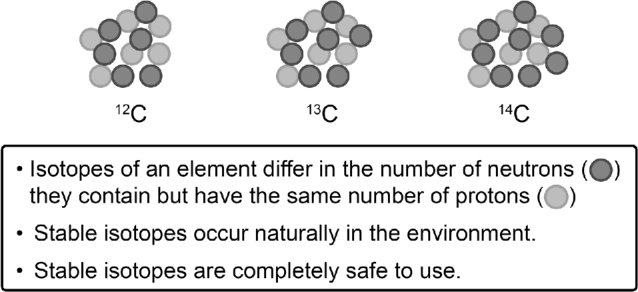
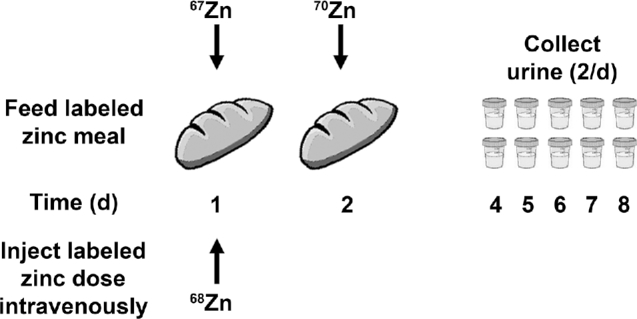
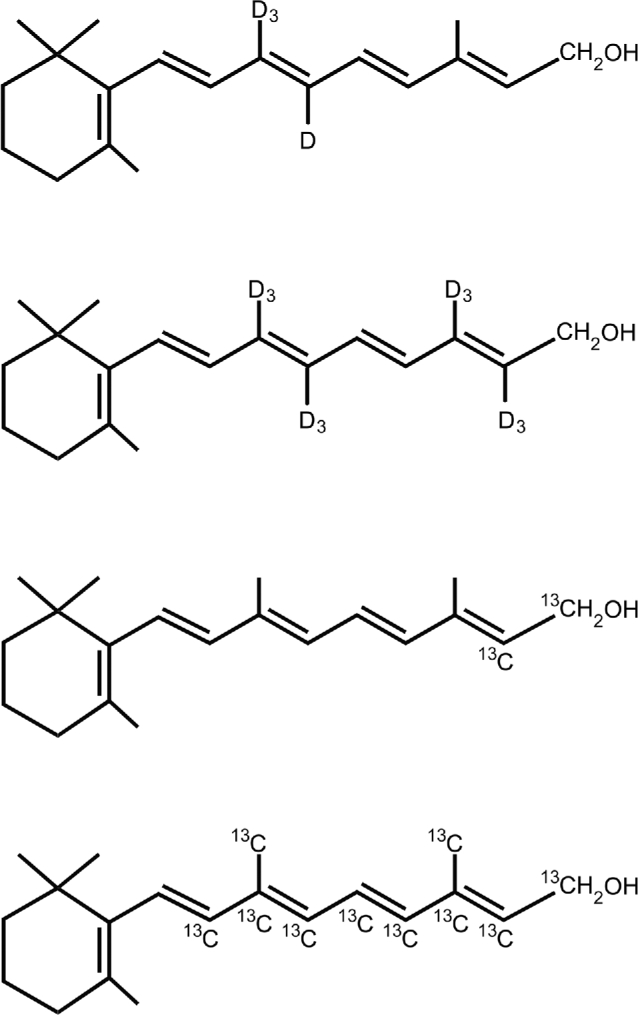
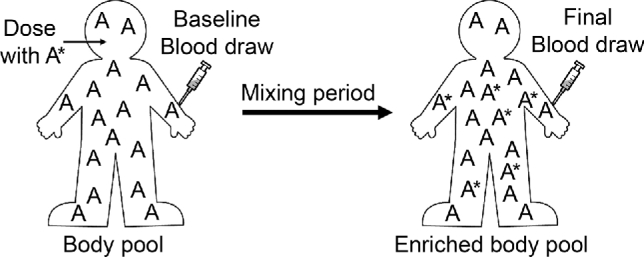
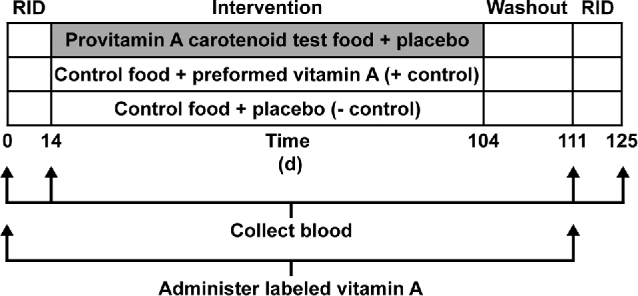
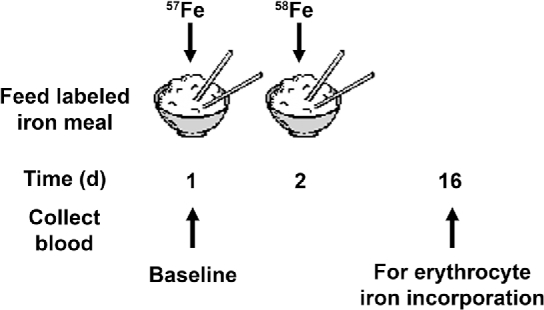
The ability of nutrition scientists to measure the status, bioavailability, and bioefficacy of micronutrients is affected by lack of access to the parts of the body through which a nutrient may travel before appearing in accessible body compartments (typically blood or urine). Stable isotope-labeled tracers function as safe, nonradioactive tools to follow micronutrients in a quantitative manner because the absorption, distribution, metabolism, and excretion of the tracer are assumed to be similar to the unlabeled vitamin or mineral. The International Atomic Energy Agency (IAEA) supports research on the safe use of stable isotopes in global health and nutrition. This review focuses on IAEA's contributions to vitamin A, iron, and zinc research. These micronutrients are specifically targeted by the WHO because of their importance in health and worldwide prevalence of deficiency. These 3 micronutrients are included in food fortification and biofortification efforts in low- and middle-income regions of the world. Vitamin A isotopic techniques can be used to evaluate the efficacy and effectiveness of interventions. For example, total body retinol stores were estimated by using 13C2-retinol isotope dilution before and after feeding Zambian children maize biofortified with β-carotene to determine if vitamin A reserves were improved by the intervention. Stable isotopes of iron and zinc have been used to determine mineral bioavailability. In Thailand, ferrous sulfate was better absorbed from fish sauce than was ferrous lactate or ferric ammonium citrate, determined with the use of different iron isotopes in each compound. Comparisons of one zinc isotope injected intravenously with another isotope taken orally from a micronutrient powder proved that the powder increased total absorbed zinc from a meal in Pakistani infants. Capacity building by the IAEA with appropriate collaborations in low- and middle-income countries to use stable isotopes has resulted in many advancements in human nutrition.
营养科学家衡量微量营养素的状态、生物利用率和生物效价的能力受到限制,因为他们无法接触到营养素在进入可利用的身体部位(通常是血液或尿液)之前所经过的身体部位。稳定同位素标记示踪剂是一种安全、非放射性的工具,可以定量追踪微量营养素,因为示踪剂的吸收、分布、代谢和排泄被认为与未标记的维生素或矿物质相似。国际原子能机构(IAEA)支持全球健康和营养领域中稳定同位素安全应用的研究。本综述重点介绍 IAEA 在维生素 A、铁和锌研究方面的贡献。由于这些微量营养素对健康的重要性以及它们在全球的缺乏普遍性,世界卫生组织(WHO)特别针对这些微量营养素开展了研究。这些微量营养素被纳入了世界上低收入和中等收入地区的食物强化和生物强化工作中。维生素 A 同位素技术可用于评估干预措施的效果和效力。例如,在给赞比亚儿童食用β-胡萝卜素强化玉米之前和之后,使用 13C2-视黄醇同位素稀释法来评估总身体视黄醇储存量,以确定干预措施是否改善了维生素 A 储备。铁和锌的稳定同位素已被用于确定矿物质的生物利用率。在泰国,用不同的铁同位素标记每种化合物,发现从鱼露中吸收的硫酸亚铁比乳酸亚铁或柠檬酸铁铵要好。静脉注射一种锌同位素与口服另一种来自微量营养素粉末的同位素的比较证明,这种粉末增加了巴基斯坦婴儿从一餐中吸收的总锌量。IAEA 通过与低收入和中等收入国家的适当合作进行能力建设,使用稳定同位素在人类营养方面取得了许多进展。