Xu Zhi, Zhang Yanyan, Ding Jiaji, Hu Weizi, Tan Chunli, Wang Mei, Tang Jinhai, Xu Yong
The Forth Clinical School of Nanjing Medical University, 140 Hanzhong Road, Nanjing 210029, China; Jiangsu Cancer Hospital & Jiangsu Institute of Cancer Research & Nanjing Medical University Affiliated Cancer Hospital, 42 Baiziting, Nanjing 210009, China.
Jiangsu Cancer Hospital & Jiangsu Institute of Cancer Research & Nanjing Medical University Affiliated Cancer Hospital, 42 Baiziting, Nanjing 210009, China.
Mol Ther Nucleic Acids. 2018 Dec 7;13:64-77. doi: 10.1016/j.omtn.2018.08.009. Epub 2018 Aug 18.
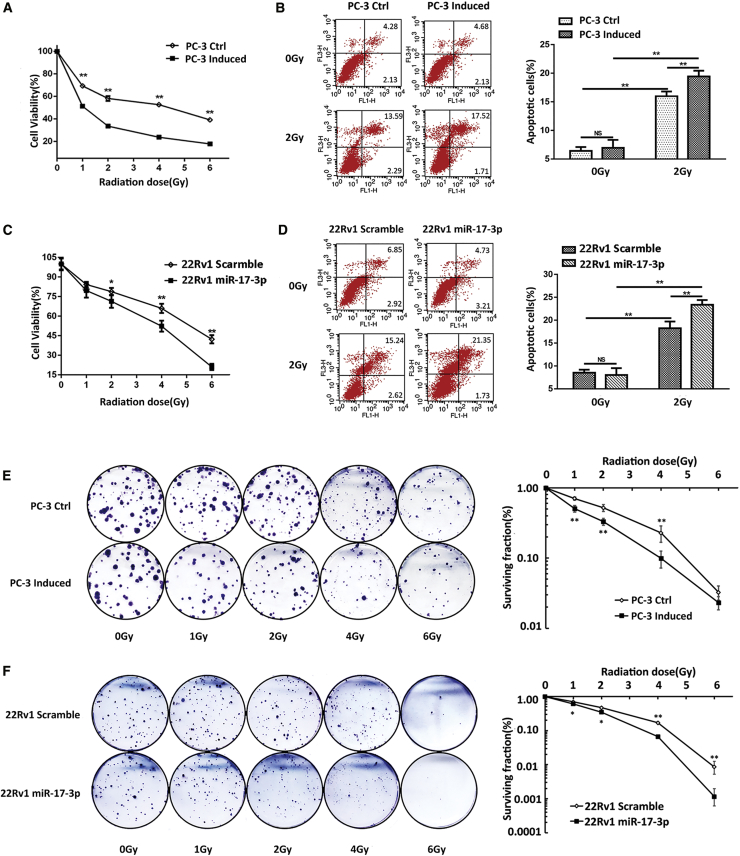
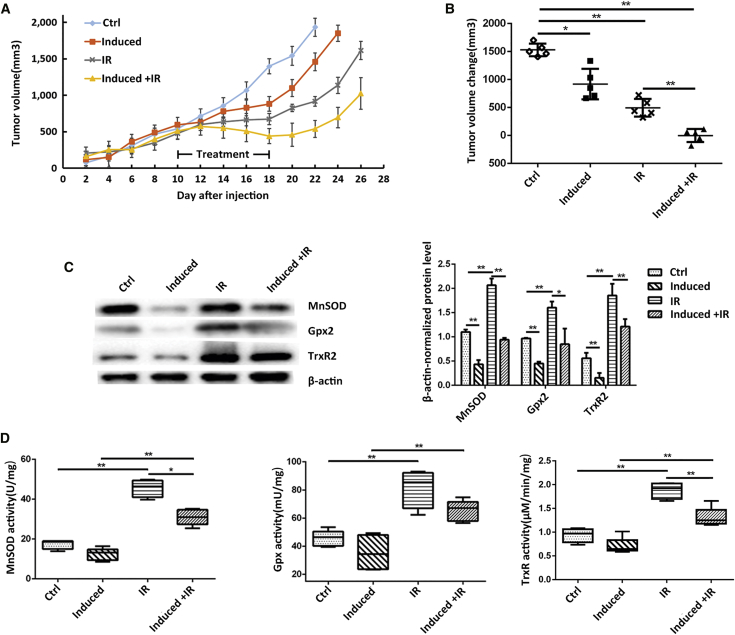
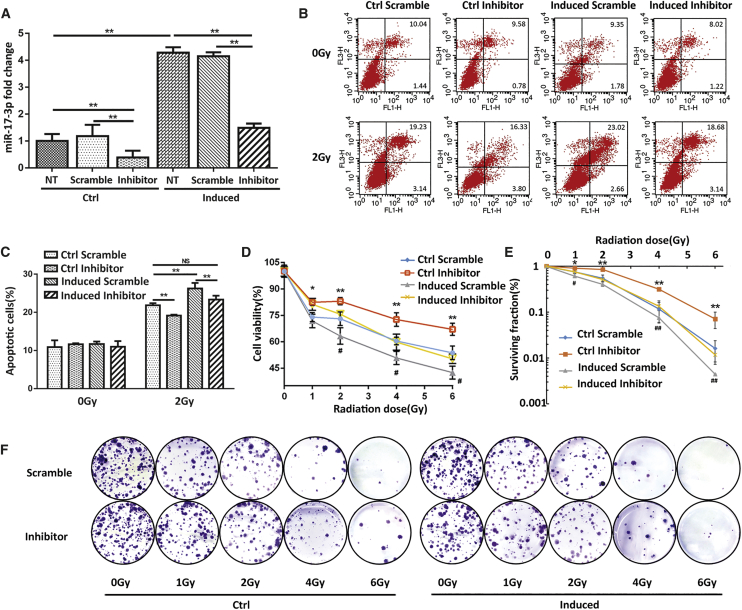
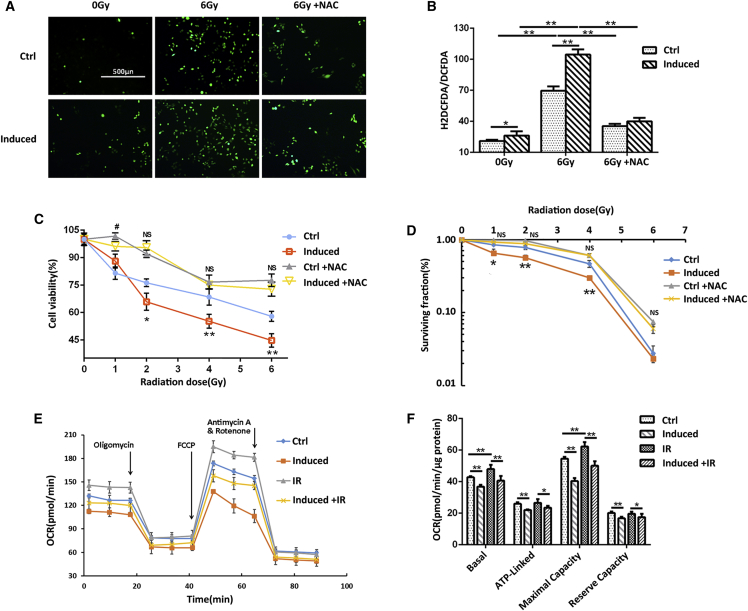
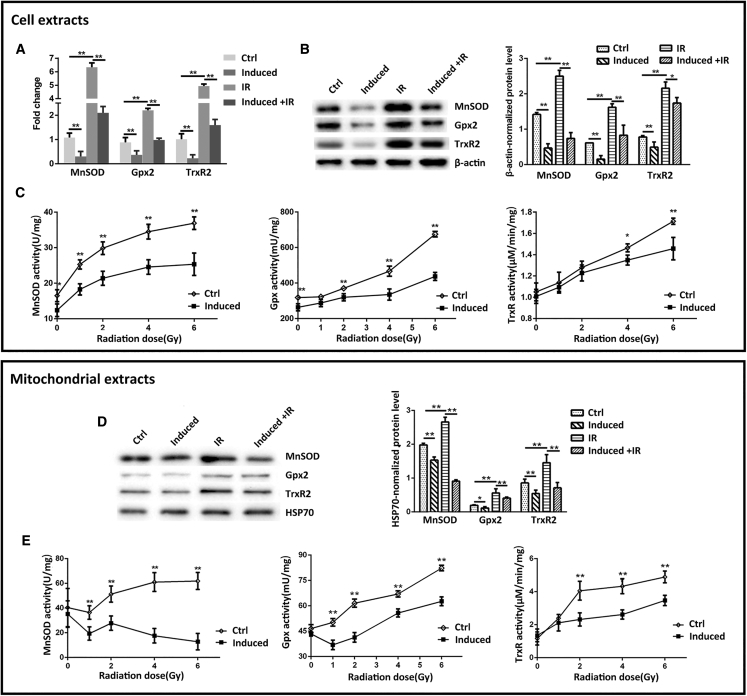
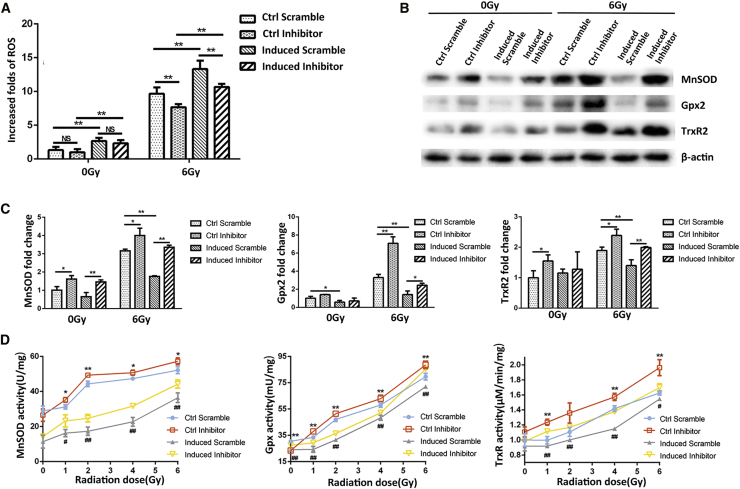
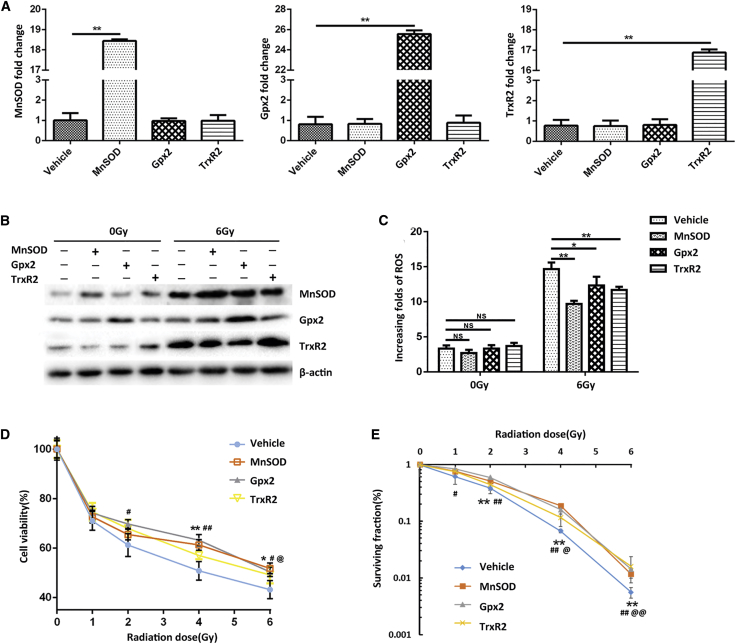
Radioresistance remains to be a major obstacle in the management of patients with advanced prostate cancer (PCa). We have identified a mature miR-17-3p processed from the 3' arm of precursor miR-17, which appeared to be able to inhibit three major antioxidant enzymes located in mitochondria, i.e., manganese superoxide dismutase (MnSOD), glutathione peroxidase 2 (Gpx2), and thioredoxin reductase 2 (TrxR2). Here we show that upregulation of miR-17-3p remarkably sensitized PCa cells to ionizing radiation (IR). Reductions of the three antioxidants led to increasing cellular reactive oxygen species (ROS) accumulation as well as declining mitochondrial respiration. The miR-17-3p-mediated dysfunction of mitochondrial antioxidants apparently sensitizing IR therapy was manifested in vitro and in vivo. Substantially, the miR-17-3p effect on suppression of the antioxidants can be efficiently eliminated or attenuated by transfecting with either an miR-17-3p inhibitor or each of the related antioxidant cDNA expression constructs. Overall, in addition to the insights into the functional assessments for the duplex of miR-17-5p and miR-17-3p, the present study highlights the rigorous evidence that demonstrated suppression of multiple mitochondrial antioxidants by a single microRNA (miRNA), thereby providing a promising approach to improve radiotherapy for advanced PCa by targeting mitochondrial function.
放射抗性仍然是晚期前列腺癌(PCa)患者治疗中的主要障碍。我们鉴定出一种从前体miR-17的3'臂加工而来的成熟miR-17-3p,它似乎能够抑制位于线粒体中的三种主要抗氧化酶,即锰超氧化物歧化酶(MnSOD)、谷胱甘肽过氧化物酶2(Gpx2)和硫氧还蛋白还原酶2(TrxR2)。在此我们表明,miR-17-3p的上调显著增强了PCa细胞对电离辐射(IR)的敏感性。这三种抗氧化剂的减少导致细胞活性氧(ROS)积累增加以及线粒体呼吸下降。miR-17-3p介导的线粒体抗氧化剂功能障碍明显增强了IR治疗效果,这在体外和体内均有体现。实质上,通过转染miR-17-3p抑制剂或每种相关抗氧化剂cDNA表达构建体,miR-17-3p对抗氧化剂的抑制作用可被有效消除或减弱。总体而言,除了对miR-17-5p和miR-17-3p双链体功能评估的深入了解外,本研究还突出了有力证据,即单个微小RNA(miRNA)对多种线粒体抗氧化剂的抑制作用,从而为通过靶向线粒体功能改善晚期PCa放疗提供了一种有前景的方法。