Division of Stem Cell Therapy, Distinguished Professor Unit, Institute of Medical Science, University of Tokyo, 4-6-1 Shirokanedai, Minato-ku, Tokyo 108-8639, Japan.
Institute for Stem Cell Biology and Regenerative Medicine, Department of Genetics, Stanford University School of Medicine, 265 Campus Drive, Stanford, CA 94305, USA.
Stem Cell Reports. 2018 Oct 9;11(4):988-997. doi: 10.1016/j.stemcr.2018.08.015. Epub 2018 Sep 20.
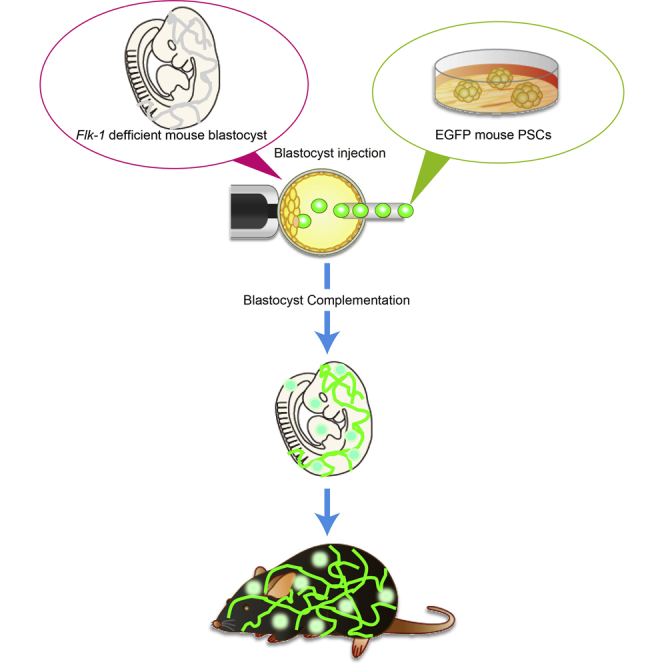
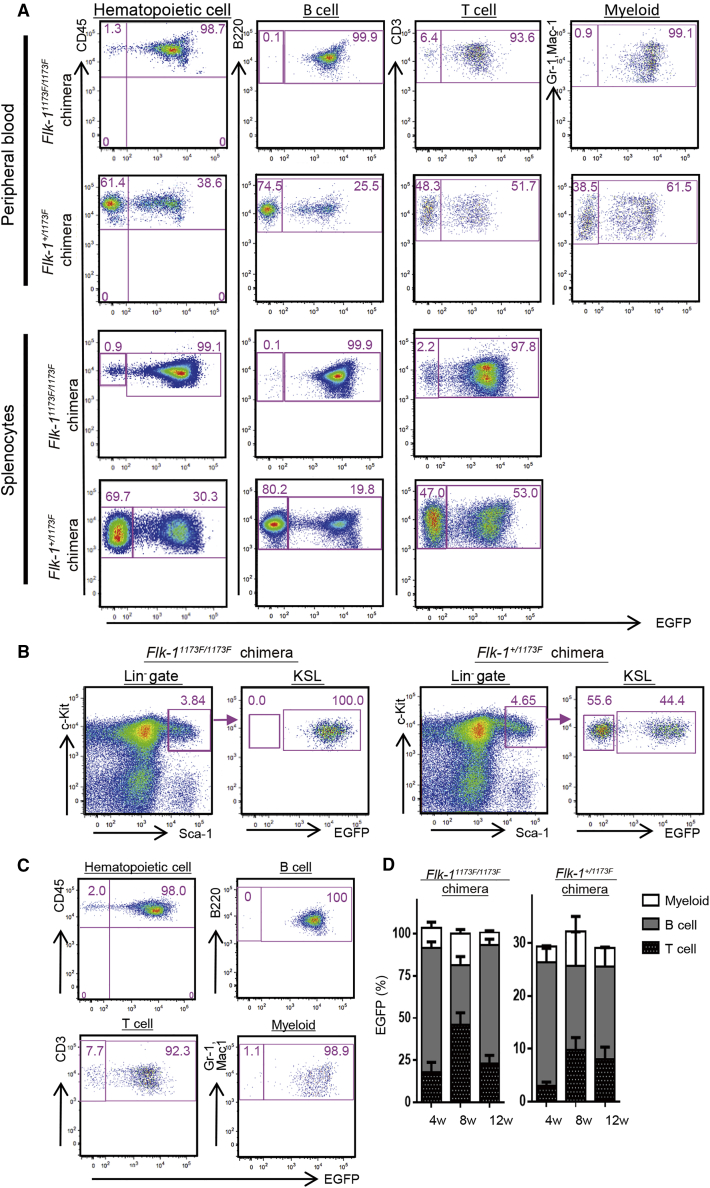
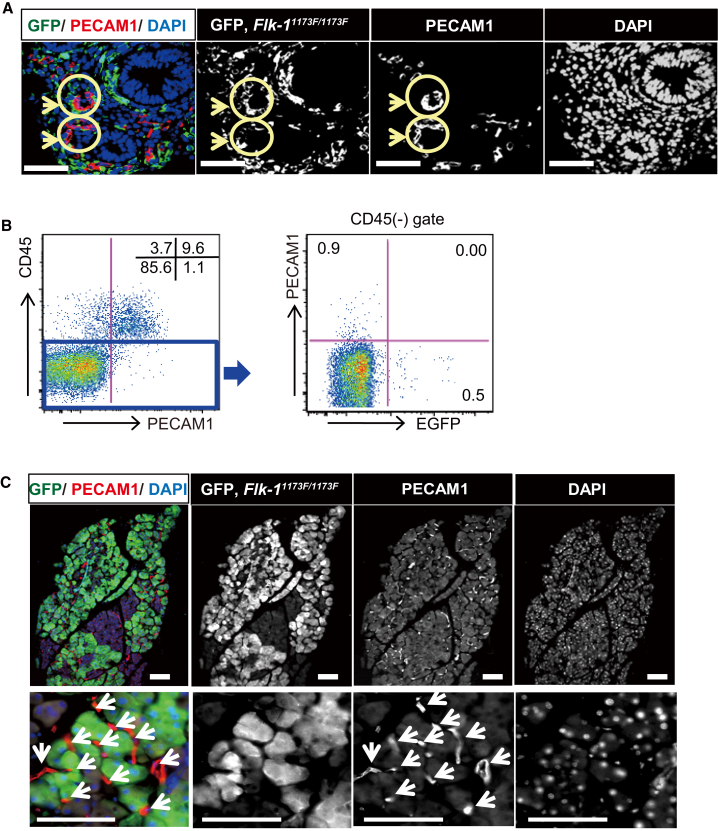
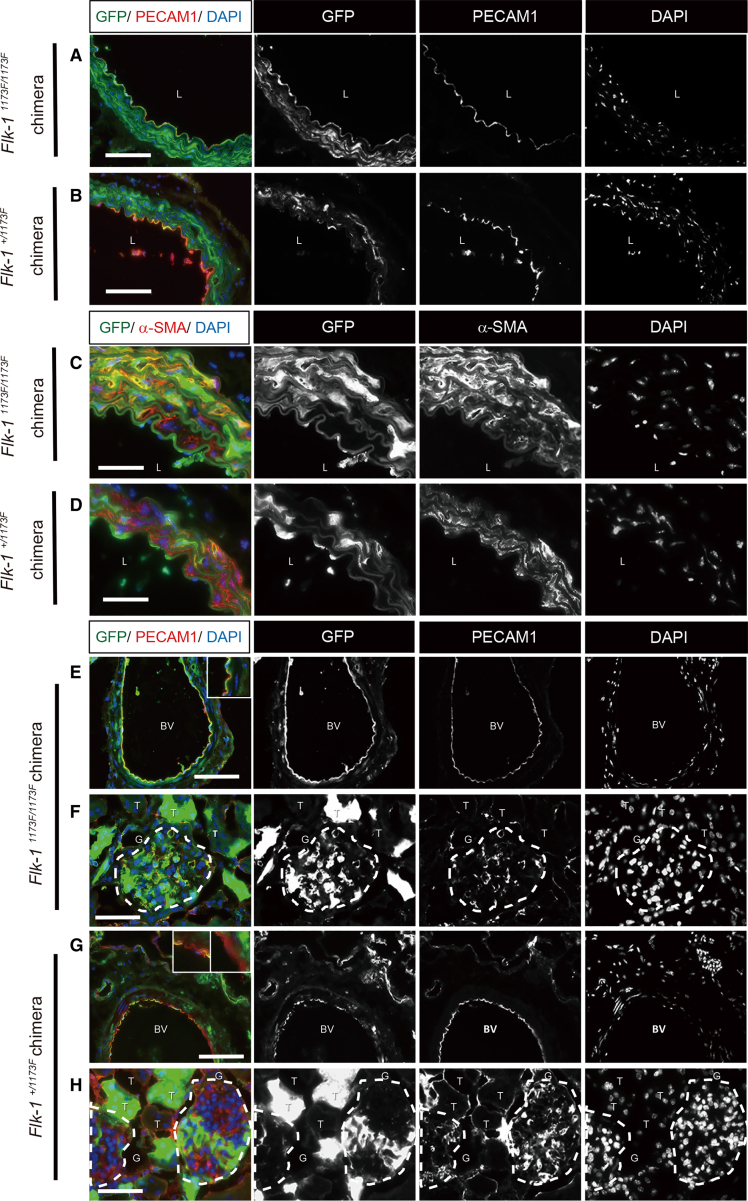
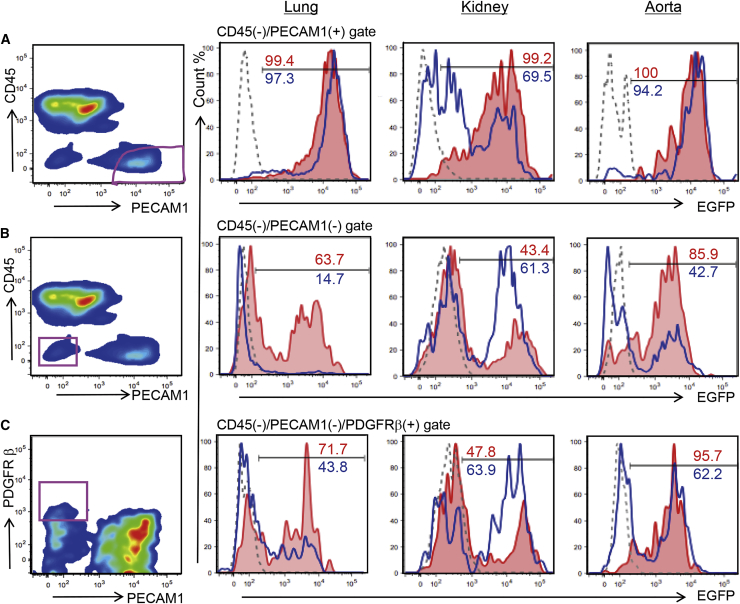
In the case of organ transplantation accompanied by vascular anastomosis, major histocompatibility complex mismatched vascular endothelial cells become a target for graft rejection. Production of a rejection-free, transplantable organ, therefore, requires simultaneous generation of vascular endothelial cells within the organ. To generate pluripotent stem cell (PSC)-derived vascular endothelial cells, we performed blastocyst complementation with a vascular endothelial growth factor receptor-2 homozygous mutant blastocyst. This mutation is embryonic lethal at embryonic (E) day 8.5-9.5 due to an early defect in endothelial and hematopoietic cells. The Flk-1 homozygous knockout chimeric mice survived to adulthood for over 1 year without any abnormality, and all vascular endothelial cells and hematopoietic cells were derived from the injected PSCs. This approach could be used in conjunction with other gene knockouts which induce organ deficiency to produce a rejection-free, transplantable organ in which all the organ's cells and vasculature are PSC derived.
在伴有血管吻合的器官移植中,主要组织相容性复合体不匹配的血管内皮细胞成为移植物排斥的靶标。因此,生产无排斥反应的可移植器官需要在器官内同时生成血管内皮细胞。为了生成多能干细胞(PSC)衍生的血管内皮细胞,我们使用血管内皮生长因子受体-2 纯合突变的胚泡进行胚泡互补。这种突变由于内皮细胞和造血细胞的早期缺陷,在胚胎(E)第 8.5-9.5 天导致胚胎致死。Flk-1 纯合敲除嵌合小鼠成年后存活超过 1 年,没有任何异常,所有的血管内皮细胞和造血细胞均来自注射的 PSCs。这种方法可以与其他诱导器官缺陷的基因敲除结合使用,以生产无排斥反应的可移植器官,其中所有器官的细胞和脉管系统均源自 PSC。