Institute of Orthopaedic Research and Biomechanics, Centre for Trauma Research Ulm, Ulm University Medical Centre, Helmholtzstraße 14, 89081, Ulm, Germany.
Department of Trauma and Orthopaedic Surgery, Hospital of the German Armed Forces Ulm, Oberer Eselsberg 40, 89081, Ulm, Germany.
Knee Surg Sports Traumatol Arthrosc. 2019 Feb;27(2):369-380. doi: 10.1007/s00167-018-5160-7. Epub 2018 Sep 27.
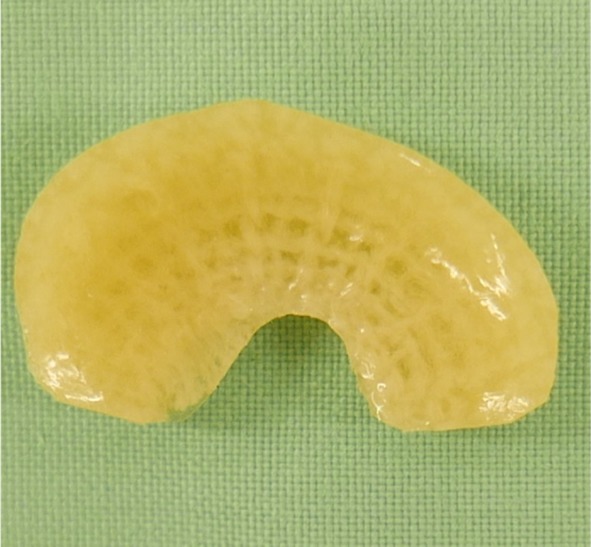
To restore meniscal function after excessive tissue damage, a silk fibroin implant for partial meniscal replacement was developed and investigated in an earlier sheep model. After 6 months implantation, it showed promising results in terms of chondroprotection and biocompatibility. To improve surgical fixation, the material was subjected to optimisation and a fibre mesh was integrated into the porous matrix. The aim of the study was the evaluation of this second generation of silk fibroin implants in a sheep model.
Nine adult merino sheep received subtotal meniscal replacement using the silk fibroin scaffold. In nine additional animals, the defect was left untreated. Sham surgery was performed in another group of nine animals. After 6 months of implantation macroscopic, biomechanical and histological evaluations of the scaffold, meniscus, and articular cartilage were conducted.
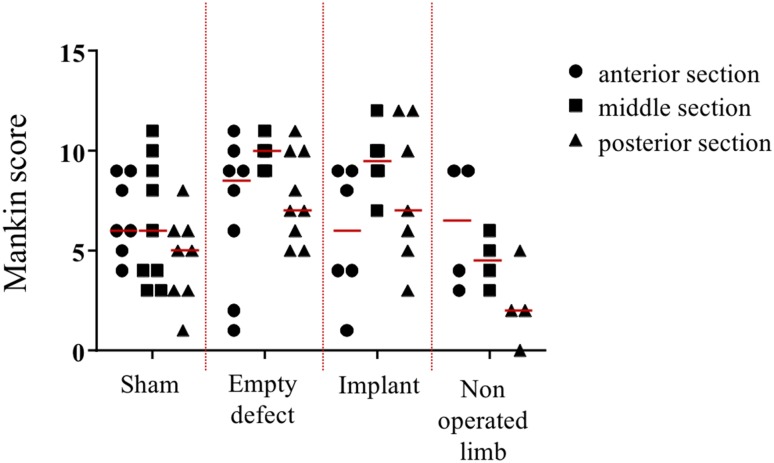
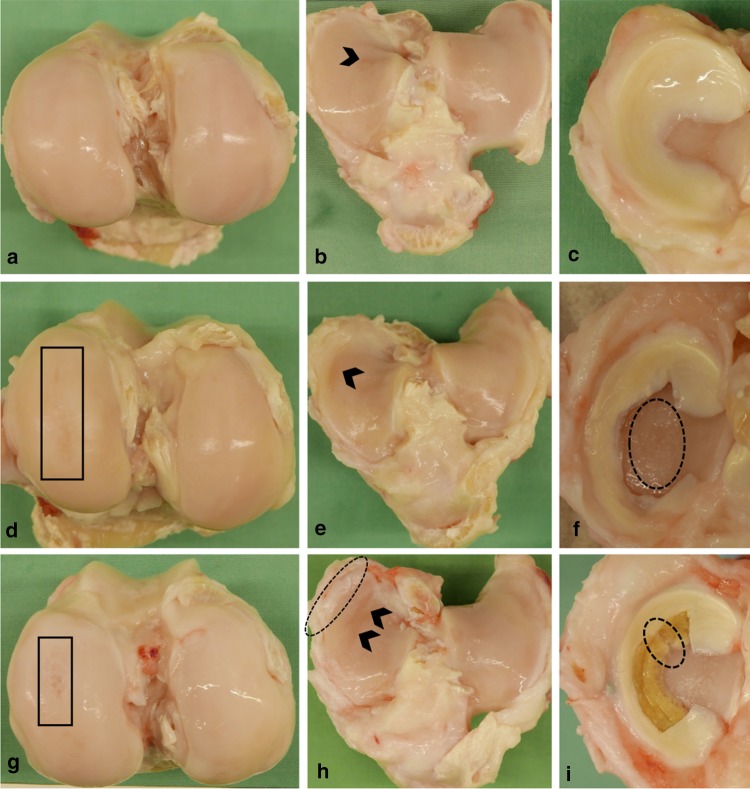
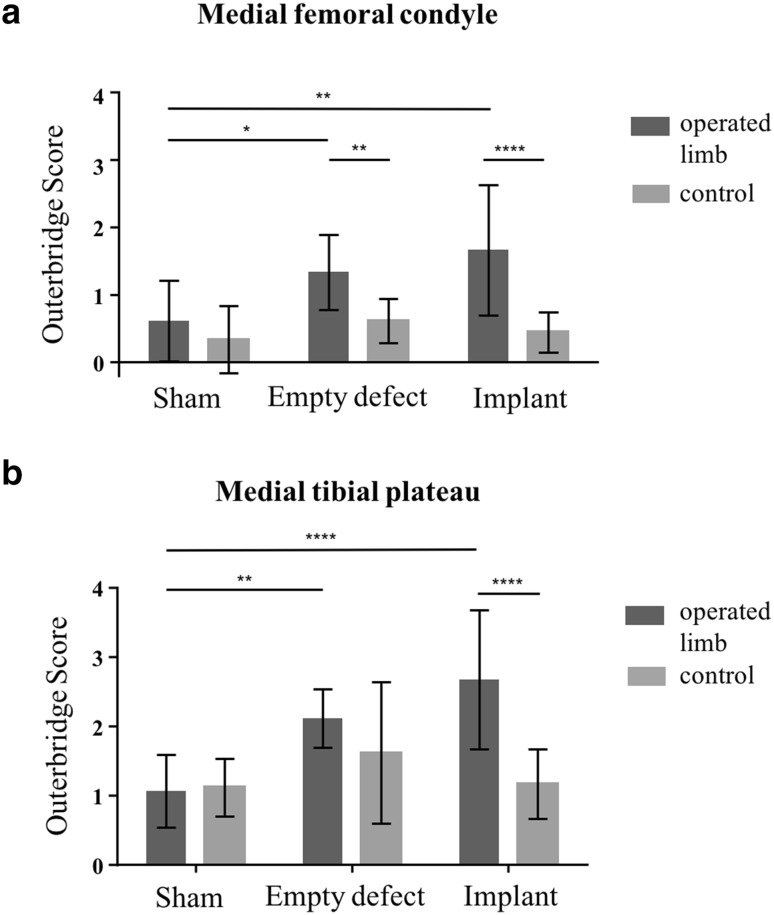
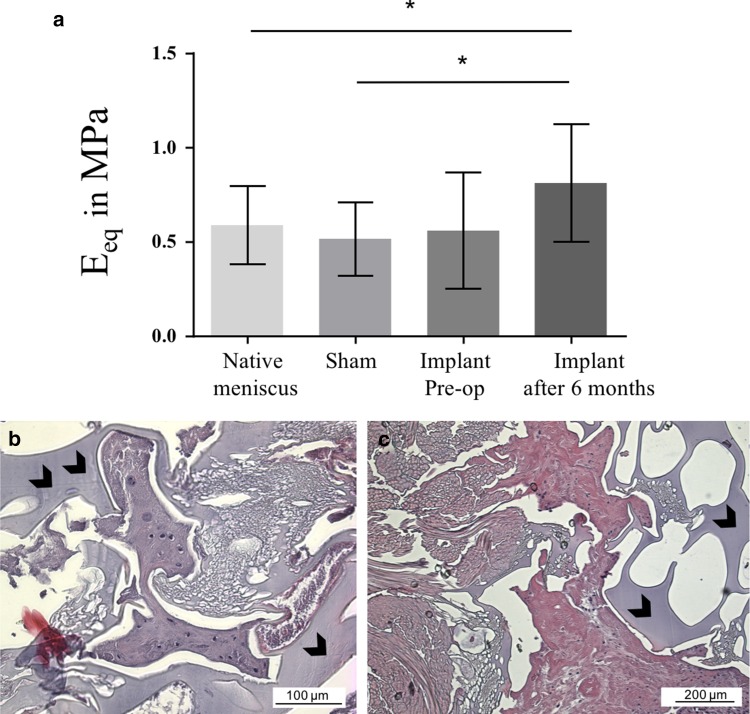
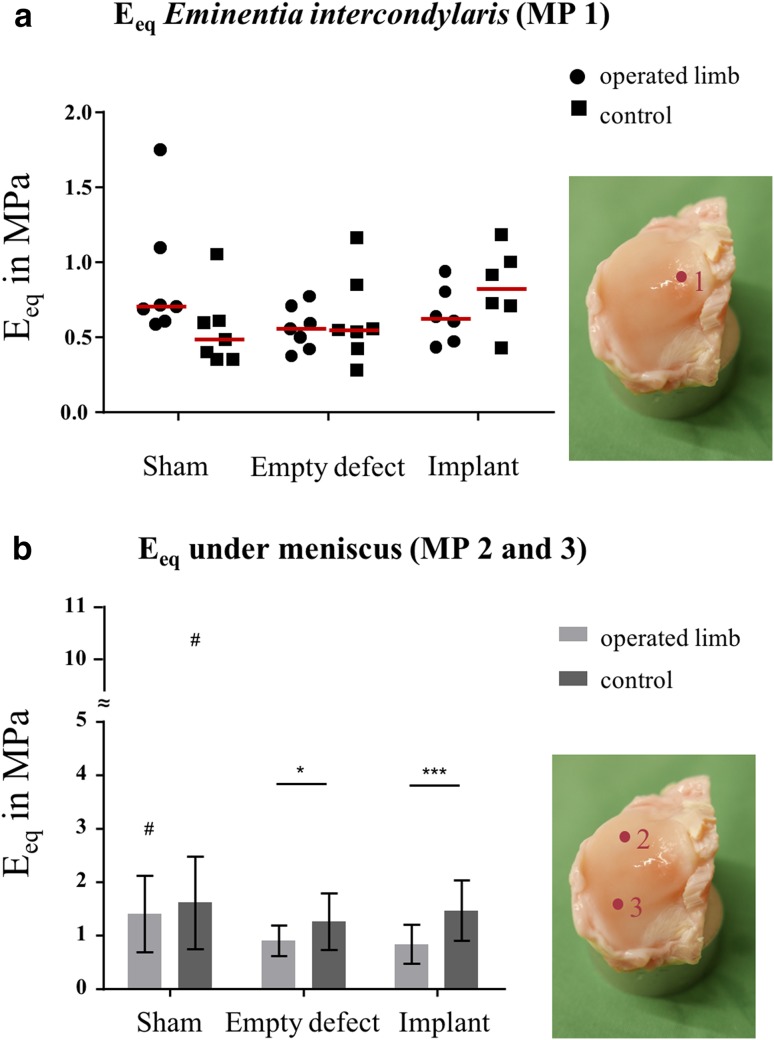
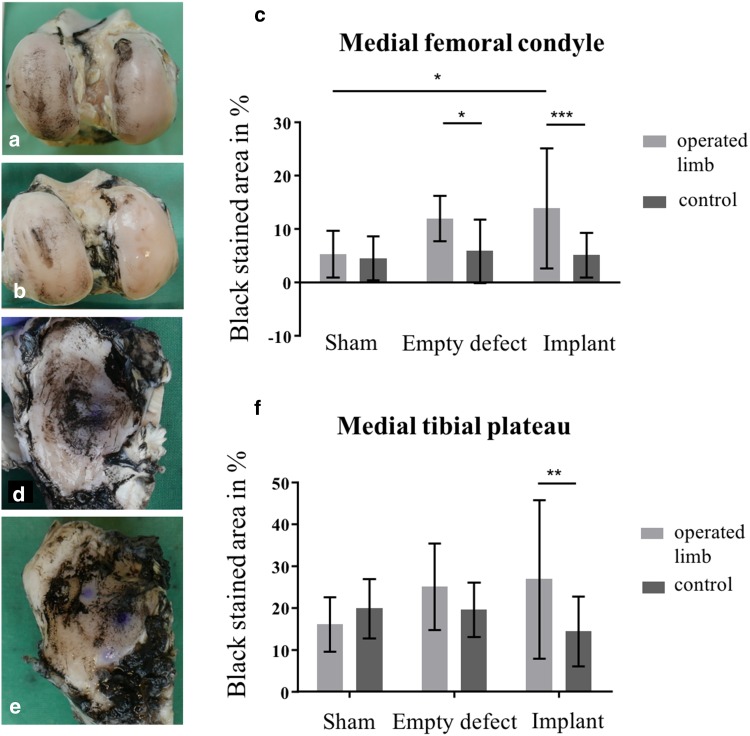
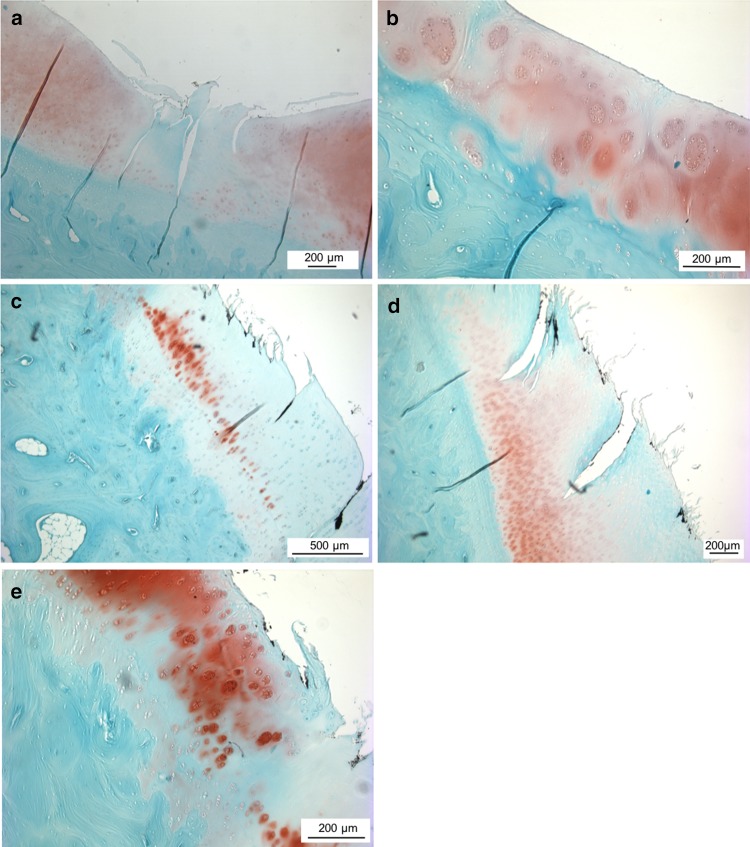
Macroscopic evaluation revealed no signs of inflammation of the operated knee joint and most implants were located in the defect. However, there was no solid connection to the remaining peripheral meniscal rim and three devices showed a radial rupture at the middle zone. The equilibrium modulus of the scaffold increased after 6 months implantation time as identified by biomechanical testing (before implantation 0.6 ± 0.3 MPa; after implantation: 0.8 ± 0.3 MPa). Macroscopically and histologically visible softening and fibrillation of the articular cartilage in the meniscectomy- and implant group were confirmed biomechanically by indentation testing of the tibial cartilage.
In the current study, biocompatibility of the silk fibroin scaffold was reconfirmed. The initial mechanical properties of the silk fibroin implant resembled native meniscal tissue. However, stiffness of the scaffold increased considerably after implantation. This might have prevented integration of the device and chondroprotection of the underlying cartilage. Furthermore, the increased stiffness of the material is likely responsible for the partial destruction of some implants. Clinically, we learn that an inappropriate replacement device might lead to similar cartilage damage as seen after meniscectomy. Given the poor acceptance of the clinically available partial meniscal replacement devices, it can be speculated that development of a total meniscal replacement device might be the less challenging option.
为了在组织损伤过大的情况下恢复半月板功能,开发了一种丝素蛋白植入物用于半月板部分置换,并在早期绵羊模型中进行了研究。植入 6 个月后,它在软骨保护和生物相容性方面表现出了良好的效果。为了改善手术固定,对材料进行了优化,并将纤维网集成到多孔基质中。本研究的目的是在绵羊模型中评估第二代丝素蛋白植入物。
9 只成年美利奴绵羊接受丝素蛋白支架的半月板部分置换。在另外 9 只动物中,不处理缺损。另一组 9 只动物进行了假手术。植入 6 个月后,对支架、半月板和关节软骨进行了大体、生物力学和组织学评估。
大体评估显示,手术膝关节无炎症迹象,大多数植入物位于缺损部位。然而,与剩余的半月板边缘没有牢固的连接,三个装置在中间区域显示出放射状破裂。生物力学测试表明,植入 6 个月后,支架的平衡模量增加(植入前:0.6±0.3MPa;植入后:0.8±0.3MPa)。在半月板切除术和植入组中,关节软骨的肉眼和组织学可见软化和纤维化,通过胫骨软骨的压痕测试在生物力学上得到了证实。
在本研究中,丝素蛋白支架的生物相容性得到了再次证实。丝素蛋白植入物的初始机械性能类似于天然半月板组织。然而,植入后支架的刚度显著增加。这可能阻止了装置的整合和对下方软骨的软骨保护。此外,材料刚度的增加可能是部分植入物破坏的原因。临床上,我们了解到不合适的置换装置可能会导致类似于半月板切除术后的软骨损伤。鉴于临床上可用的部分半月板置换装置的接受程度较低,可以推测开发一种全半月板置换装置可能是一个更具挑战性的选择。