Aguzie Ifeanyi Oscar Ndimkaoha, Ivoke Njoku, Onyishi Grace C, Okoye Ikem C
Parasitology and Public Health Unit, Department of Zoology and Environmental Biology, University of Nigeria, Nsukka, Enugu State, P.O. Box 3146, Nigeria.
Trop Med Infect Dis. 2017 Jun 12;2(2):15. doi: 10.3390/tropicalmed2020015.
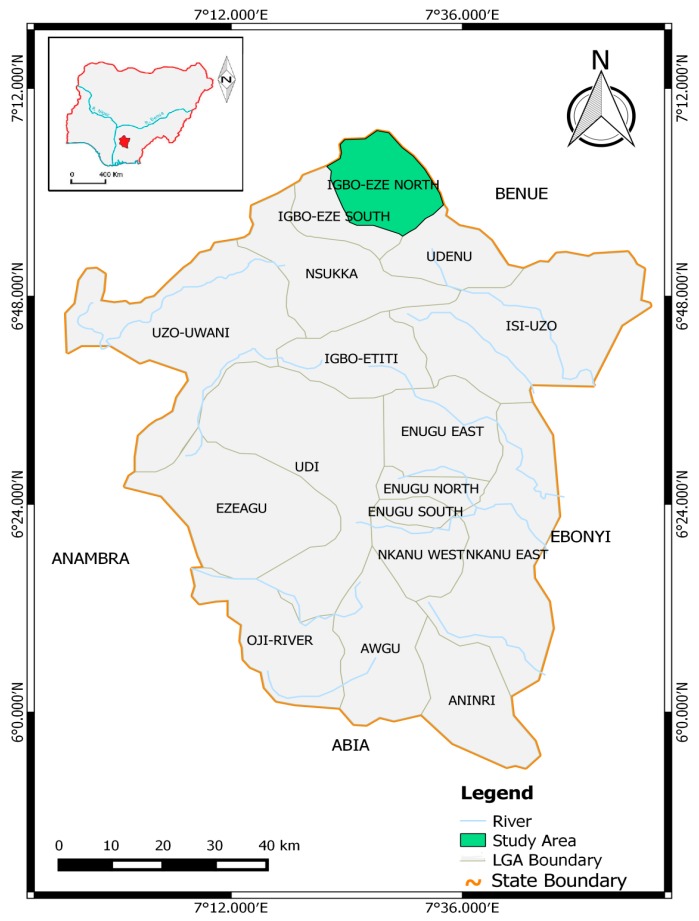
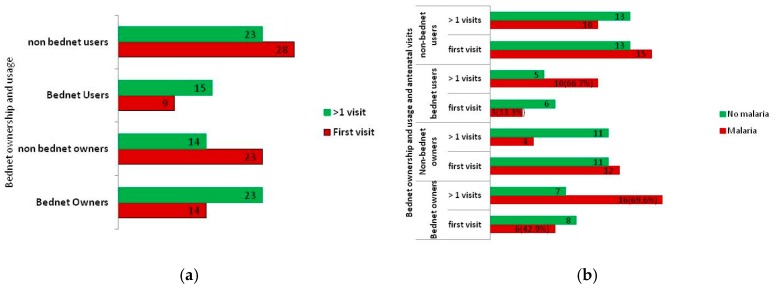
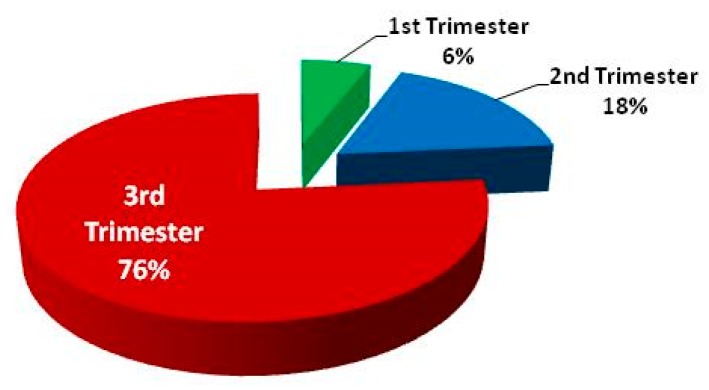
Pregnancy-associated malaria (PAM) is a major public health concern constituting a serious risk to the pregnant woman, her foetus, and newborn. Management of cases and prevention rely partly on effective and efficient antenatal services. This study examined the effectiveness of antenatal service provision in a major district hospital in sub-Saharan Africa at preventing PAM. A cross-sectional hospital based study design aided by questionnaire was used. Malaria diagnosis was by microscopy. Overall prevalence of PAM was 50.7% (38/75). Mean density was (112.89 ± standard error of mean, 22.90) × 10³/µL red blood cell (RBC). prevalence was not significantly dependent on gravidity, parity, trimester, age, and BMI status of the women ( > 0.05). Difference in density per µL RBC in primigravidae (268.13 ± 58.23) × 10³ vs. secundi- (92.14 ± 4.72) × 10³ vs. multigravidae (65.22 ± 20.17) × 10³; and in nulliparous (225.00 ± 48.25) × 10 vs. primiparous (26.25 ± 8.26) × 10³ vs. multiparous (67.50 ± 20.97) × 10³ was significant ( < 0.05). Majority of attendees were at 3rd trimester at time of first antenatal visit. Prevalence of malaria parasitaemia in the first-time (48.6%), and multiple-time (52.6%) antenatal attendees was not significantly different (χ² = 0.119, = 0.730). The higher prevalence of malaria among bed net owners (69.6% vs. 42.9%, χ² = 2.575, = 0.109, OR = 3.048 (95% CI 0.765⁻12.135)) and users (66.7% vs. 33.3%, χ² = 2.517, = 0.113, OR = 4.000 (95% CI 0.693⁻23.089)) at multiple antenatal visits vs. first timers was not significant. None of the pregnant women examined used malaria preventive chemotherapy. Antenatal services at the hospital were not effective at preventing PAM. Holistic reviews reflecting recommendations made here can be adopted for effective service delivery.
妊娠相关疟疾(PAM)是一个重大的公共卫生问题,对孕妇、胎儿和新生儿构成严重风险。病例管理和预防部分依赖于有效且高效的产前服务。本研究调查了撒哈拉以南非洲一家主要地区医院提供的产前服务在预防PAM方面的有效性。采用了基于问卷调查的横断面医院研究设计。疟疾诊断通过显微镜检查。PAM的总体患病率为50.7%(38/75)。平均密度为(112.89±平均标准误,22.90)×10³/微升红细胞(RBC)。患病率与女性的妊娠次数、产次、孕期、年龄和BMI状况无显著相关性(>0.05)。初产妇每微升RBC的密度差异为(268.13±58.23)×10³,经产妇为(92.14±4.72)×10³,多产妇为(65.22±20.17)×10³;未产妇为(225.00±48.25)×10,初产妇为(26.25±8.26)×10³,经产妇为(67.50±20.97)×10³,差异有统计学意义(<0.05)。大多数就诊者在首次产前检查时处于孕晚期。首次产前就诊者(48.6%)和多次产前就诊者(52.6%)的疟疾寄生虫血症患病率无显著差异(χ² = 0.119,P = 0.730)。在多次产前就诊的蚊帐拥有者(69.6%对42.9%,χ² = 2.575,P = 0.109,OR = 3.048(95%CI 0.765⁻12.135))和使用者(66.7%对33.3%,χ² = 2.517,P = 0.113,OR = 4.000(95%CI 0.693⁻23.089))中,与首次就诊者相比,疟疾患病率差异不显著。接受检查的孕妇均未使用疟疾预防性化疗。该医院的产前服务在预防PAM方面无效。可以采用反映此处建议的全面审查来实现有效的服务提供。