State Key Laboratory of Oncogenes and Related Genes, Renji-Med-X Stem Cell Research Center, Ren Ji Hospital, School of Medicine, Shanghai Jiao Tong University, Shanghai 200127, China.
School of Biomedical Engineering & Med-X Research Institute, Shanghai Jiao Tong University, Shanghai 200030, China.
Theranostics. 2018 Sep 9;8(17):4633-4648. doi: 10.7150/thno.26687. eCollection 2018.
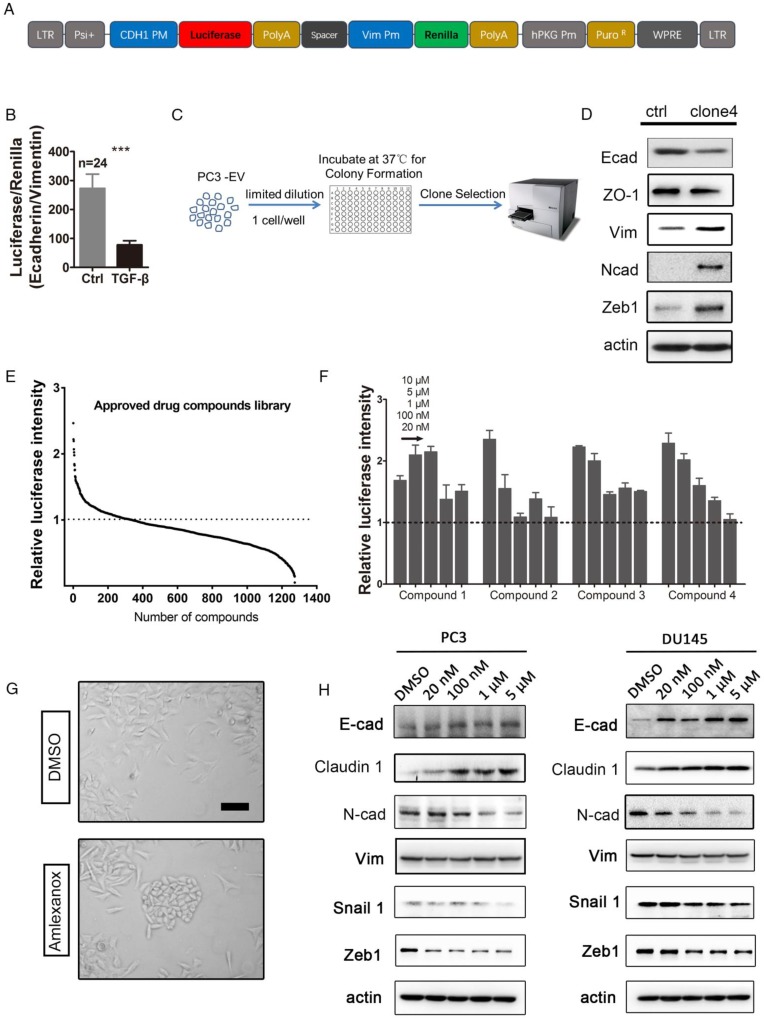
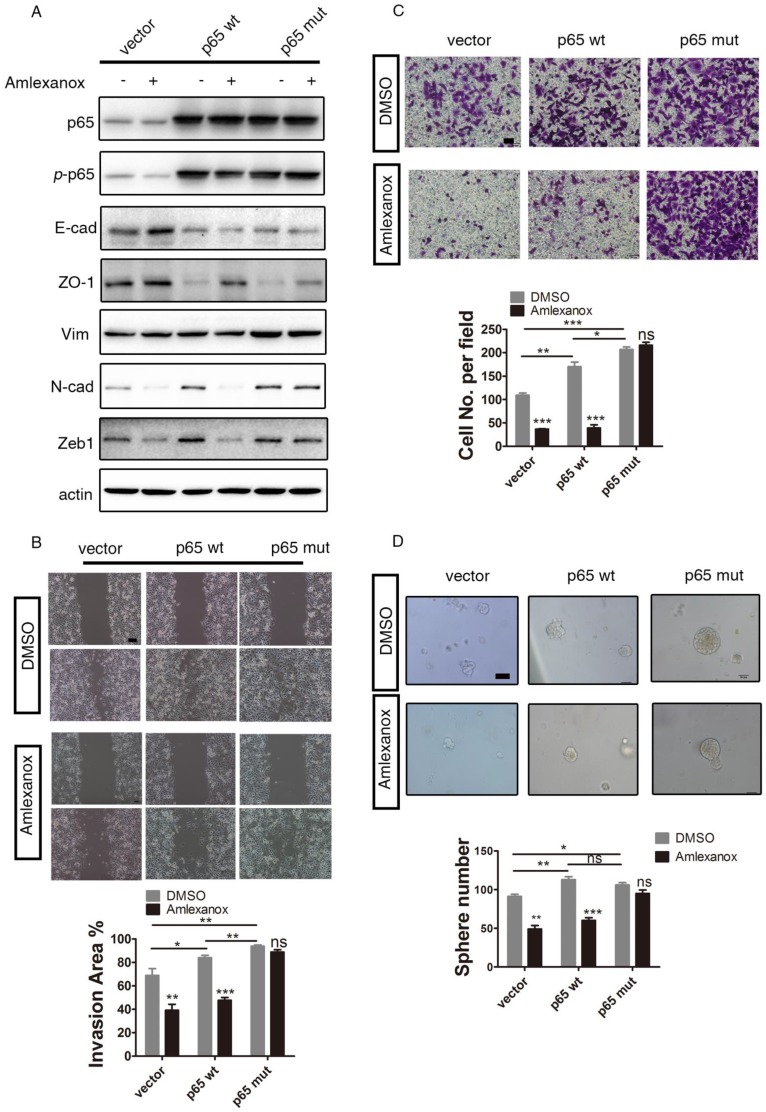
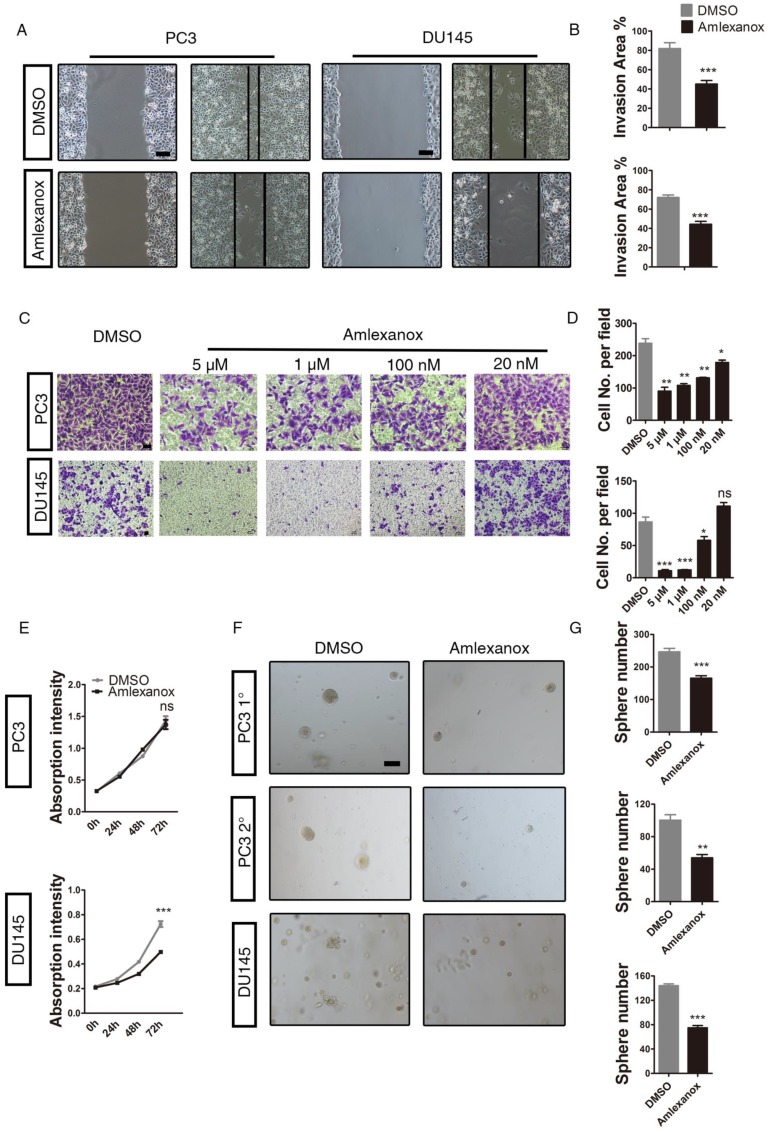
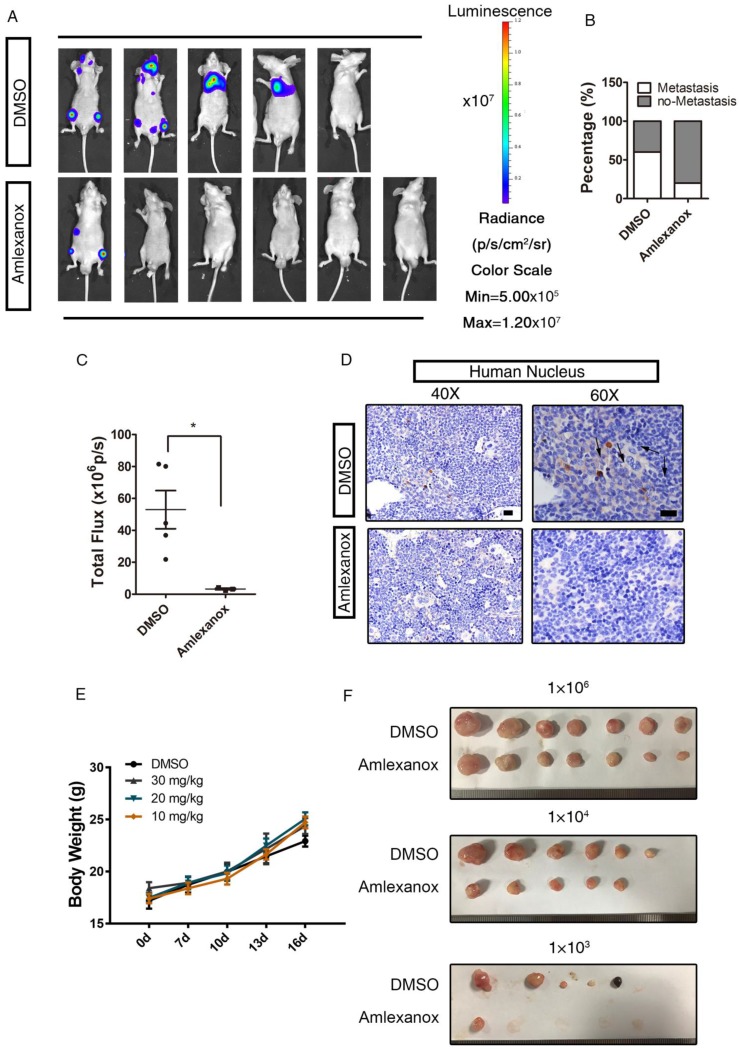
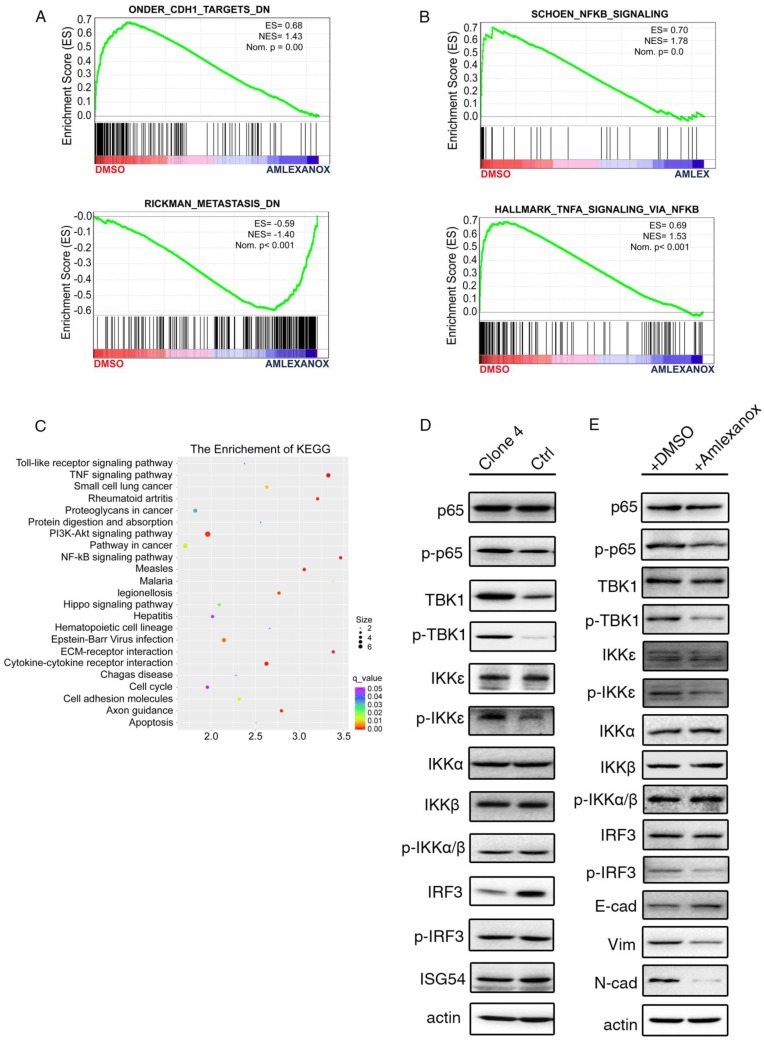
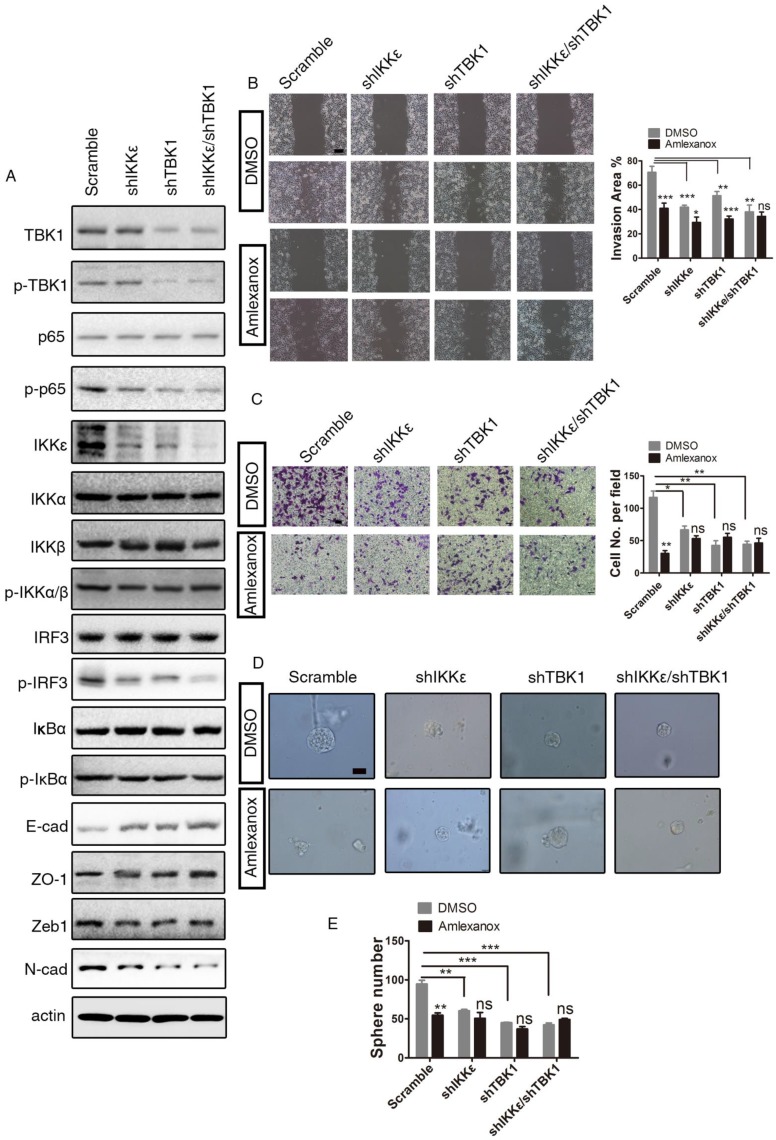
Tumor metastasis is the major cause of death for prostate cancer (PCa) patients. However, the treatment options for metastatic PCa are very limited. Epithelial-mesenchymal transition (EMT) has been reported to be an indispensable step for tumor metastasis and is suggested to associate with acquisition of cancer stem cell (CSC) attributes. We propose that small-molecule compounds that can reverse EMT or induce mesenchymal-epithelial transition (MET) of PCa cells may serve as drug candidates for anti-metastasis therapy. The promoters of and genes were sub-cloned to drive the expression of firefly and renilla luciferase reporter in a lentiviral vector. Mesenchymal-like PCa cells were infected with the luciferase reporter lentivirus and subjected to drug screening from a 1274 approved small-molecule drug library for the identification of agents to reverse EMT. The dosage-dependent effect of candidate compounds was confirmed by luciferase reporter assay and immunoblotting. Wound-healing assay, sphere formation, transwell migration assay, and intracardiac and orthotopic tumor xenograft experiments were used to evaluate the mobility, metastasis and tumor initiating capacity of PCa cells upon treatment. Possible downstream signaling pathways affected by the candidate compound treatment were analyzed by RNA sequencing and immunoblotting. Drug screening identified Amlexanox, a drug used for recurrent aphthous ulcers, as a strong agent to reverse EMT. Amlexanox induced significant suppression of cell mobility, invasion, serial sphere formation and metastasis and tumor initiating capacity of PCa cells. Amlexanox treatment led to downregulation of the IKK-ɛ/ TBK1/ NF-κB signaling pathway. The effect of Amlexanox on EMT reversion and cell mobility inhibition can be mimicked by other IKK-ɛ/TBK1 inhibitors and rescued by reconstitution of dominant active NF-κB. Amlexanox can sufficiently suppress PCa metastasis by reversing EMT through downregulating the IKK-ɛ/TBK1/NF-κB signaling axis.
肿瘤转移是前列腺癌(PCa)患者死亡的主要原因。然而,转移性 PCa 的治疗选择非常有限。上皮-间充质转化(EMT)已被报道是肿瘤转移必不可少的步骤,并被认为与获得癌症干细胞(CSC)属性有关。我们提出,能够逆转 PCa 细胞 EMT 或诱导间质上皮转化(MET)的小分子化合物可能作为抗转移治疗的候选药物。 和 基因的启动子被亚克隆到慢病毒载体中,以驱动萤火虫和海肾荧光素酶报告基因的表达。间充质样 PCa 细胞被荧光素酶报告基因慢病毒感染,并从经过批准的 1274 种小分子药物库中进行药物筛选,以鉴定逆转 EMT 的药物。候选化合物的剂量依赖性效应通过荧光素酶报告基因检测和免疫印迹进行确认。划痕愈合试验、球体形成试验、Transwell 迁移试验以及 体内和原位肿瘤异种移植实验用于评估 PCa 细胞在治疗后的迁移性、转移性和肿瘤起始能力。通过 RNA 测序和免疫印迹分析候选化合物处理影响的可能下游信号通路。药物筛选鉴定出 Amlexanox,一种用于复发性口疮的药物,是一种强大的逆转 EMT 的药物。Amlexanox 显著抑制了 PCa 细胞的迁移、侵袭、连续球体形成和 转移和肿瘤起始能力。Amlexanox 处理导致 IKK-ɛ/TBK1/NF-κB 信号通路的下调。Amlexanox 对 EMT 逆转和细胞迁移抑制的作用可以通过其他 IKK-ɛ/TBK1 抑制剂模拟,并通过重建显性激活 NF-κB 来挽救。Amlexanox 通过下调 IKK-ɛ/TBK1/NF-κB 信号轴足以抑制 PCa 转移,通过逆转 EMT。