Bravo Viviana, Gallo Carmen, Acosta-Jamett Gerardo
Programa Doctorado en Ciencias Veterinarias, Escuela de Graduados, Facultad de Ciencias Veterinarias, Universidad Austral de Chile, Casilla 567, Valdivia, Chile.
Instituto de Ciencia Animal, Facultad de Ciencias Veterinarias, Universidad Austral de Chile, Casilla 567, Valdivia, Chile.
Animals (Basel). 2018 Oct 3;8(10):170. doi: 10.3390/ani8100170.
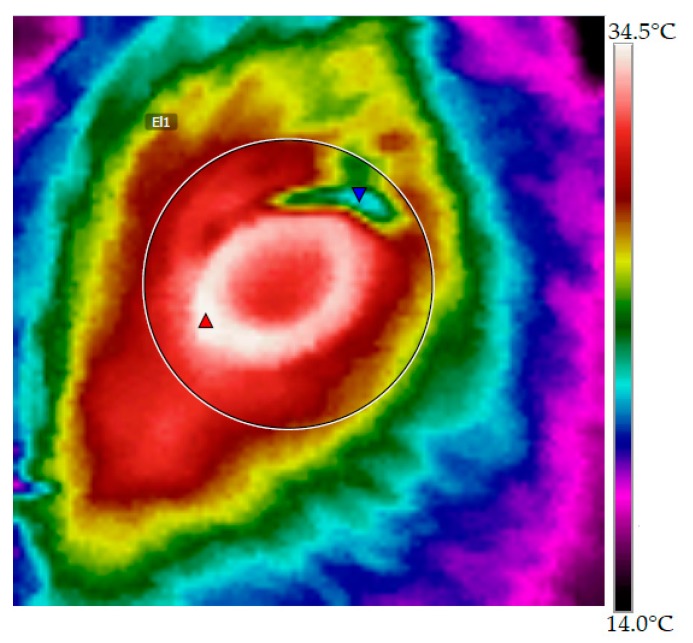
Marketing is a stressful process for beef calves, because they are removed from their environment, often weaned just before loading, loaded, transported, and unloaded. It also involves extended periods without food and water and mixing with unfamiliar animals in an unknown environment. Some studies have shown that calves sold through markets are exposed to extended fasting periods even when they undergo only short transportation times. The aim of this controlled study was to determine the consequences for beef calves of a short transportation time followed by a prolonged time without food and water on their tympanic temperature (TT), maximum eye temperature (MET), blood variables related to stress, and live weight. Ten calves were transported for 3 h and then kept in an outdoor pen for 21 h, completing a 24 h fasting period. Sampling took place before loading, after transport and unloading, and then after completing 24 h without food and water. TT, MET, blood glucose, and creatine kinase (CK) increased significantly after transportation. Live weight decreased across sample times (mean of 10 kg per calf after 24 h of fasting), which was consistent with the higher concentration of β-HB found after fasting. Further studies to measure the actual consequences of true, commercial marketing on calf welfare and productivity are needed.
对肉牛犊而言,销售过程压力重重,因为它们要离开原本的环境,通常在装车前才断奶,然后经历装车、运输和卸车。这还意味着它们要长时间禁食禁水,并在陌生环境中与不熟悉的动物混在一起。一些研究表明,即便运输时间很短,通过市场销售的牛犊仍会面临长时间禁食。这项对照研究的目的是确定肉牛犊在短时间运输后再长时间禁食禁水,对其鼓膜温度(TT)、最高眼温(MET)、与应激相关的血液指标以及体重会产生何种影响。10头牛犊被运输3小时,然后在室外围栏中饲养21小时,从而完成24小时的禁食期。在装车前、运输和卸车后以及禁食24小时后进行采样。运输后,TT、MET、血糖和肌酸激酶(CK)显著升高。体重在各个采样时间点均有所下降(禁食24小时后每头牛犊平均下降10千克),这与禁食后发现的较高β-羟丁酸浓度一致。需要进一步开展研究,以衡量实际商业销售对牛犊福利和生产性能的实际影响。