Varanasi Swambabu, Henzel Leeav, Mendoza Llyza, Prathapan Ragesh, Batchelor Warren, Tabor Rico, Garnier Gil
Department of Chemical Engineering, Bioresource Processing Research Institute of Australia, Monash University, Clayton, VIC, Australia.
Department of Chemical Engineering, Indian Institute of Petroleum and Energy, Visakhapatnam, India.
Front Chem. 2018 Sep 19;6:409. doi: 10.3389/fchem.2018.00409. eCollection 2018.
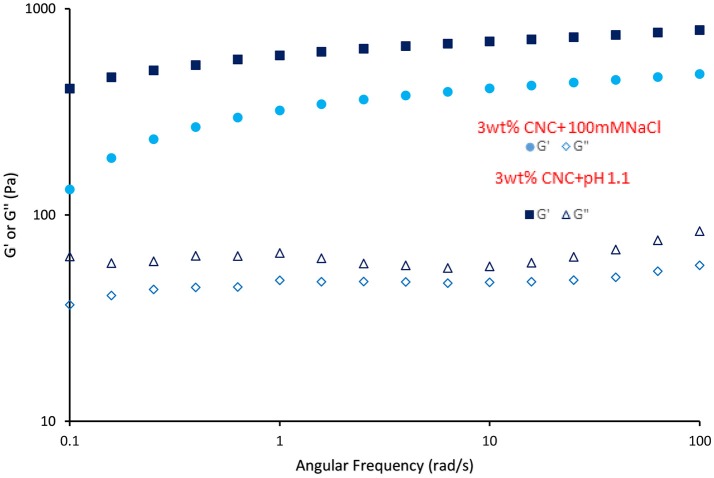
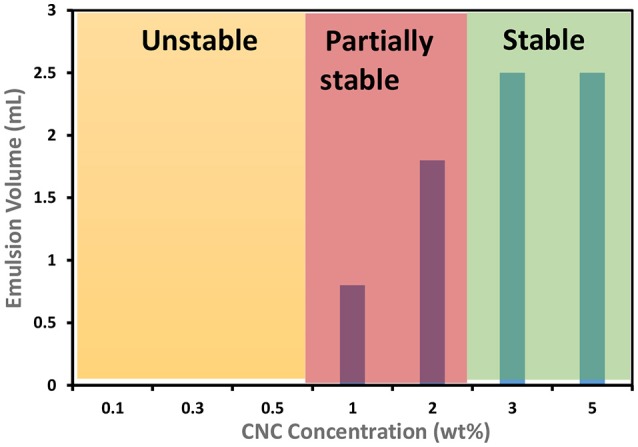
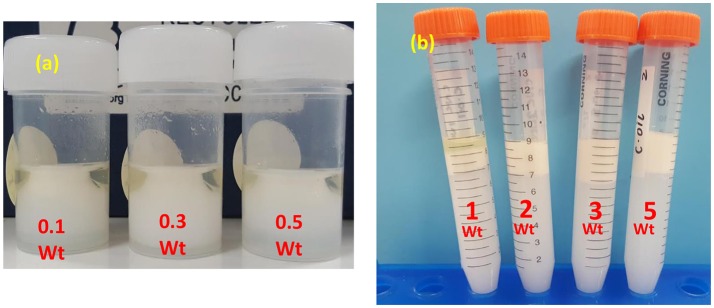
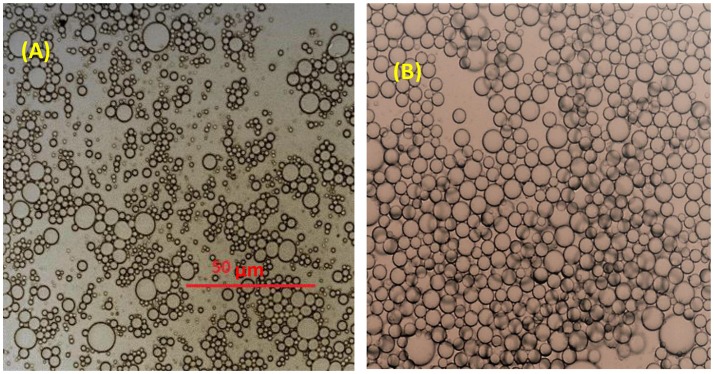
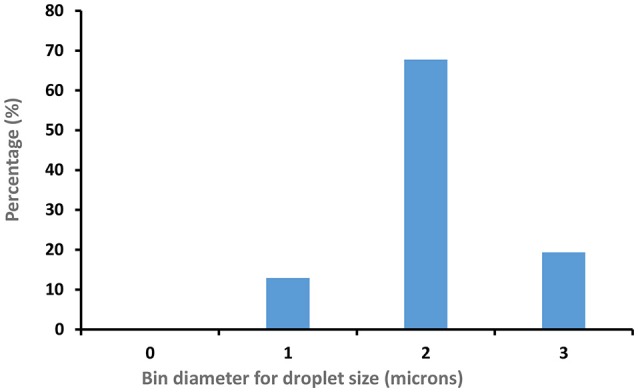
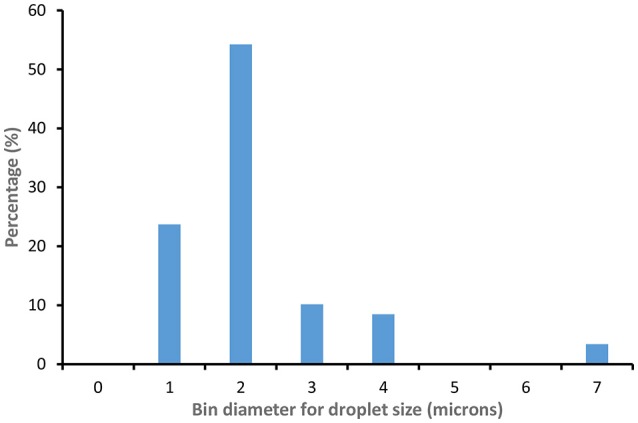
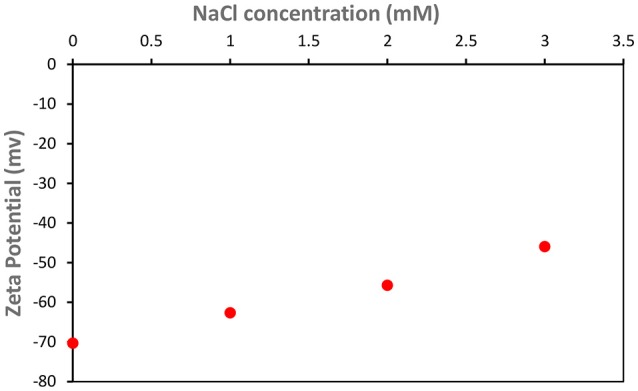
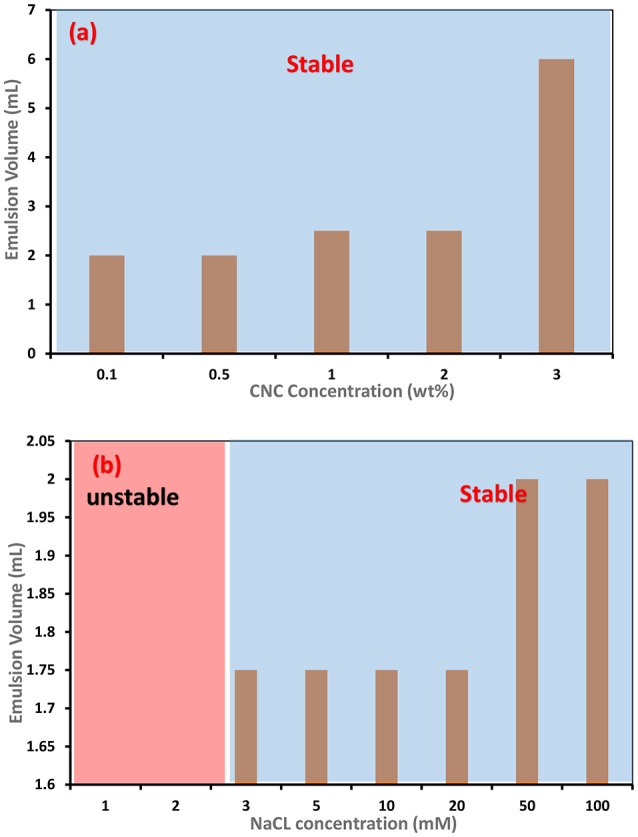
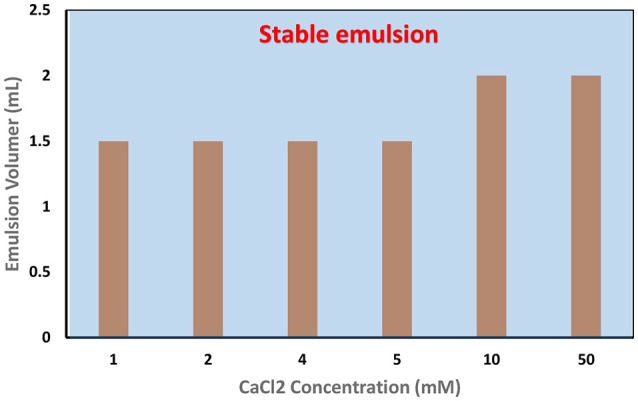
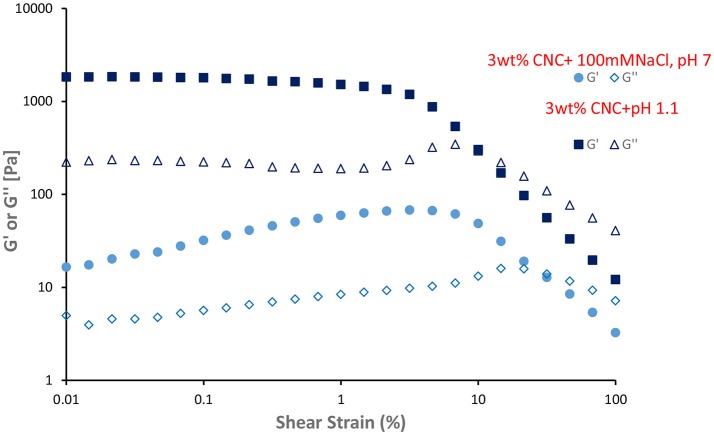
Cellulose Nanocrystals (CNC) are explored to stabilize oil/water emulsions for their ability to adsorb at the oil/water interface. In this work, the role of electrostatic forces in the CNC ability to stabilize oil/water emulsions is explored using canola oil/water and hexadecane/water as model systems. Canola oil/water and Hexadecane/ water (20/80, v/v) emulsions were stabilized with the addition of CNCs using ultrasonication. Emulsion droplet sizes range from 1 to 4 μm as measured by optical microscopy. It is found that CNC can stabilize oil/water emulsions regardless of their charge density. However, reducing the surface charge density, by adding salts and varying pH, can reduce the amount of CNC's required to form a stable emulsion. Just by adding 3 mM Na or 1 mM or less Ca to a CNC suspension, the amount of CNC reduced by 30% to stabilized 2 mL of Canola oil. On the other hand, adding salt increases the emulsion volume. The addition of 100 mM Na or the reduction of pH below 2 leads to the aggregation of CNC; emulsions formed under these conditions showed gel-like behavior. This work shows the potential of nanocellulose crystal in stabilizing food and industrial emulsions. This is of interest for applications where biodegradability, biocompatibility, and food grade requirements are needed.
纤维素纳米晶体(CNC)因其能够在油/水界面吸附而被用于稳定油/水乳液。在这项工作中,以菜籽油/水和十六烷/水为模型体系,探究了静电力在CNC稳定油/水乳液能力中的作用。通过超声处理添加CNC来稳定菜籽油/水和十六烷/水(20/80,v/v)乳液。通过光学显微镜测量,乳液液滴尺寸范围为1至4μm。研究发现,无论CNC的电荷密度如何,它都能稳定油/水乳液。然而,通过添加盐和改变pH值来降低表面电荷密度,可以减少形成稳定乳液所需的CNC量。只需向CNC悬浮液中添加3 mM的Na或1 mM或更少的Ca,稳定2 mL菜籽油所需的CNC量就会减少30%。另一方面,添加盐会增加乳液体积。添加100 mM的Na或将pH值降低到2以下会导致CNC聚集;在这些条件下形成的乳液表现出凝胶状行为。这项工作展示了纳米纤维素晶体在稳定食品和工业乳液方面的潜力。这对于需要生物降解性、生物相容性和食品级要求的应用来说很有意义。