Key Laboratory of Fujian-Taiwan Animal Pathogen Biology, College of Animal Sciences, Fujian Agriculture and Forestry University, Fuzhou, China.
CAS Key Laboratory of Pathogenic Microbiology and Immunology, Institute of Microbiology, Chinese Academy of Sciences, Beijing, China.
Vet Res. 2018 Oct 1;49(1):98. doi: 10.1186/s13567-018-0594-y.
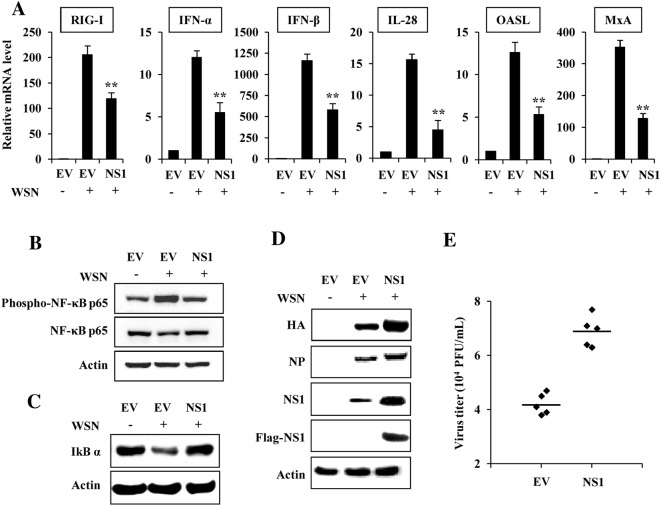
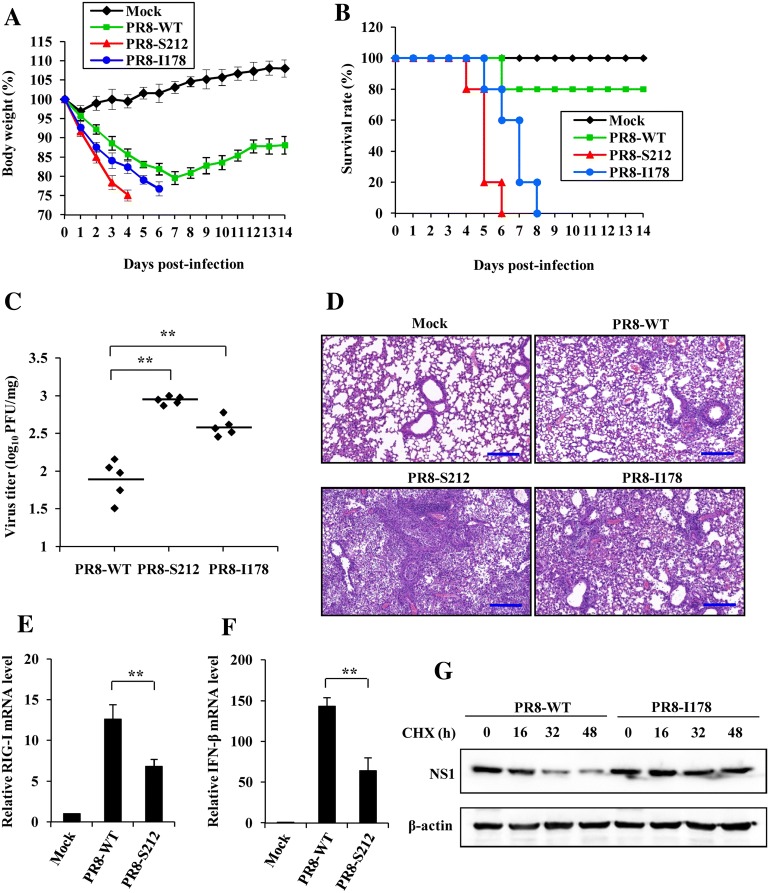
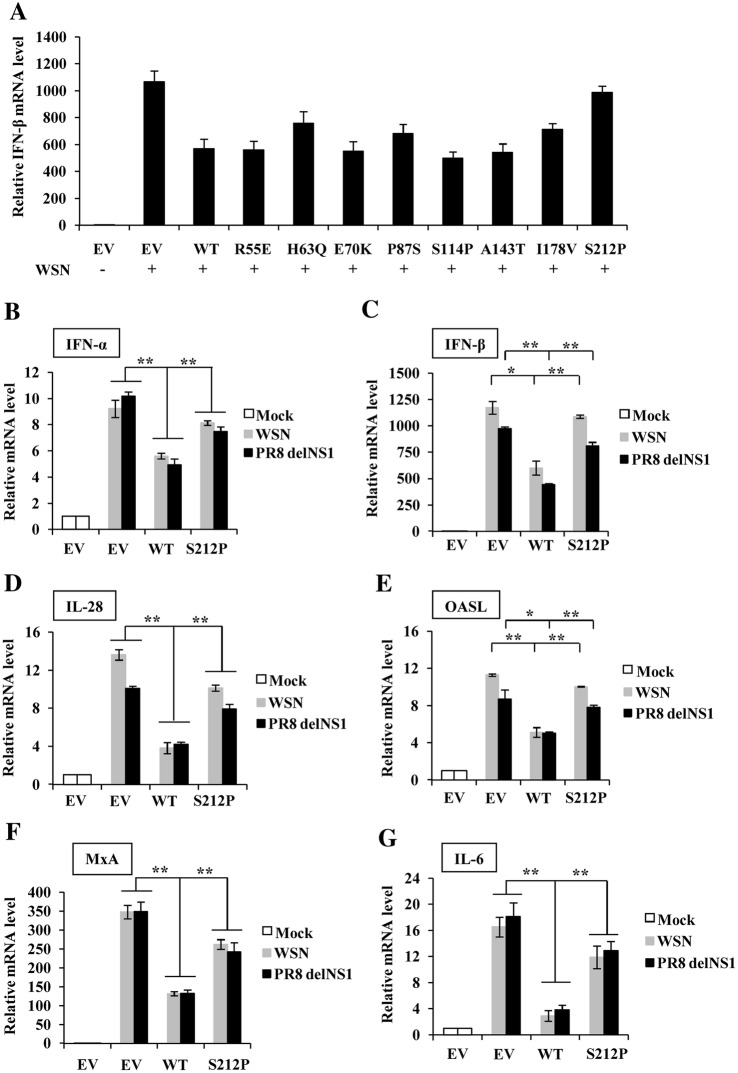
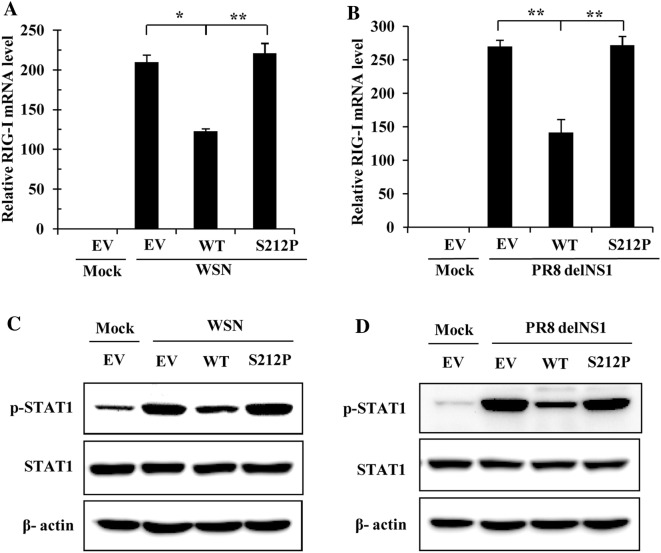
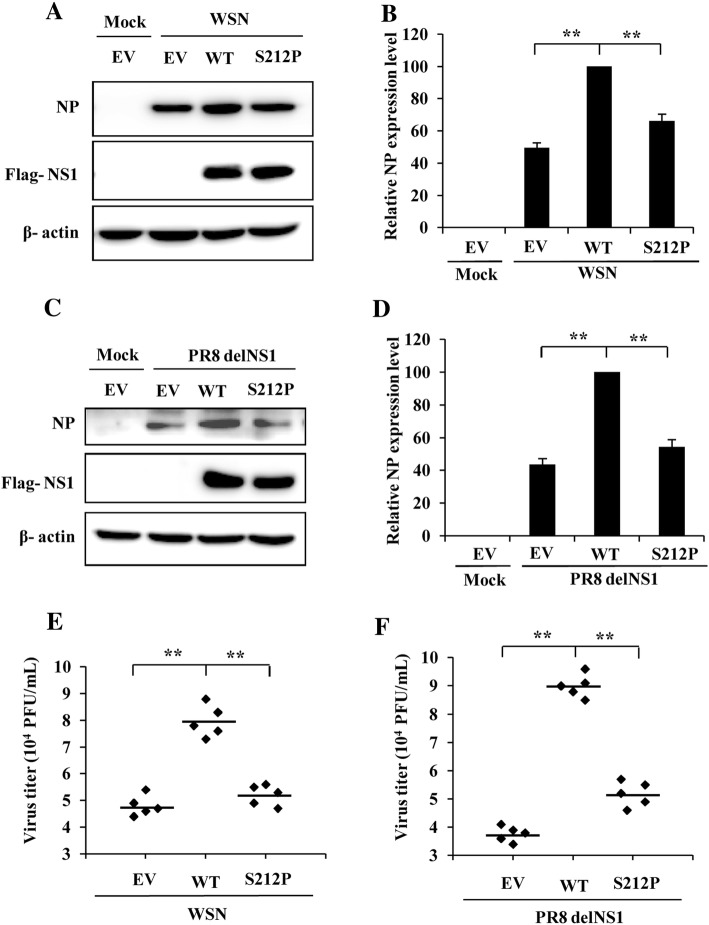
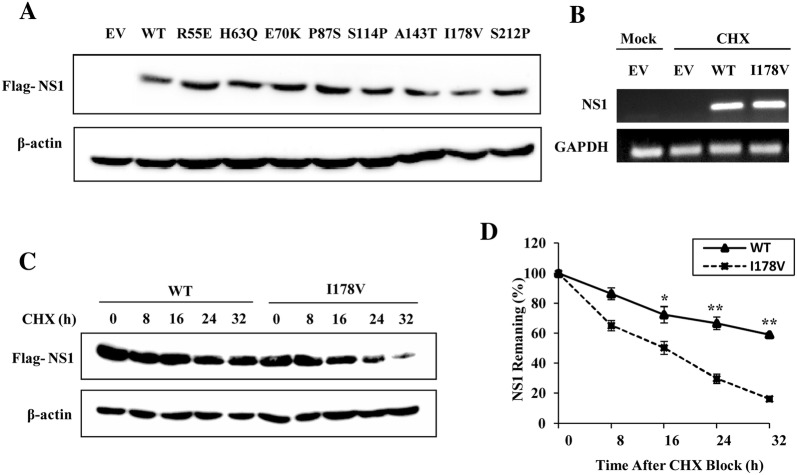
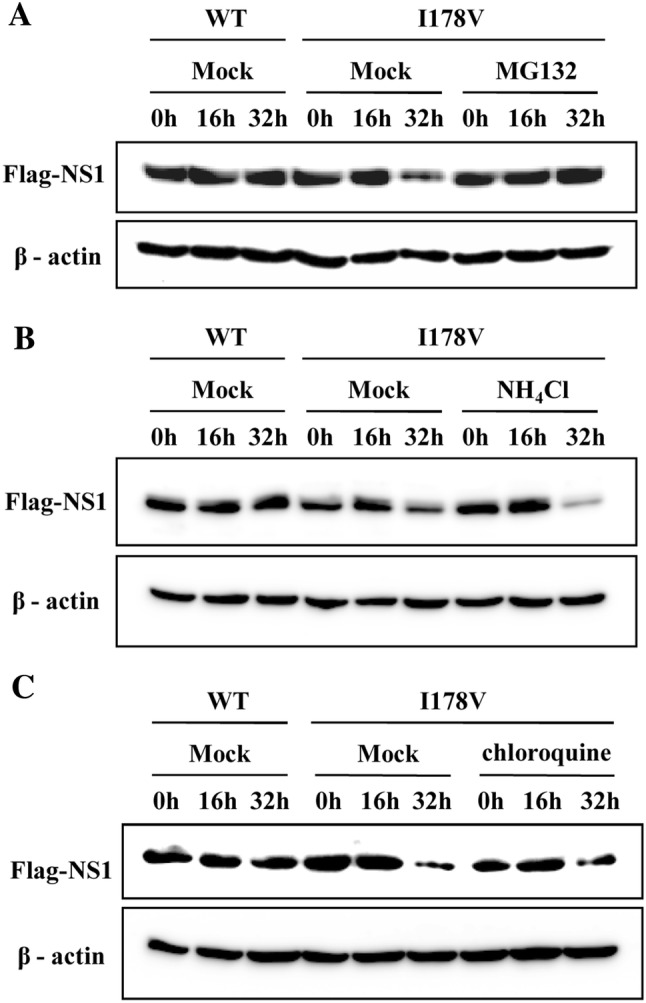
The emerging avian-origin H7N9 influenza A virus, which causes mild to lethal human respiratory disease, continues to circulate in China, posing a great threat to public health. Influenza NS1 protein plays a key role in counteracting host innate immune responses, allowing the virus to efficiently replicate in the host. In this study, we compared NS1 amino acid sequences of H7N9 influenza A virus with those of other strains, and determined NS1 protein variability within the H7N9 virus and then evaluated the impact of amino acid substitutions on ability of the NS1 proteins to inhibit host innate immunity. Interestingly, the amino acid residue S212 was identified to have a profound effect on the primary function of NS1, since S212P substitution disabled H7N9 NS1 in suppressing the host RIG-I-dependent interferon response, as well as the ability to promote the virus replication. In addition, we identified another amino acid residue, I178, serving as a key site to keep NS1 protein high steady-state levels. When the isoleucine was replaced by valine at 178 site (I178V mutation), NS1 of H7N9 underwent rapid degradation through proteasome pathway. Furthermore, we observed that P212S and V178I mutation in NS1 of PR8 virus enhanced virulence and promoted the virus replication in vivo. Together, these results indicate that residues I178 and S212 within H7N9 NS1 protein are critical for stability and functioning of the NS1 protein respectively, and may contribute to the enhanced pathogenicity of H7N9 influenza virus.
新型甲型 H7N9 禽流感病毒为禽源性流感病毒,可引起人类轻症至重症呼吸道疾病,目前在中国仍持续流行,对人类健康构成极大威胁。流感 NS1 蛋白在拮抗宿主固有免疫反应方面发挥着关键作用,使其能在宿主中高效复制。在本研究中,我们比较了 H7N9 流感病毒的 NS1 氨基酸序列与其他病毒株的序列,并确定了 H7N9 病毒内 NS1 蛋白的变异性,然后评估了氨基酸取代对 NS1 蛋白抑制宿主固有免疫能力的影响。有趣的是,发现氨基酸残基 S212 对 NS1 的主要功能有深远影响,因为 S212P 取代使 H7N9 NS1 无法抑制宿主 RIG-I 依赖性干扰素反应,以及促进病毒复制的能力。此外,我们鉴定了另一个氨基酸残基 I178,它是维持 NS1 蛋白高稳态水平的关键位点。当 178 位的异亮氨酸被缬氨酸取代时(I178V 突变),H7N9 的 NS1 通过蛋白酶体途径迅速降解。此外,我们观察到 PR8 病毒的 NS1 中的 P212S 和 V178I 突变增强了病毒的毒力并促进了体内病毒复制。综上所述,这些结果表明 H7N9 NS1 蛋白中的残基 I178 和 S212 分别对 NS1 蛋白的稳定性和功能至关重要,可能有助于增强 H7N9 流感病毒的致病性。