Department of Epigenetics and Molecular Carcinogenesis, Science Park, The University of Texas MD Anderson Cancer Center, Smithville, TX, United States.
Institute for Regenerative Medicine, Department of Molecular and Cellular Medicine, Texas A&M Health Science Center College of Medicine, Temple and College Station, TX, United States; Research Service, Olin E. Teague Veterans' Medical Center, CTVHCS, Temple, TX, United States.
Neurobiol Dis. 2019 Jan;121:163-176. doi: 10.1016/j.nbd.2018.09.026. Epub 2018 Oct 2.
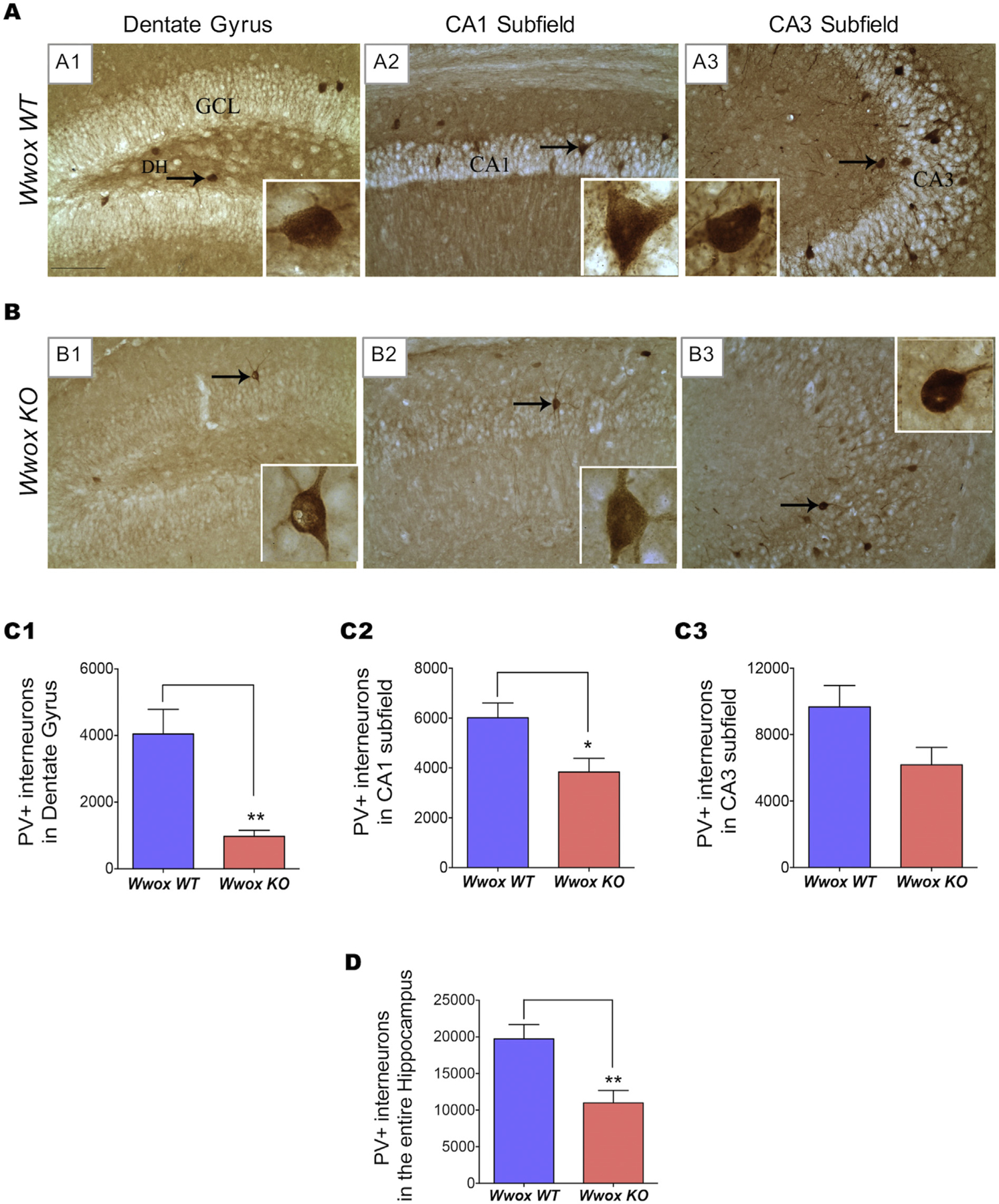
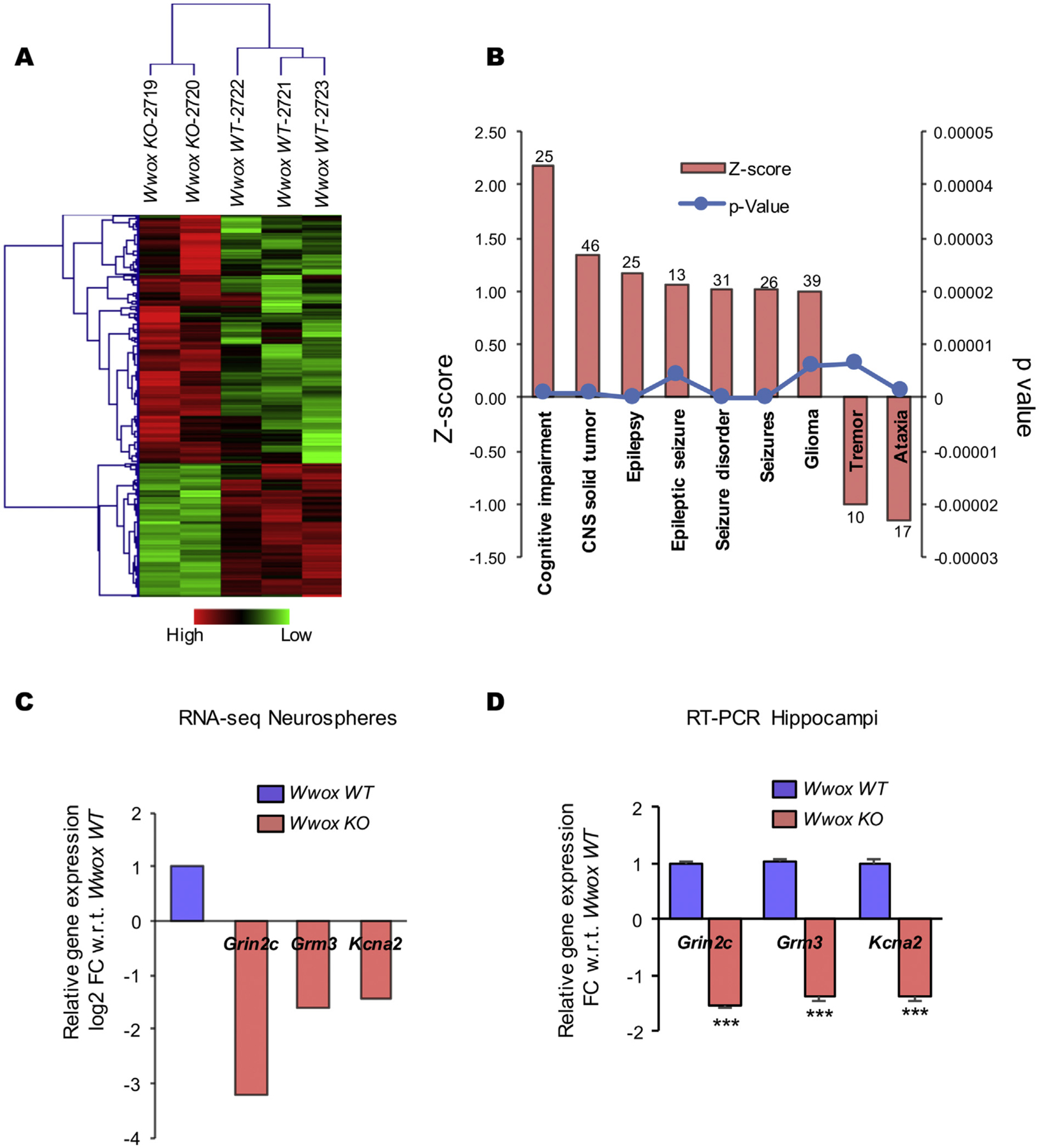
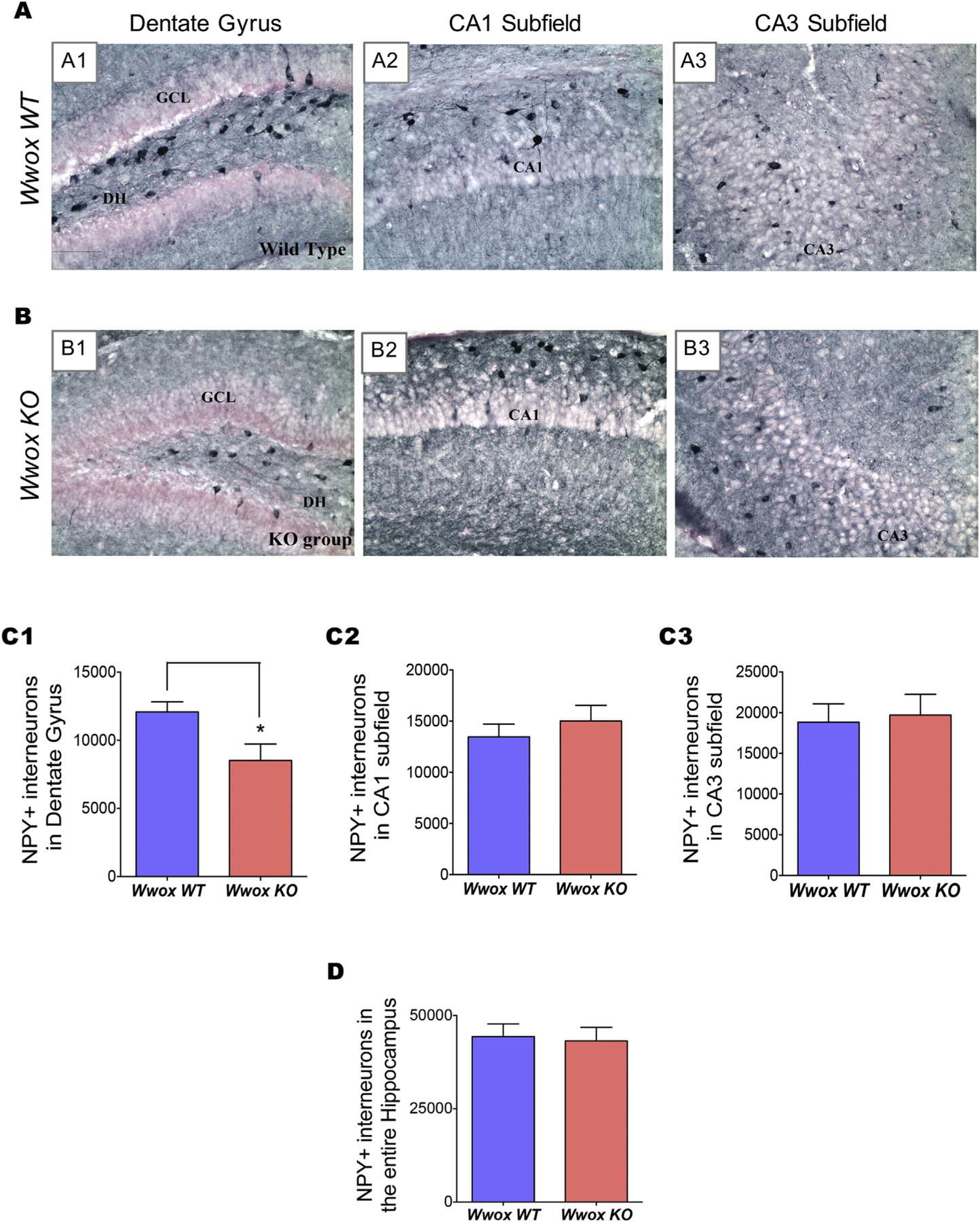
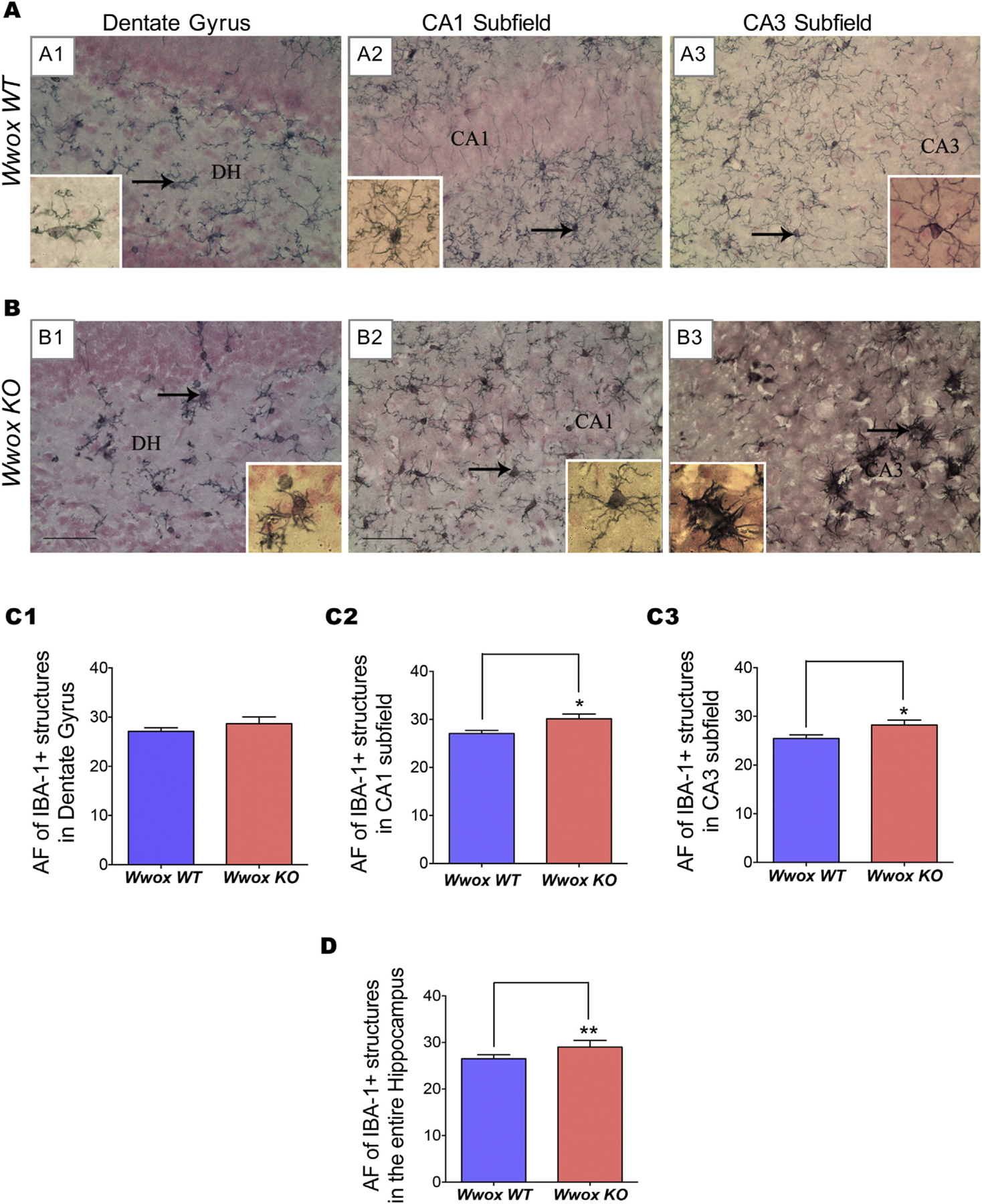
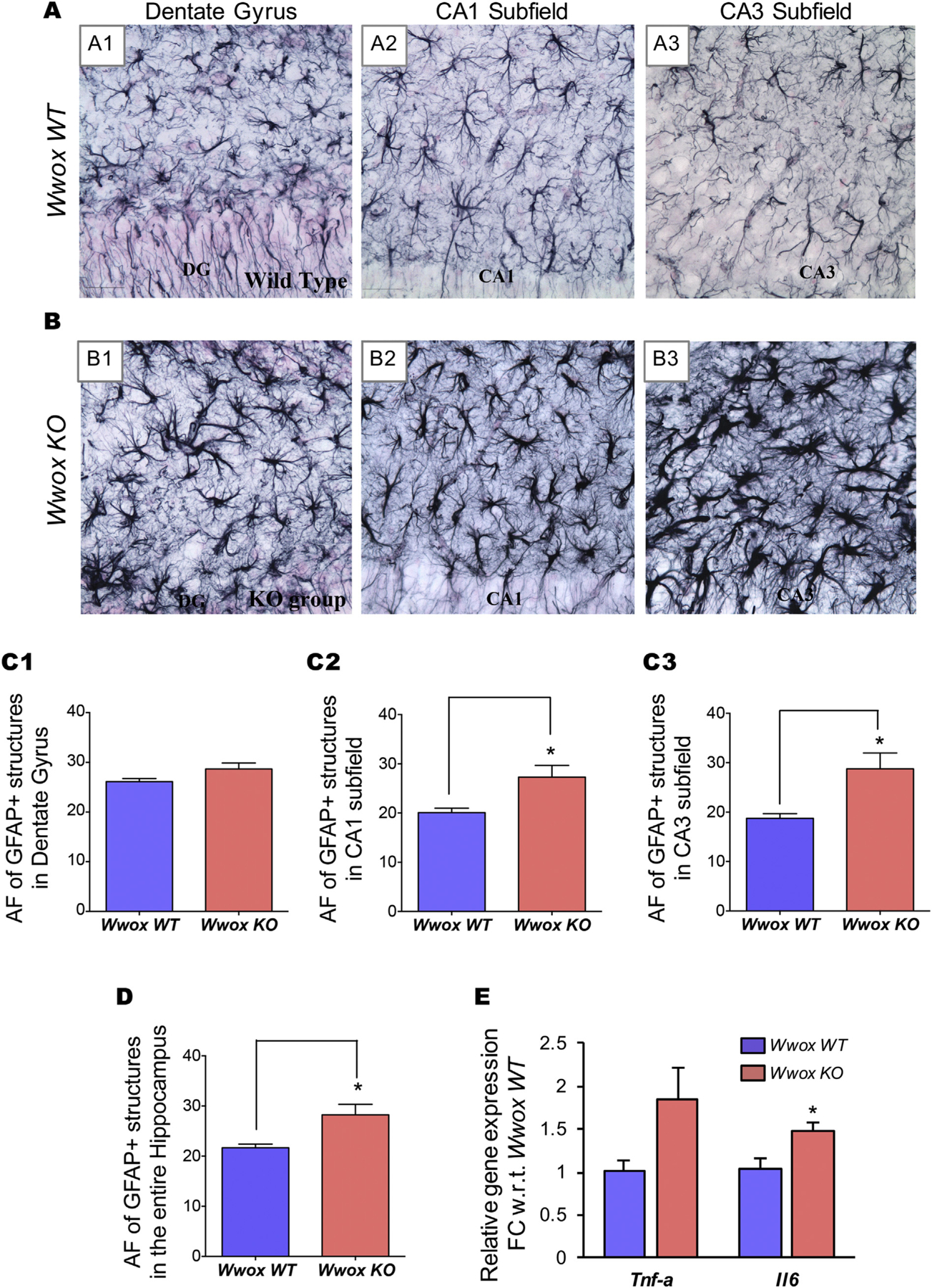
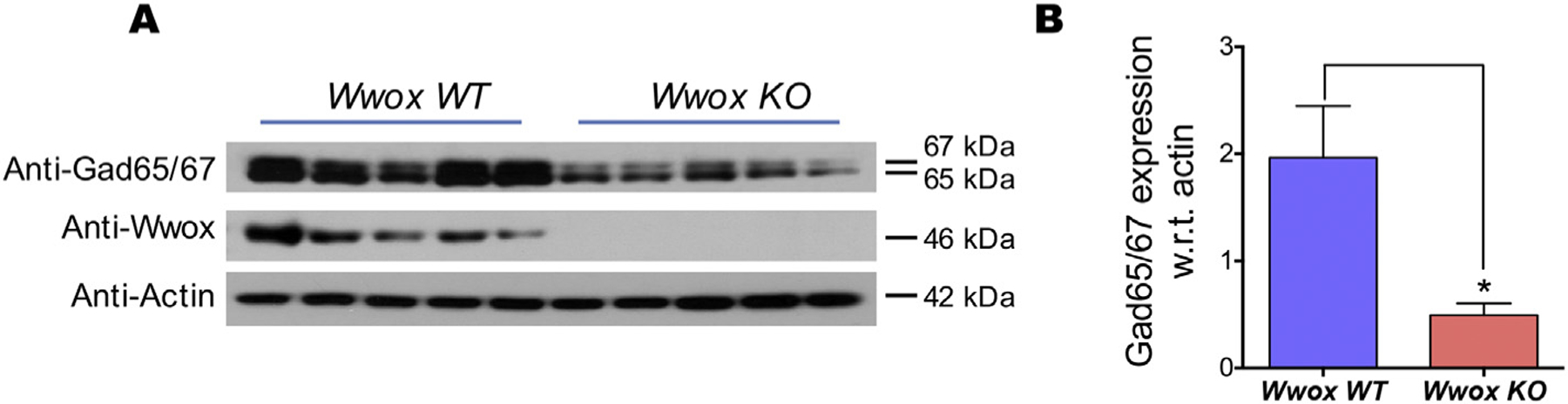
The association of WW domain-containing oxidoreductase WWOX gene loss of function with central nervous system (CNS) related pathologies is well documented. These include spinocerebellar ataxia, epilepsy and mental retardation (SCAR12, OMIM: 614322) and early infantile epileptic encephalopathy (EIEE28, OMIM: 616211) syndromes. However, there is complete lack of understanding of the pathophysiological mechanisms at play. In this study, using a Wwox knockout (Wwox KO) mouse model (2 weeks old, both sexes) and stereological studies we observe that Wwox deletion leads to a significant reduction in the number of hippocampal GABA-ergic (γ-aminobutyric acid) interneurons. Wwox KO mice displayed significantly reduced numbers of calcium-binding protein parvalbumin (PV) and neuropeptide Y (NPY) expressing interneurons in different subfields of the hippocampus in comparison to Wwox wild-type (WT) mice. We also detected decreased levels of Glutamic Acid Decarboxylase protein isoforms GAD65/67 expression in Wwox null hippocampi suggesting lower levels of GABA synthesis. In addition, Wwox deficiency was associated with signs of neuroinflammation such as evidence of activated microglia, astrogliosis, and overexpression of inflammatory cytokines Tnf-a and Il6. We also performed comparative transcriptome-wide expression analyses of neural stem cells grown as neurospheres from hippocampi of Wwox KO and WT mice thus identifying 283 genes significantly dysregulated in their expression. Functional annotation of transcriptome profiling differences identified 'neurological disease' and 'CNS development related functions' to be significantly enriched. Several epilepsy-related genes were found differentially expressed in Wwox KO neurospheres. This study provides the first genotype-phenotype observations as well as potential mechanistic clues associated with Wwox loss of function in the brain.
WW 结构域含有氧化还原酶 WWOX 基因失活与中枢神经系统 (CNS) 相关病变的关联已得到充分证实。这些病变包括脊髓小脑共济失调、癫痫和智力迟钝 (SCAR12,OMIM:614322) 和早发性婴儿癫痫性脑病 (EIEE28,OMIM:616211) 综合征。然而,目前对于发挥作用的病理生理机制完全缺乏了解。在这项研究中,我们使用 Wwox 敲除 (Wwox KO) 小鼠模型 (2 周龄,雌雄皆有) 和立体学研究观察到,Wwox 缺失导致海马 GABA 能 (γ-氨基丁酸) 中间神经元数量显著减少。与 Wwox 野生型 (WT) 小鼠相比,Wwox KO 小鼠海马的不同脑区中钙结合蛋白 parvalbumin (PV) 和神经肽 Y (NPY) 表达的中间神经元数量明显减少。我们还检测到 Wwox 缺失海马中的谷氨酸脱羧酶蛋白同工型 GAD65/67 表达水平降低,表明 GABA 合成水平降低。此外,Wwox 缺乏与神经炎症迹象相关,例如活化的小胶质细胞、星形胶质细胞增多以及炎症细胞因子 Tnf-a 和 Il6 的过表达。我们还对 Wwox KO 和 WT 小鼠海马来源的神经球进行了比较全转录组表达分析,从而确定了 283 个基因的表达显著失调。对转录组差异表达的功能注释确定了“神经疾病”和“与 CNS 发育相关的功能”显著富集。在 Wwox KO 神经球中发现了几个癫痫相关基因的差异表达。这项研究提供了 Wwox 基因失活与脑相关的基因型-表型观察以及潜在的机制线索。