Wang Mu, Xia Wei, Li Han, Liu Fang, Li Yuanyuan, Sun Xiaojie, Lu Songfeng, Xu Shunqing
School of Computer Science and Technology, Huazhong University of Science and Technology.
Key Laboratory of Environment and Health, Ministry of Education and Ministry of Environmental Protection, and State Key Laboratory of Environmental Health (Incubation), School of Public Health, Tongji Medical College, Wuhan, Hubei, China.
Medicine (Baltimore). 2018 Oct;97(40):e12417. doi: 10.1097/MD.0000000000012417.
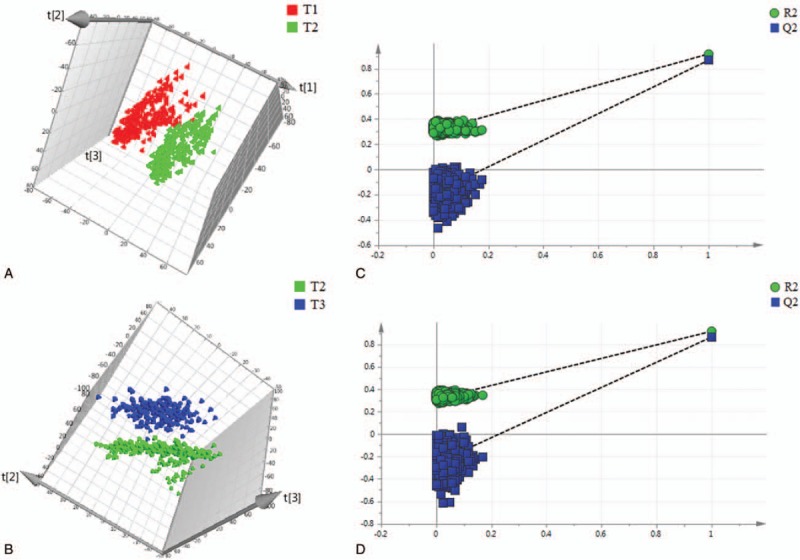
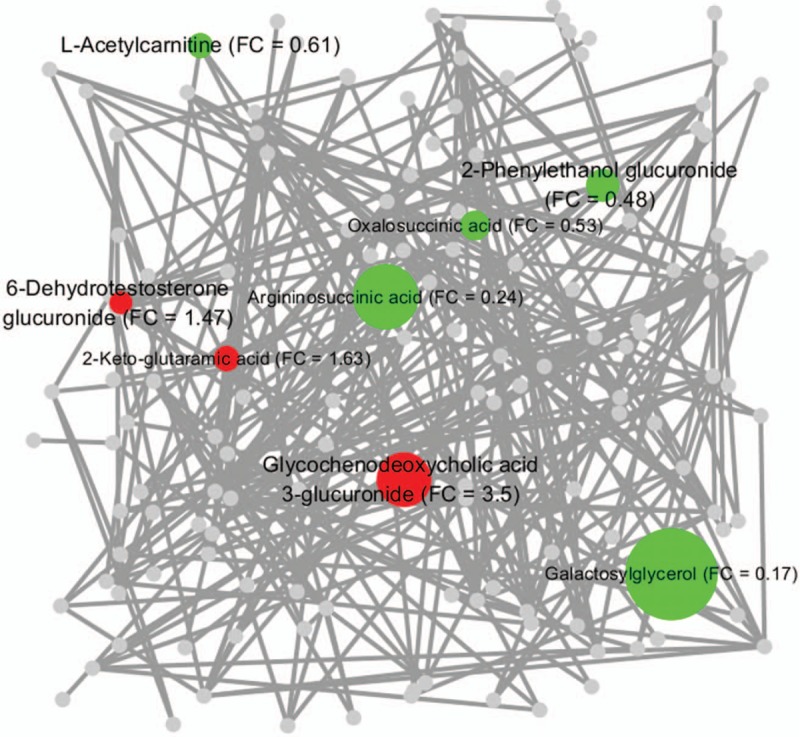
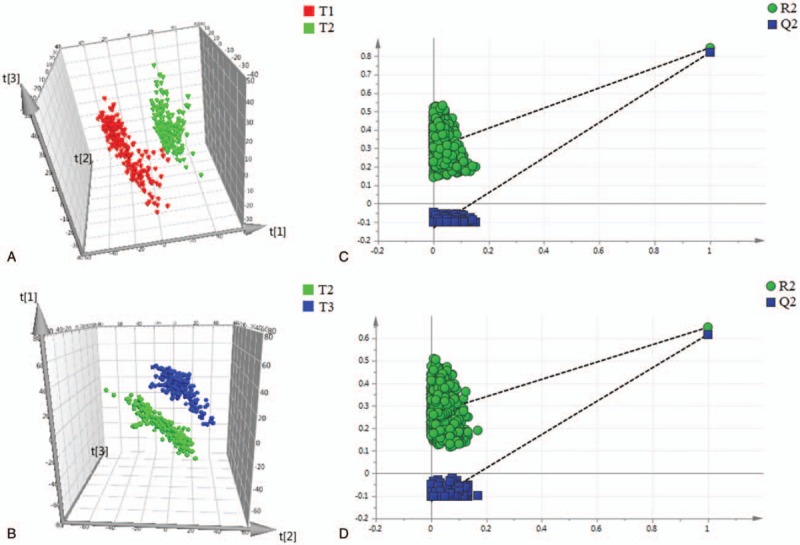
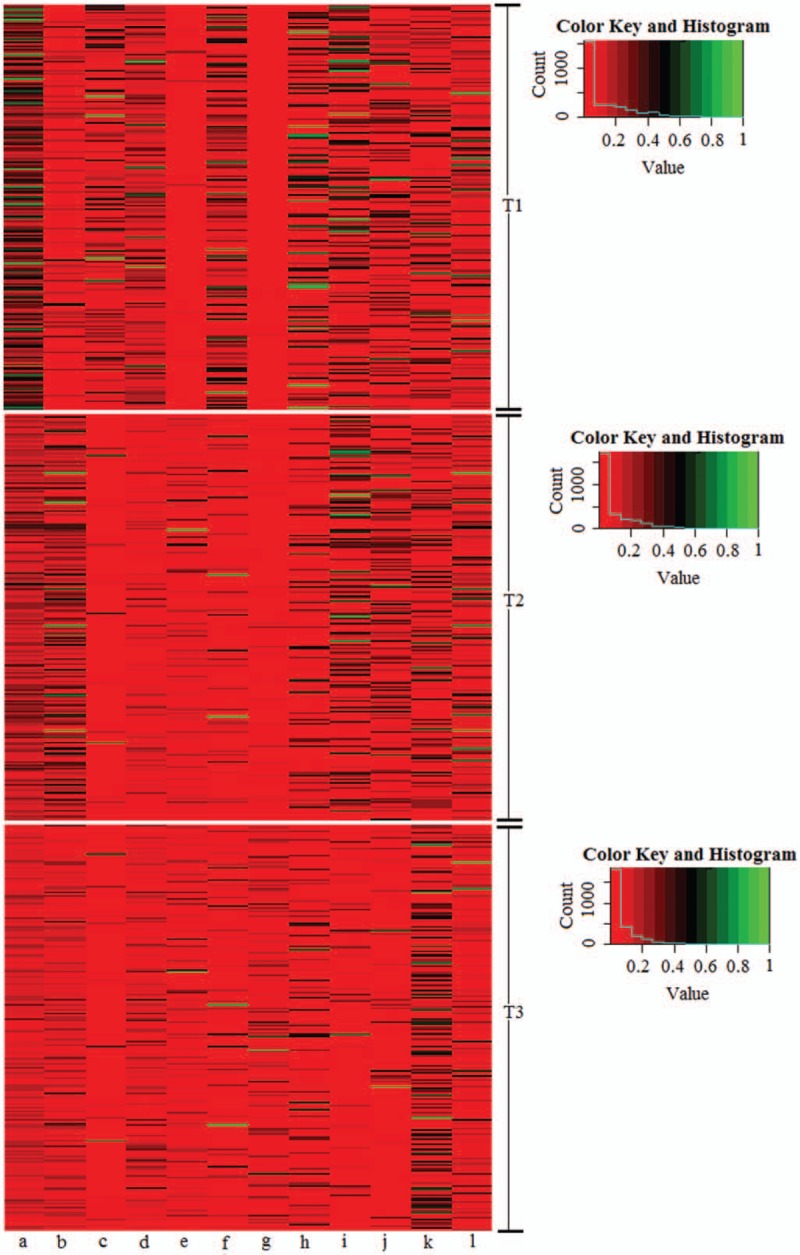
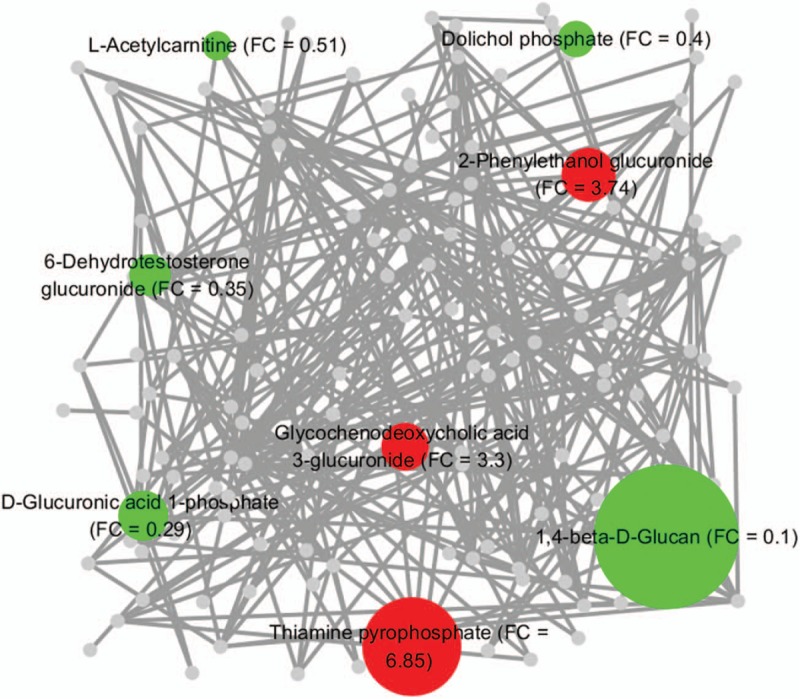
During normal pregnancy, mothers face a unique physiological challenge in the adaptation of glucose metabolism in preparation for the metabolic stress presented by fetal development. However, the responsible mechanism remains elusive. The purpose of this study is to investigate the mechanism of the metabolic stress of glucose metabolism in pregnant women using metabolomics method.A Ultra Performance Liquid Chromatography Quadrupole Time-of-Flight Mass Spectrometer-based untargeted metabolomics study was performed to investigate the dynamic urinary signature of the intermediates of glucose metabolism in a longitudinal cohort of 232 healthy pregnant women in their first, second, and third trimesters.Twelve glucose metabolic intermediates were screened out from hundreds of candidate metabolites using partial least squares discriminant analysis models. These 12 markers were mainly involved in the metabolic pathways of insulin resistance, glycolysis/gluconeogenesis, tricarboxylic acid cycle, nonabsorbable carbohydrate metabolism, and N-glycan biosynthesis. In particular, L-acetylcarnitine, a metabolite that is beneficial for the amelioration of insulin resistance, decreased in a time-dependent manner during normal pregnancy. Moreover, thiamine pyrophosphate, an intermediate product of glycolysis/gluconeogenesis, significantly increased in the second trimester, and argininosuccinic acid and oxalosuccinic acid, intermediates involved in the tricarboxylic acid cycle, significantly decreased in the third trimester, suggesting an increased glucose demand in the maternal body during fetal development.These findings provide novel insight into the normal pregnancy-induced elevation of insulin resistance and glycolysis/gluconeogenesis, as well as the observed reduction in the aerobic oxidation of glucose.
在正常妊娠期间,母亲在适应葡萄糖代谢方面面临独特的生理挑战,以应对胎儿发育带来的代谢压力。然而,其相关机制仍不清楚。本研究的目的是使用代谢组学方法研究孕妇葡萄糖代谢应激的机制。采用基于超高效液相色谱四极杆飞行时间质谱仪的非靶向代谢组学研究,对232名处于孕早期、孕中期和孕晚期的健康孕妇纵向队列中葡萄糖代谢中间产物的动态尿液特征进行了研究。使用偏最小二乘判别分析模型从数百种候选代谢物中筛选出12种葡萄糖代谢中间产物。这12种标志物主要参与胰岛素抵抗、糖酵解/糖异生、三羧酸循环、不可吸收碳水化合物代谢和N-聚糖生物合成的代谢途径。特别是,对改善胰岛素抵抗有益的代谢物L-乙酰肉碱在正常妊娠期间呈时间依赖性下降。此外,糖酵解/糖异生的中间产物硫胺素焦磷酸在孕中期显著增加,而参与三羧酸循环的中间产物精氨琥珀酸和草酰琥珀酸在孕晚期显著下降,这表明在胎儿发育过程中母体对葡萄糖的需求增加。这些发现为正常妊娠引起的胰岛素抵抗和糖酵解/糖异生升高以及观察到的葡萄糖有氧氧化减少提供了新的见解。