Piñero Janet, Gonzalez-Perez Abel, Guney Emre, Aguirre-Plans Joaquim, Sanz Ferran, Oliva Baldo, Furlong Laura I
Integrative Biomedical Informatics Group, Research Programme on Biomedical Informatics, Hospital del Mar Medical Research Institute, Department of Experimental and Health Sciences, Universitat Pompeu Fabra, Barcelona, Spain.
Institute for Research in Biomedicine, The Barcelona Institute of Science and Technology, Barcelona, Spain.
Front Genet. 2018 Sep 25;9:412. doi: 10.3389/fgene.2018.00412. eCollection 2018.
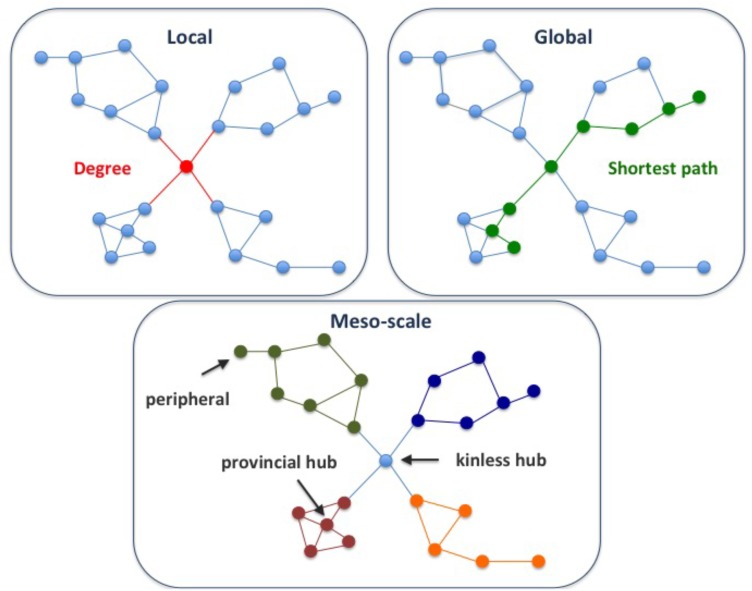
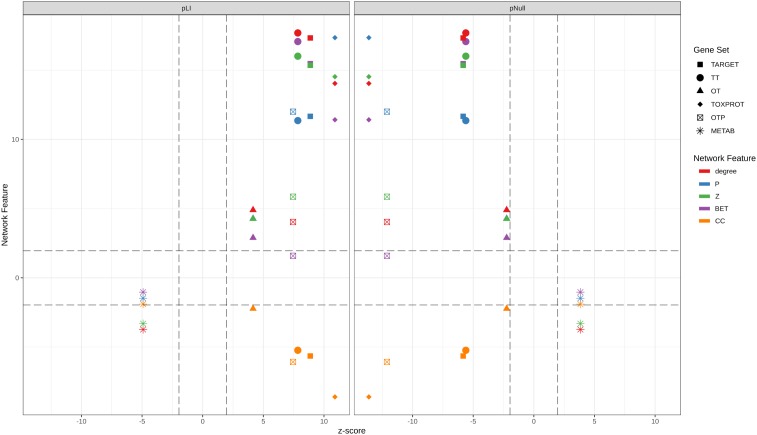
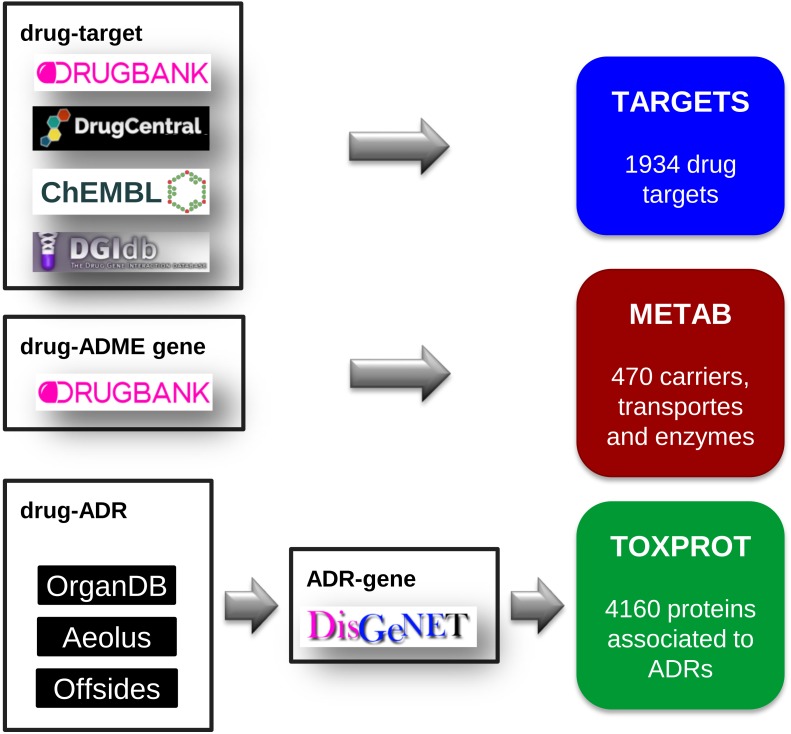
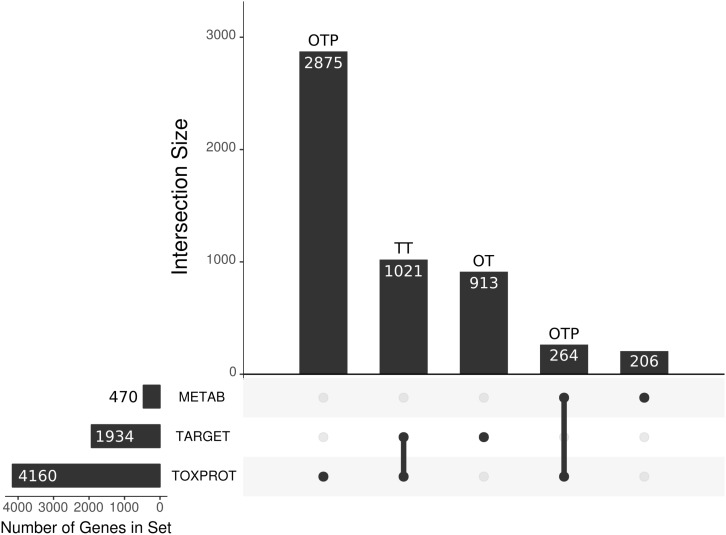
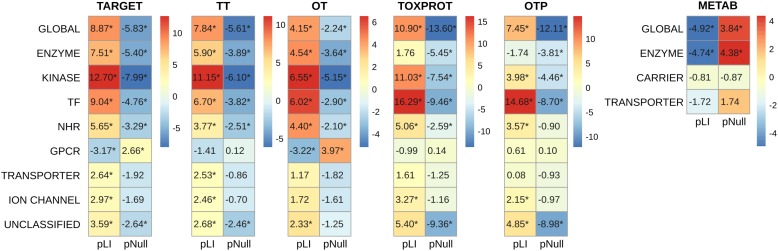
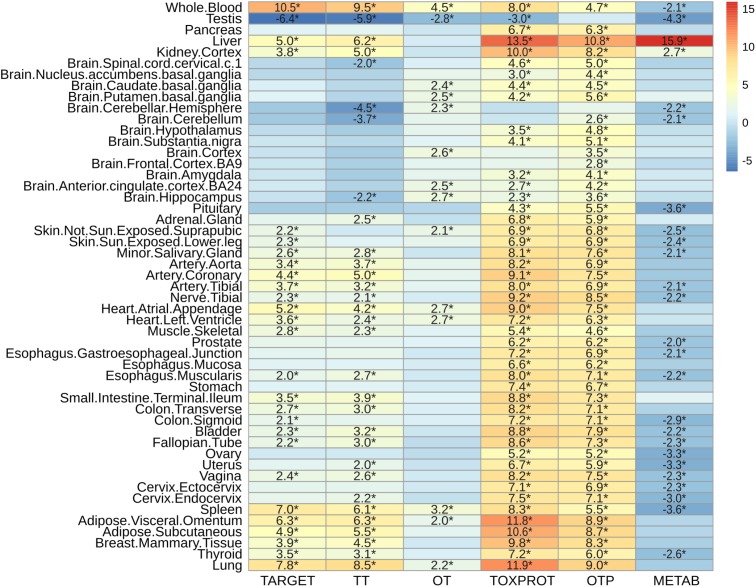
Understanding the mechanisms underlying drug therapeutic action and toxicity is crucial for the prevention and management of drug adverse reactions, and paves the way for a more efficient and rational drug design. The characterization of drug targets, drug metabolism proteins, and proteins associated to side effects according to their expression patterns, their tolerance to genomic variation and their role in cellular networks, is a necessary step in this direction. In this contribution, we hypothesize that different classes of proteins involved in the therapeutic effect of drugs and in their adverse effects have distinctive transcriptomics, genomics and network features. We explored the properties of these proteins within global and organ-specific interactomes, using multi-scale network features, evaluated their gene expression profiles in different organs and tissues, and assessed their tolerance to loss-of-function variants leveraging data from 60K subjects. We found that drug targets that mediate side effects are more central in cellular networks, more intolerant to loss-of-function variation, and show a wider breadth of tissue expression than targets not mediating side effects. In contrast, drug metabolizing enzymes and transporters are less central in the interactome, more tolerant to deleterious variants, and are more constrained in their tissue expression pattern. Our findings highlight distinctive features of proteins related to drug action, which could be applied to prioritize drugs with fewer probabilities of causing side effects.
了解药物治疗作用和毒性的潜在机制对于预防和管理药物不良反应至关重要,并为更高效、合理的药物设计铺平了道路。根据药物靶点、药物代谢蛋白以及与副作用相关的蛋白的表达模式、对基因组变异的耐受性及其在细胞网络中的作用进行表征,是朝着这个方向迈出的必要一步。在本论文中,我们假设参与药物治疗作用及其不良反应的不同类别蛋白质具有独特的转录组学、基因组学和网络特征。我们利用多尺度网络特征在全局和器官特异性相互作用组中探索了这些蛋白质的特性,评估了它们在不同器官和组织中的基因表达谱,并利用来自6万名受试者的数据评估了它们对功能丧失变异的耐受性。我们发现,介导副作用的药物靶点在细胞网络中更为核心,对功能丧失变异更不耐受,并且与不介导副作用的靶点相比,其组织表达广度更广。相比之下,药物代谢酶和转运蛋白在相互作用组中不那么核心,对有害变异更耐受,并且其组织表达模式受到更多限制。我们的研究结果突出了与药物作用相关蛋白质的独特特征,这些特征可用于优先选择引起副作用可能性较小的药物。