Cunha Ana G, Lundahl Meri, Ansari Mohd Farhan, Johansson Leena-Sisko, Campbell Joseph M, Rojas Orlando J
Department of Bioproducts and Biosystems, Aalto University, P.O. Box 16300, Aalto 00076, Finland.
Department of Fibre and Polymer Technology and Wallenberg Wood Science Center, KTH Royal Institute of Technology, Stockholm SE-100 44, Sweden.
ACS Appl Nano Mater. 2018 Sep 28;1(9):5279-5288. doi: 10.1021/acsanm.8b01268. Epub 2018 Aug 3.
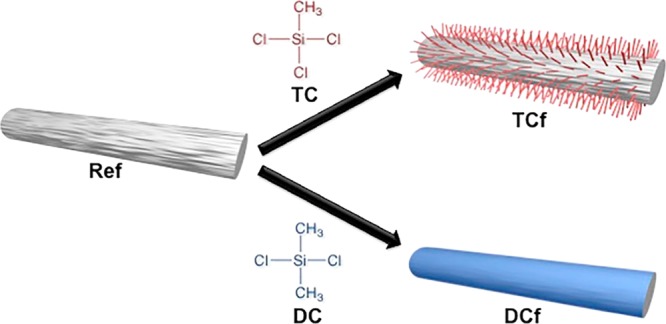
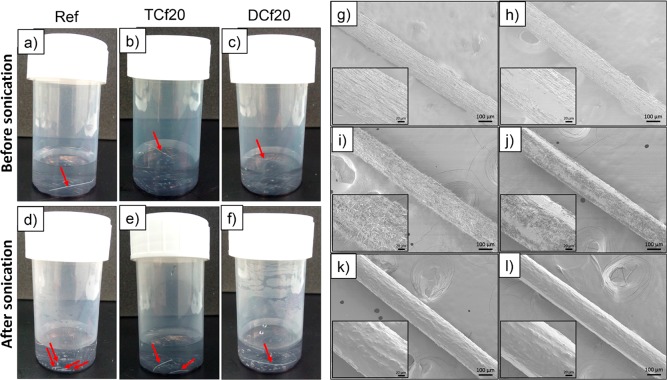
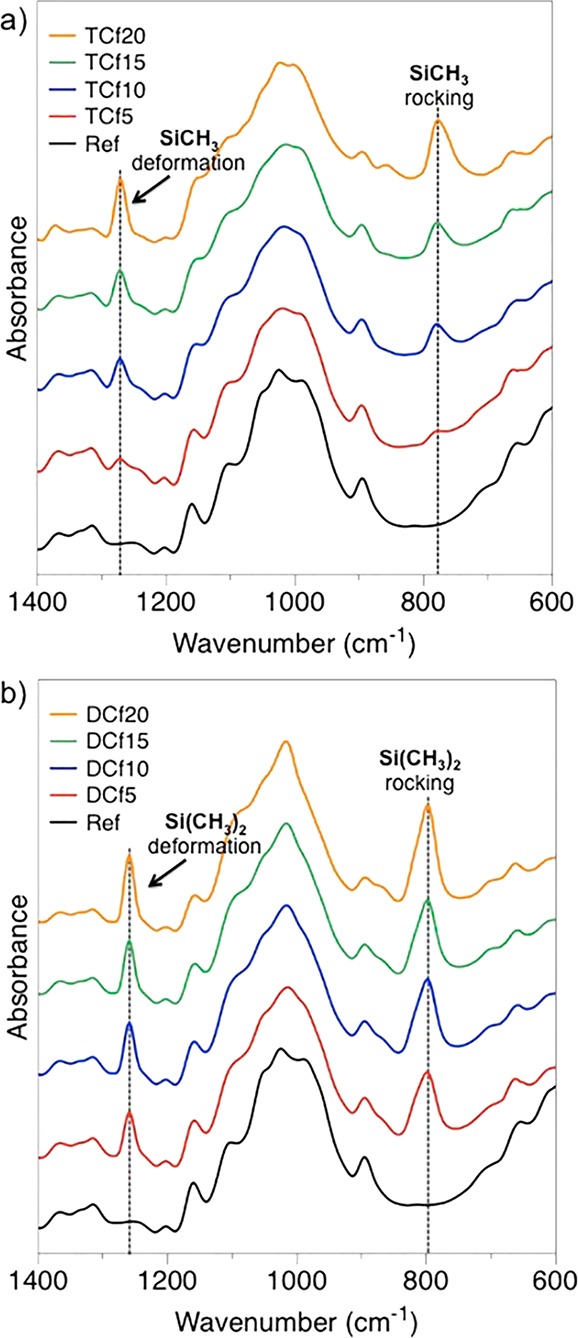
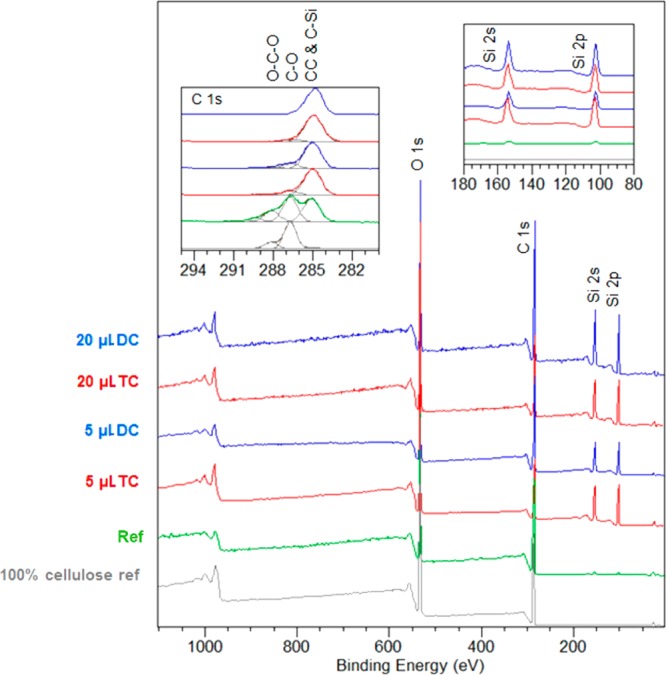
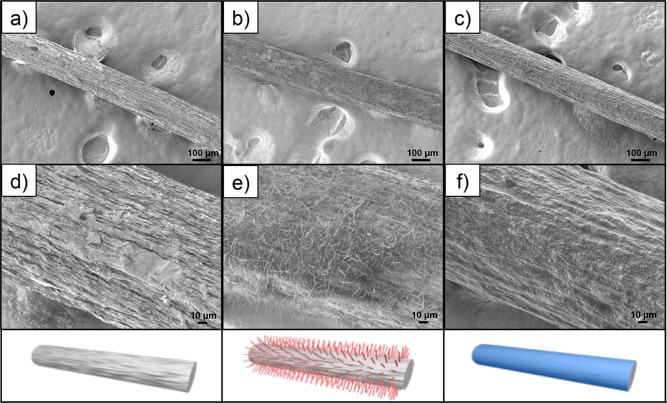
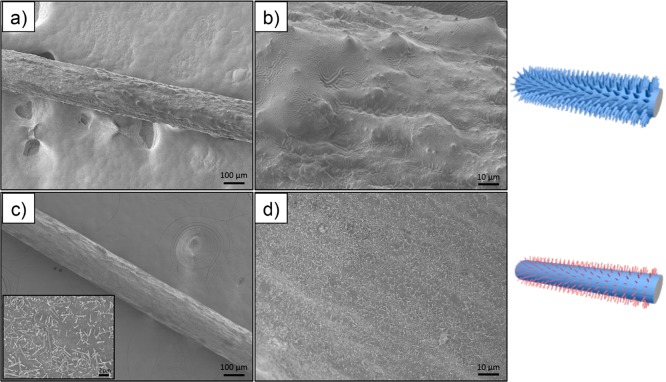
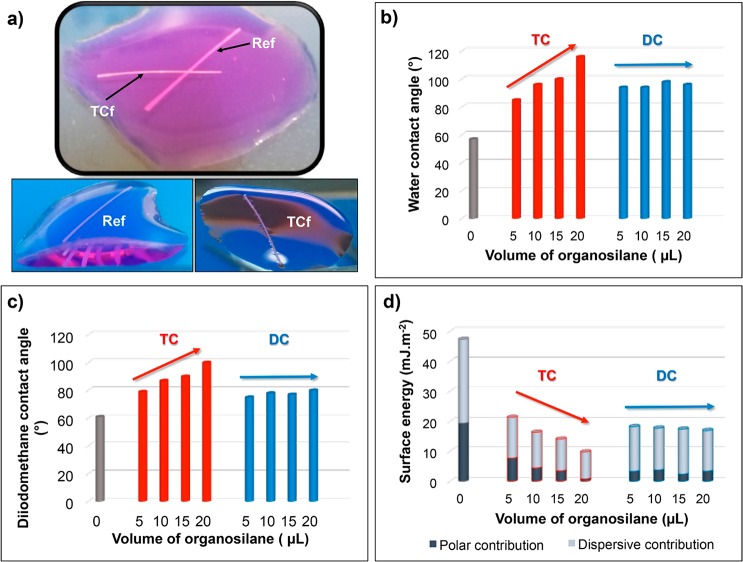
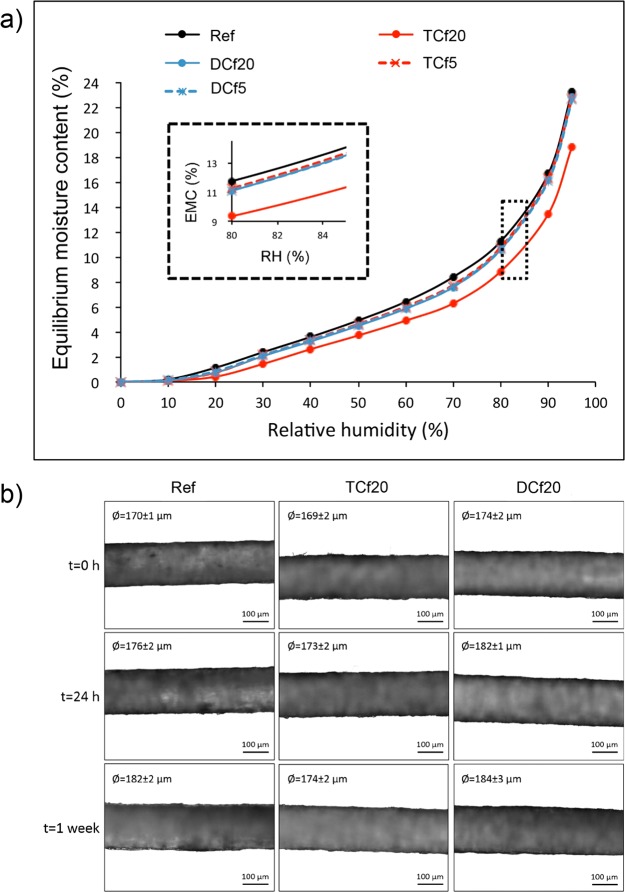
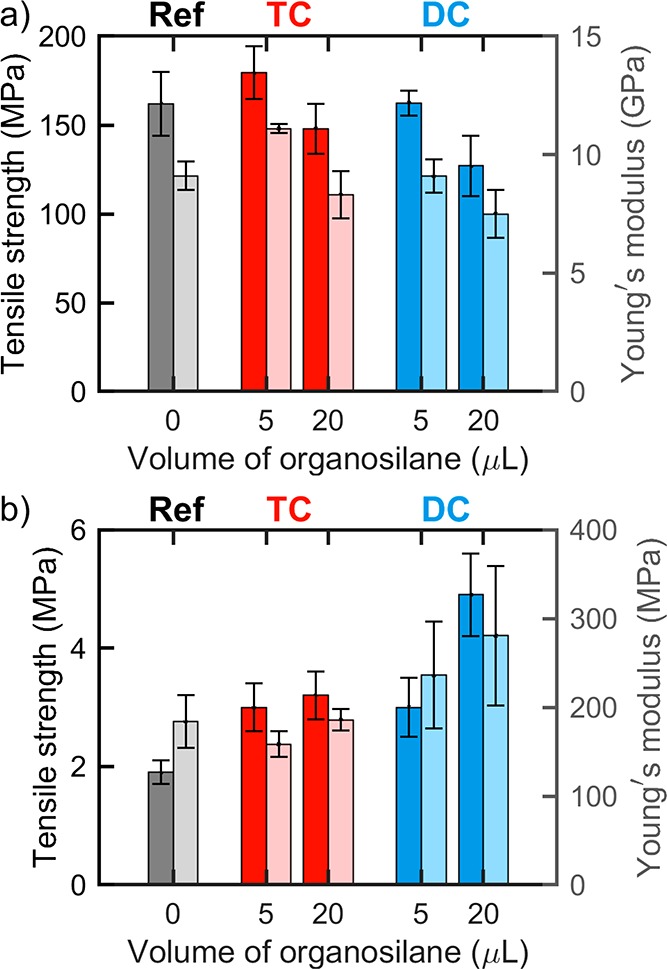
Colloidal dispersions of cellulose nanofibrils (CNFs) are viable alternatives to cellulose II dissolutions used for filament spinning. The porosity and water vapor affinity of CNF filaments make them suitable for controlled breathability. However, many textile applications also require water repellence. Here, we investigated the effects of postmodification of wet-spun CNF filaments via chemical vapor deposition (CVD). Two organosilanes with different numbers of methyl substituents were considered. Various surface structures were achieved, either as continuous, homogeneous coating layers or as three-dimensional, hairy-like assemblies. Such surface features reduced the surface energy, which significantly affected the interactions with water. Filaments with water contact angles of up to 116° were obtained, and surface energy measurements indicated the possibility of developing amphiphobicity. Dynamic vapor sorption and full immersion experiments were carried out to inquire about the interactions with water, whether in the liquid or gas forms. Mechanical tests revealed that the wet strength of the modified filaments were almost 3 times higher than that of the unmodified precursors. The hydrolytic and mechanical stabilities of the adsorbed layers were also revealed. Overall, our results shed light on the transformation of aqueous dispersions of CNFs into filaments that are suited for controlled interactions with water via concurrent hydrolysis and condensation reactions in CVD, while maintaining the moisture buffering capacity and breathability of related structures.
纤维素纳米原纤维(CNFs)的胶体分散体是用于长丝纺丝的纤维素II溶解方法的可行替代方案。CNF长丝的孔隙率和水蒸气亲和力使其适用于可控透气性。然而,许多纺织应用还需要防水性。在此,我们研究了通过化学气相沉积(CVD)对湿纺CNF长丝进行后改性的效果。考虑了两种具有不同甲基取代基数目的有机硅烷。实现了各种表面结构,既可以是连续的均匀涂层,也可以是三维的毛状组装体。这种表面特征降低了表面能,这显著影响了与水的相互作用。获得了水接触角高达116°的长丝,表面能测量表明有可能产生两性疏水性。进行了动态蒸汽吸附和完全浸没实验,以探究与液态或气态水的相互作用。力学测试表明,改性长丝的湿强度几乎是未改性前体的3倍。还揭示了吸附层的水解稳定性和机械稳定性。总体而言,我们的结果揭示了如何通过CVD中的并发水解和缩合反应,将CNF的水分散体转变为适合与水进行可控相互作用的长丝,同时保持相关结构的水分缓冲能力和透气性。