Department of Ecology, Evolution, and Behavior, The Hebrew University of Jerusalem, Givat Ram, 91904 Jerusalem, Israel.
Jerusalem Botanical Gardens, The Hebrew University of Jerusalem, Givat Ram, 91904 Jerusalem, Israel.
Proc Natl Acad Sci U S A. 2018 Oct 30;115(44):11280-11285. doi: 10.1073/pnas.1812511115. Epub 2018 Oct 15.
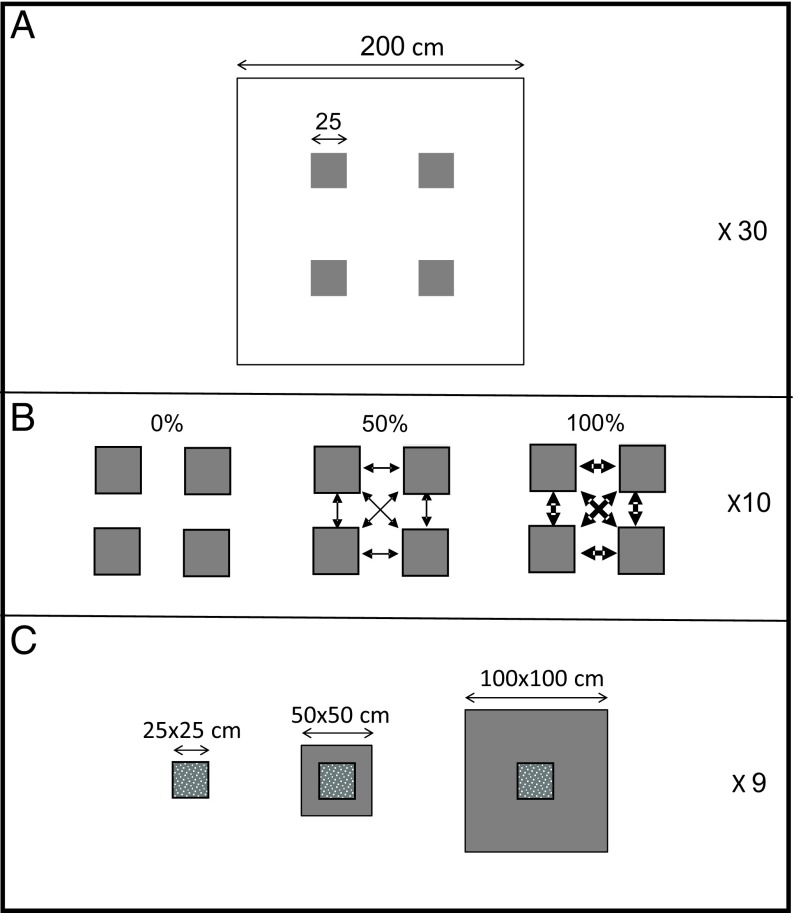
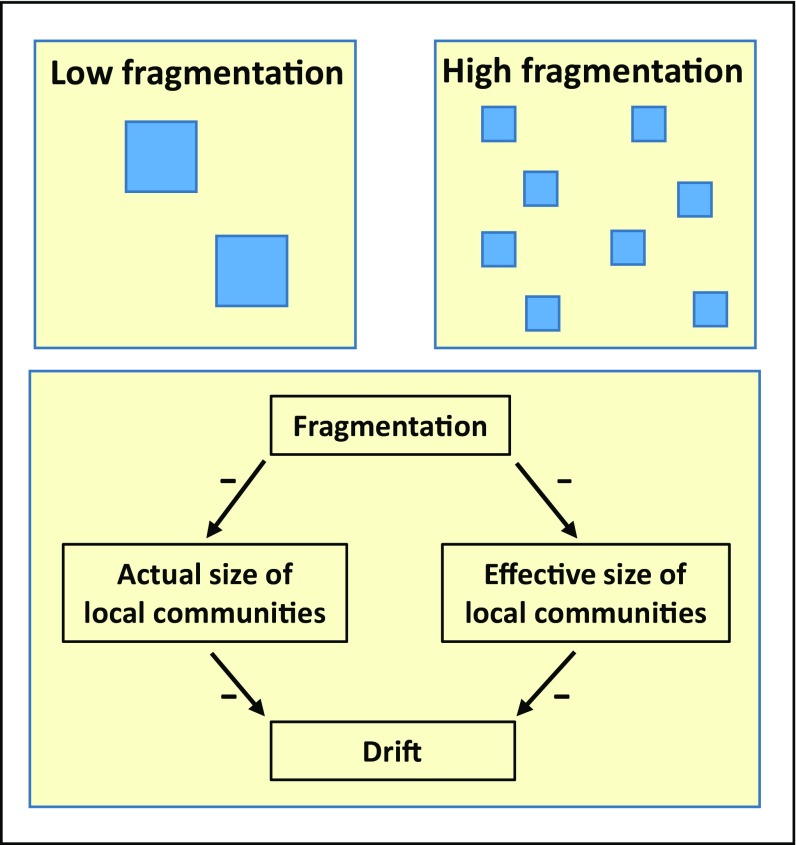
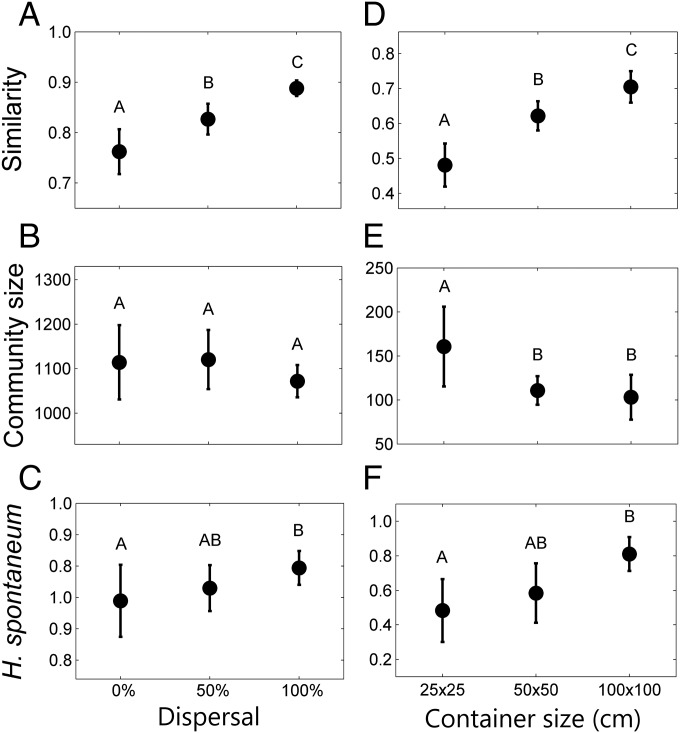
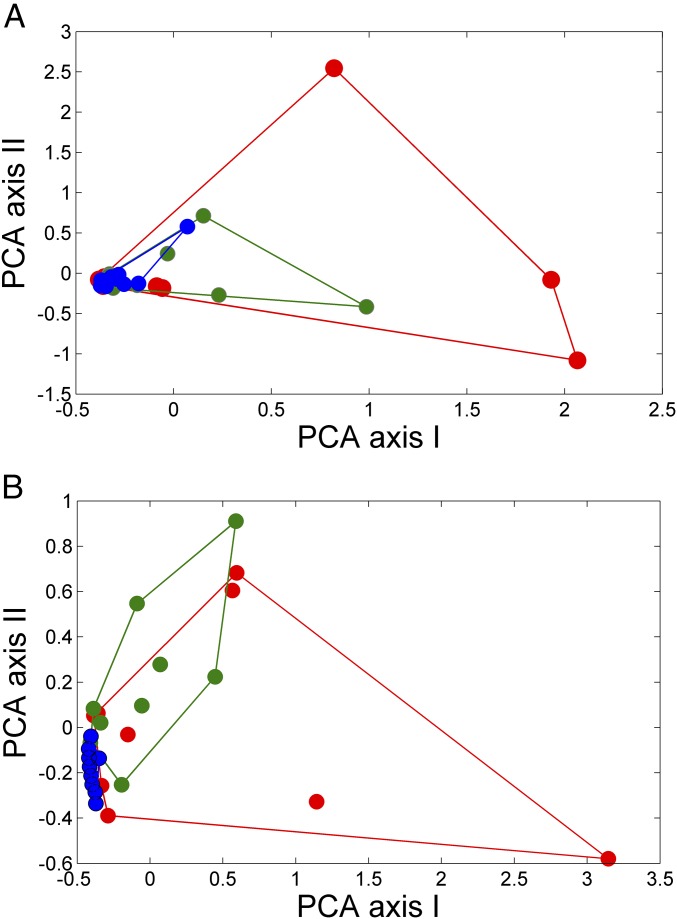
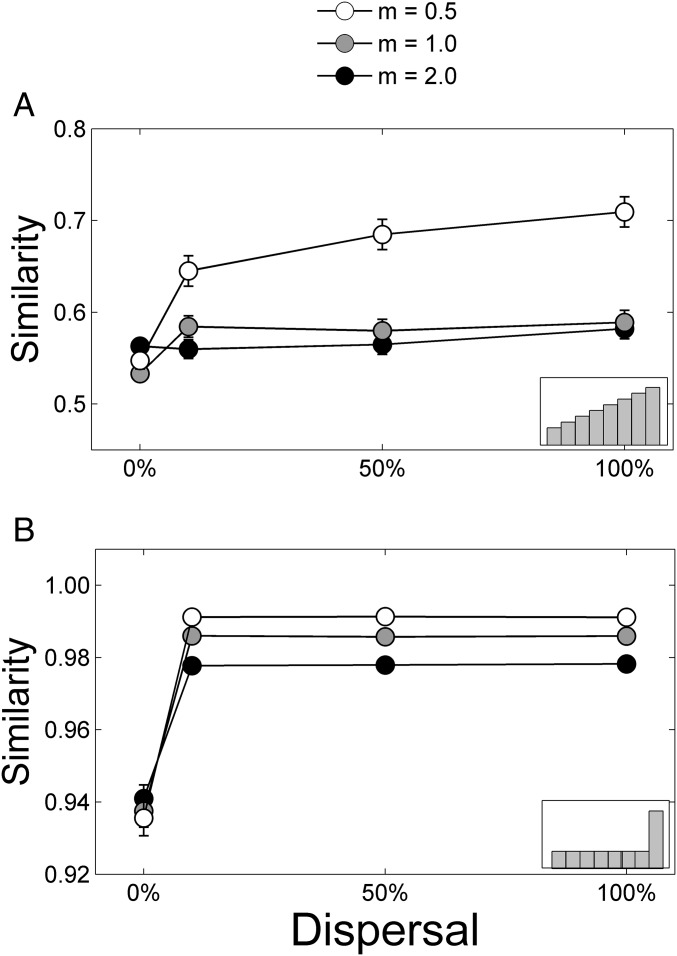
Selection and drift are universally accepted as the cornerstones of evolutionary changes. Recent theories extend this view to ecological changes, arguing that any change in species composition is driven by deterministic fitness differences among species (enhancing selection) and/or stochasticity in birth and death rates of individuals within species (enhancing drift). These forces have contrasting effects on the predictability of ecological dynamics, and thus understanding the factors affecting their relative importance is crucial for understanding ecological dynamics. Here we test the hypothesis that dispersal increases the relative importance of ecological selection by increasing the effective size of the community (i.e., the size relevant for competitive interactions and drift). According to our hypothesis, dispersal increases the effective size of the community by mixing individuals from different localities. This effect diminishes the relative importance of demographic stochasticity, thereby reducing drift and increasing the relative importance of selective forces as drivers of species composition. We tested our hypothesis, which we term the "effective community size" hypothesis, using two independent experiments focusing on annual plants: a field experiment in which we manipulated the magnitude of dispersal and a mesocosm experiment in which we directly manipulated the effective size of the communities. Both experiments, as well as related model simulations, were consistent with the hypothesis that increasing dispersal increases the role of selective forces as drivers of species composition. This finding has important implications for our understanding of the fundamental forces affecting community dynamics, as well as the management of species diversity, particularly in patchy and fragmented environments.
选择和漂变被普遍认为是进化变化的基石。最近的理论将这一观点扩展到生态变化,认为物种组成的任何变化都是由物种间确定性的适合度差异(增强选择)和/或物种内个体出生率和死亡率的随机性(增强漂变)驱动的。这些力量对生态动力学的可预测性有相反的影响,因此了解影响它们相对重要性的因素对于理解生态动力学至关重要。在这里,我们通过增加群落的有效大小(即与竞争相互作用和漂变相关的大小)来检验扩散通过增加生态选择的相对重要性的假设。根据我们的假设,扩散通过混合来自不同地点的个体来增加群落的有效大小。这种效应降低了人口随机性的相对重要性,从而减少了漂变并增加了选择力量作为物种组成驱动因素的相对重要性。我们使用两个独立的实验来检验我们的假设,这些实验都集中在一年生植物上:一个是我们操纵扩散幅度的野外实验,另一个是我们直接操纵群落有效大小的中观实验。这两个实验以及相关的模型模拟都与增加扩散增加选择力量作为物种组成驱动因素的作用的假设一致。这一发现对我们理解影响群落动态的基本力量以及物种多样性的管理具有重要意义,特别是在斑块状和碎片化的环境中。