Molecular Mechanisms of Membrane Transport Laboratory, Institut Pasteur, Paris, France.
UMR 3528, CNRS, Institut Pasteur, Paris, France.
Elife. 2018 Oct 18;7:e40110. doi: 10.7554/eLife.40110.
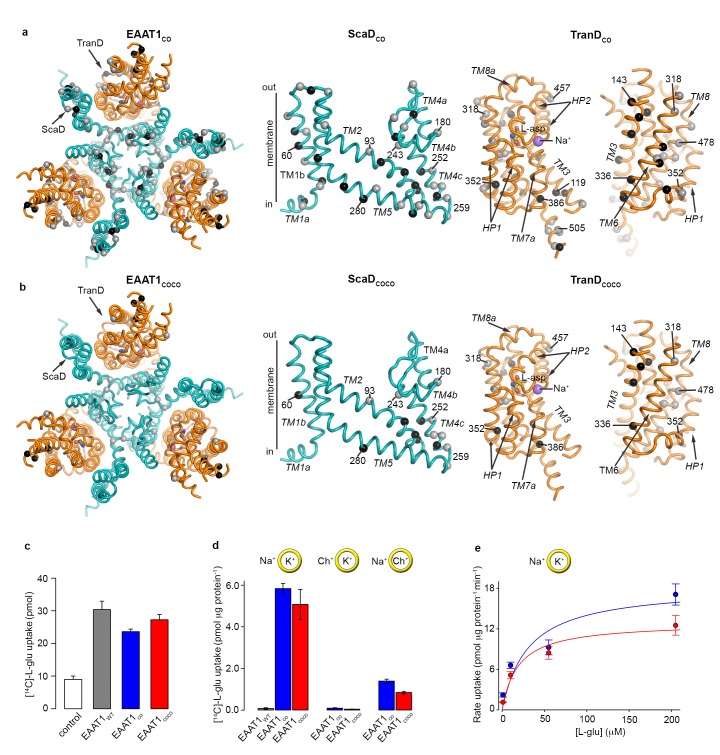
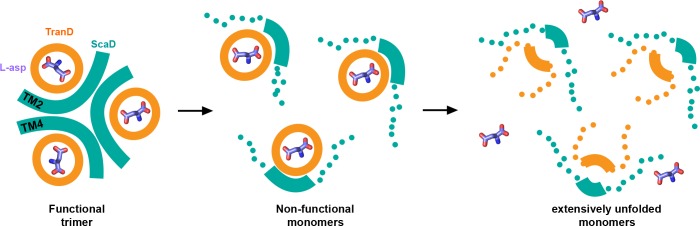
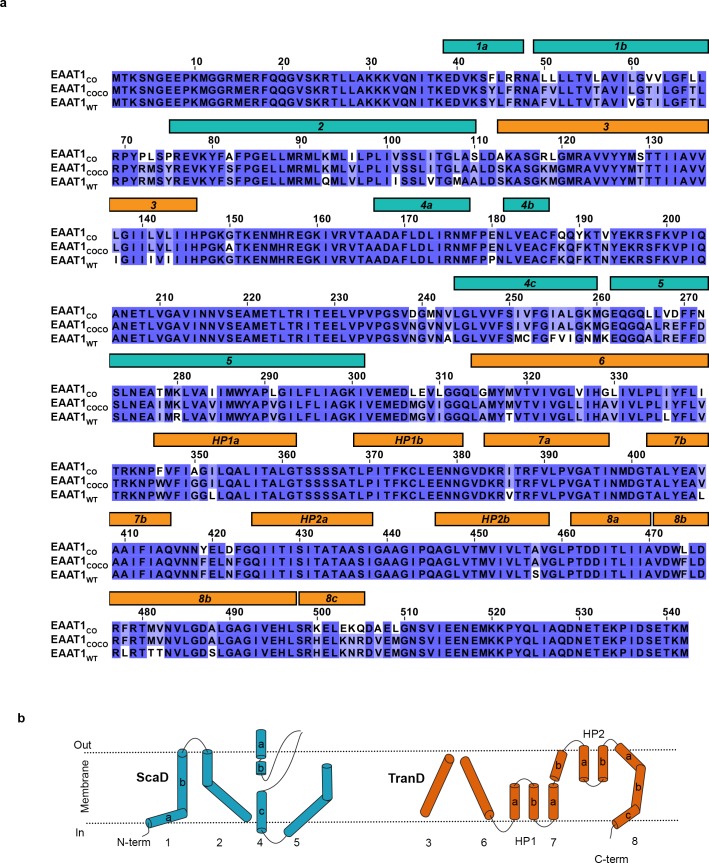
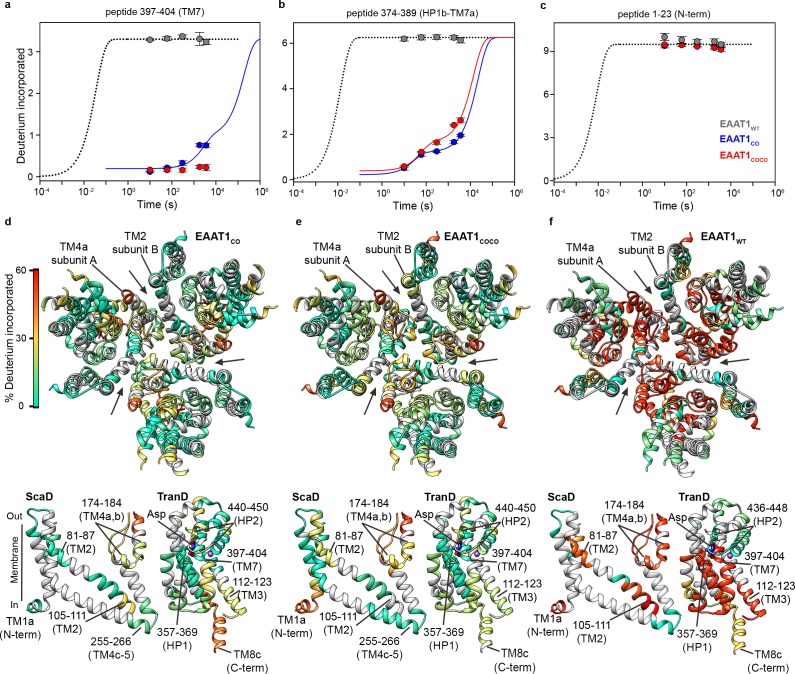
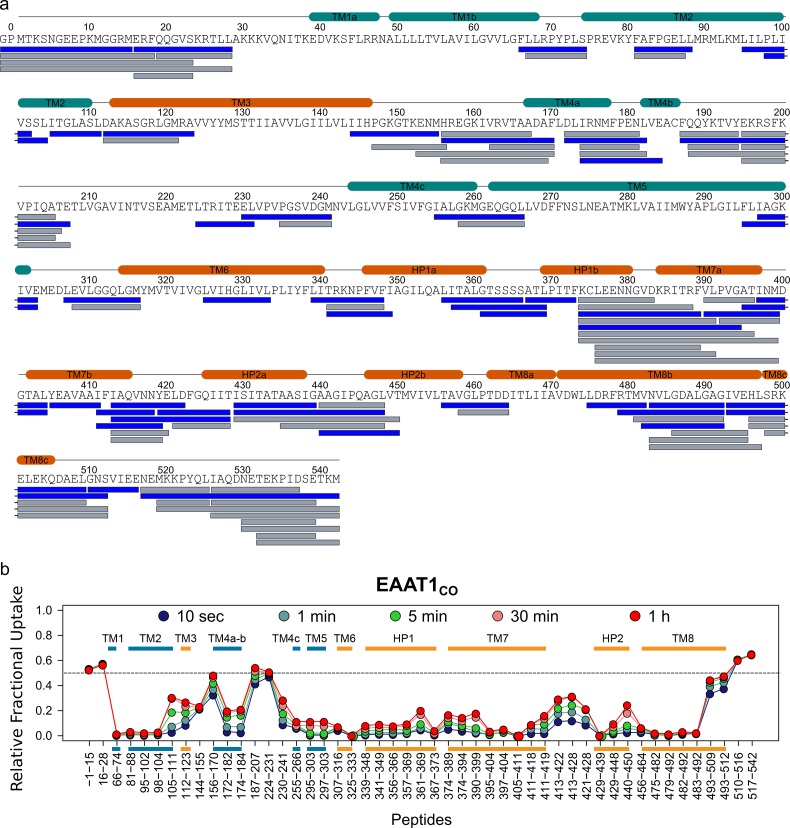
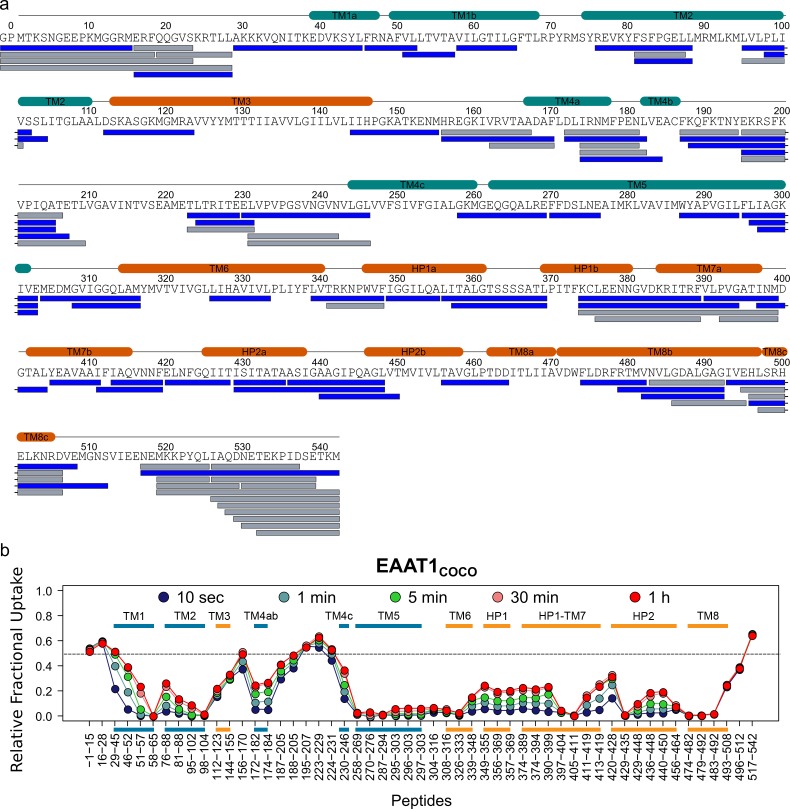
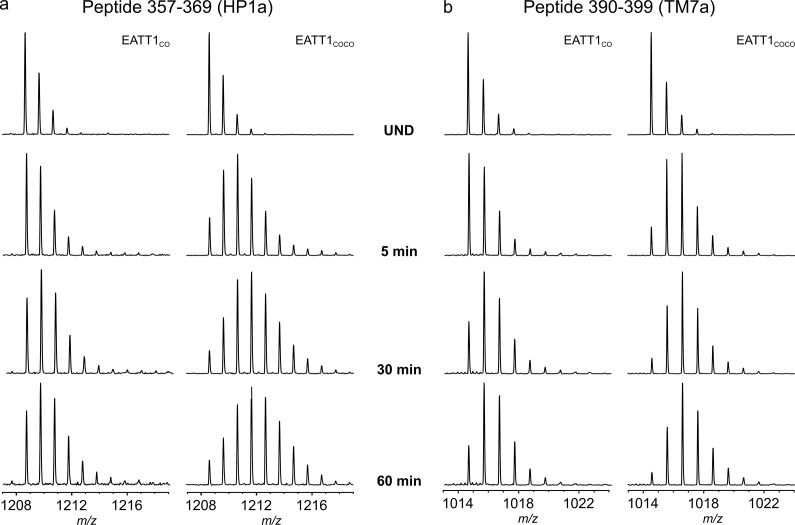
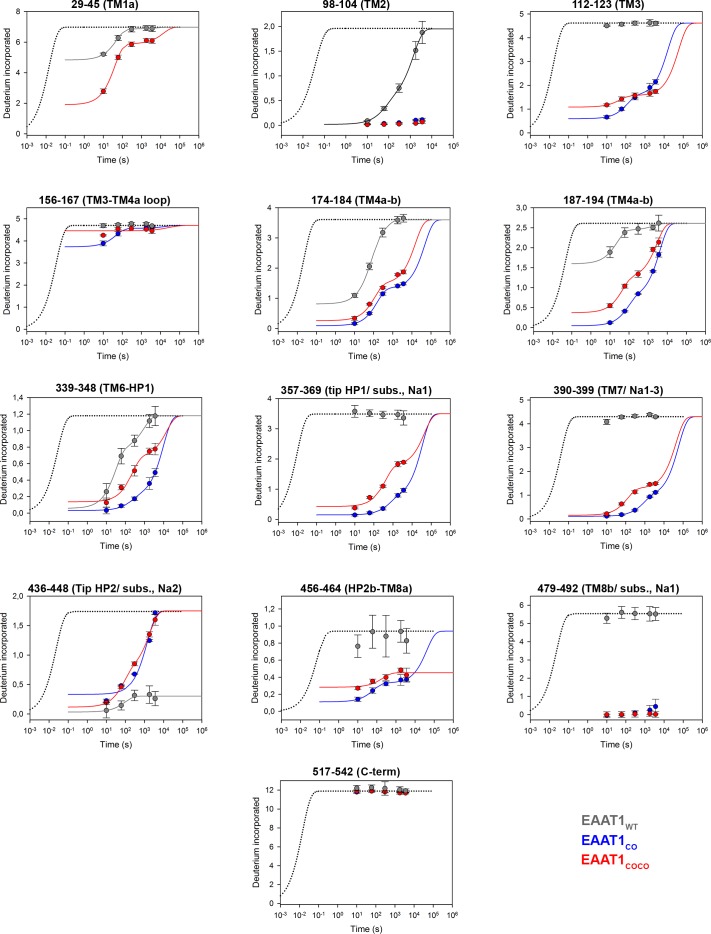
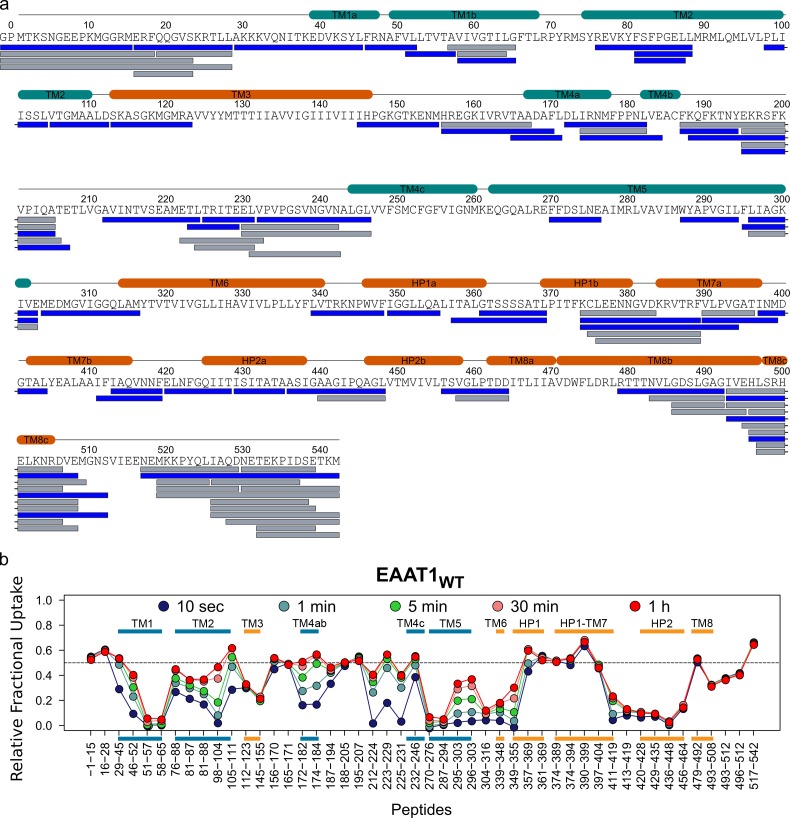
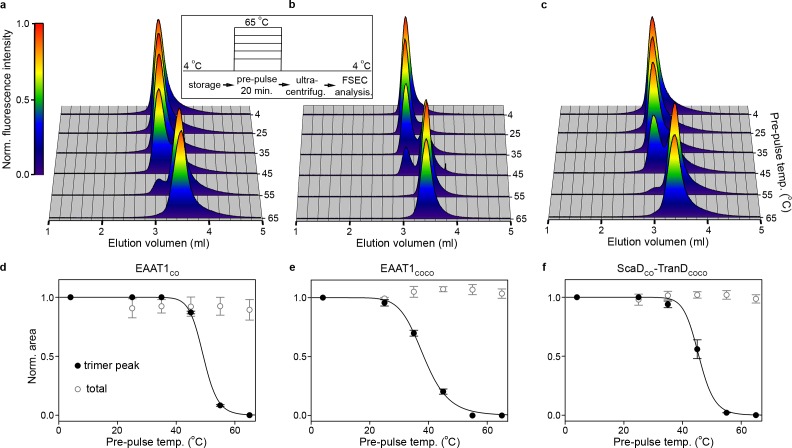
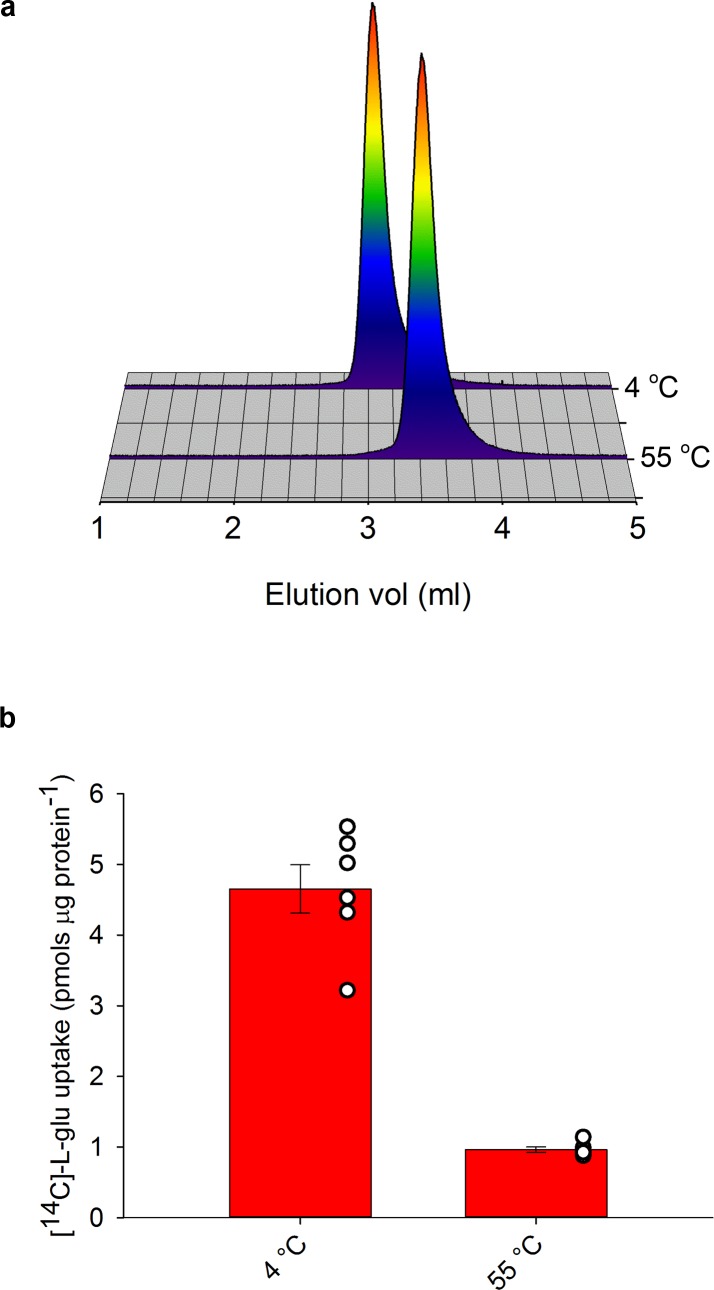
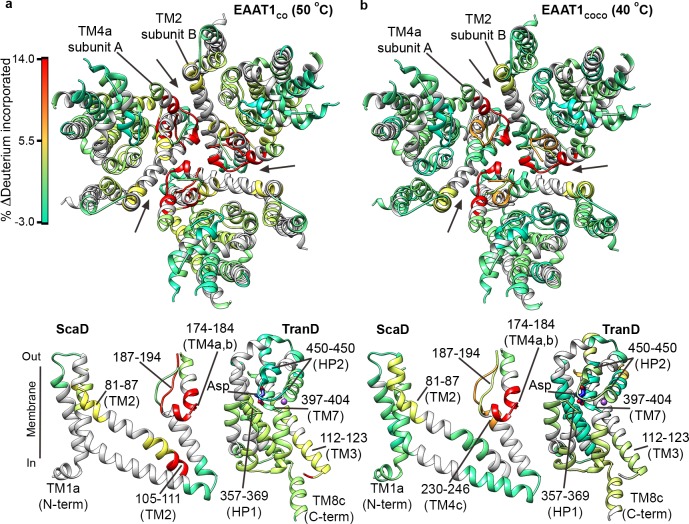
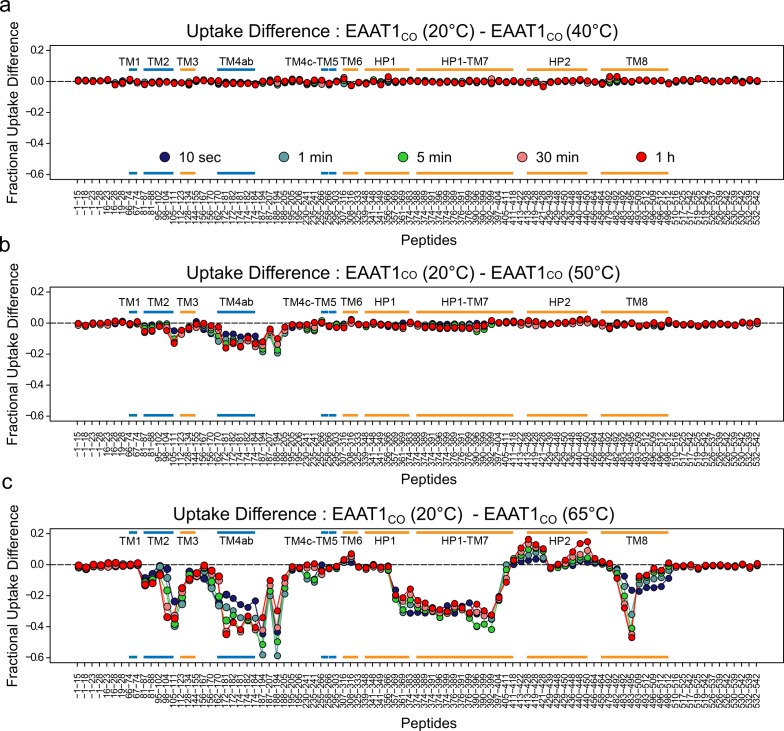
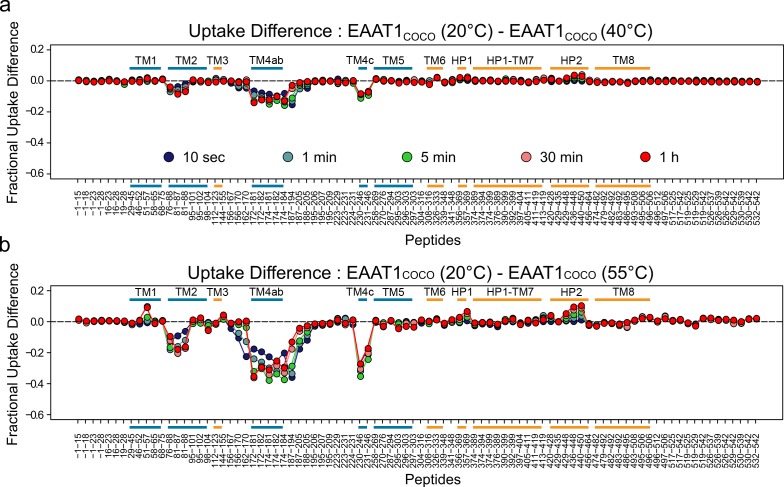
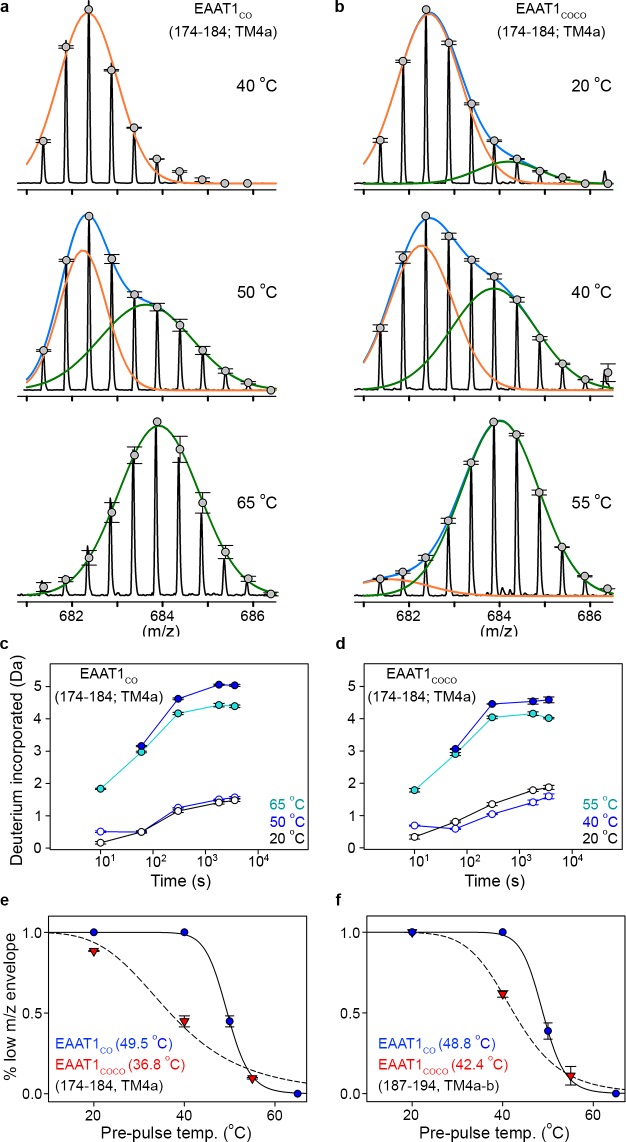
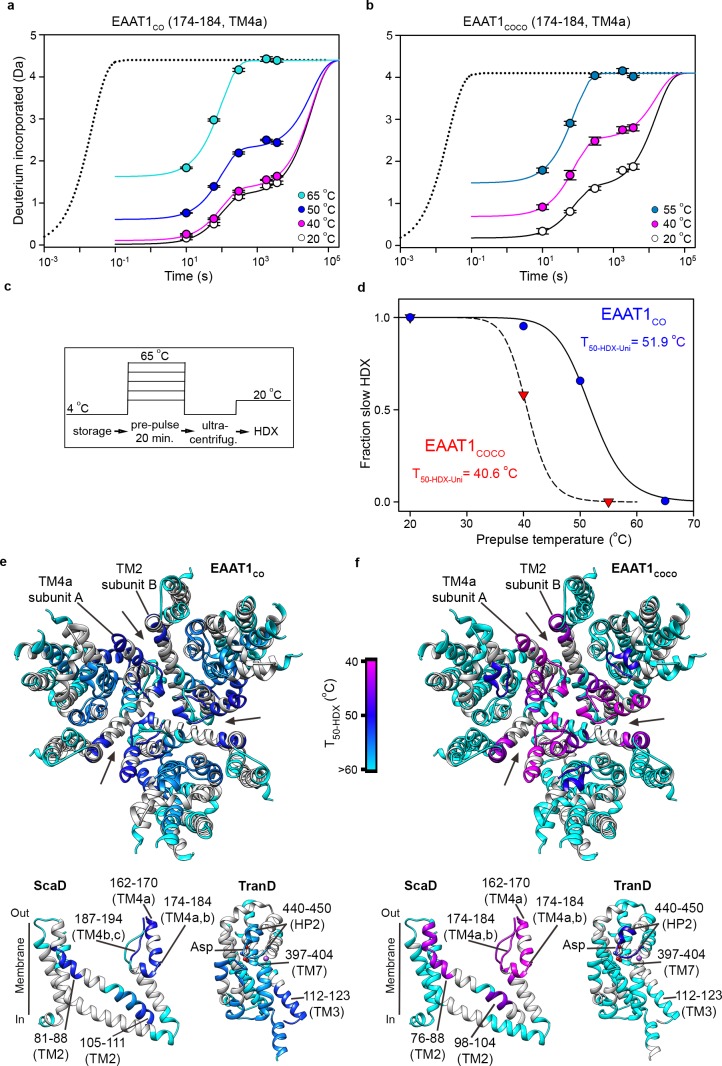
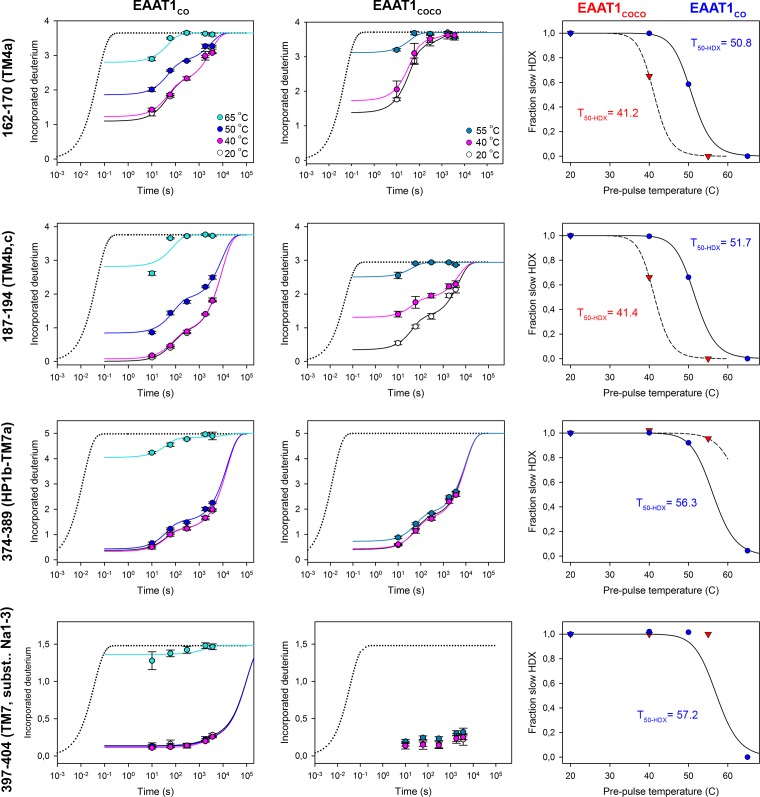
Human excitatory amino acid transporters (EAATs) take up the neurotransmitter glutamate in the brain and are essential to maintain excitatory neurotransmission. Our understanding of the EAATs' molecular mechanisms has been hampered by the lack of stability of purified protein samples for biophysical analyses. Here, we present approaches based on consensus mutagenesis to obtain thermostable EAAT1 variants that share up to ~95% amino acid identity with the wild type transporters, and remain natively folded and functional. Structural analyses of EAAT1 and the consensus designs using hydrogen-deuterium exchange linked to mass spectrometry show that small and highly cooperative unfolding events at the inter-subunit interface rate-limit their thermal denaturation, while the transport domain unfolds at a later stage in the unfolding pathway. Our findings provide structural insights into the kinetic stability of human glutamate transporters, and introduce general approaches to extend the lifetime of human membrane proteins for biophysical analyses.
人源兴奋性氨基酸转运体(EAATs)在大脑中摄取神经递质谷氨酸,对于维持兴奋性神经传递至关重要。由于缺乏用于生物物理分析的纯化蛋白样品的稳定性,我们对 EAATs 分子机制的理解一直受到阻碍。在这里,我们提出了基于共识突变的方法,获得了热稳定的 EAAT1 变体,这些变体与野生型转运体的氨基酸同一性高达约 95%,并且保持天然折叠和功能。使用氢氘交换与质谱联用的结构分析表明,亚基间界面的小而高度协同的展开事件限制了它们的热变性,而转运结构域在展开途径的后期展开。我们的发现为人类谷氨酸转运体的动力学稳定性提供了结构见解,并引入了一般方法来延长人类膜蛋白的寿命,以进行生物物理分析。