Leyronas Christel, Morris Cindy E, Choufany Maria, Soubeyrand Samuel
Pathologie Végétale, INRA, Montfavet, France.
BioSP, INRA, Avignon, France.
Front Microbiol. 2018 Sep 25;9:2257. doi: 10.3389/fmicb.2018.02257. eCollection 2018.
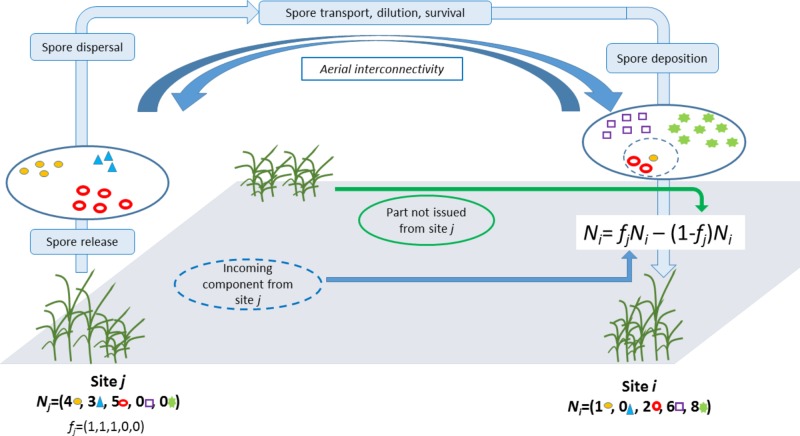
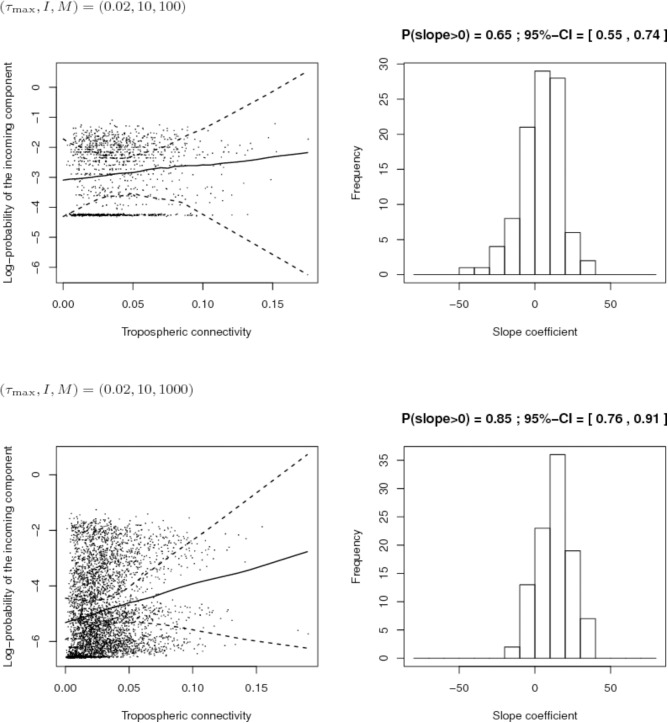
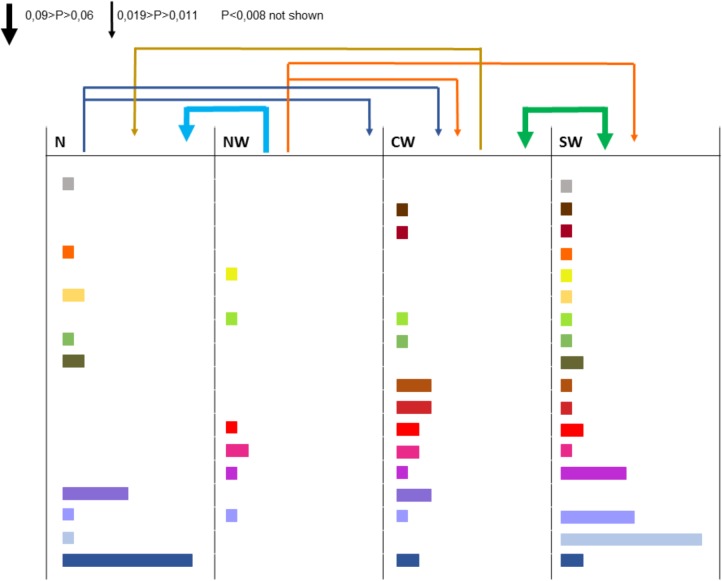
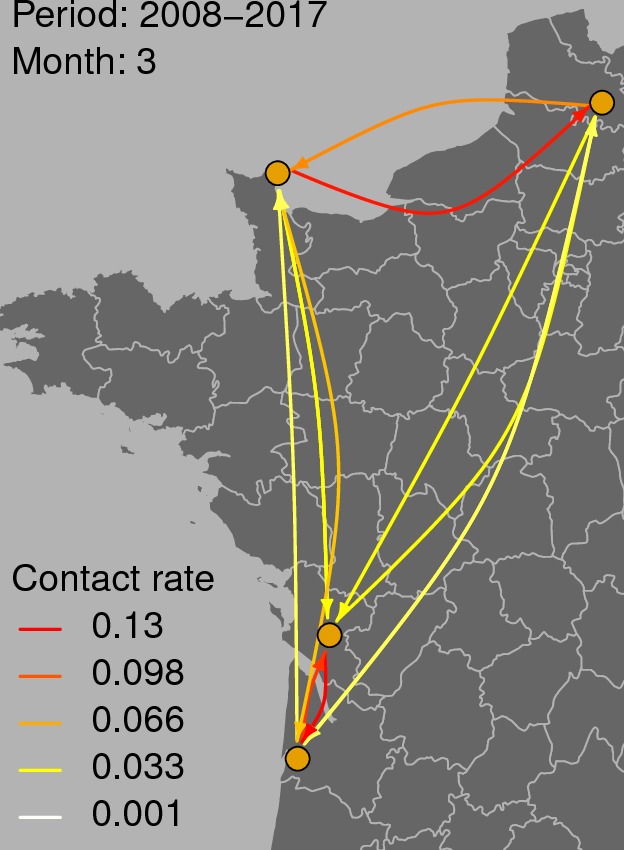
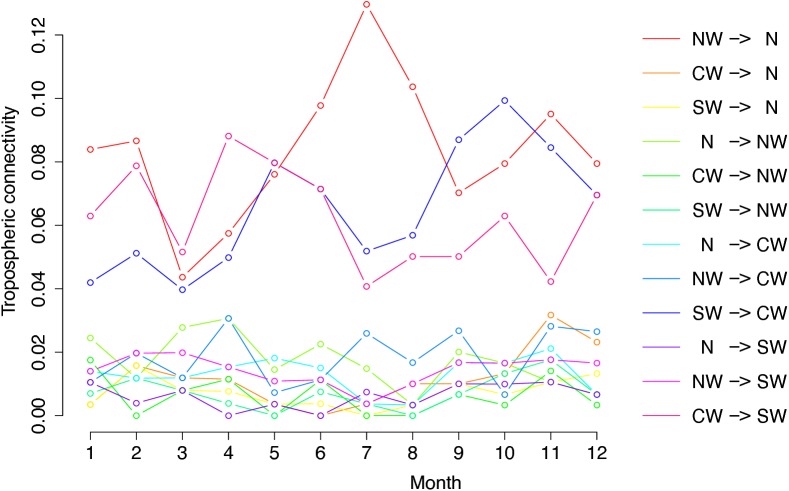
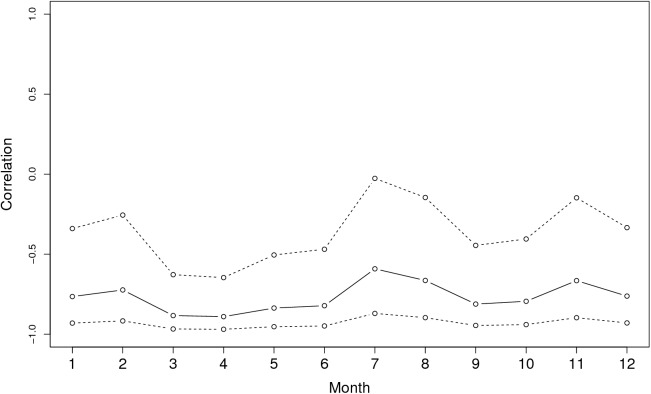
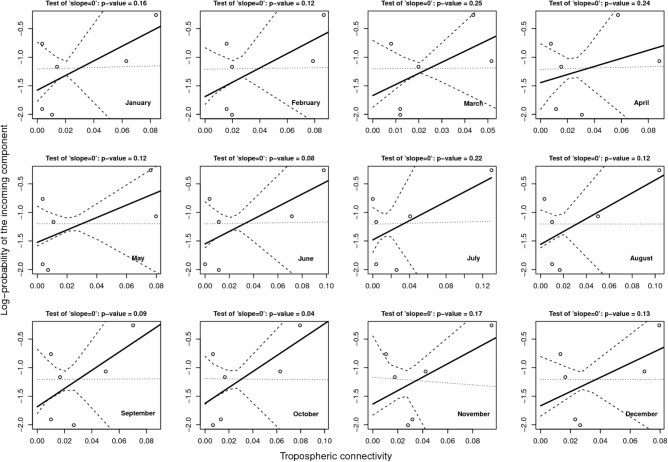
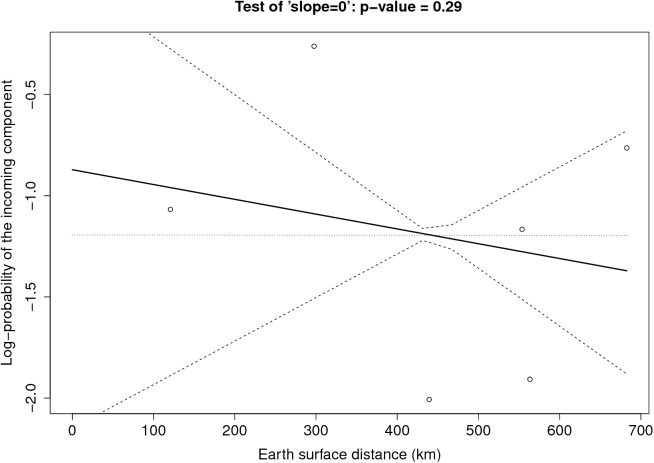
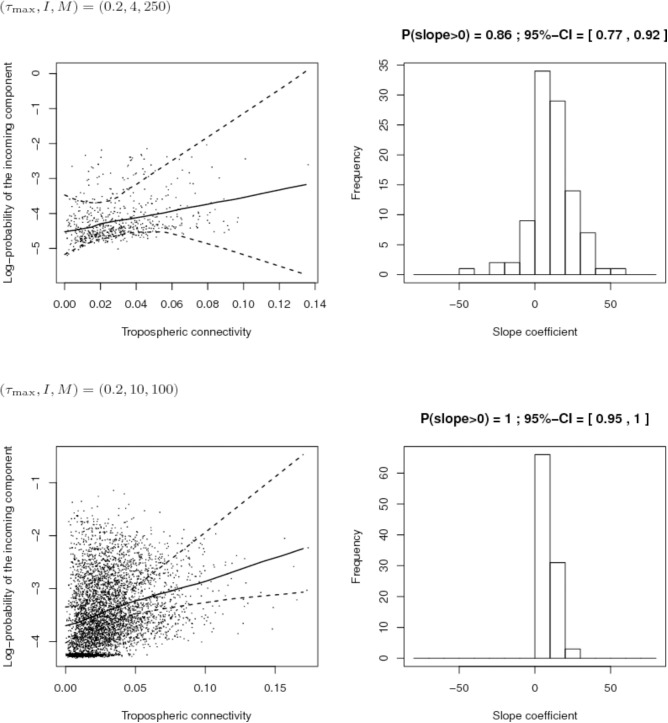
Many phytopathogenic fungi are disseminated as spores via the atmosphere from short to long distances. The distance of dissemination determines the extent to which plant diseases can spread and novel genotypes of pathogens can invade new territories. Predictive tools including models that forecast the arrival of spores in areas where susceptible crops are grown can help to more efficiently manage crop health. However, such models are difficult to establish for fungi with broad host ranges because sources of inoculum cannot be readily identified. , the pandemic agent of white mold disease, can attack >400 plant species including economically important crops. Monitoring airborne inoculum of in several French cropping areas has shown that viable ascospores are present in the air almost all the time, even when no susceptible crops are nearby. This raises the hypothesis of a distant origin of airborne inoculum. The objective of the present study was to determine the interconnectivity of reservoirs of from distant regions based on networks of air mass movement. Viable airborne inoculum of was collected in four distinct regions of France and 498 strains were genotyped with 16 specific microsatellite markers and compared among the regions. Air mass movements were inferred using the HYSPLIT model and archived meteorological data from the global data assimilation system (GDAS). The results show that up to 700 km could separate collection sites that shared the same haplotypes. There was low or no genetic differentiation between strains collected from the four sites. The rate of aerial connectivity between two sites varied according to the direction considered. The results also show that the aerial connectivity between sites is a better indicator of the probability of the incoming component (PIC) of inoculum at a given site from another one than is geographic distance. We identified the links between specific sites in the trajectories of air masses and we quantified the frequencies at which the directional links occurred as a proof-of-concept for an operational method to assess the arrival of airborne inoculum in a given area from distant origins.
许多植物病原真菌以孢子的形式通过大气进行短距离或长距离传播。传播距离决定了植物病害的传播范围以及病原体新基因型能够侵入新区域的程度。包括预测孢子在种植易感作物地区到达情况的模型在内的预测工具,有助于更有效地管理作物健康。然而,对于寄主范围广泛的真菌来说,很难建立这样的模型,因为接种源不易确定。核盘菌是菌核病的病原体,可侵染400多种植物,包括具有重要经济价值的作物。在法国的几个种植区对核盘菌的气传接种体进行监测发现,即使附近没有易感作物,空气中几乎一直都存在有活力的子囊孢子。这就提出了气传接种体来源遥远的假设。本研究的目的是基于气团运动网络确定来自遥远地区的核盘菌菌源库之间的相互联系。在法国四个不同地区收集了有活力的核盘菌气传接种体,并用16个特定的微卫星标记对498个菌株进行基因分型,并在各地区之间进行比较。利用HYSPLIT模型和气团运动网络确定来自遥远地区的核盘菌菌源库之间的相互联系。在法国四个不同地区收集了有活力的核盘菌气传接种体,并用16个特定的微卫星标记对498个菌株进行基因分型,并在各地区之间进行比较。利用HYSPLIT模型和来自全球数据同化系统(GDAS)的存档气象数据推断气团运动。结果表明,共享相同单倍型的采集地点之间的距离可达700公里。从四个地点采集的菌株之间的遗传分化很低或没有。两个地点之间的空中连通率因所考虑的方向而异。结果还表明,与地理距离相比,地点之间的空中连通性是一个更好的指标,可用于指示给定地点来自另一个地点的接种体传入成分(PIC)的概率。我们确定了气团轨迹中特定地点之间存在联系,并量化了定向联系出现的频率,以此作为评估来自遥远源头的气传接种体到达给定区域情况的一种操作方法的概念验证。