Baral Bikash, Akhgari Amir, Metsä-Ketelä Mikko
Department of Biochemistry, University of Turku, FIN-20014, Turku, Finland.
Synth Syst Biotechnol. 2018 Sep 12;3(3):163-178. doi: 10.1016/j.synbio.2018.09.001. eCollection 2018 Sep.
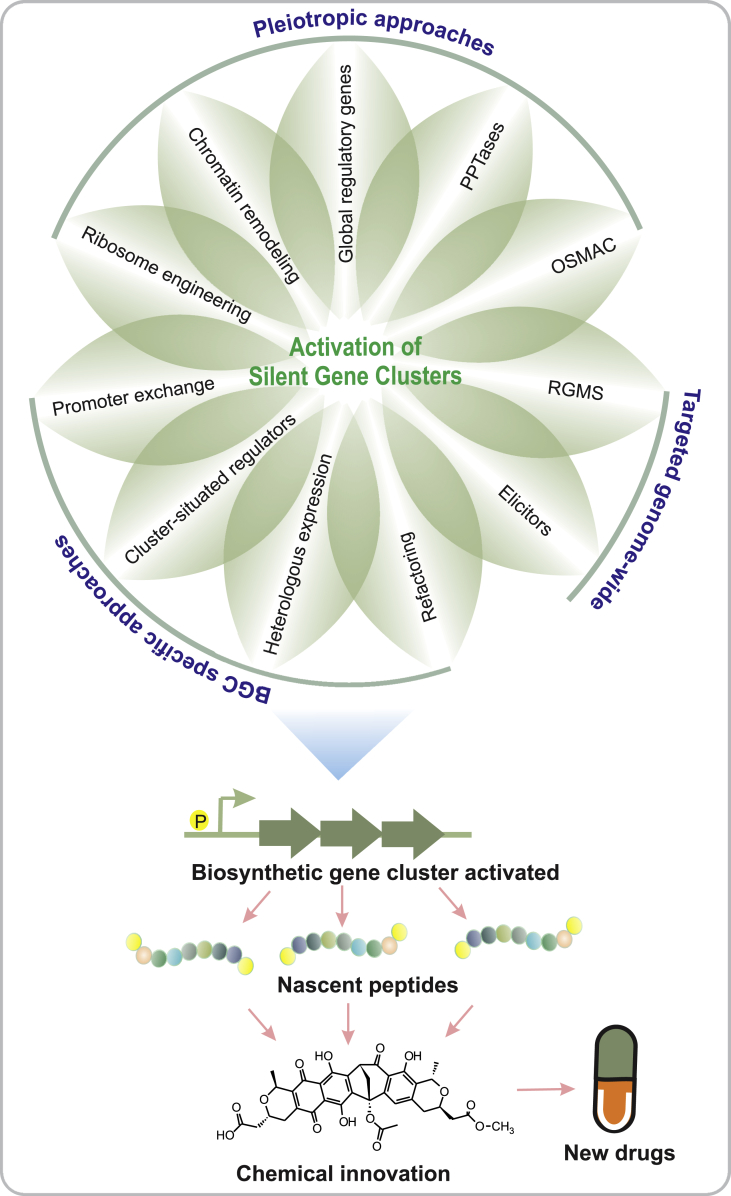
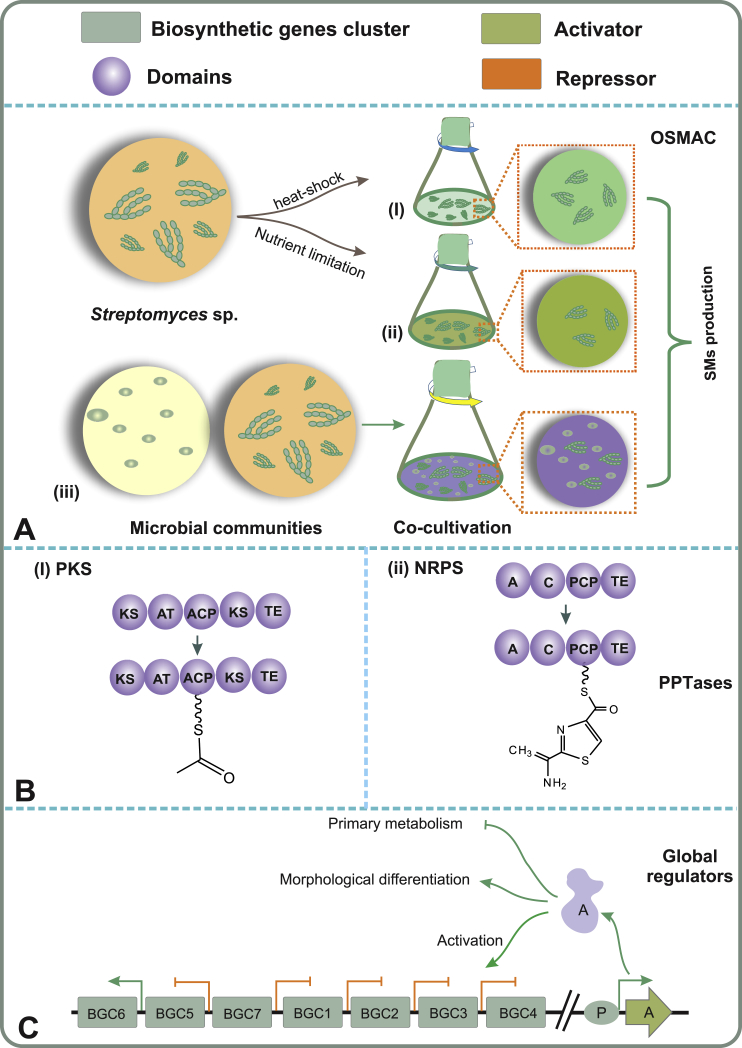
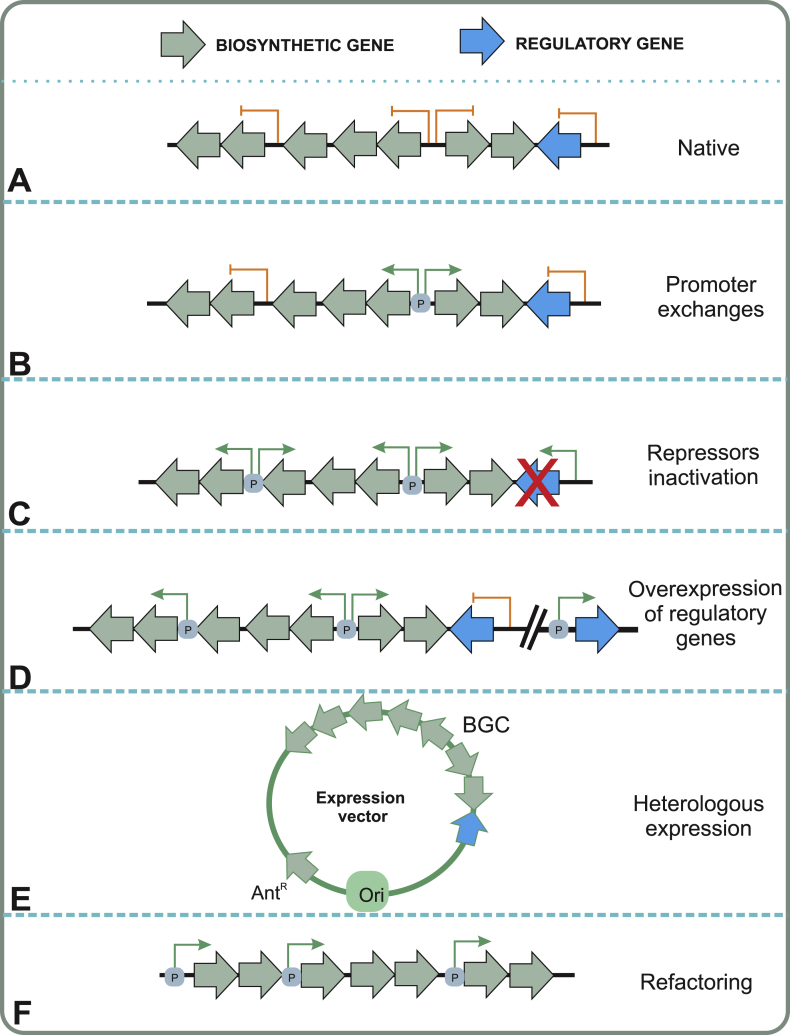
Microbial natural products are a tremendous source of new bioactive chemical entities for drug discovery. Next generation sequencing has revealed an unprecedented genomic potential for production of secondary metabolites by diverse micro-organisms found in the environment and in the microbiota. Genome mining has further led to the discovery of numerous uncharacterized 'cryptic' metabolic pathways in the classical producers of natural products such as Actinobacteria and fungi. These biosynthetic gene clusters may code for improved biologically active metabolites, but harnessing the full genetic potential has been hindered by the observation that many of the pathways are 'silent' under laboratory conditions. Here we provide an overview of the various biotechnological methodologies, which can be divided to pleiotropic, biosynthetic gene cluster specific, and targeted genome-wide approaches that have been developed for the awakening of microbial secondary metabolic pathways.
微生物天然产物是药物发现中新的生物活性化学实体的巨大来源。新一代测序揭示了环境和微生物群中多种微生物产生次级代谢产物的前所未有的基因组潜力。基因组挖掘进一步导致在天然产物的经典生产者如放线菌和真菌中发现了许多未表征的“隐秘”代谢途径。这些生物合成基因簇可能编码改良的生物活性代谢产物,但由于观察到许多途径在实验室条件下是“沉默”的,充分发挥其遗传潜力受到了阻碍。在这里,我们概述了各种生物技术方法,这些方法可分为多效性、生物合成基因簇特异性和全基因组靶向方法,这些方法已被开发用于唤醒微生物次级代谢途径。