Department of Biotechnology, National Institute of Technology Durgapur, Durgapur, WB, 713 209, India.
Department of Biotechnology, Indian Institute of Technology Kharagpur, Kharagpur, WB, 721 302, India.
BMC Microbiol. 2018 Oct 22;18(1):151. doi: 10.1186/s12866-018-1275-8.
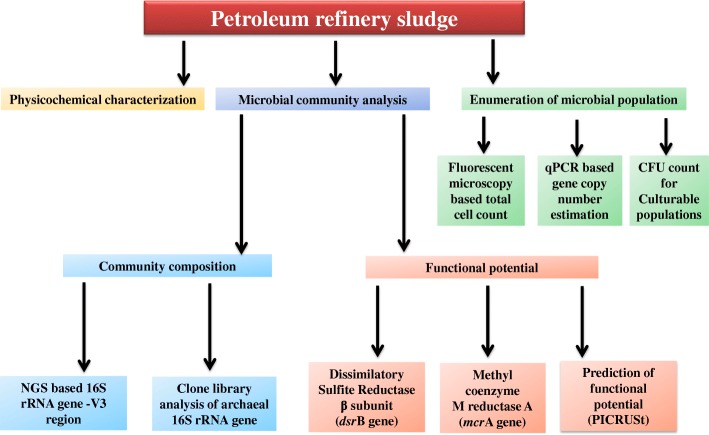
Sustainable management of voluminous and hazardous oily sludge produced by petroleum refineries remains a challenging problem worldwide. Characterization of microbial communities of petroleum contaminated sites has been considered as the essential prerequisite for implementation of suitable bioremediation strategies. Three petroleum refinery sludge samples from North Eastern India were analyzed using next-generation sequencing technology to explore the diversity and functional potential of inhabitant microorganisms and scope for their on-site bioremediation.
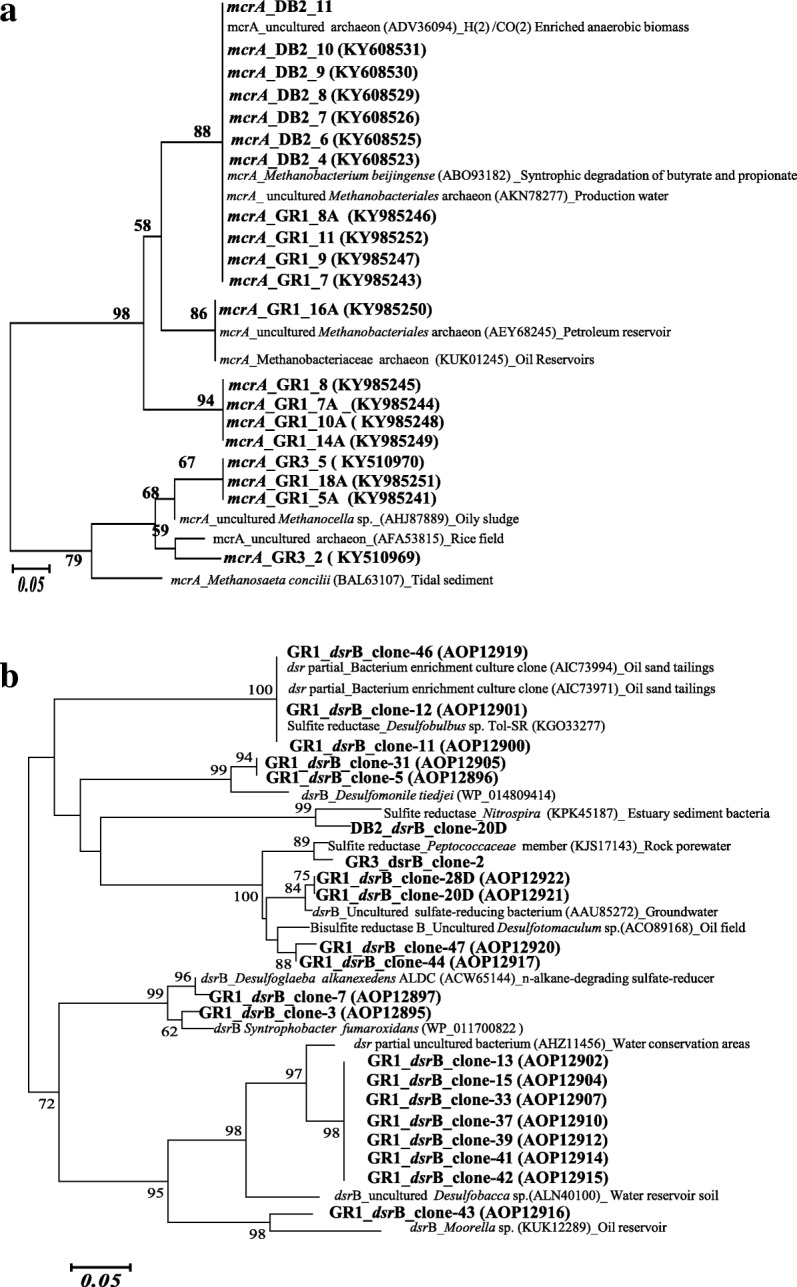
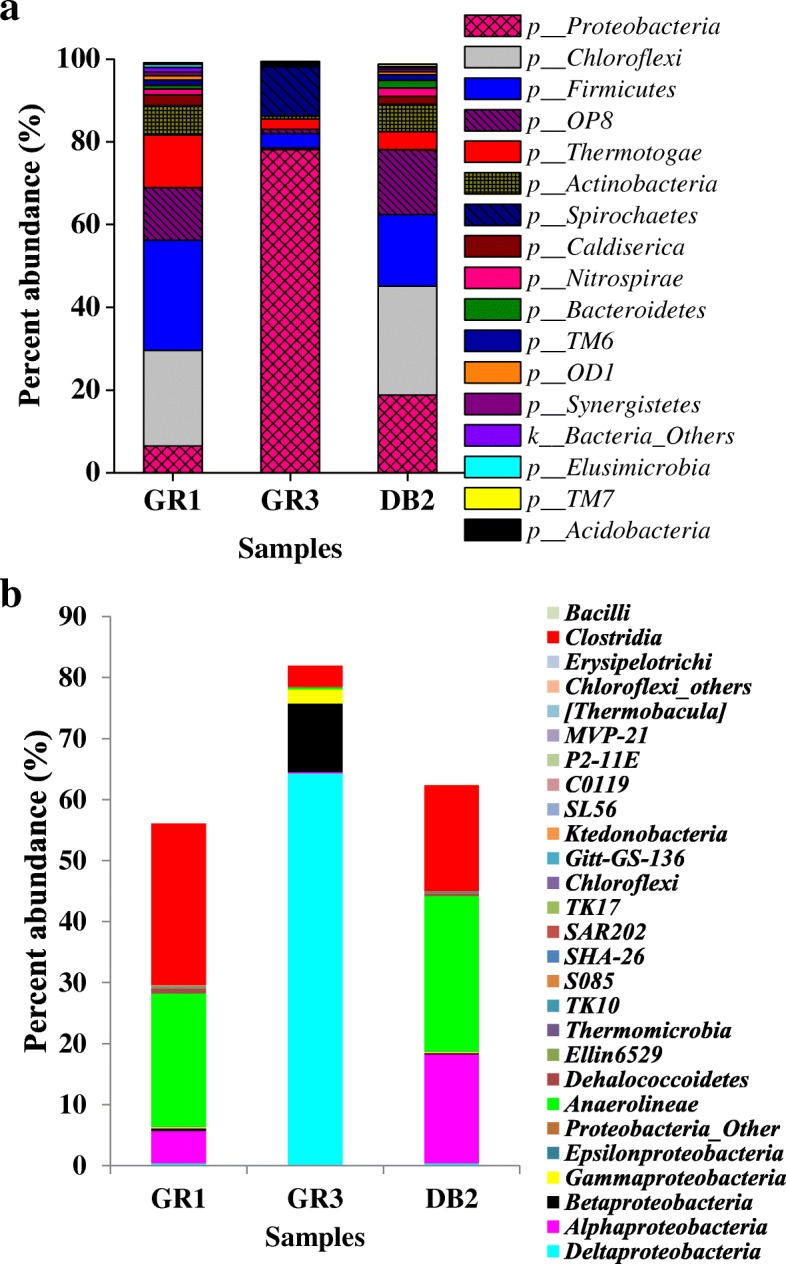
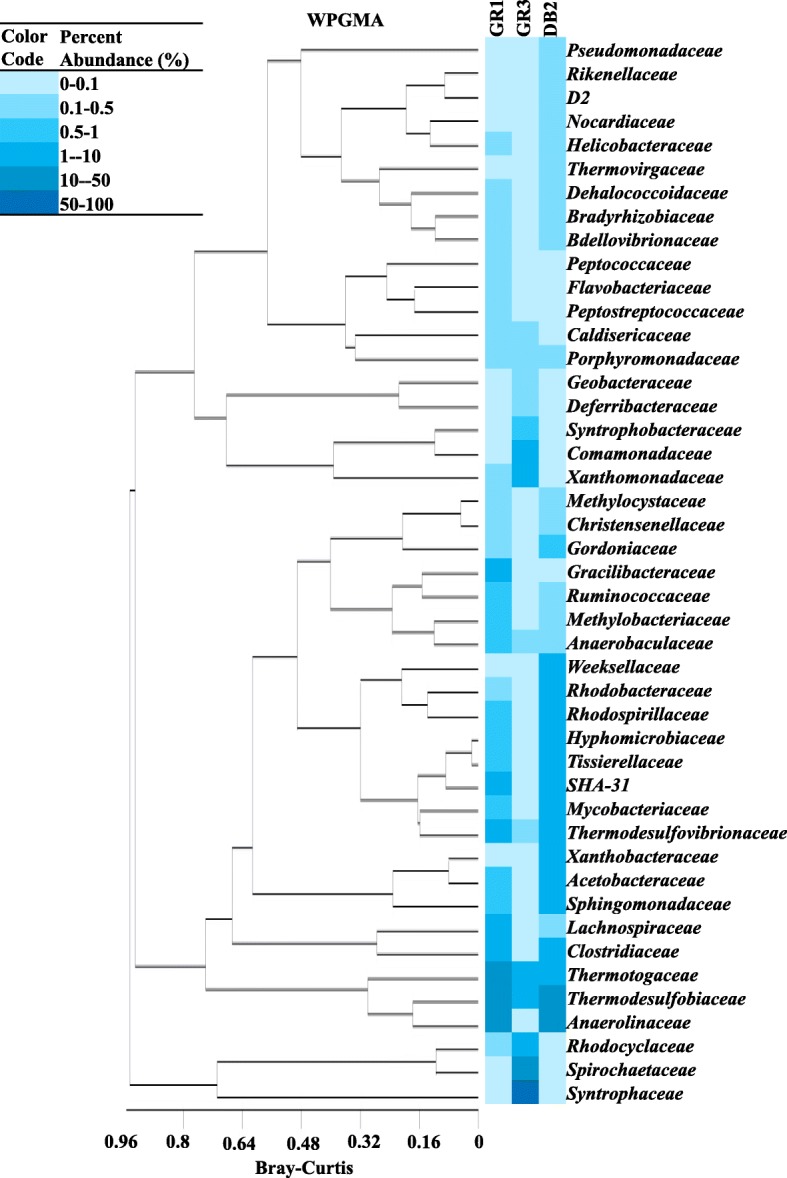
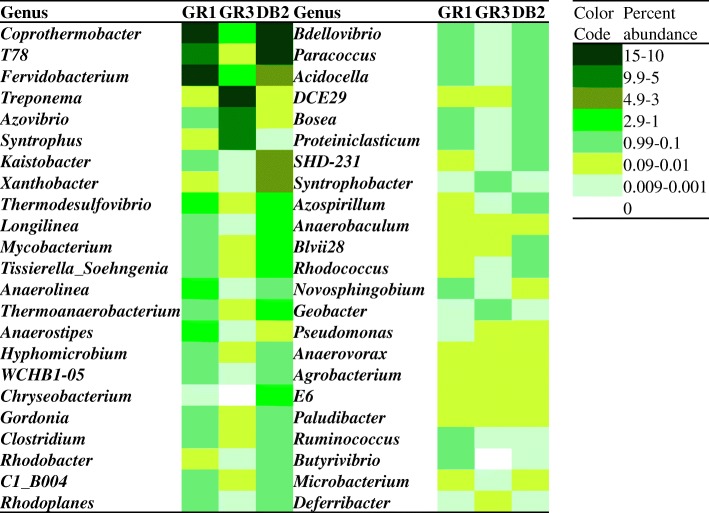
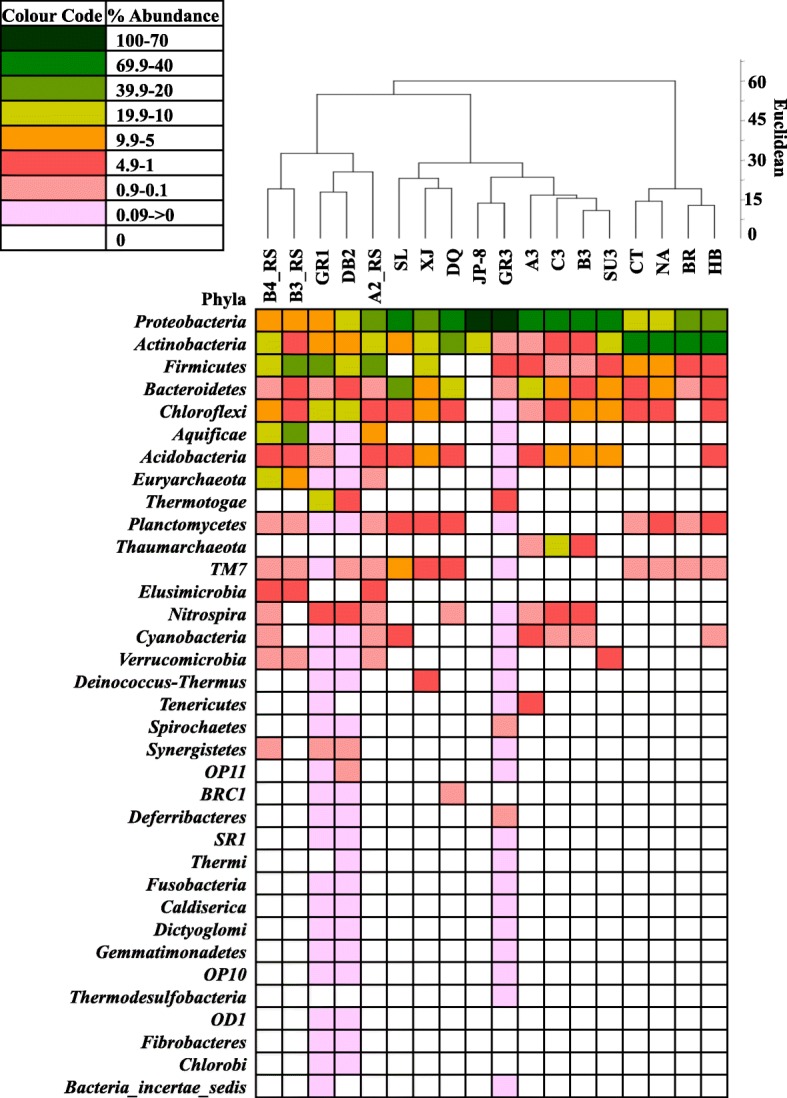
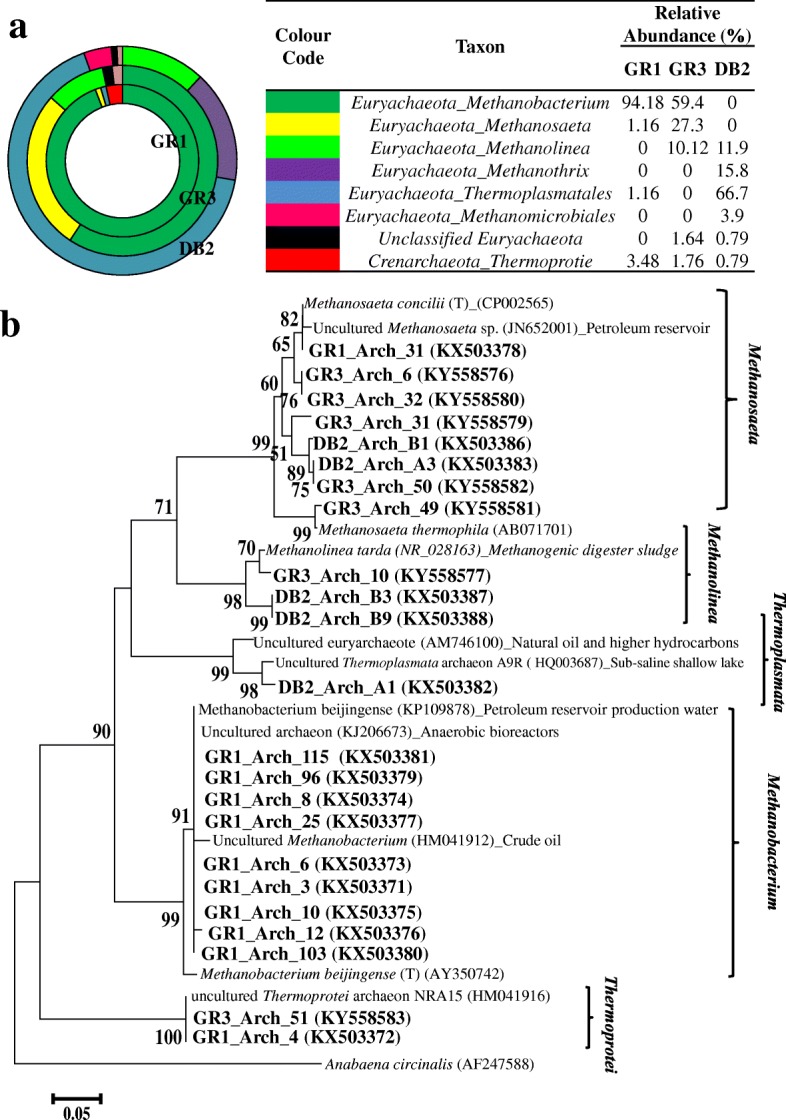
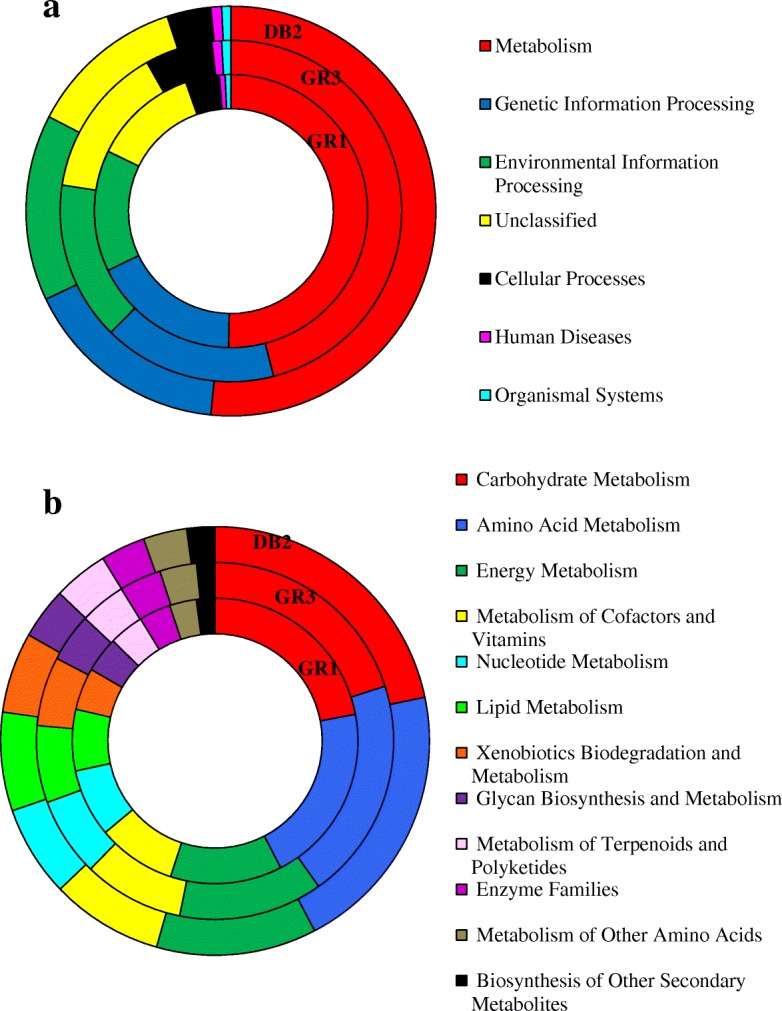
All sludge samples were hydrocarbon rich, anaerobic and reduced with sulfate as major anion and several heavy metals. High throughput sequencing of V3-16S rRNA genes from sludge metagenomes revealed dominance of strictly anaerobic, fermentative, thermophilic, sulfate-reducing bacteria affiliated to Coprothermobacter, Fervidobacterium, Treponema, Syntrophus, Thermodesulfovibrio, Anaerolinea, Syntrophobacter, Anaerostipes, Anaerobaculum, etc., which have been well known for hydrocarbon degradation. Relatively higher proportions of archaea were detected by qPCR. Archaeal 16S rRNA gene sequences showed presence of methanogenic Methanobacterium, Methanosaeta, Thermoplasmatales, etc. Detection of known hydrocarbon utilizing aerobic/facultative anaerobic (Mycobacterium, Pseudomonas, Longilinea, Geobacter, etc.), nitrate reducing (Gordonia, Novosphigobium, etc.) and nitrogen fixing (Azovibrio, Rhodobacter, etc.) bacteria suggested niche specific guilds with aerobic, facultative anaerobic and strict anaerobic populations. Phylogenetic Investigation of Communities by Reconstruction of Unobserved States (PICRUSt) predicted putative genetic repertoire of sludge microbiomes and their potential for hydrocarbon degradation; lipid-, nitrogen-, sulfur- and methane- metabolism. Methyl coenzyme M reductase A (mcrA) and dissimilatory sulfite reductase beta-subunit (dsrB) genes phylogeny confirmed methanogenic and sulfate-reducing activities within sludge environment endowed by hydrogenotrophic methanogens and sulfate-reducing Deltaproteobacteria and Firmicutes members.
Refinery sludge microbiomes were comprised of hydrocarbon degrading, fermentative, sulfate-reducing, syntrophic, nitrogen fixing and methanogenic microorganisms, which were in accordance with the prevailing physicochemical nature of the samples. Analysis of functional biomarker genes ascertained the activities of methanogenic and sulfate-reducing organisms within sludge environment. Overall data provided better insights on microbial diversity and activity in oil contaminated environment, which could be exploited suitably for in situ bioremediation of refinery sludge.
可持续管理石油精炼厂产生的大量危险油泥仍然是全世界面临的一个挑战。对石油污染场地微生物群落的特征进行描述已被认为是实施合适的生物修复策略的必要前提。本研究采用下一代测序技术对来自印度东北部的三个石油精炼厂污泥样本进行了分析,以探索栖息微生物的多样性和功能潜力及其现场生物修复的范围。
所有污泥样本均富含碳氢化合物,为厌氧且还原状态,主要阴离子为硫酸盐,同时还含有多种重金属。对污泥宏基因组的 V3-16S rRNA 基因进行高通量测序显示,严格厌氧、发酵、嗜热、硫酸盐还原细菌占主导地位,它们与 Coprothermobacter、Fervidobacterium、Treponema、Syntrophus、Thermodesulfovibrio、Anaerolinea、Syntrophobacter、Anaerostipes、Anaerobaculum 等属有关,这些细菌已知可用于烃类降解。qPCR 检测到相对较高比例的古菌。古菌 16S rRNA 基因序列显示存在产甲烷菌 Methanobacterium、Methanosaeta、Thermoplasmatales 等。已知利用烃类的好氧/兼性厌氧(Mycobacterium、Pseudomonas、Longilinea、Geobacter 等)、硝酸盐还原(Gordonia、Novosphigobium 等)和固氮(Azovibrio、Rhodobacter 等)细菌的检测表明,具有特定生境的菌群具有好氧、兼性厌氧和严格厌氧种群。群落重建未观测状态的系统发育分析(PICRUSt)预测了污泥微生物组的潜在遗传组成及其在烃类降解中的作用;脂质、氮、硫和甲烷代谢。甲基辅酶 M 还原酶 A(mcrA)和异化亚硫酸盐还原酶β亚基(dsrB)基因系统发育证实了氢营养型产甲烷菌和硫酸盐还原 Deltaproteobacteria 和 Firmicutes 成员在污泥环境中存在产甲烷和硫酸盐还原活性。
精炼厂污泥微生物组由烃类降解、发酵、硫酸盐还原、共代谢、固氮和产甲烷微生物组成,这与样品的普遍物理化学性质一致。功能生物标志物基因分析确定了污泥环境中产甲烷和硫酸盐还原生物的活性。整体数据提供了对受油污染环境中微生物多样性和活性的更好了解,可适当用于炼油厂污泥的原位生物修复。