Tan Xiaoning, Du Xiaoxue, Jiang Yuting, Botchway Benson O A, Hu Zhiying, Fang Marong
Institute of Neuroscience, Zhejiang University School of Medicine, Hangzhou, China.
Department of Obstetrics and Gynecology, Hangzhou Red Cross Hospital, Hangzhou, China.
Front Psychiatry. 2018 Oct 8;9:434. doi: 10.3389/fpsyt.2018.00434. eCollection 2018.
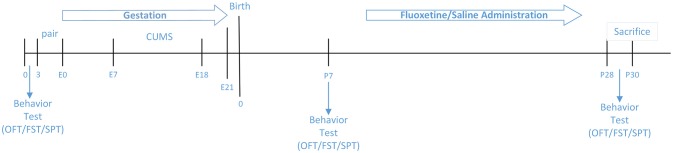
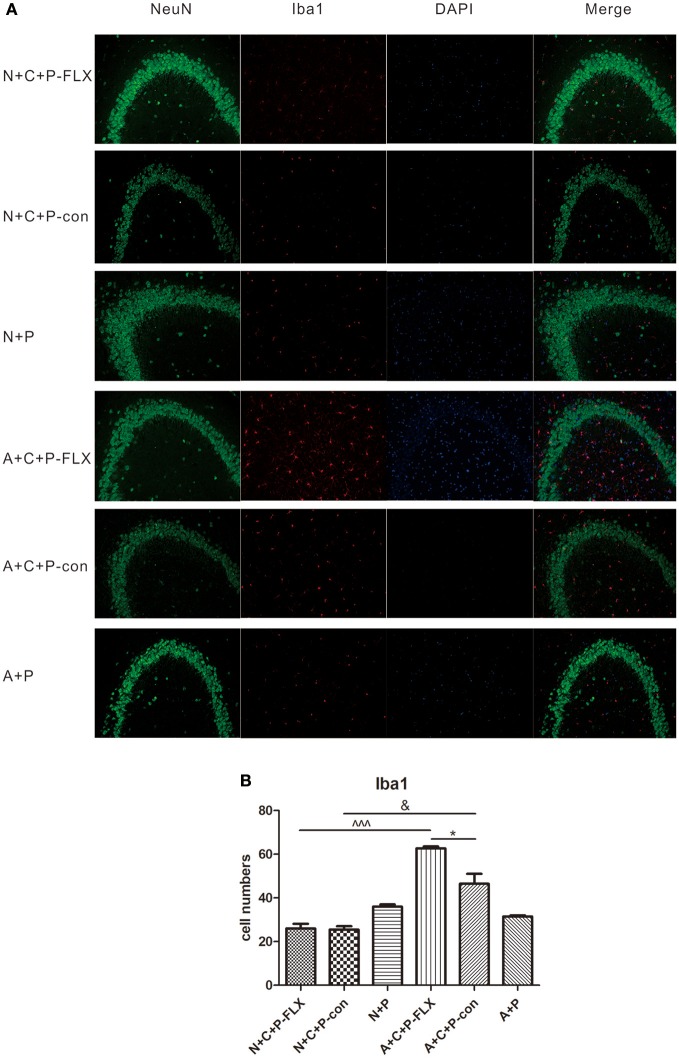
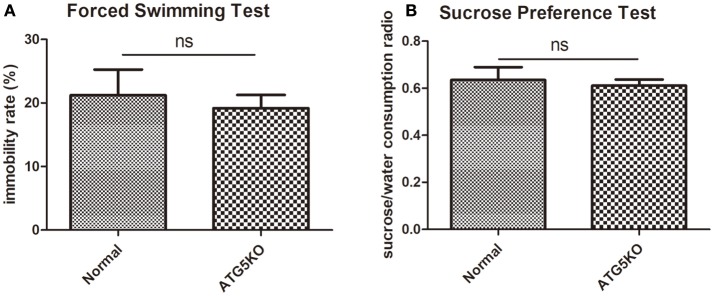
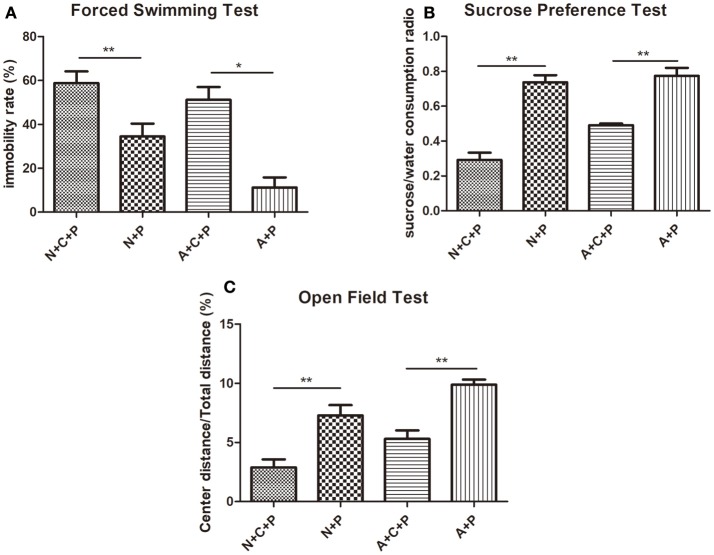
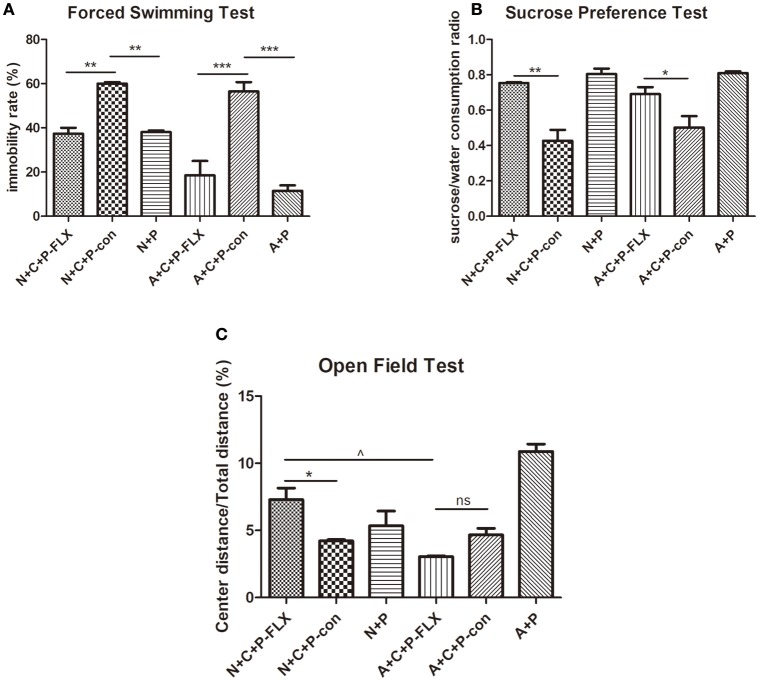
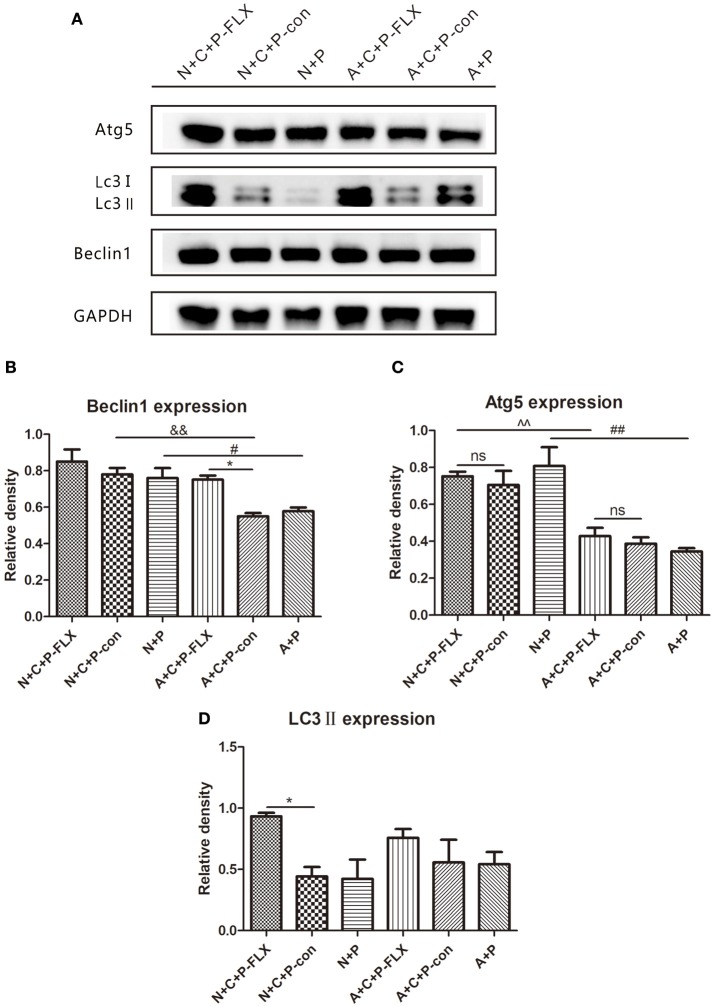
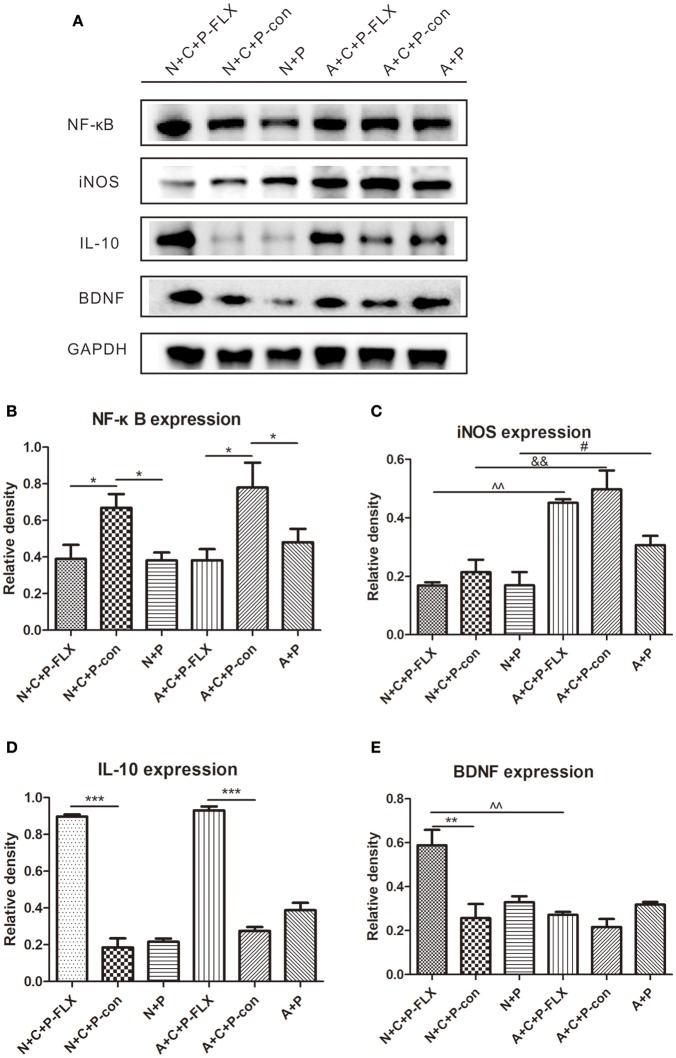
Postpartum depression (PPD) is associated with mood disorders and elevated inflammation. Studies have evidenced the activation/inhibition of autophagy and excessive activation of microglia to have a close relationship with depression. C57 and microglia-specific autophagy-deficient mice (Cx3Cr1ATG5) were employed to establish the chronic unpredicted mild stress depression mice model from embryonic day 7 (E7) to embryonic day 16 (E16). Fluoxetine was administered for 3 weeks (commencing from 1 week after birth). Behavioral tests (open field, forced swimming, and sucrose preference tests) were implemented. Western blot and immunofluorescence staining were employed to assess the brain-derived neurotrophic factor (BDNF) expression level, autophagy-associated proteins, and inflammatory factors. Depressive behavior was reversed following fluoxetine treatment; this was evidenced via open field, sucrose preference, and forced swimming tests. Both BDNF and autophagy-associated proteins (ATG5, Beclin-1, and LC3II) were upregulated following fluoxetine treatment. Inflammatory factors including nuclear factor kappa B and inducible nitric oxide synthase were reduced while anti-inflammatory factor interleukin-10 (IL-10) was increased after fluoxetine treatment. Microglia-specific autophagy-deficient mice (Cx3Cr1ATG5) showed a curtailed autophagy level, higher inflammatory level, and reduced BDNF expression when compared with C57 mice. Autophagy inhibition in microglia contributes to inflammation, which further instigates PPD. Fluoxetine might mediate its antidepressant effect in PPD through the autophagic pathway while upregulating BDNF expression. In view of this, regulating BDNF in microglia is a potential novel therapy target for PPD.
产后抑郁症(PPD)与情绪障碍和炎症加剧有关。研究表明,自噬的激活/抑制以及小胶质细胞的过度激活与抑郁症密切相关。采用C57小鼠和小胶质细胞特异性自噬缺陷小鼠(Cx3Cr1ATG5),从胚胎第7天(E7)至胚胎第16天(E16)建立慢性不可预测轻度应激抑郁小鼠模型。从出生后1周开始给予氟西汀3周。进行行为测试(旷场试验、强迫游泳试验和蔗糖偏好试验)。采用蛋白质免疫印迹法和免疫荧光染色法评估脑源性神经营养因子(BDNF)表达水平、自噬相关蛋白和炎症因子。氟西汀治疗后抑郁行为得到逆转;旷场试验、蔗糖偏好试验和强迫游泳试验均证实了这一点。氟西汀治疗后,BDNF和自噬相关蛋白(ATG5、Beclin-1和LC3II)均上调。氟西汀治疗后,包括核因子κB和诱导型一氧化氮合酶在内的炎症因子减少,而抗炎因子白细胞介素-10(IL-10)增加。与C57小鼠相比,小胶质细胞特异性自噬缺陷小鼠(Cx3Cr1ATG5)的自噬水平降低、炎症水平升高且BDNF表达减少。小胶质细胞中的自噬抑制会导致炎症,进而引发PPD。氟西汀可能通过自噬途径介导其对PPD的抗抑郁作用,同时上调BDNF表达。鉴于此,调节小胶质细胞中的BDNF是PPD潜在的新型治疗靶点。