Li Nan, Gao Wei, Zhang Yi-Fan, Ho Mitchell
Laboratory of Molecular Biology, Center for Cancer Research, National Cancer Institute, National Institutes of Health, Bethesda, MD 20892, USA.
Laboratory of Molecular Biology, Center for Cancer Research, National Cancer Institute, National Institutes of Health, Bethesda, MD 20892, USA; Department of Cell Biology, School of Basic Medical Sciences, Nanjing Medical University, Nanjing 211166, China.
Trends Cancer. 2018 Nov;4(11):741-754. doi: 10.1016/j.trecan.2018.09.004. Epub 2018 Sep 28.
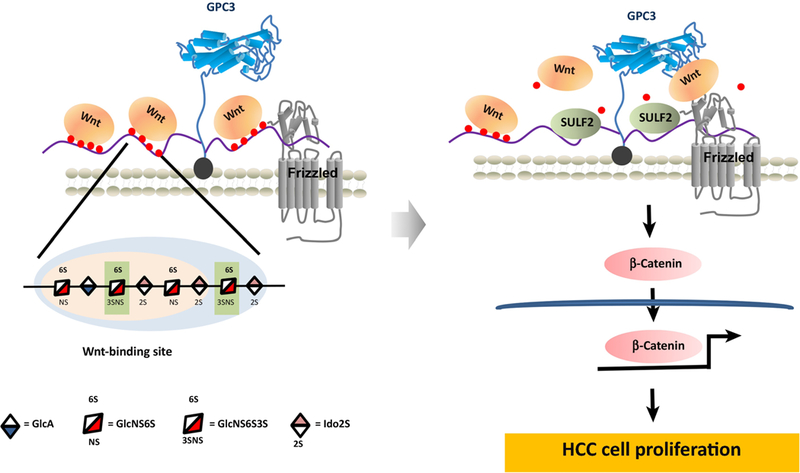
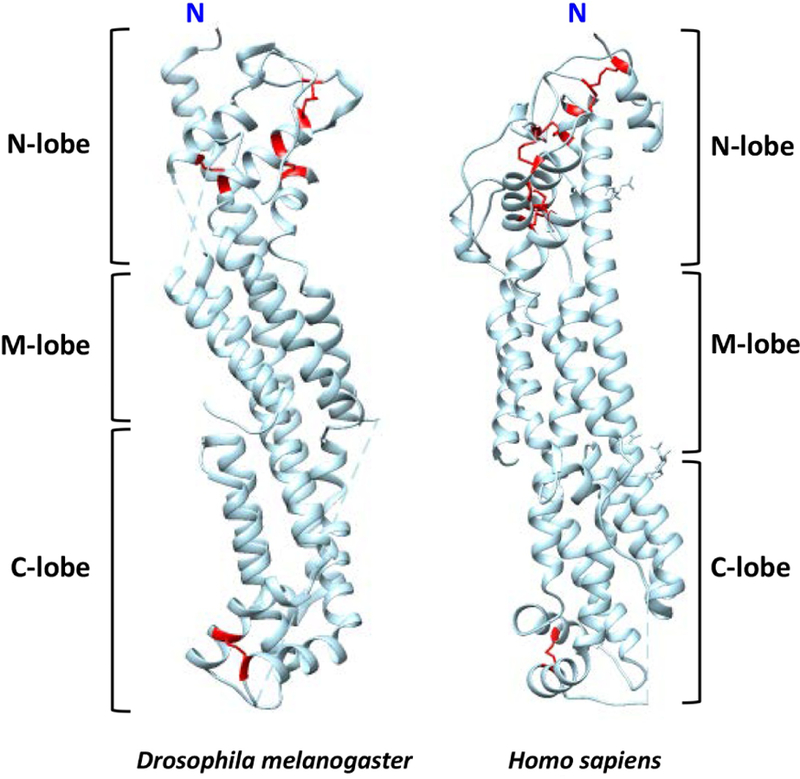
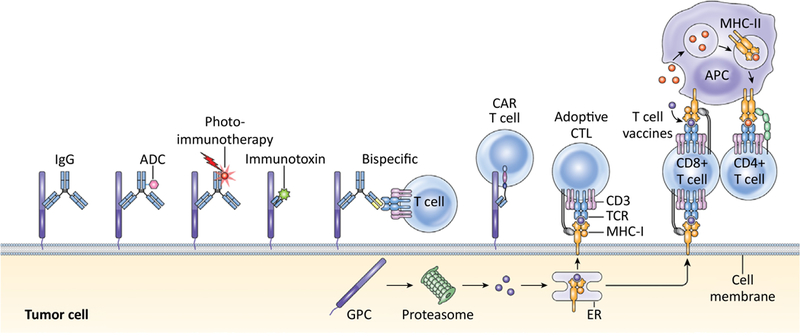
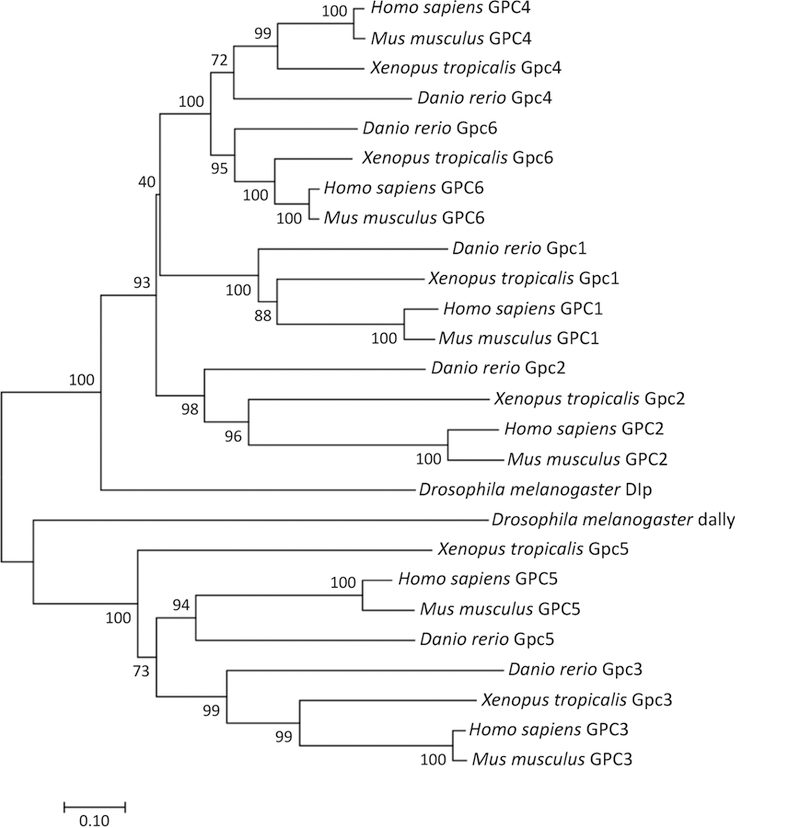
Glypicans are a group of cell-surface glycoproteins in which heparan sulfate (HS) glycosaminoglycan chains are covalently linked to a protein core. The glypican gene family is broadly conserved across animal species and plays important roles in biological processes. Glypicans can function as coreceptors for multiple signaling molecules known for regulating cell growth, motility, and differentiation. Some members of the glypican family, including glypican 2 (GPC2) and glypican 3 (GPC3), are expressed in childhood cancers and liver cancers, respectively. Antibody-based therapies targeting glypicans are being investigated in preclinical and clinical studies, with the goal of treating solid tumors that do not respond to standard therapies. These studies may establish glypicans as a new class of therapeutic targets for treating cancer.
磷脂酰肌醇蛋白聚糖是一组细胞表面糖蛋白,其中硫酸乙酰肝素(HS)糖胺聚糖链共价连接到蛋白质核心。磷脂酰肌醇蛋白聚糖基因家族在动物物种中广泛保守,并在生物过程中发挥重要作用。磷脂酰肌醇蛋白聚糖可作为多种信号分子的共受体,这些信号分子以调节细胞生长、运动和分化而闻名。磷脂酰肌醇蛋白聚糖家族的一些成员,包括磷脂酰肌醇蛋白聚糖2(GPC2)和磷脂酰肌醇蛋白聚糖3(GPC3),分别在儿童癌症和肝癌中表达。针对磷脂酰肌醇蛋白聚糖的基于抗体的疗法正在临床前和临床研究中进行调查,目标是治疗对标准疗法无反应的实体瘤。这些研究可能会将磷脂酰肌醇蛋白聚糖确立为治疗癌症的一类新的治疗靶点。